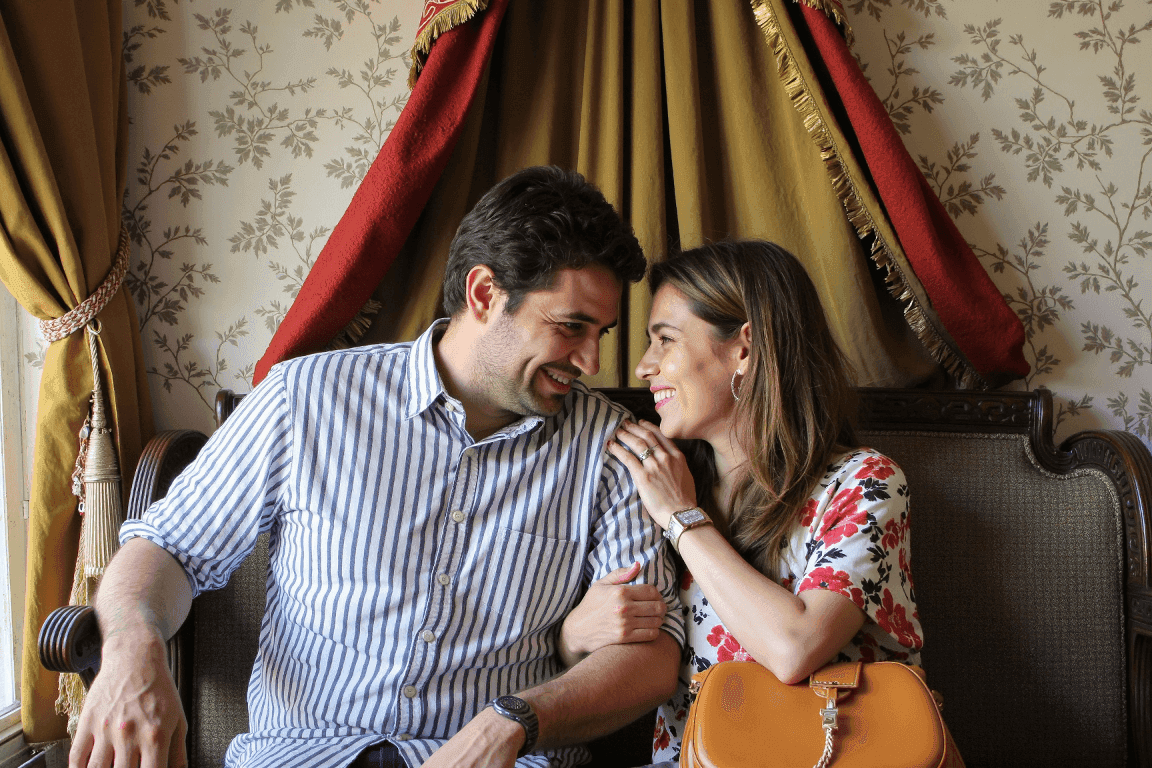
Dating has its own language. Few expressions are more recognizable — or more misunderstood — than the baseball metaphor used to describe physical and emotional progression between partners. Bases in relationships offer a familiar framework for discussing intimacy, but their meaning shifts depending on who you ask, what generation they belong to, and what kind of relationship they are in. Understanding what each base represents, and how couples actually move from one to the next, reveals something important about how human connection develops.
Why the Bases Metaphor Still Matters
The bases framework originated in American pop culture, likely mid-20th century, as a coded way to discuss sexual and romantic progression. It mapped physical intimacy onto the structure of a baseball game — a sequence with clear stages, a defined goal, and rules everyone broadly understood.
Decades later, the metaphor persists. It gives people a low-pressure vocabulary for conversations that can otherwise feel awkward. For younger couples especially, referencing bases in dating provides a shared language before more direct terms feel comfortable. Relationship experts note that having any shared vocabulary for physical progression tends to reduce miscommunication and anxiety between partners.
The framework also reflects something real: intimacy does tend to develop in stages. Research in relationship psychology consistently shows that physical closeness deepens gradually, shaped by trust, time, and emotional connection. The bases, whatever their exact definitions, capture that reality.
First Base: Where Physical Connection Begins
First base typically refers to kissing. This includes everything from a brief kiss to extended, passionate kissing between partners. It sounds simple, but first base carries genuine significance in the arc of a relationship.
Kissing is the first major act of voluntary physical intimacy between two people who are not yet fully comfortable with each other. It signals mutual interest and a willingness to close physical distance. Studies in evolutionary psychology suggest that kissing plays a direct role in mate assessment — people unconsciously evaluate compatibility through the experience.
For many couples, first base happens early, sometimes on a first or second date. For others, it takes longer. Neither timeline indicates anything meaningful about the relationship's potential. What matters is that both people feel ready. Pressure to reach this base before either partner is comfortable tends to set a poor foundation for what follows.
Second Base: Deepening Physical Intimacy
Second base moves beyond kissing into more direct physical contact. It generally refers to touching above the waist — including the chest and upper body — and represents a meaningful escalation in physical intimacy.
The shift from first base to second base is rarely dramatic. It tends to happen gradually, as partners grow more at ease with each other's presence and more confident in the relationship's direction. The second stage often coincides with a relationship becoming more defined — when two people move from casually dating to something more deliberate.
Second base is also where communication becomes noticeably more important. What feels comfortable varies considerably between individuals. Couples who check in with each other at this stage — verbally or through attentiveness to cues — tend to build stronger physical and emotional trust than those who do not. The second transition in physical intimacy is, in many ways, a test of how well two people actually listen to each other.
Third Base: Crossing into Greater Vulnerability
Third base refers to more intimate sexual contact, typically including manual or oral stimulation. It represents a significant step — one that most people associate with a higher level of trust and emotional investment in the relationship.
Reaching third base tends to require more groundwork than the earlier stages. Partners generally need a clearer sense of mutual interest and a greater degree of comfort with vulnerability. This is where emotional intimacy and physical intimacy become most visibly intertwined.
Relationship experts often point out that the challenges couples face at this stage are less about physical readiness and less about emotional readiness than people expect. Many individuals feel physically ready long before they feel secure enough emotionally. Recognizing that gap — and not rushing past it — tends to produce better outcomes for the relationship overall.
The pace of reaching third base varies enormously. For some couples it happens within weeks. For others it takes months. Neither approach is inherently healthier, though research does suggest that relationships where physical escalation is gradual tend to report higher long-term satisfaction.
Fourth Base: Sexual Intercourse and What It Represents
Fourth base refers to sexual intercourse. In the baseball metaphor, it is the equivalent of scoring — the completion of the physical progression the earlier bases build toward.
But framing fourth base purely as an endpoint misses something important. Sexual intercourse in a relationship is not a finish line. It is a new stage in itself, one that often changes the emotional dynamics between partners considerably. For many couples, reaching fourth base prompts a reevaluation of where the relationship stands and where it is heading.
The shift to this stage brings its own set of considerations. Physical safety, contraception, and health are practical concerns that require open conversation. Emotionally, both partners may experience the relationship differently afterward — sometimes closer, sometimes more uncertain. Those changes are normal. What determines how couples navigate them is largely the quality of communication they have built through the earlier bases.
How and When the Shift Between Bases Actually Happens
Understanding the bases as fixed checkboxes misrepresents how physical intimacy actually develops. In practice, progression is rarely linear. Couples move forward, pause, return to earlier stages, and sometimes skip steps entirely.
Several factors shape when and how transitions between bases occur. Time together matters — familiarity reduces anxiety and builds the physical ease that makes intimacy feel natural rather than pressured. Emotional connection matters equally. Partners who feel seen and respected by each other tend to be more comfortable progressing physically.
External context also plays a role. Privacy, stress levels, and the general stability of the relationship all influence the pace of physical development. Challenges in other areas of a relationship — conflict, uncertainty about commitment, major life changes — often slow physical progression or make earlier stages feel less comfortable than they did before.
One insight that relationship experts return to repeatedly is the importance of treating each stage as complete in itself, rather than as a stepping stone to the next. Couples who are fully present at each base, rather than focused on reaching the next one, tend to report greater satisfaction with both the physical and emotional dimensions of their relationship.
Bases Beyond the Physical: Emotional Intimacy as Its Own Progression
It is worth noting that the bases framework, rooted as it is in physical contact, captures only part of how relationships develop. Emotional intimacy has its own stages — from initial openness and self-disclosure, through deeper vulnerability, to genuine interdependence and trust.
Physical and emotional stages do not always align. Some couples develop strong emotional intimacy before any physical progression. Others move physically faster than emotionally and spend time catching up. Neither pattern is unusual, but misalignment can create friction if partners have different expectations about what physical closeness implies emotionally.
A more complete picture of bases in relationships includes both dimensions. The most durable connections tend to be ones where physical and emotional intimacy develop in rough parallel. That way each is reinforcing the other, rather than one racing ahead of the other.
Conclusion
The bases in a relationship are more than a cultural shorthand. They map a real process — one defined by gradual trust, increasing vulnerability, and deepening physical and emotional connection. Understanding what each base represents, and what actually drives the shift from one stage to the next, helps couples approach that process with more awareness and less anxiety. Whether you are early in a relationship or years in, the underlying principle remains the same: intimacy builds best when both people feel genuinely ready for each step.