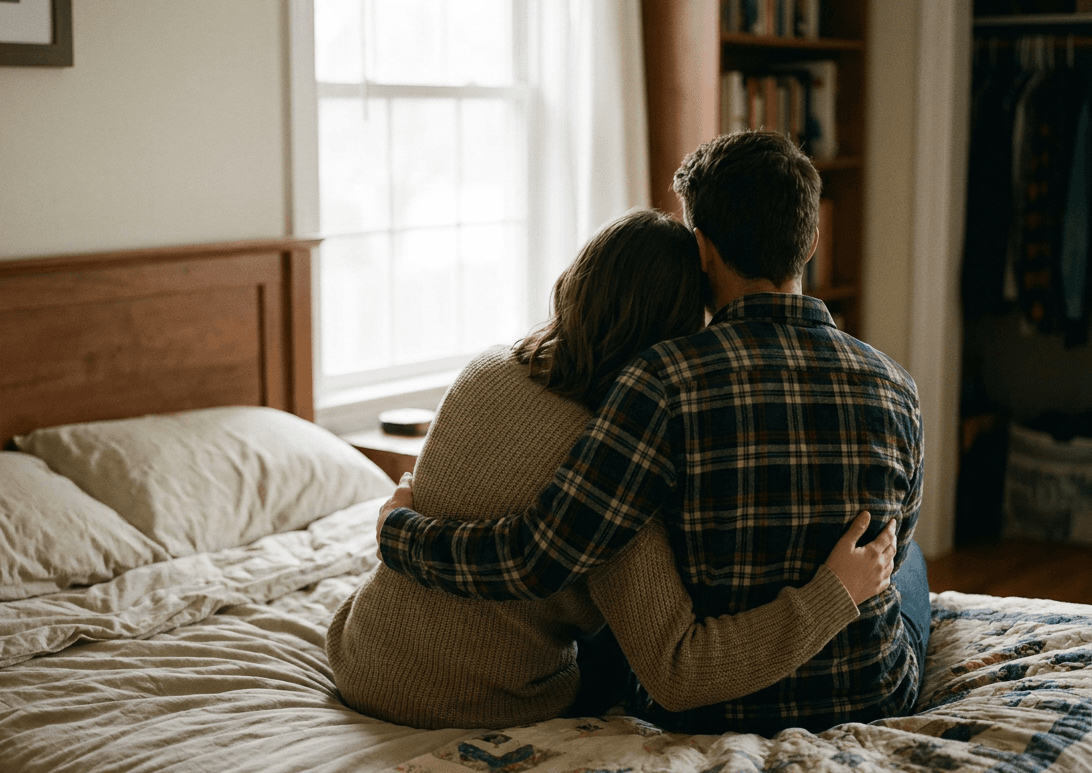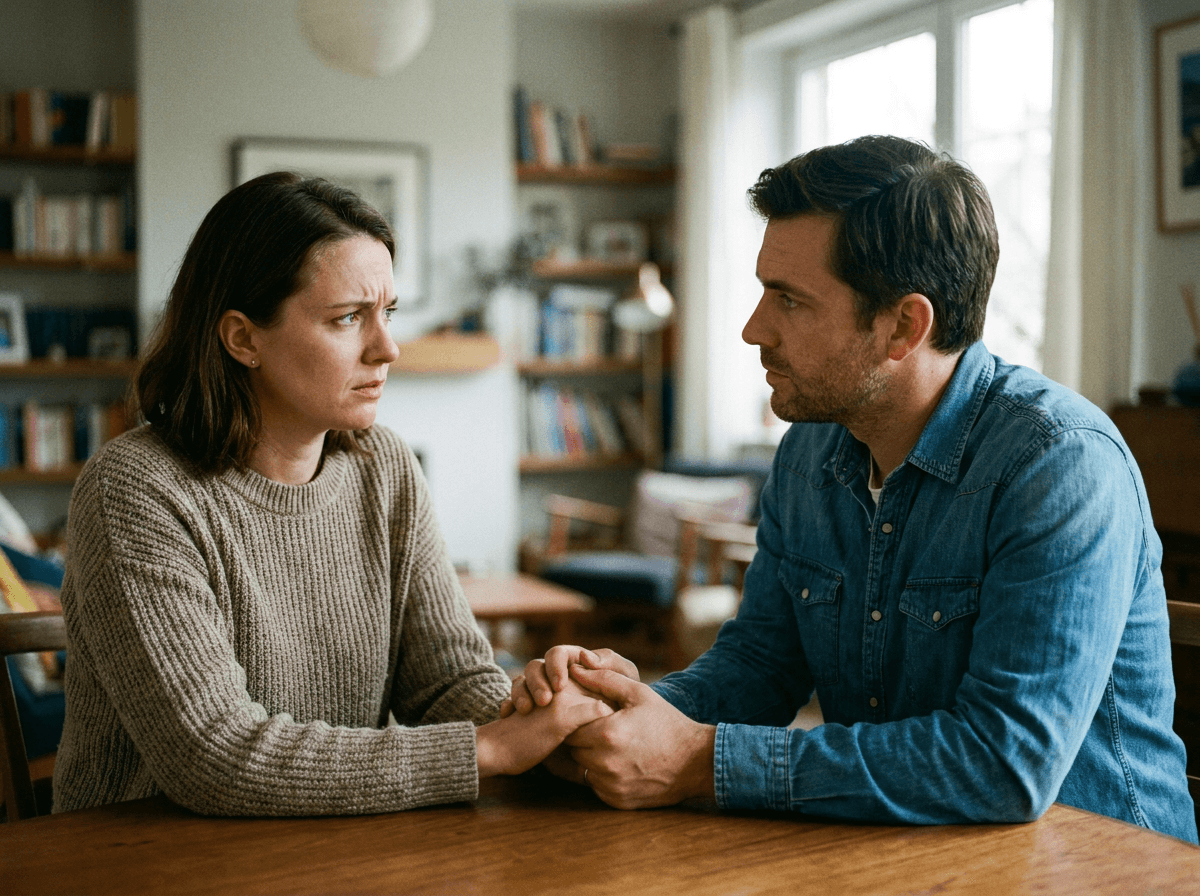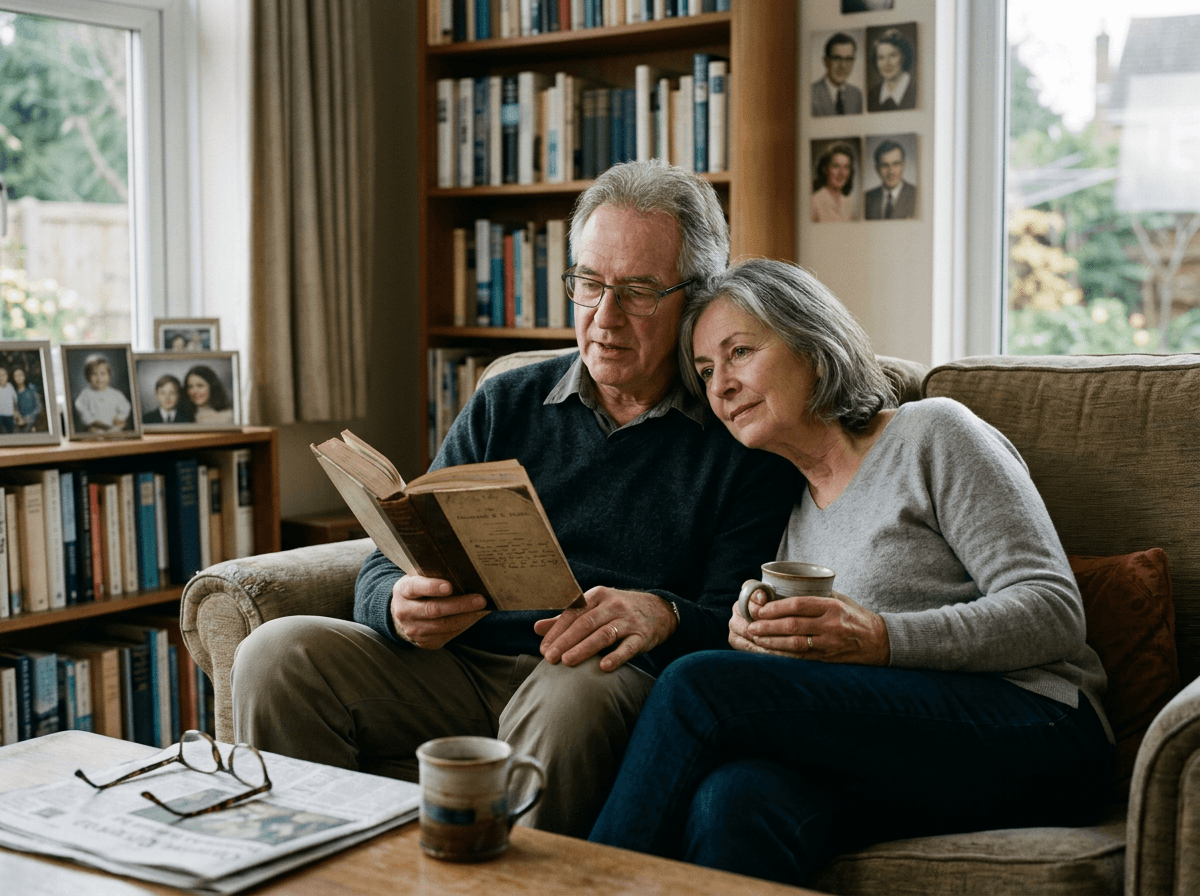
There is a particular kind of love that does not make headlines. It does not arrive in dramatic declarations or cinematic moments. Instead, it develops slowly, over years, in the accumulated weight of ordinary life shared with another person. Growing old with someone is one of the most quietly profound experiences available to human beings — and one of the least examined. Culture celebrates falling in love. Yet it pays considerably less attention to what happens after decades of choosing the same person, weathering the same storms, and building a life that neither person could have constructed alone.
The intimacy of growing old together differs in kind from the intimacy of early love. It runs deeper, carries more texture, and demands more. Beyond that, it offers something no other form of closeness can replicate: the particular knowledge of being seen by someone who watched you become who you are — and who chose to stay anyway.
What Growing Old Together Actually Means
Growing old with someone is not simply the passage of time in proximity. In fact, couples who have shared decades together consistently describe something far more active than coexistence. They describe a life built — deliberately, incrementally, through thousands of small decisions that accumulated into something neither person fully planned.
Moreover, the building happens across multiple dimensions at once. Financial life, domestic life, social life, and emotional life all become intertwined. A spouse is not just a companion. Over time, they become part of the architecture of everything — the person around whom routines form, decisions get made, and meaning gets organized.
Some describe this interdependence as a loss of individuality. Long-term couples, however, more often describe it as expansion. Years of genuine closeness with a spouse whose perspective and temperament differs from your own produces a more complex self than solitude tends to generate. Rather than diminishing the individual, the relationship adds to them.
The Particular Knowledge That Years Produce
One of the most significant things that grows between people who spend years together is a form of knowledge with no shortcut. A spouse of twenty or thirty years knows things about you that you do not know about yourself. They have watched you under pressure and in ease, seen how you respond to loss, to success, to fear, to joy. As a result, they carry a record of who you have been that sometimes corrects your own.
This mutual deep knowledge is one of the more underappreciated gifts of growing old together. Early relationship intimacy involves discovery — the excitement of learning who someone is. Long-term intimacy, by contrast, involves something quieter and more substantial: the security of being fully known. Not a curated version of yourself. Not the self you present to the world. Rather, the actual person — with all the inconsistencies, vulnerabilities, and changes that years of real life produce.
That security also carries practical effects. People who feel deeply known by a long-term partner tend to carry less anxiety about self-presentation. They can be tired, uncertain, or struggling without the additional burden of managing how they appear. The relationship holds the full picture — and so the full picture no longer needs constant management.
How the Relationship Changes Over the Years
Every long relationship goes through distinct phases. The couple that gets married at twenty-five is not the same couple at fifty or seventy. Consequently, growing old together requires something that early relationship intensity does not: the capacity to keep choosing a person who keeps changing — and to recognize yourself in them as you change too.
The changes are not only external, though those matter considerably. Bodies age. Capacities shift. The life of the body at seventy genuinely differs from the life of the body at thirty. Taking care of a spouse through illness or diminishment is one of the more demanding things a long relationship asks. At the same time, it is one of the more clarifying. What remains when health, productivity, and capability fall away tends to reveal the actual quality of what both people built together.
Internal changes carry equal significance. The values, priorities, and self-understanding a person holds at sixty may differ substantially from those they held at thirty. For this reason, growing old together requires continuous renegotiation — an ongoing willingness to know the current person rather than relating to the person one married decades ago. Couples who manage this well tend to describe a relationship that feels both deeply familiar and continuously surprising.
The Team That Builds Over Decades
One of the more practical dimensions of growing old together is the development of what long-term couples consistently describe as a team — a functional unit that operates with a particular efficiency born of years of collaboration.
This team quality extends well beyond the logistical, though it is that too. Over time, long-term couples develop genuine complementarity. Each person's strengths become resources for the other. Meanwhile, each person's weaknesses find quiet compensation in the other's capabilities. The team that builds over decades tends to navigate life considerably more effectively than either member would alone — not because the individuals are diminished, but because the collaboration has been refined over so many years that it operates with a fluency no new partnership can replicate.
Furthermore, the team carries shared history in a way that compounds over time. Every difficulty navigated together, every loss absorbed, every joy shared becomes part of a common store that both people draw on. A couple who have been through genuine hardship together carry a form of resilience that nobody inherits. They built and tested it through actual experience.
The Intimacy of Ordinary Life at Its Longest
A specific intimacy belongs to the longest phase of a relationship — the years when the life together has been built, and what remains is most purely the two people and the world they constructed around themselves.
From the outside, this phase tends to be romanticized. From the inside, it tends to be underestimated. The evening walk taken together after decades of evenings. The shorthand of a long life shared — the references, the private language, the knowledge of exactly what a particular look means. The particular comfort of a presence so familiar it has become almost atmospheric.
Beyond familiarity, growing old together at this stage involves a quality of care that differs meaningfully from the care of earlier years. The care one offers an old spouse does not carry the ardor of early love — discovering, expressive, performed partly for its own sake. Instead, it is quieter, more habitual, more fundamentally embedded in daily life. It is care that knows exactly what is needed because it has been paying attention for decades.
What a Long Relationship Leaves Behind
Growing old together ultimately produces something that exists beyond either individual. A shared history. A particular way of being in the world. A set of patterns, understandings, and ways of caring that belong to both people and that nobody outside the relationship can fully access or explain.
This shared creation is one of the more substantial things a human life can produce. Professional achievements and creative works carry a visibility that it does not. Yet it is real — real in the lives of the people who built it, real in the family and community that formed around it, and real in the particular way each person changed through decades of shared life.
Additionally, long relationships leave something inside each person. A spouse of forty years carries their partner in a way that extends beyond grief or memory. It is a genuine alteration — a reshaping of the self that happened gradually and without announcement over years of shared life. Ultimately, growing old with someone, at its deepest, means becoming a person whose formation cannot be fully understood without reference to the other. That is not dependence. Rather, it is what genuine intimacy, sustained over a long time, actually produces.
Conclusion
The intimacy of growing old with someone does not announce itself. Nor does it produce moments that get retold at dinner parties. Instead, it accumulates in the texture of shared daily life — in the comfort of a long-known presence, in the depth of mutual knowledge that years produce, in the team that builds gradually into something neither person could have predicted or created alone.
Growing old together is one of the more demanding things a relationship asks. Sustained curiosity, the capacity for repair, and the willingness to keep choosing a person who keeps changing — all of these are required. Yet what the relationship offers in return is not available any other way.
Above all, it offers the specific intimacy of being known by someone who has walked beside you through enough of life to have seen all of it — and who chose, repeatedly and over years, to keep walking. That choosing, accumulated over a lifetime, is what growing old together actually means. From the outside, it looks ordinary. From the inside, however, it is one of the most significant things a life can contain.