Russian
  English
  French
  German
  Italian
  Spanish
  Polish
  Ukrainian
  Turkish
  Portuguese
  Greek
Greek  Arabic
  Korean
  Chinese
  Japanese
  Czech
Czech 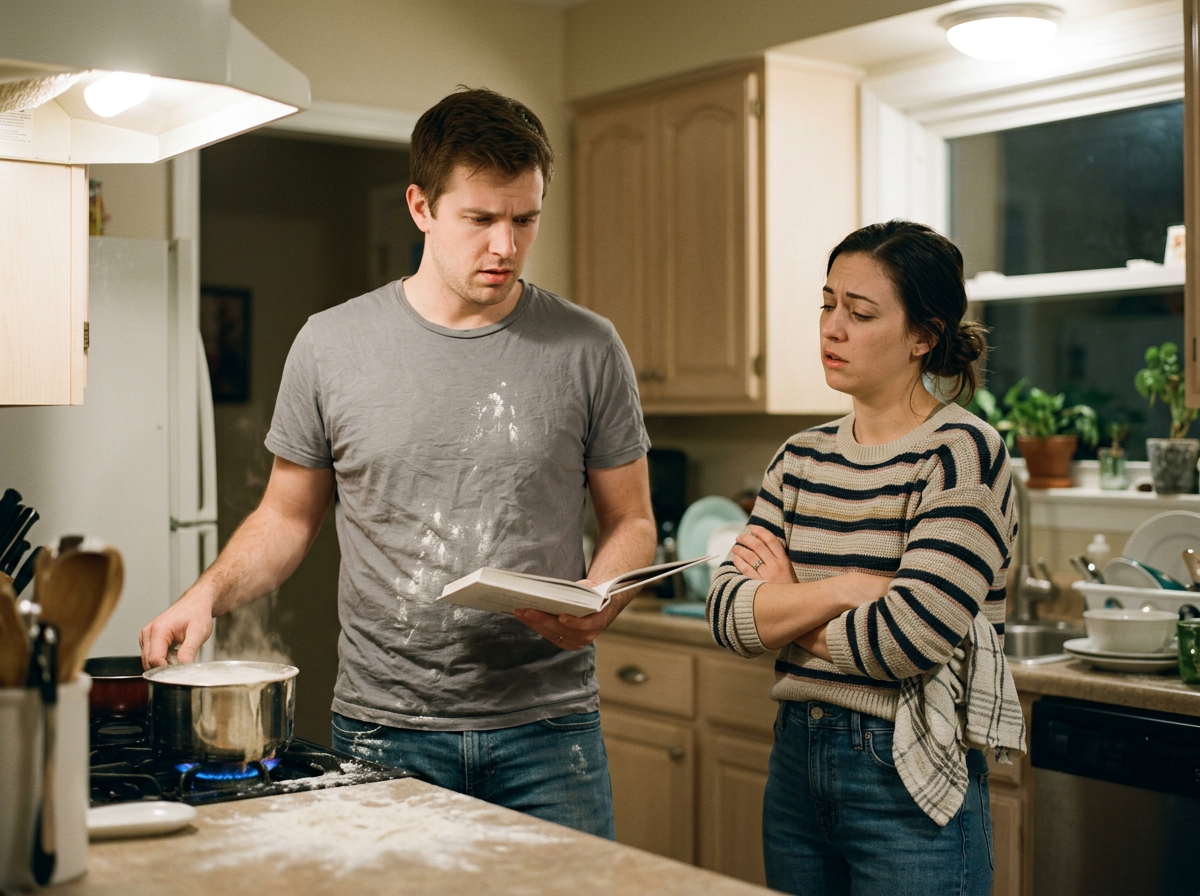

Some of the most effective forms of control in a relationship never look like control at all. They look like incompetence. Like forgetting. Like a shrug and the words “I just don’t know how.” Learned helplessness — the psychological condition in which a person stops trying because they believe nothing they do matters — is one of the most misunderstood dynamics in relationship psychology. Sometimes it is genuine. Sometimes, however, it functions as something else entirely: a way of managing a partner, avoiding responsibility, and holding power without appearing to hold any. Understanding learned helplessness in a relationship context is essential for anyone trying to make sense of a dynamic that feels increasingly one-sided.
What Learned Helplessness Actually Is
Learned helplessness is not laziness. It is not a character flaw. It is a psychological condition that develops when someone repeatedly experiences uncontrollable events — situations where their actions have no effect on outcomes. After enough exposure to that pattern, people stop trying. Even when circumstances change and action would actually help, they do not act.
In its genuine form, learned helplessness produces deep passivity. The person develops negative beliefs about their own agency — a conviction, often unconscious, that their efforts are pointless and that giving up is the only rational response. As a result, this state connects closely to depression, anxiety, and low self esteem. It drains motivation. It produces symptoms that look, from the outside, like indifference.
The sense of helplessness in this condition is real and debilitating. People living with genuine learned helplessness often experience chronic stress, a lack of confidence in their problem solving skills, and an inability to work toward achievable goals. The psychological toll is significant. Treatment typically requires therapy, which helps the person identify and shift the thought patterns that maintain the cycle.
When It Functions as Control
Here is where the dynamic becomes more complex. Learned helplessness can be genuine. It can also function as a relational strategy — one that produces specific outcomes without requiring direct confrontation or overt demand.
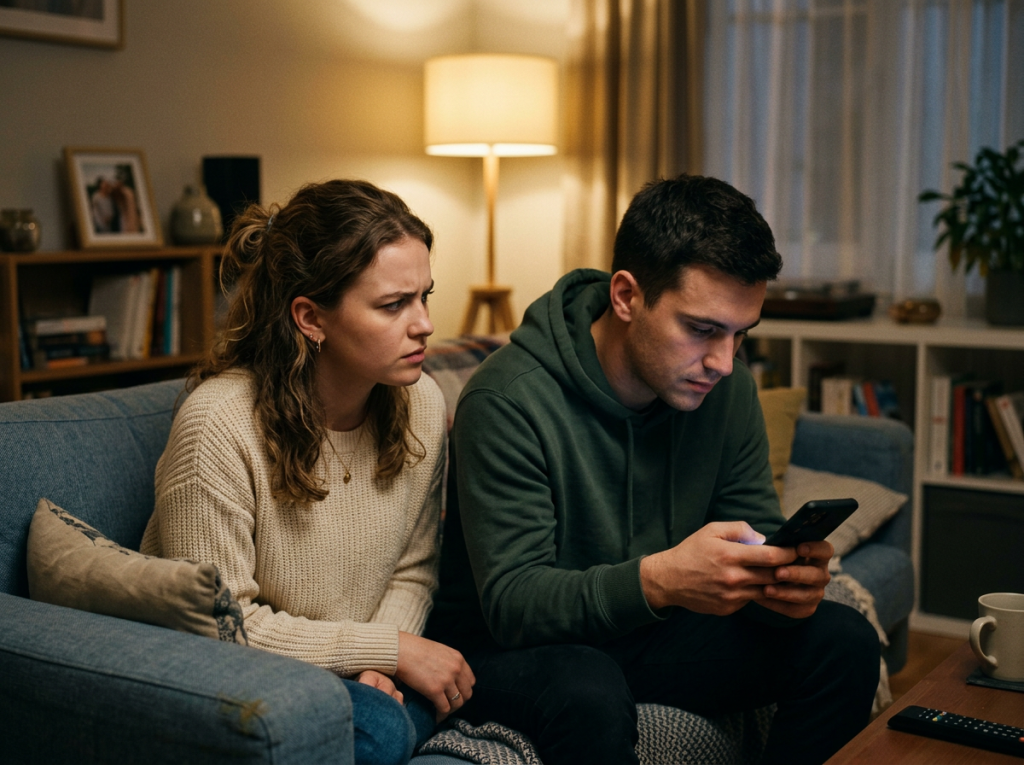
In some relationships, one partner consistently presents as incapable. They cannot manage finances, cooking, planning, or conflict. They forget, they fail, they feel overwhelmed. Meanwhile, the other partner compensates — stepping in to manage what the first partner cannot handle. Gradually, without anyone naming it, the capable partner takes on more and more. The helpless partner takes on less and less.
This arrangement can reflect genuine conditions like anxiety or depression. However, it can also reflect something more strategic. Consider the partner who fails at tasks they dislike but succeeds at tasks they care about. Or the one whose sense of helplessness intensifies precisely when accountability enters the conversation. These are signs of selective helplessness — not a genuine state of powerlessness, but a managed one.
None of this is always conscious. Learned helplessness as a control strategy often grows from the same roots as the genuine condition — early experiences of powerlessness, environments where direct expression of needs was unsafe. The behavior is learned. Even so, its effects on the relationship are entirely real.
How Learned Helplessness Damages Relationships
The impact of learned helplessness on a relationship accumulates slowly. For a long time, it stays invisible. The compensating partner does not usually identify themselves as controlled. Instead, they see themselves as capable — as the one who holds things together. That reframe, from control to care, is one of the most effective features of helplessness as a relational dynamic.
Over time, though, the compensating partner begins to carry chronic stress of their own. They manage more than their share. They feel frustration at a dynamic they cannot name clearly — because naming it means suggesting their partner’s helplessness might not be entirely genuine, which feels uncharitable.
As a result, the relationship develops a damaging imbalance. Intimacy erodes. Mutual respect weakens. Relationships where one person consistently acts as the capable adult and the other as the helpless dependent lose the regard that makes closeness possible. Resentment builds quietly. The capable partner starts to feel like a parent rather than a partner. And paradoxically, the helpless partner often complains of feeling controlled by the very management they created the conditions for.
Furthermore, depression and anxiety can develop in both partners — though for different reasons. The managing partner experiences burnout. The partner operating from learned helplessness may begin to experience genuine symptoms of the condition they originally performed. The line between strategic and genuine helplessness is not always clear, even to the person inhabiting it.
The Signs of Learned Helplessness
Distinguishing between genuine learned helplessness and its strategic use is difficult. Nevertheless, several signs taken together suggest the latter.
First, the helplessness is selective. The person fails at tasks they dislike or that would require shared responsibility. Yet they manage tasks they enjoy without apparent difficulty. The sense of helplessness tracks what needs to be avoided rather than what is genuinely out of reach.
Second, the helplessness escalates in response to accountability. When the partner tries to name the imbalance or stop compensating, the helpless partner’s symptoms worsen. Their inability becomes more visible, not less. This is a telling sign. Genuine learned helplessness typically responds to consistent support and structure. Strategic helplessness responds to accountability by going in the opposite direction — deeper into apparent inability.
Third, the helplessness coexists with control in other areas. The partner who cannot manage basic tasks but maintains strong opinions about finances, social decisions, or the emotional tone of the relationship is not operating from powerlessness. They are managing selectively. The areas of helplessness are simply the ones where effort is expected of them.
How to Overcome Learned Helplessness in a Relationship
Overcoming learned helplessness requires different approaches depending on its nature. In both cases, however, the starting point is the same: naming the dynamic clearly.
For the partner experiencing genuine learned helplessness, treatment involves working with a therapist to identify the origins of negative beliefs about agency and autonomy. The goal is to build resilience through small, incremental steps — developing a new mindset through the experience of effective action rather than through insight alone. Achievable goals matter here. Each small success builds evidence that actions matter and that outcomes are not entirely beyond control.
For the compensating partner, overcoming learned helplessness in the relationship means stopping the compensation — deliberately, not punitively. This involves declining to perform tasks that belong to the other partner and allowing the natural consequences of non-action to land where they should. This feels unkind. It is, however, the only way to interrupt a cycle that compensating behavior actively sustains. As long as the capable partner manages everything the helpless partner avoids, nothing changes.
For couples addressing this dynamic together, therapy is the most effective tool. A skilled therapist helps both partners see what each actually does in the relationship — including how competence and helplessness can function as complementary strategies rather than opposite states. Understanding the cycle is, ultimately, the beginning of breaking it.
Additionally, the partner working to genuinely overcome learned helplessness needs to build problem solving skills that were never adequately developed. These skills grow through practice — through managing small things successfully and gradually expanding what feels within reach.
Заключение
Learned helplessness in a relationship is rarely simple. At its most genuine, it reflects a real psychological condition that deserves compassion and appropriate treatment. At its most strategic, it functions as one of the more effective and least visible forms of relational control — keeping one partner free from responsibility while the other remains too busy managing to notice what is happening.
In either form, the sense of helplessness always affects the relationship. It creates imbalance, generates resentment, and undermines the mutual agency that genuine partnership requires. Recognizing it — whether in yourself or in someone you love — is the first step toward changing it.
And changing it, in any form, requires the same fundamental thing: the experience of acting and discovering that the action actually matters.
That discovery is not automatic. It is built — one deliberate step at a time.