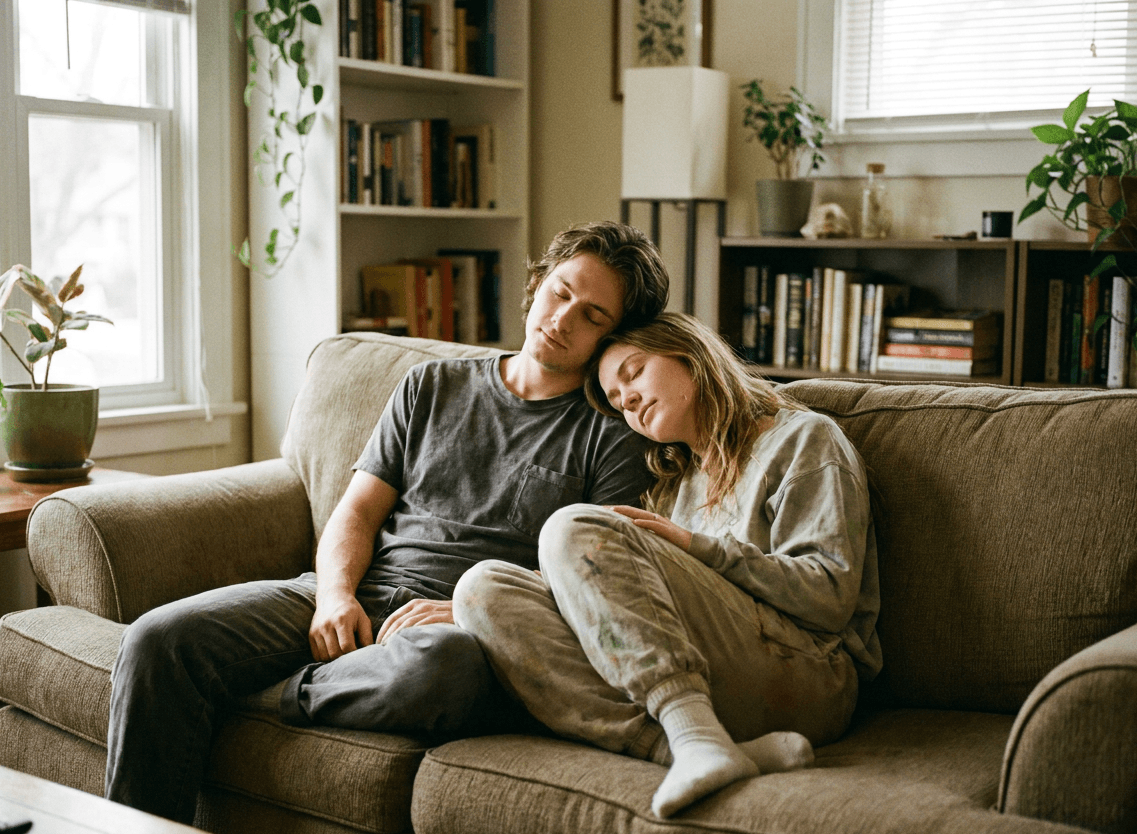
There is something about summer that loosens people. The pace changes. The days stretch. Ordinary life — with its routines, its obligations, its careful management of time and energy — recedes slightly, There is something about summer that loosens people. The pace changes. The days stretch. Ordinary life — with its routines, its obligations, its careful management of time — recedes slightly, replaced by something warmer and less governed. In that loosened state, romance finds unusual purchase. Summer romance is not just a cultural cliché. It is a genuine psychological and social phenomenon, driven by specific conditions that the season creates. Understanding the reasons behind it explains not just why it happens, but why it feels so different from love that develops in other seasons.
What Summer Actually Changes
Before examining the reasons people fall into romance during summer, it helps to understand what the season actually alters about human experience.
The most fundamental change is in the relationship with time. Summer, for most people, involves a different pace of life. Annual leave, school holidays, and a general cultural permission to slow down create conditions in which people are more present. That presence matters enormously for romance. Falling for someone requires attention — the kind of unhurried noticing that the rest of the year rarely allows.
The social landscape shifts too. People spend more time outdoors, in relaxed shared spaces — beaches, parks, terraces, festivals. Those environments produce more spontaneous social contact than the routinous environments of working life. Chance encounters become more likely. The conditions for meeting someone outside your usual social circle expand significantly.
Physical presentation changes as well. Summer involves less clothing, more skin, more awareness of the body. That shift in physical visibility heightens attraction in ways that social psychology research documents well. The season quite literally makes people more visually available to each other.
The Psychology of Vacation and Altered Environments
One of the strongest reasons for summer romance is the psychological effect of being somewhere different. Vacation removes a person from their usual context. That removal brings a partial suspension of the identity and habits associated with ordinary life.
Away from home, from work, from the familiar social world, people tend to be slightly more themselves. Or perhaps more accurately, more willing to try on versions of themselves that daily life discourages. The person who is reserved at home may find themselves more open, more spontaneous, more willing to act on attraction. That openness is one of the most reliable conditions for romance.
Excitement heightens under these conditions too. New environments, novel experiences, and the adventure of being somewhere unfamiliar all activate the same neurological systems that romantic attraction activates. Research in social psychology suggests that physiological arousal — of any kind — tends to amplify romantic feeling. The racing pulse produced by a new city transfers readily into heightened awareness of the people encountered within it.
The finite quality of vacation romance also plays a role. A summer romance with a natural end point carries a specific kind of intensity. Both people know the time is limited. That knowledge concentrates feeling. The relationship does not need management for the long term. It simply needs to be experienced. That freedom from consequence is part of what makes summer romance feel so vivid while it lasts.
Social Permission and the Season's Mythology
Summer is the season of romance in Western cultural mythology. Films, songs, novels, and collective memory have spent decades encoding the idea that summer is when adventure finds you and the rules relax. That encoding creates a kind of cultural permission — a shared understanding that romantic behaviour considered impulsive at other times of year is simply part of what summer involves.
That permission matters. Many of the reasons people hold back from romance in ordinary life are social. They worry about appearing too available, too eager, too willing to act on feeling before reason catches up. In summer, those constraints loosen. Both the person pursuing and the person being pursued operate within a cultural frame that normalises romantic openness. As a result, more people act on attraction than would in October or February.
The relaxation of social role also contributes. On holiday or at a festival, a person exists without the social label that ordinarily defines them. They are not their job, their family role, their neighbourhood. They are simply a person, available to be known on different terms. That freedom generates a quality of connection that feels more direct and more genuine than connections formed in more structured contexts.
Why Summer Romance Feels Different
People who have experienced summer romance consistently describe it as more intense than relationships formed at other times of year. Part of this is circumstantial — the conditions above create a concentration of romantic experience that ordinary life rarely produces. But part of it reflects something genuinely different about the quality of attention that summer romance involves.
In summer, people are less distracted. The person they are falling for receives a quality of focus that is harder to sustain in ordinary life. That concentrated attention accelerates intimacy. What might take months to develop in a busy, structured life can develop in days when both people are present, available, and free from competing demands.
The sensory richness of summer plays a role too. Warmth, light, water, outdoor spaces, long evenings — all of these heighten pleasure and sensory awareness. Romance formed against that sensory backdrop acquires an emotional coding that makes it memorable. The memories formed in summer romance carry a specific quality that lasts long after the romance itself ends.
What Summer Romance Is — and What It Is Not
Not every summer romance develops into a serious relationship. Many do not. Understanding the reasons for their intensity does not require pretending they always hold long-term potential.
What summer romance reliably is: a genuine experience of connection, formed under conditions unusually favourable to openness, attention, and romantic feeling. The feelings are real. The connection is real. None of that diminishes because the conditions that created it were temporary.
What summer romance is not, necessarily, is a relationship suited to the demands of ordinary life. When the vacation ends and both people return to everyday existence, the conditions that enabled the romance disappear. Some summer romances survive that transition. Others do not — not because they were false, but because they formed in a specific environment that no longer exists.
Why the Summer Romance Keeps Happening
The summer romance phenomenon persists across generations and cultures for one fundamental reason: the season reliably produces the conditions that romance requires. Presence, availability, physical awareness, social openness, a relaxed relationship with time — these are not luxuries of summer specifically. They are what love, in general, needs to develop.
Summer makes them easier to access. The reasons people fall harder in summer are the same reasons people fall in love at all — the right conditions, at the right moment, with the right person. The season arranges those conditions more generously than most. The romance that follows is not an accident. It is the natural result of what happens when people finally, briefly, stop being too busy to feel something.