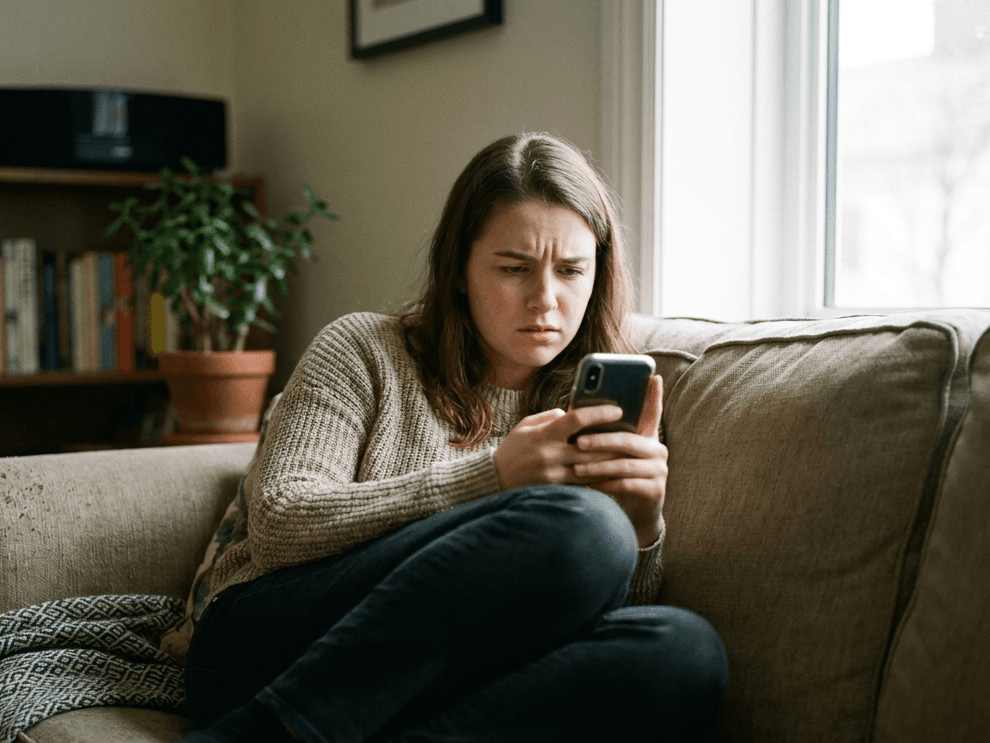
Online dating has changed how singles meet people, build connections, and find love — but it has not changed the fundamental challenge of starting a conversation with a stranger. The opening lines still carriy all the pressure they always did. In some ways it carries more, because on a dating site or app, that first line is the only thing standing between a match that goes somewhere and one that never gets a response. Getting it right is not about clever tricks. It is about understanding what actually works — and why.
Why Online Dating opening Lines Matter So Much
On any dating platform, members receive far more messages than they can meaningfully respond to. The average match pool for many singles skews toward volume rather than quality, which means most messages compete against a crowded inbox. In that environment, a generic opener does not just underperform — it disappears entirely.
The first message establishes tone, signals intent, and communicates something about who you are. A match who reads your opener in ten seconds has already formed an impression. That impression determines whether they chat back, ignore it, or unmatch entirely. There is very little middle ground.
Understanding this raises the stakes on what you write — and equally on what you avoid.
What to Text: Opening Lines That Work in Online Dating
The most consistently effective opening lines in online dating share one quality: they feel personal. They reference something specific to the match — their profile, a photo, something they wrote about themselves. That specificity signals attention, and attention is rare enough in a dating inbox to stand out immediately.
A question built around something in the profile is one of the strongest openers available. If your match mentions they love hiking, ask about a trail in one of their photos. If they list a favourite author, ask what drew them to that writer. These questions work because they give the other person something real to respond to. They also make it easy to continue conversations naturally, since the topic is already established.
Humor works too, as long as it fits the profile and feels genuinely like your authentic self rather than a borrowed line. A light, warm joke that connects to something your match mentioned lands very differently from a rehearsed punchline dropped on a stranger. The first feels like connection. The second feels like a performance.
Sharing something brief about yourself in relation to their profile is also effective. "I've been looking for someone else who actually likes jazz — most people I match with list it and then admit they just thought it sounded sophisticated" is a line that reveals personality, creates a shared reference point, and invites a genuine reply.
The common thread across all of these approaches is that they treat the match as an individual worth engaging with, rather than a target to impress. That orientation, more than any specific line, is what tends to get a response.
What to Avoid in Your Opening Message
Certain habits consistently damage opening messages in online dating, regardless of how well-intentioned they are.
Generic greetings are the most widespread problem. "Hey," "Hi there," and "How are you?" are not openers — they are conversation placeholders that force the other person to do all the work. Members on any active dating site receive dozens of these. They register as the minimum possible effort, because they are.
Commenting exclusively on appearance is another reliable misstep. Members of any dating platform know what they look like. Telling someone they are attractive — without referencing anything else about them — signals that you did not engage with their profile at all. It also reduces them to the photo, which is the opposite of the impression you want to make when looking for something real.
Overly long opening messages tend to misfire too. A first message that runs multiple paragraphs puts significant pressure on the recipient. It can feel intense before any rapport has developed. Keep the opening message focused — two to four sentences is usually the right length, enough to say something real without overwhelming the conversation before it begins.
Messages with sexual content are worth avoiding completely, particularly as openers. Regardless of what either person is looking for, leading with anything sexual signals poor judgment about where the conversation is. It narrows the match's perception of your intent and closes doors that might otherwise have opened naturally.
How to Build a Conversation That Leads to a Date
Getting a response to an opening message is only the beginning. The conversation that follows determines whether the match stays digital or becomes something real.
The key is to stay curious. People feel most connected to someone who asks questions and genuinely engages with their answers — not someone who treats the chat as a monologue. As the conversation develops, ask follow-up questions that build on what your match has shared. This creates a sense of continuity and shows that you remember what they said, which matters more than most people realise.
Avoid the habit of only asking questions, though. A conversation that consists entirely of interview-style questions can feel exhausting. Balance questions with brief shares of your own — reactions, observations, moments from your life that relate to what your match is describing. That balance makes the chat feel like an exchange between two people rather than an interrogation.
Pacing matters too. Matching your match's response speed — roughly — keeps things feeling natural. Responding within seconds of every message can feel intense. Taking days to reply signals low interest. Find the middle ground and the conversation stays alive.
At some point, the conversation needs to move from the app to real life. Many online dating journeys stall because neither person proposes actually meeting. The longer a conversation stays purely digital, the more it risks becoming a comfortable habit rather than a stepping stone to something more. Once you have established enough common ground, take the step. Suggest a specific type of date — a coffee, a walk, a drink somewhere relevant to the conversation you have been having. Make it easy to say yes, and ask directly. Most matches who are interested will appreciate the initiative. Those who are not were unlikely to meet in person regardless of how long the chat continued.
Chatting Online Successfully: The Mindset That Makes the Difference
Beyond specific lines and tactical advice, successful online dating conversations tend to come from a particular orientation toward the whole process.
Approach each match as a person rather than a profile. Select who you message with genuine interest rather than volume. Time spent on a thoughtful message to one person you are genuinely curious about consistently outperforms a mass of generic openers. Quality of attention produces quality of connection.
Stay patient with the dating journey. Not every match will respond. Not every conversation will lead somewhere. That is not failure — it is the nature of finding the right fit among a large pool of people. The singles who find what they are looking for in online dating tend to be the ones who stay consistent, stay genuine, and resist the temptation to optimise the humanity out of the process.
Love, in the end, does not begin with the perfect opening line. It begins with the willingness to show up honestly and see who shows up in return.