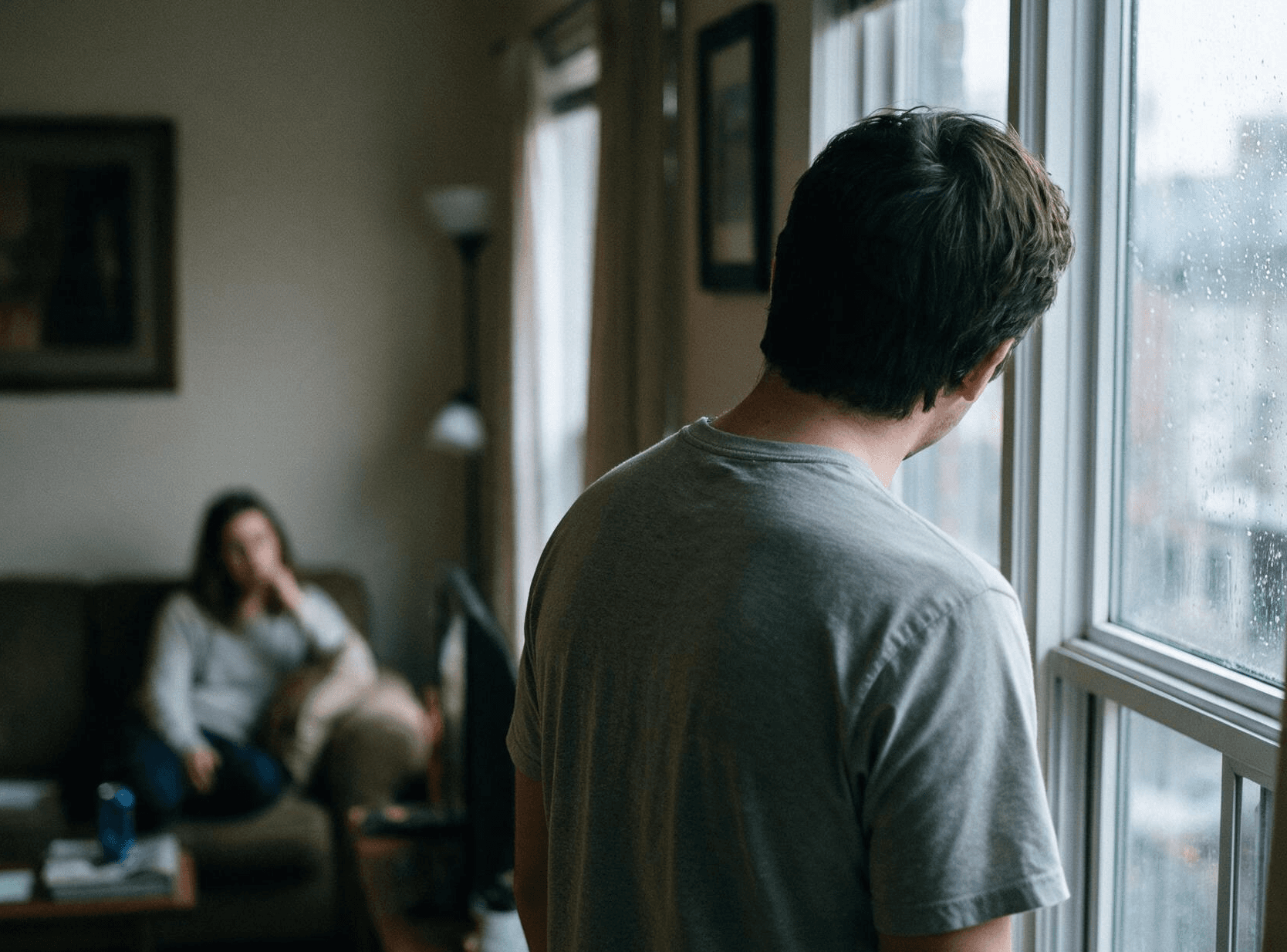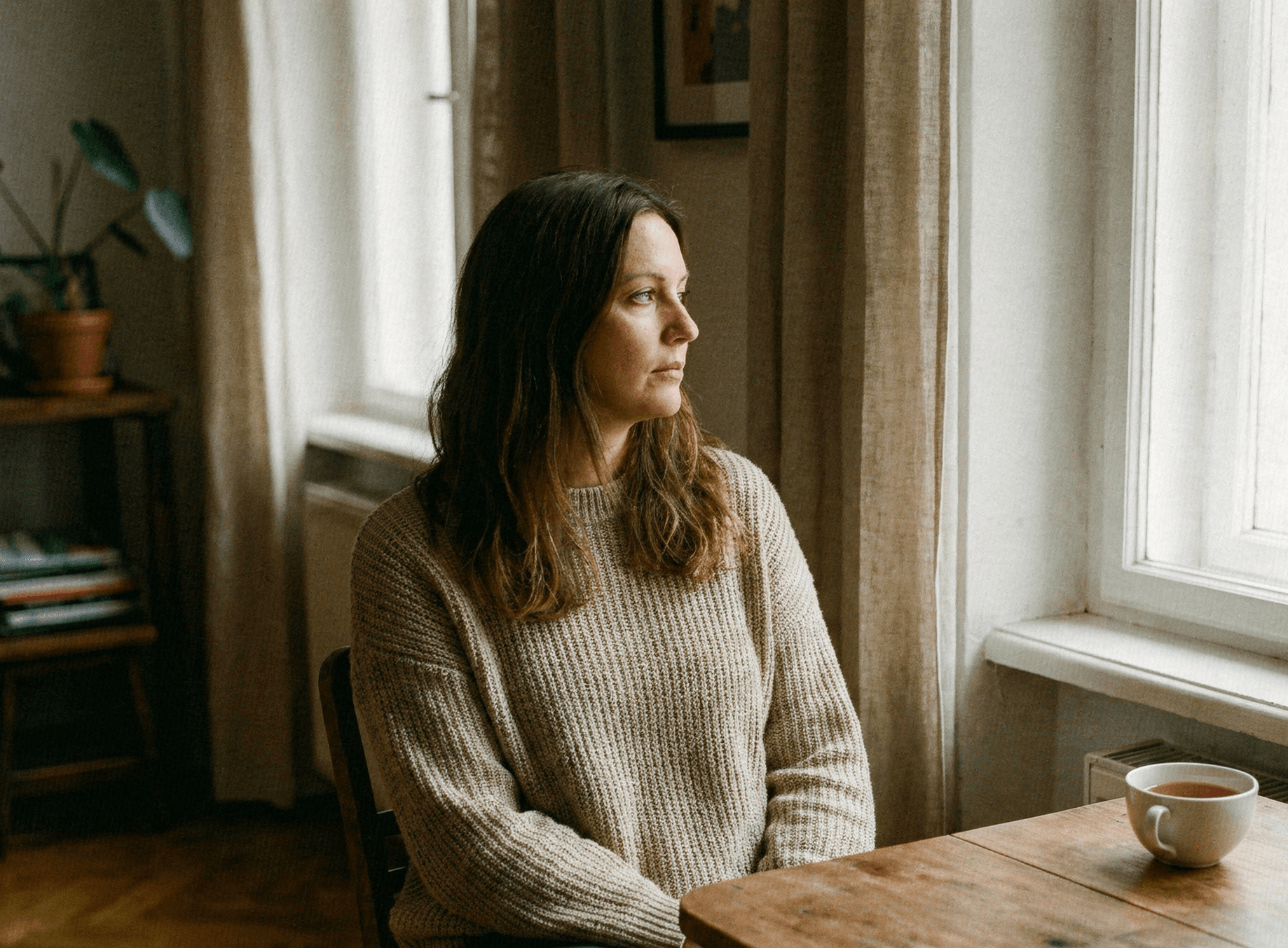
Being single for a long time changes you — and not always in the ways the cultural narrative suggests. The dominant story around extended singlehood tends toward deficit: something is missing, something needs fixing, someone has not yet found what they are looking for. But beneath that narrative is a more interesting and more honest psychological story. Extended periods of being single reshape a person's romantic identity in ways that are both challenging and genuinely formative. Understanding that process — rather than simply enduring it — makes a significant difference to what someone takes away from the experience.
How the Romantic Self-Concept Shifts When You're Single for Long
Everyone carries an internal sense of themselves as a romantic person. This includes a set of beliefs, assumptions, and expectations about how they show up in intimate relationships. This romantic identity is built and reinforced through experience. Relationships reflect certain qualities back. Partners respond in particular ways. In the opinion of most psychologists, these dynamics confirm or challenge how you see yourself.
When you're single for an extended period, that feedback loop stops. The romantic self-concept no longer receives external reinforcement or challenge. It becomes theoretical. A set of beliefs about who you are in relationships that cannot be tested or updated — because you are not in one.
This shift is significant. Some people find that being single for a long time produces a gradual but meaningful erosion of romantic self-confidence. Without regular experience of being desired, chosen, and known by a partner, the internal sense of oneself as someone worth loving can quietly weaken. It does not announce itself as loss. It simply becomes harder to imagine occupying romantic space with ease.
Others experience the opposite. Freed from the identity-shaping influence of a relationship, they develop a clearer, more autonomous sense of themselves. They learn what they actually think — not filtered through a partner's opinions or needs. They start to understand their own values, preferences, and patterns with an accuracy that relationship dynamics sometimes obscure.
The Narrative Problem: Still Single and What That Story Does
One of the more damaging effects of extended singlehood on romantic identity is the narrative that forms around it. People who find themselves still single beyond some culturally expected point often begin to construct explanatory stories about why. These stories become part of the identity itself.
Some narratives are protective: "I don't settle," "I'm focused on other things," "I haven't met the right person yet." These preserve self-esteem while keeping the romantic self-concept intact. Other narratives are more corrosive: "I'm too difficult," "I push people away," "Relationships just don't work for me." These get woven into the fabric of how someone understands themselves — and they shape behavior in ways that can make their own predictions come true.
The work of being single for a significant period, if it is done consciously, involves examining these narratives rather than simply inhabiting them. Which stories are accurate reflections of genuine patterns? Which are defenses that have overstayed their usefulness? Which have become self-limiting beliefs disguised as self-awareness?
What Being Single Builds That Relationships Sometimes Don't
Extended periods of being single are not only about absence. They produce real capacities that relationships, particularly those entered too quickly or maintained too long past their usefulness, sometimes prevent.
Self-sufficiency is the most obvious. People who spend significant time alone tend to develop a functional independence that is genuinely valuable. They learn to meet their own needs — emotional, practical, social — without the infrastructure of a partnership. They try things alone that most people only do as a couple. They build a life that is actually theirs, shaped by their own priorities rather than by ongoing negotiation.
This self-sufficiency, when healthy, makes a person a better partner when a relationship eventually develops. They bring a full life to the connection rather than asking the relationship to fill an empty one. They know the difference between wanting a partner and needing one — and appreciating that distinction is one of the more important pieces of emotional maturity that extended singlehood can deliver.
Being single for extended periods also builds a specific kind of social intelligence. Without a partner to default to, single people tend to invest more deliberately in friendships, community, and extended networks. These relationships develop depth that couple-focused social lives sometimes sacrifice. The social skills and emotional resources built through years of non-romantic intimacy are real and transferable.
The Risk: How Extended Singlehood Can Calcify
There is a risk worth naming honestly. Extended periods of being single don't only build independence and self-knowledge. They can also build habits that make genuine partnership harder — not because something is wrong with the person, but because the habits of solitary life are real and require genuine adjustment when another person enters them.
People who have lived alone for a long time develop significant investment in their own routines, rhythms, and decision-making autonomy. This is natural and in many ways healthy. But it can also produce a certain rigidity — a resistance to the negotiation, compromise, and accommodation that in a relationship necessarily follow sharing a life with another person.
The romantic identity of someone who has been single for a long time can also become overly defined by singlehood itself. "Being someone who is single" becomes a settled identity rather than a temporary condition. When this happens, the prospect of a relationship can feel threatening rather than appealing — not because the person doesn't want love, but because the self-concept has quietly reorganized around its absence.
Recognizing this calcification — when it is happening — is important. It is not an argument against the value of extended singlehood. It is an acknowledgment that any settled identity requires some loosening when circumstances change.
Finding Your Way Back to Romantic Confidence
Returning to active dating after significant time being single requires specific attention to the romantic self-concept that the period has shaped. Some of the beliefs formed during singlehood will be accurate and useful. Others will need reexamination.
The most important work is distinguishing between self-knowledge and self-limiting belief. Knowing that you need significant alone time in a relationship is self-knowledge. Believing that you are fundamentally incompatible with partnership is, in most cases, a story — one that can be gently challenged by trying again, carefully, with realistic expectations.
Romantic confidence, when it has eroded, does not return through certainty. It returns through small acts of willingness: accepting an invitation, trying a new social context, allowing someone to see you in the early stages of knowing you. These acts don't guarantee outcomes. But they rebuild the experiential foundation that romantic identity requires to feel solid.
Conclusion
Extended periods of being single shape romantic identity in real and lasting ways. They build self-knowledge, independence, and social depth. They also carry risks of narrative calcification and eroded romantic confidence that deserve honest attention.
The most productive frame is neither the cultural one — that being single is a problem to solve — nor its overcorrection — that being single is an achievement to protect. It is simply a significant period of life, with its own specific gifts and its own specific costs. Understanding both, clearly and without judgment, is what allows the next chapter to start from an honest place.