
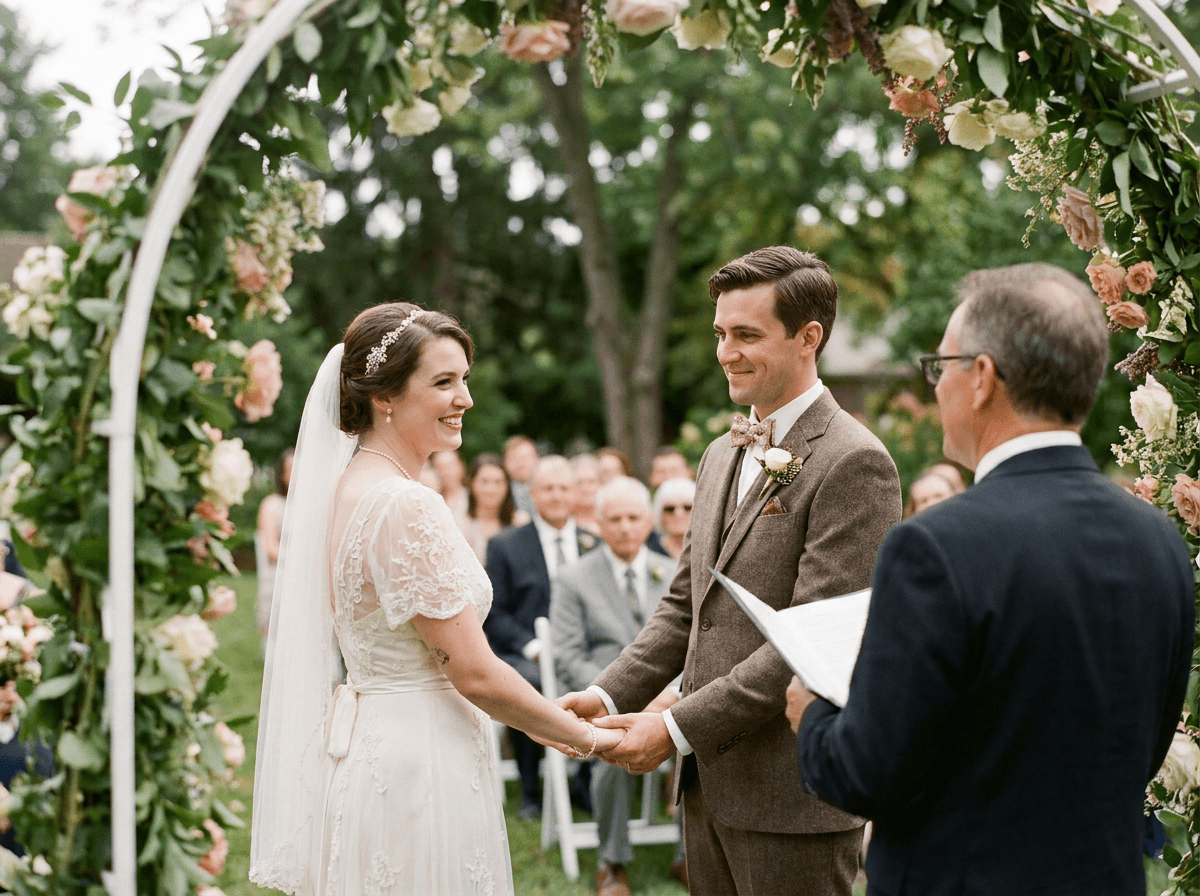
Deciding whether you're ready for marriage rarely feels as clear-cut as movies and fairy tales suggest. Some people feel certain almost immediately, while others spend years wondering whether that readiness will ever fully arrive. Being ready for marriage involves more than simply loving your partner; it requires specific kinds of emotional, financial, and personal maturity that develop at different paces for different people. This article breaks down the clearest signs that indicate real readiness for marriage, along with signs suggesting more time might be needed before making that commitment.
You Can Handle Conflict Without It Threatening the Relationship
One of the clearest signs of being ready for marriage is the ability to navigate disagreement without fearing it will end the relationship. Couples ready for marriage have typically weathered real conflict together, learning how to communicate through frustration rather than avoiding difficult conversations entirely.
This means arguments happen occasionally, but they resolve with mutual understanding rather than lingering resentment. If disagreements consistently spiral into threats to leave, or if conflict gets avoided entirely out of fear it might end things, that pattern suggests more groundwork is needed before marriage becomes the right next step.
Readiness for marriage also shows up in how partners repair after conflict. Couples who apologize genuinely, adjust behavior based on what they learn, and return to connection after an argument demonstrate the kind of resilience marriage requires long-term. This skill matters more than never fighting at all, since every long relationship inevitably faces friction eventually.
Watching how your partner handles stress outside the relationship offers useful information too. Someone who manages external pressure without taking it out unfairly on you shows the emotional regulation that a lasting marriage depends on. If conflict consistently feels destabilizing rather than manageable, that's worth examining honestly before deciding you're ready to marry.
Read also: Signs She Wants to Be Exclusive: Clear Signals She’s Ready for More
You Share Core Values, Not Just Chemistry
Chemistry might spark a relationship, but shared values sustain a marriage over decades. Being ready for marriage generally involves having explicit conversations about major life decisions, like whether to have children, where to live long-term, and how to handle finances as a couple.
Couples ready for marriage have usually discussed these topics honestly, rather than assuming compatibility without confirming it directly. Discovering a fundamental disagreement about children or career priorities after marriage creates far more difficulty than addressing it beforehand, even though those conversations can feel uncomfortable in the moment.
Religious or spiritual alignment, or at least a clear understanding of how differences will get navigated, also matters significantly for long-term compatibility. Couples who haven't discussed how they'll handle these differences, assuming things will simply work out, often face harder conversations after marriage rather than before it.
It's worth noting that shared values don't require identical opinions on everything. Being ready for marriage doesn't mean total agreement; it means understanding where genuine differences exist and feeling confident those differences won't undermine the relationship's foundation. Couples who've done this work tend to enter marriage with realistic expectations rather than assumptions that later create friction.
Read also: 8 Signs Your Relationship Is Ready for the Next Step
You Feel Financially and Personally Stable
Financial readiness plays a significant role in determining whether someone is ready for marriage, even though it rarely gets discussed as openly as emotional readiness. This doesn't mean both partners need substantial savings or identical income levels, but it does mean having honest conversations about debt, spending habits, and financial goals.
Couples ready for marriage typically feel comfortable discussing money without excessive anxiety or avoidance. If financial conversations consistently trigger conflict or get avoided altogether, that pattern often signals a need for more groundwork before merging finances through marriage.
Personal stability matters just as much. Being ready for marriage generally means having a reasonably clear sense of your own identity, values, and goals independent of the relationship. Someone still figuring out fundamental questions about their own life direction might benefit from more individual clarity before adding the complexity of marriage into the mix.
This doesn't mean life needs to be perfectly settled before marriage becomes appropriate. It means having enough personal grounding that marriage feels like building a shared life with someone, rather than searching for someone else to provide direction or stability you haven't yet found within yourself.
Read also: Sexless Marriage - Causes, Signs, and When to Walk Away
Signs You Might Not Be Ready Yet
Some patterns suggest more time is needed before marriage makes sense. Persistent doubts about your partner's character, rather than simple nervousness about commitment, deserve serious attention rather than dismissal. Nervousness before a big decision is normal; genuine doubt about compatibility or trust is different.
Feeling pressured into marriage, whether by family expectations, a partner's timeline, or comparison to peers, often signals that readiness isn't fully genuine yet. Marriage decisions made primarily to satisfy external pressure rather than personal conviction tend to create problems that surface later.
Unresolved individual issues, like unprocessed grief, untreated mental health concerns, or significant unaddressed trauma, can also indicate that more personal work deserves attention before adding marriage's demands into the equation. This isn't a permanent barrier, but timing matters for setting a marriage up successfully.
How to Know for Sure
Ultimately, readiness for marriage develops through honest self-reflection and direct conversation with a partner, rather than through external checklists alone. Couples who feel confident discussing difficult topics, who've weathered real conflict together, and who share genuine alignment on core values tend to enter marriage with a stronger foundation.
A useful exercise involves imagining specific future scenarios together, like a job loss, a health scare, or a disagreement over raising children, and noticing whether that conversation feels grounded or unsettling. Couples who can sit with those harder hypotheticals, rather than avoiding them, often find real clarity about where they actually stand. Talking to a couples counselor before marriage, even without any specific conflict driving the visit, can also surface blind spots that are harder to see from inside the relationship. In the end, no single sign guarantees certainty, but the combination of steady communication, shared values, and personal stability tends to offer the clearest answer available.
Conclusion
Recognizing genuine signs of readiness for marriage requires looking beyond how deeply you love your partner and examining practical, emotional, and financial compatibility as well. Being ready for marriage means handling conflict constructively, sharing real alignment on core values, and feeling personally and financially stable enough to build a life together. Whether that readiness has fully arrived or still needs more time to develop, paying attention to these signs offers a much clearer picture than simply hoping the timing will feel right on its own.
These articles are for information only. They are not a substitute for consulting a psychologist, psychotherapist or other qualified specialist.