Burnout rarely announces itself with a single dramatic moment. It builds slowly, through months of exhaustion, until a person barely recognizes themselves inside their own relationship. Whether burnout stems from a demanding job, exhausting caregiving responsibilities, or overwhelming personal circumstances, its effects rarely stay confined to the area that caused it. Burnout has a way of seeping into romantic relationships, eroding intimacy and connection long before either partner fully understands what's happening. This article looks at how burnout damages relationships quietly, the signs of burnout couples often miss, and what genuinely helps before real damage sets in.
How Burnout Develops and Why It's So Easy to Miss
Burnout develops gradually, through sustained stress that outpaces a person's ability to recover. Unlike acute stress, which resolves once a specific challenge passes, burnout involves chronic emotional exhaustion that accumulates over weeks or months, often without a single identifiable trigger.
Perfectionism frequently fuels this pattern. People who feel they must excel constantly, whether in a demanding career or in personal caregiving roles, often push through early exhaustion rather than acknowledging it. This makes burnout easy to miss until it reaches a point of genuine collapse, since the early signs of burnout look a lot like ordinary tiredness that everyone assumes will pass with a good weekend.
Professional burnout often involves specific triggers, like unmanageable workloads, lack of control, or insufficient recognition for effort. Personal burnout, meanwhile, might stem from caregiving responsibilities, financial strain, or an accumulation of unaddressed personal issues that never get real attention or resolution.
Both forms of burnout share a common trajectory: initial enthusiasm gradually gives way to feeling depleted, then to cynicism or detachment, and finally to a sense of ineffectiveness that touches every area of life. Research consistently shows that this progression rarely stays contained within the original source; it spreads into personal relationships, home life, and emotional availability toward a partner, often before the person experiencing burnout even recognizes the connection.
Read also: What Happens When the Partner Who Carries Emotional Labor Stops
How Burnout Shows Up Inside a Relationship
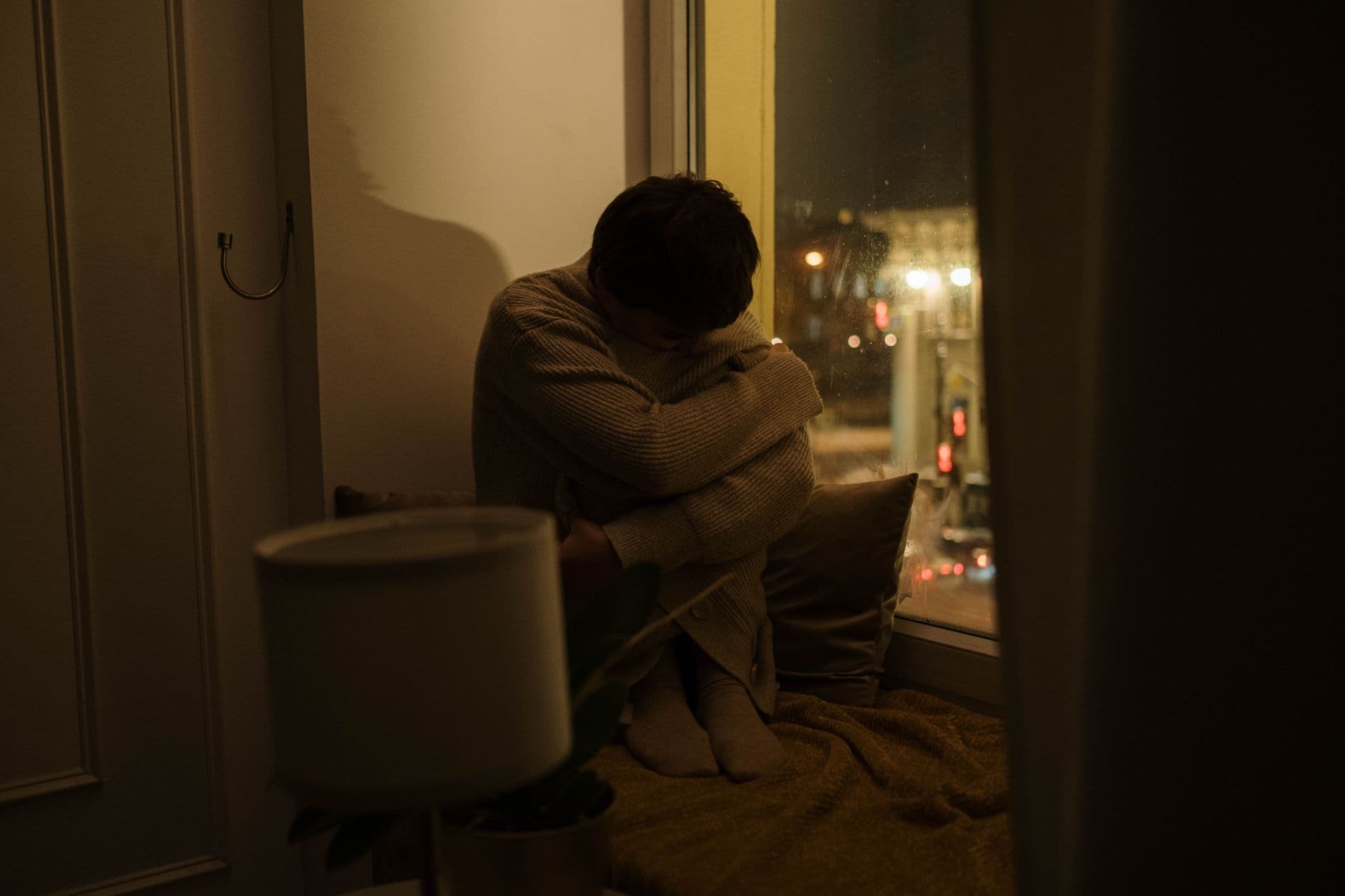
One of the clearest signs of burnout inside a relationship is reduced emotional availability. A partner experiencing burnout often has little energy left for meaningful conversation, physical intimacy, or emotional support, not because they've stopped caring, but because burnout leaves them genuinely depleted.
Irritability increases too. Someone dealing with burnout often has a shorter fuse, snapping over minor issues that wouldn't normally bother them. This isn't really about the relationship itself; it's burnout spilling over into an area where a person feels safer expressing frustration than they might at work.
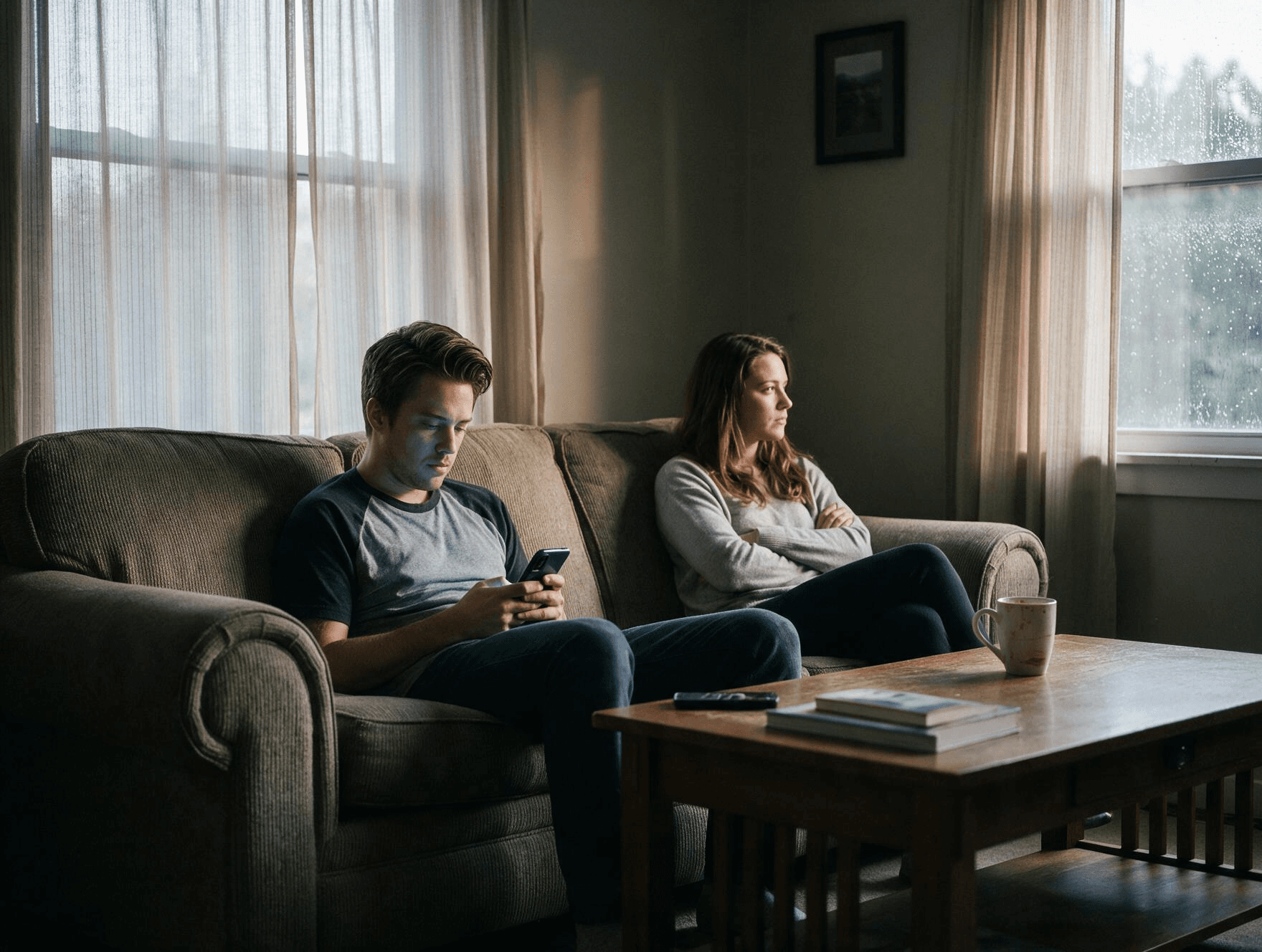
Withdrawal is another common sign. A partner overwhelmed by burnout might pull back from shared activities, conversation, or affection, feeling too exhausted to engage the way they once did. This withdrawal often gets misread by the other partner as disinterest or waning love, when it usually reflects a person running on empty rather than genuine relational distance.
Cynicism, a hallmark of burnout in professional settings, sometimes bleeds into how a person views their relationship too. Someone burned out at work might start feeling hopeless or detached generally, a mindset that colors how they interpret their partner's actions, even when nothing about the relationship itself has actually changed.
Read also: How Stress and Burnout Quietly Kill Libido in Relationships
The Toll Burnout Takes on Both Partners
Burnout doesn't just affect the person experiencing it directly; it places real strain on their partner as well. The non-burned-out partner often ends up compensating, picking up additional household responsibilities, managing more emotional labor, or simply tolerating reduced connection for an extended period.
This compensating pattern, sustained too long, can lead to resentment or exhaustion in the supporting partner as well, sometimes creating a secondary form of burnout within the relationship itself. Both partners can end up feeling isolated, even while living in the same home, since burnout tends to interrupt the everyday rituals of connection that relationships depend on.
Communication often deteriorates during this period too. A burned-out partner may lack the emotional bandwidth for difficult conversations, while the other partner may feel reluctant to add pressure by raising concerns, worried about overwhelming someone who already seems maxed out. This mutual avoidance can allow issues to fester quietly, creating distance that neither partner directly addresses.
Recognizing the Signs Before Damage Compounds
Catching burnout early, before it fully erodes a relationship, requires both partners paying attention to specific patterns. A noticeable, sustained drop in enthusiasm for shared activities, consistent irritability unrelated to relationship issues, or a partner expressing feeling perpetually overwhelmed all warrant direct conversation rather than passive tolerance.
Read also: How Millennial Burnout Reshaped Romantic Expectations
It also helps to distinguish burnout from an actual relationship problem. Burnout typically improves with rest, support, and reduced external stress, while genuine relationship issues tend to persist regardless of how rested or supported someone feels. Making this distinction prevents partners from either misdiagnosing burnout as relationship failure or ignoring real relationship problems by blaming everything on burnout.
Preventing Burnout From Damaging a Relationship Further
Preventing burnout from causing lasting relationship damage starts with open communication about capacity and needs. A partner experiencing burnout benefits from naming it directly, rather than letting a partner guess why they've become distant or irritable.
Rebuilding work life balance matters significantly here too. This might mean setting firmer boundaries at work, learning to delegate more effectively, or asking for help with responsibilities that have quietly become unsustainable. Partners can support each other through this process, temporarily rebalancing household or emotional labor while one person recovers.
Maintaining outside support systems also protects a relationship during burnout. Friends, family, or a therapist can absorb some of the emotional weight that might otherwise fall entirely on a romantic partner, reducing pressure on the relationship itself during an already vulnerable period.
Conclusion
Burnout quietly damages romantic relationships by draining the emotional energy, patience, and presence that connection requires. Recognizing the signs of burnout early, distinguishing it from genuine relationship problems, and communicating openly about capacity all help prevent lasting harm. With rest, support, and honest conversation, couples can protect their relationship from burnout's quiet erosion, allowing connection to rebuild once the underlying exhaustion finally eases.
These articles are for information only. They are not a substitute for consulting a psychologist, psychotherapist or other qualified specialist.