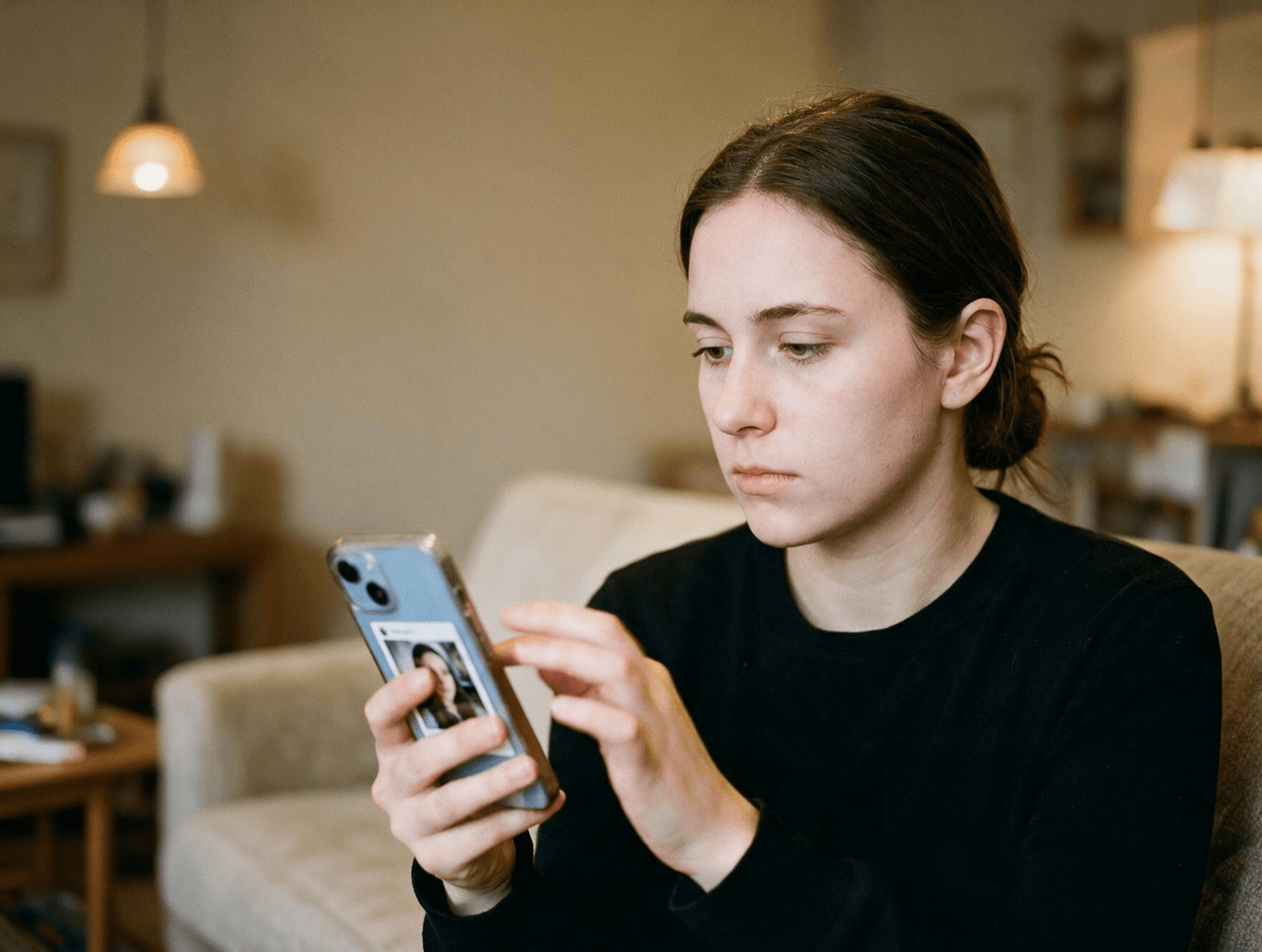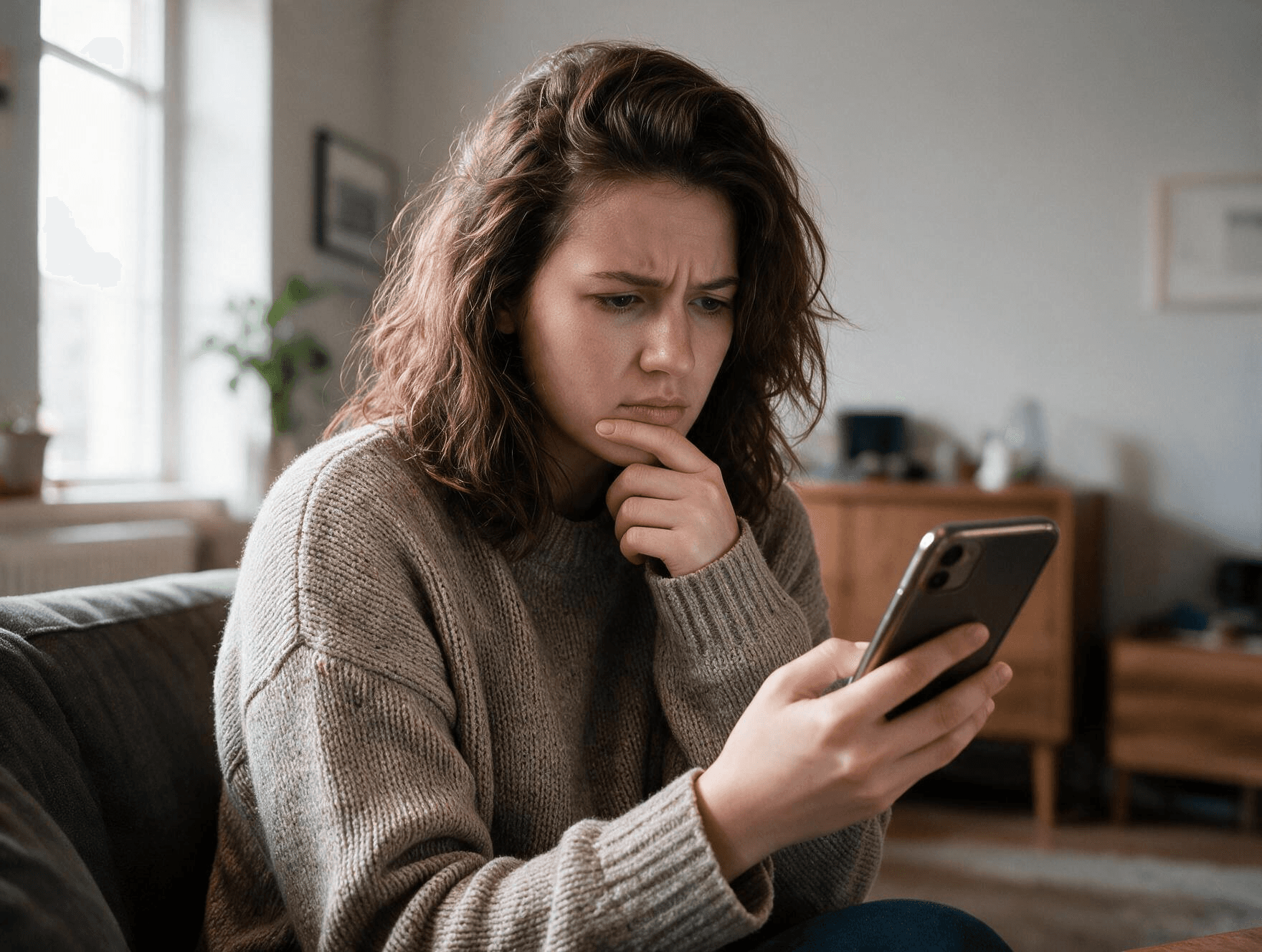
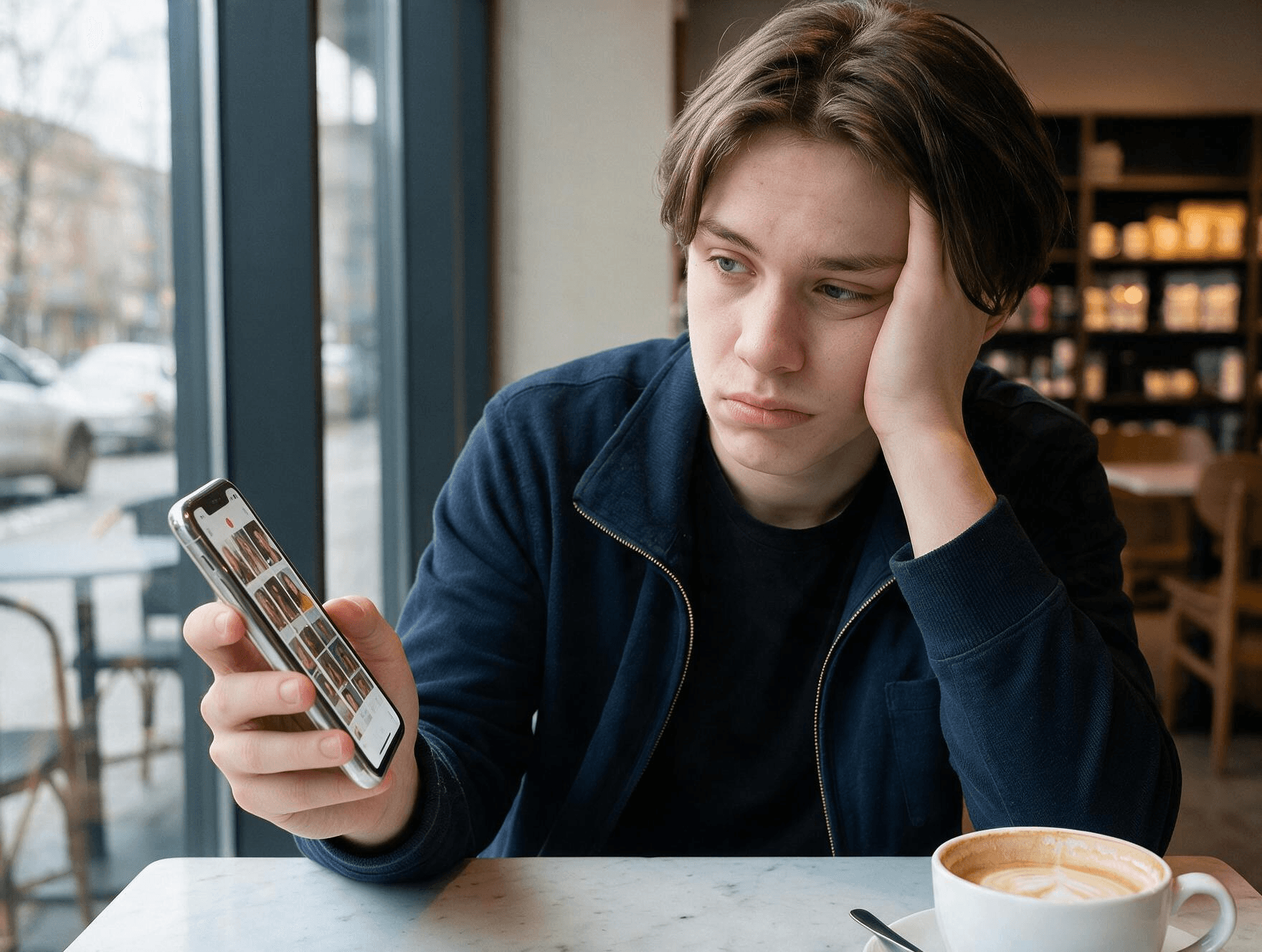
Swipe through any dating app for ten minutes and the sheer number of options can start to feel less like opportunity and more like exhaustion. Choice overload, the sense of being overwhelmed by too many options rather than empowered by them, has become a defining feature of modern dating. What should feel like freedom often produces anxiety instead, as endless profiles blur into a kind of decision fatigue that makes commitment feel harder, not easier. This article looks at whether choice overload has genuinely damaged dating, and what the psychology behind too many choices reveals about why modern romance feels so complicated.
What Choice Overload Actually Means
Choice overload describes a well-documented psychological pattern: beyond a certain point, more options don't improve decision making, they impair it. This concept, often discussed as the paradox of choice, suggests that having too many choices can leave people less satisfied, not more, with whatever they eventually pick.
The paradox of choice emerged from research showing that people faced with overwhelming choices often experience choice paralysis, struggling to commit to any single option because comparing so many alternatives becomes mentally exhausting. Rather than empowering better decision making, too many options frequently produce anxiety and hesitation instead.
Dating apps essentially industrialized this problem. Where dating once involved a limited pool of people encountered through work, school, or social circles, apps introduced access to hundreds or thousands of potential options within a single city. This shift transformed dating from a process with natural limits into one defined by seemingly endless choice.
Read also: The Endless Scroll Effect on Dating Apps: How It Impacts Modern Dating
The psychological effects of this shift go beyond simple overwhelm. Choice overload also changes how people evaluate the options in front of them, making them more critical, more prone to nitpicking minor flaws, and less satisfied with choices that would have seemed perfectly reasonable with fewer alternatives available for comparison.
How Choice Overload Shows Up in Modern Dating
One of the clearest signs of choice overload in dating is the tendency to keep swiping rather than committing to getting to know someone. When endless options remain just a swipe away, investing real time into one connection can feel like closing off other possibilities, producing a persistent sense that a better option might exist just one more swipe away. This mindset treats every choice as provisional rather than committed, making it harder to ever settle into genuine connection with anyone.
Choice overload also shows up as excessive comparison, since so many options visible at once often push daters toward an unrealistic checklist mentality, rejecting potential matches over minor details that wouldn't have mattered with fewer options to compare against. Ghosting has become a related symptom too. When too many options remain available, some daters simply move on without explanation, treating each connection as disposable given how many other choices wait in the wings.
Read also: Generation Z, Choice Overload, and the Dating Dilemma
Decision fatigue builds on top of all this. Daters juggling multiple conversations simultaneously often report feeling mentally drained, since evaluating many options at once requires far more cognitive effort than focusing attention on a single, promising connection.
Is Choice Overload Really to Blame, or Is It More Complicated?
While choice overload clearly plays a role in dating frustration, it isn't the only factor at work. Some researchers argue that dating apps simply reveal preferences and behaviors that existed before technology made choice this visible, rather than creating entirely new problems from nothing.
It's also worth noting that having more options isn't inherently bad. Access to more potential partners can help people find better matches than a limited local pool ever could, particularly for those with specific preferences or circumstances that make traditional dating more difficult.
Read also: How Dating Apps Changed the Psychology of Choice
The real issue may lie less in the number of options available and more in how those options get presented and processed. Endless scrolling encourages superficial evaluation, while a shorter, more curated list of matches might allow for more thoughtful decision making without eliminating choice altogether.
Individual differences matter too. Some people naturally handle overwhelming choices better than others, showing less anxiety and better decision making even when faced with the same number of dating app options as someone who struggles significantly with that same abundance.
How to Navigate Dating Without Getting Overwhelmed
Reducing exposure to constant new options can meaningfully ease choice overload. Limiting how many conversations happen simultaneously, rather than juggling numerous matches at once, allows more genuine attention and reduces the mental fatigue that comes from evaluating too many people at the same time.
Setting personal criteria in advance also helps counter the anxiety that too many choices can produce. Deciding beforehand what genuinely matters, rather than endlessly comparing every available option against constantly shifting preferences, makes decision making considerably more manageable.
Taking breaks from dating apps periodically gives the mind time to reset from constant comparison. Stepping away from an environment built around endless choice, even temporarily, often restores a clearer sense of what actually matters in a potential partner.
Conclusion
Choice overload hasn't single-handedly ruined dating, but it has undeniably reshaped how modern romance feels, often replacing excitement with exhaustion and confidence with anxiety. Too many options can genuinely impair decision making, making commitment feel harder even when a promising connection sits right in front of someone. Recognizing choice overload for what it is, rather than assuming endless options automatically improve dating outcomes, offers a path toward navigating modern dating with more clarity and considerably less overwhelm.
These articles are for information only. They are not a substitute for consulting a psychologist, psychotherapist or other qualified specialist.