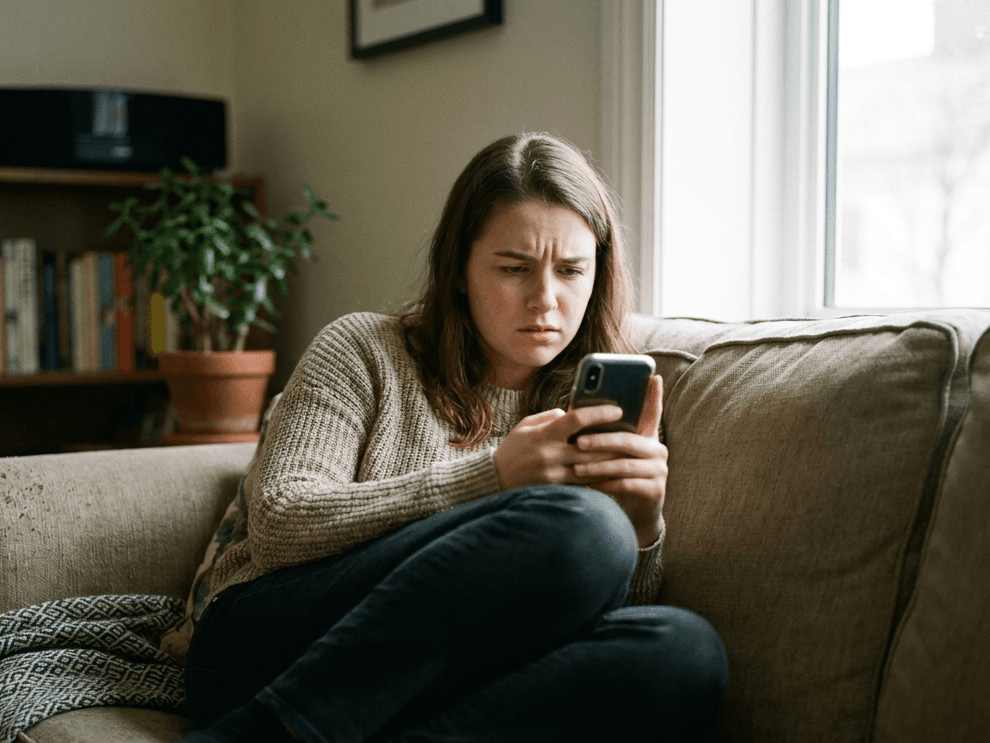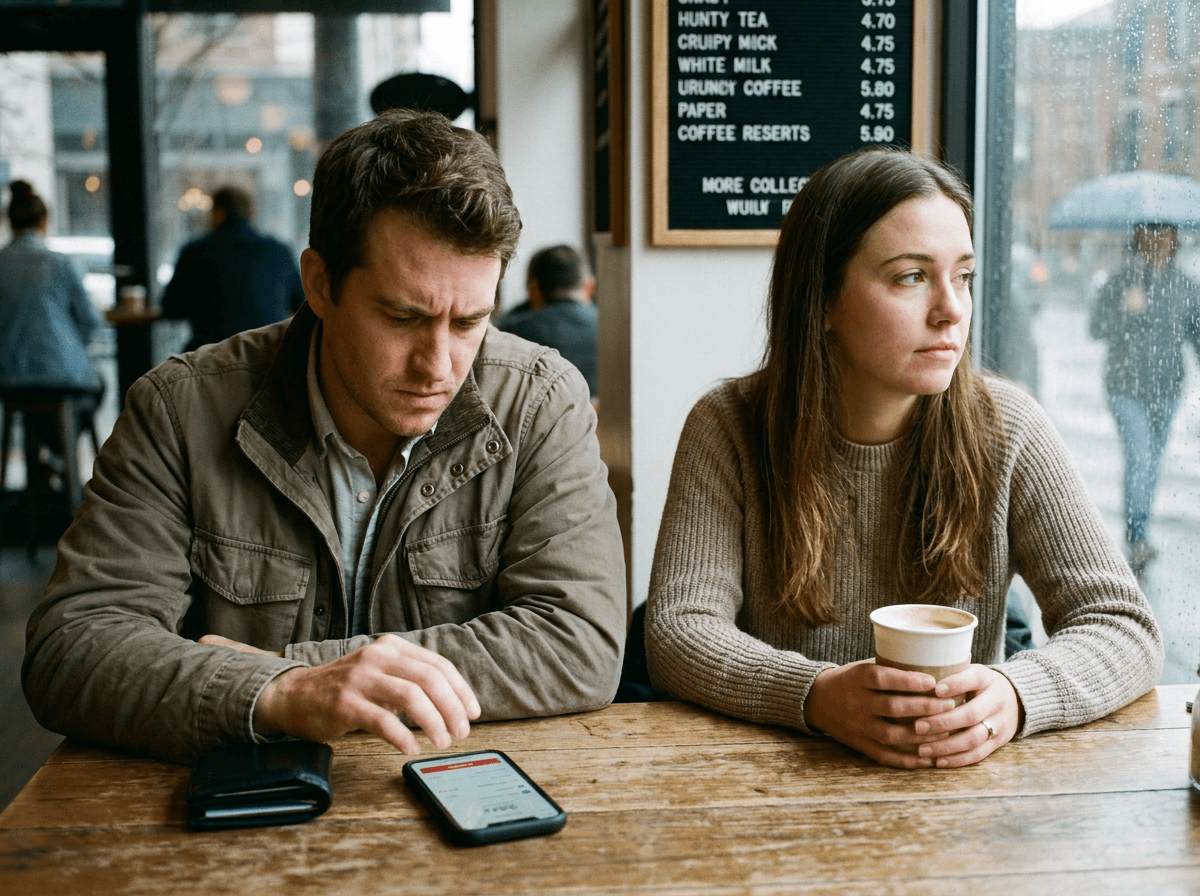
Modern dating has a money problem that almost nobody talks about openly. Not the practical question of who pays for dinner — though that surfaces often enough. The deeper issue is financial anxiety. The quiet stress of not knowing whether you can afford to date at all. The pressure of appearing financially stable before you feel it. The fear that money worries will disqualify you before someone gets the chance to know you. This anxiety shapes behavior and self-presentation in ways rarely named directly but felt almost universally.
Why Financial Anxiety in Modern Dating Goes Unnamed
Financial stress carries stigma. In a culture that links money with worth, admitting that dating feels financially out of reach triggers shame before it triggers sympathy. So people carry the anxiety privately. They spend beyond their comfort zone to maintain appearances. They decline invitations they cannot afford without giving the real reason. They perform a financial stability they do not currently possess.
Modern dating amplifies this pressure in specific ways. Dating apps have industrialized romantic encounter. Every match is a potential expense. A coffee, a cocktail, a dinner — multiplied across multiple connections over several weeks — adds up fast. That sum sits uncomfortably against the financial reality of many people's lives. The cost of dating rarely enters the conversation alongside its emotional demands. But for a significant portion of people in the modern dating landscape, money is the silent variable shaping every decision.
The reluctance to name financial anxiety in dating is also generational. Older scripts around dating — who pays, what financial readiness signals about eligibility — still operate beneath the surface. Younger adults navigate high rents, stagnant wages, and student debt. They find themselves caught between real financial constraints and expectations formed in a different economic era.
The Hidden Cost of Modern Dating
The financial pressure of modern dating is more concrete than most people acknowledge. Dating app subscriptions, premium features, grooming, transport, new outfits, and the dates themselves all represent real spending. Research in several markets suggests that single people in major cities spend significant portions of their disposable income on dating-related expenses each year.
This spending is rarely tracked or budgeted. It accumulates invisibly — justified date by date as a reasonable individual expense. Eventually it becomes a source of financial stress that bleeds into the emotional experience of dating. Someone who feels financially stretched rarely shows up to a date feeling relaxed and present. The money anxiety is in the room, even when neither person acknowledges it.
Financial anxiety also distorts early relationship dynamics. The pressure to appear financially capable leads many people to spend money they do not have. They suggest nice venues, pick up tabs, and project a lifestyle that signals stability. The irony is that the financial stress this performance creates often undermines the very confidence they are trying to project.
How Money Worries Shape Dating Behavior
Financial anxiety does not only affect spending decisions. It shapes the entire behavioral landscape of modern dating.
It affects who people agree to date. Someone with serious money worries may avoid people they perceive as financially out of their league. Not because of incompatibility — but because the anticipated spending pressure feels unmanageable. This narrows the dating pool in ways that have nothing to do with genuine fit.
It affects how people communicate. The financial dimension of dating — who pays, how expensive venues should be, what spending expectations exist — is one of the least discussed subjects in early dating. That silence creates misalignment. Two people can develop genuine connection while carrying entirely different assumptions about what dating is supposed to cost. Those assumptions eventually collide.
It affects self-esteem. Financial stress has a documented relationship with reduced self-worth. In a dating context, where first impressions matter and comparison is unavoidable, money worries can produce a chronic low-level feeling of inadequacy. That inadequacy has nothing to do with someone's actual qualities as a partner. They may pull back from connections, avoid pursuing people they like, or read normal ambiguity through a lens of financial shame.
The Pressure to Appear Financially Stable Before You Are
One of the most damaging dimensions of financial anxiety in modern dating is the pressure to perform stability before you have achieved it. This performance is expected. It is rarely challenged.
Social media has intensified this dynamic considerably. Lifestyle signals circulate constantly on dating profiles — travel, restaurants, fitness, living spaces. They create a visual standard of financial comfort that many people feel compelled to match. The gap between the projected image and the financial reality produces a specific kind of exhaustion. It is isolating in ways that compound the money stress itself.
This pressure falls unevenly. People in their twenties and early thirties are statistically the most active dating demographic. They are also navigating some of their most financially precarious years. Entry-level salaries, housing costs, and debt repayment create real financial constraints. These constraints sit precisely at the stage of life when dating culture expects the most visible financial investment.
The result is a widespread but largely unspoken inauthenticity. People project financial ease they do not feel. Partners develop expectations based on performances that are not sustainable. When the reality eventually surfaces — as it always does in any deepening relationship — the gap between projection and reality creates a trust problem. The financial anxiety never needed to produce that outcome. Honesty earlier would have prevented it.
What Honest Conversations About Money in Dating Actually Look Like
The remedy for financial anxiety in modern dating is not a universal script. It is a gradual normalization of honest conversation. Money does not need to become a first-date topic. But the financial dimension of dating deserves acknowledgment somewhere in the early stages of connection.
Practical honesty sounds like suggesting a lower-cost venue without apologizing for it. Like saying you would rather cook dinner than go out because it is more relaxed — which is true, and also more affordable. Like being direct, when the moment is right, about managing a tight financial period. None of these disclosures require vulnerability beyond the stage of the relationship. All of them reduce the stress of performing something unsustainable.
Partners who respond badly to these signals provide useful information. Financial judgment early in dating reflects values that will not improve over time. Assuming that spending less signals worth less is a red flag. The right person will meet honesty with understanding. That response — or its absence — is data worth having early.
Conclusion
Financial anxiety in modern dating is not a personal failure. It is a structural feature of dating in an era of economic pressure and lifestyle performance. Naming it — to yourself first, and carefully to partners — changes how it operates. It removes the shame that keeps it invisible and the performance that makes it worse.
Modern dating asks a great deal emotionally. The financial demands on top of those deserve acknowledgment too. The person worth building something with will not require you to sustain a performance of financial stability at the cost of your actual stability. That clarity, arrived at early, is worth more than any impressive first date.