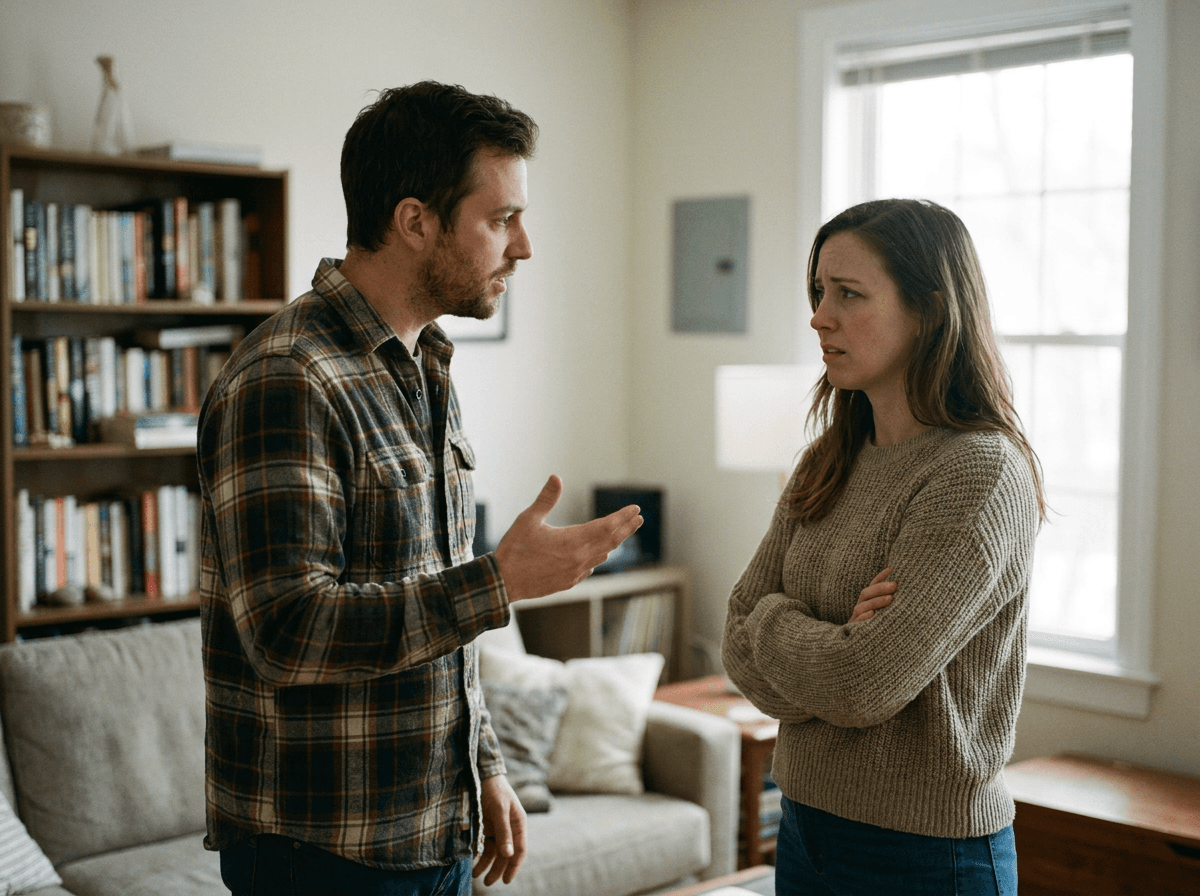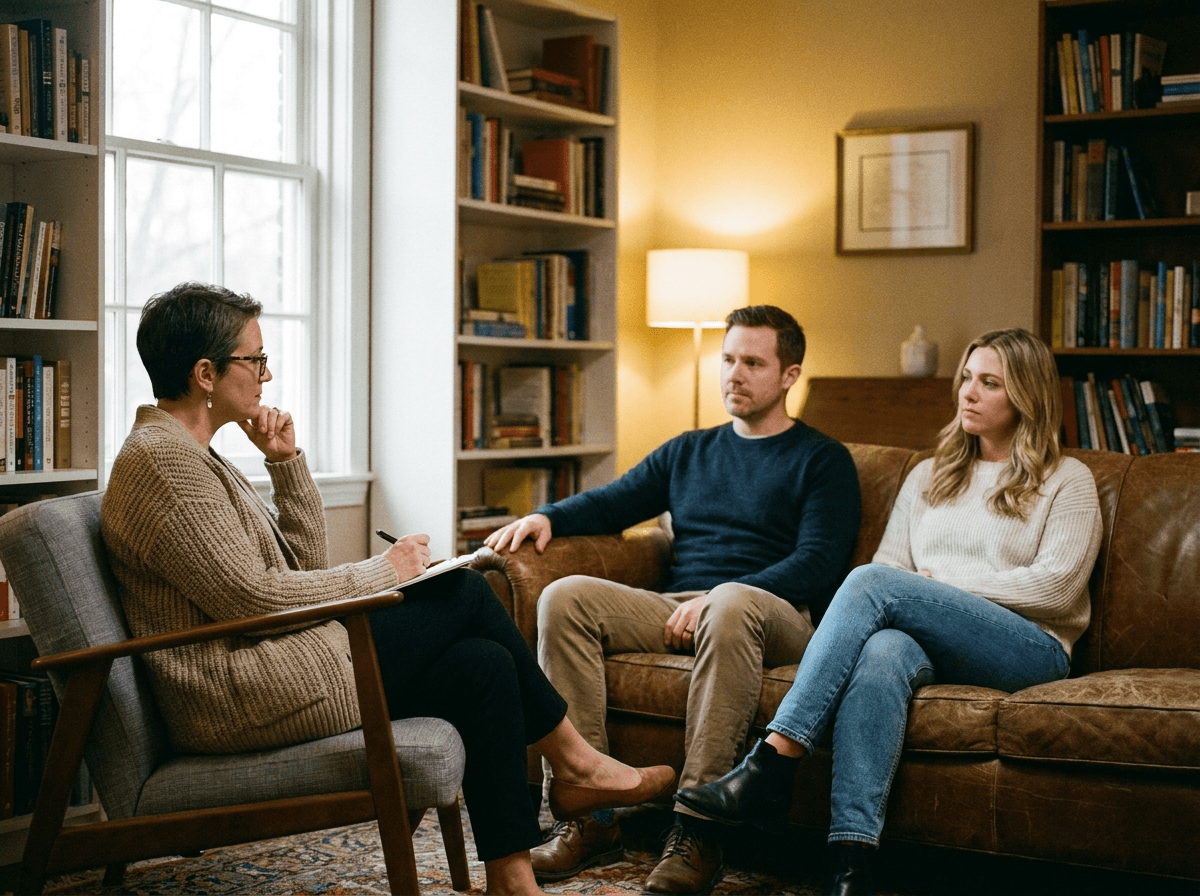
Many couples arrive at their first couples therapy session with a complicated mixture of hope and anxiety. The hope is that something useful will happen. That a trained person will help them understand what has gone wrong and how to fix it. The anxiety often concerns the session itself. What will be asked, whether things will escalate, whether admitting they need therapy means the relationship is already beyond repair. Most of what couples expect about their first couples therapy session turns out to be inaccurate. Understanding what actually happens — and why the first session is structured the way it is — makes the experience significantly less daunting.
What the First Session Is Actually For
The first couples therapy session is not a problem-solving session. It is an information-gathering and relationship-building session. Understanding this from the outset changes how both partners are likely to experience it.
The therapist's primary task in the first session is not to diagnose the couple's problems or to provide solutions. It is to understand who both people are, what has brought them to therapy at this particular time. And what each person hopes to get from the process. This requires the therapist to build enough trust with both partners that genuine information can be shared. Which takes time that cannot be rushed.
Most experienced couples therapists spend the first session primarily listening. They ask open questions rather than probing ones. They observe not just what both people say but how they say it. The emotional tone, the body language, the ways each partner responds when the other speaks. This observational work is genuinely therapeutic. Even though it does not feel like therapy in the conventional sense. By the end of the first session, a skilled therapist has formed a picture of the relationship's strengths, its central dynamics, and the work that lies ahead.
This orientation — toward understanding before intervening — tends to frustrate couples who arrive at their first couples therapy session expecting immediate guidance. But it is the foundation on which everything else is built.
What to Expect in the First Session
A first couples therapy session typically has a recognizable structure, though therapists vary in their approach and some of the specifics will differ.
Most sessions begin with the therapist introducing themselves and explaining how they work. This introduction typically includes a brief description of their approach to couples therapy, the practical arrangements (session length, frequency, confidentiality), and an invitation for both partners to share why they have come.
What follows is a period in which each partner has an opportunity to describe the situation from their perspective. The therapist usually manages this carefully. Ensuring both people get space to speak and that the session does not become a debate or an argument. The first session is not the time for each partner to make their case. It is the time for the therapist to understand what each person experiences and needs.
Many therapists also spend time in the first session asking about each partner's individual history. Not just the relationship's history, but each person's background, significant relationships, and formative experiences. This information helps the therapist understand the specific ways each person has learned to attach, communicate, and respond to conflict. It also helps them understand the relationship not just as a problem to be solved but as a meeting of two specific people with specific histories.
By the end of the first session, the therapist typically offers an initial reflection on what they have heard. And some indication of how they see the work proceeding. This is not a diagnosis. It is a first orientation — an invitation to both partners to consider whether the therapist's frame feels accurate and whether this is the right fit for the new relationship between them.
What Couples Often Fear About the First Session
Several fears are very common among couples approaching their first couples therapy session — and most of them are unfounded.
The fear that therapy will make things worse is one of the most common. Couples sometimes worry that the first session will open wounds that cannot be closed again. In practice, a well-conducted first therapy session is careful. Because the therapist knows that couples are in a vulnerable position. The goal is not to provoke confrontation but to establish safety. Things that were not being said may come up — but the therapist's role is to manage that process carefully, not to allow it to become destructive.
The fear that the therapist will take sides is another. Most couples therapists are trained specifically to maintain a balanced position — to understand both partners' perspectives and to ensure that neither person feels that the therapist is aligned against them. If the first session leaves one partner feeling that the therapist has already decided whose fault the problems are, that is a sign the fit may not be right.
The fear that attending therapy means the relationship has failed is perhaps the most deeply held. This framing is worth examining directly. Couples who seek therapy are not couples who have given up. They are couples who have decided that the relationship is worth the specific effort that therapy requires. The first session is not an admission of failure. It is an act of investment.
What to Do Before the First Session
A few practical approaches consistently help couples get the most from their first couples therapy session.
Arrive with some clarity about what you hope to get from therapy. Not a diagnosis of what is wrong, but a sense of what a better version of the relationship would feel like. This is not something both people need to agree on before the first session. But having thought about it individually helps both people use the session more effectively.
Resist the impulse to rehearse your case. The first session is not a presentation. Couples who arrive having prepared what they plan to say tend to perform their position. Rather than engage genuinely with the therapist's questions. The therapist is better served by authentic responses than by polished ones.
Go without expectations of resolution. The first couples therapy session is the beginning of a process. Nothing will be fixed in the first hour. But something genuinely important will happen. The therapist will begin to understand the relationship. And both partners will begin to understand what the therapy process involves. That understanding is the real output of the first session.
Conclusion
A first couples therapy session is not an audition for getting help. It is not a test of whether the relationship can be saved. It is the first step of a process that requires time, trust, and the willingness of both partners to be genuinely present.
The couples who benefit most from therapy are not those who arrive with the right answers. They are those who arrive with the genuine willingness to be honest. With the therapist and with each other — about what is actually happening and what they actually need. The first session creates the conditions for that honesty to develop. What it produces is not resolution. What it produces is a beginning.