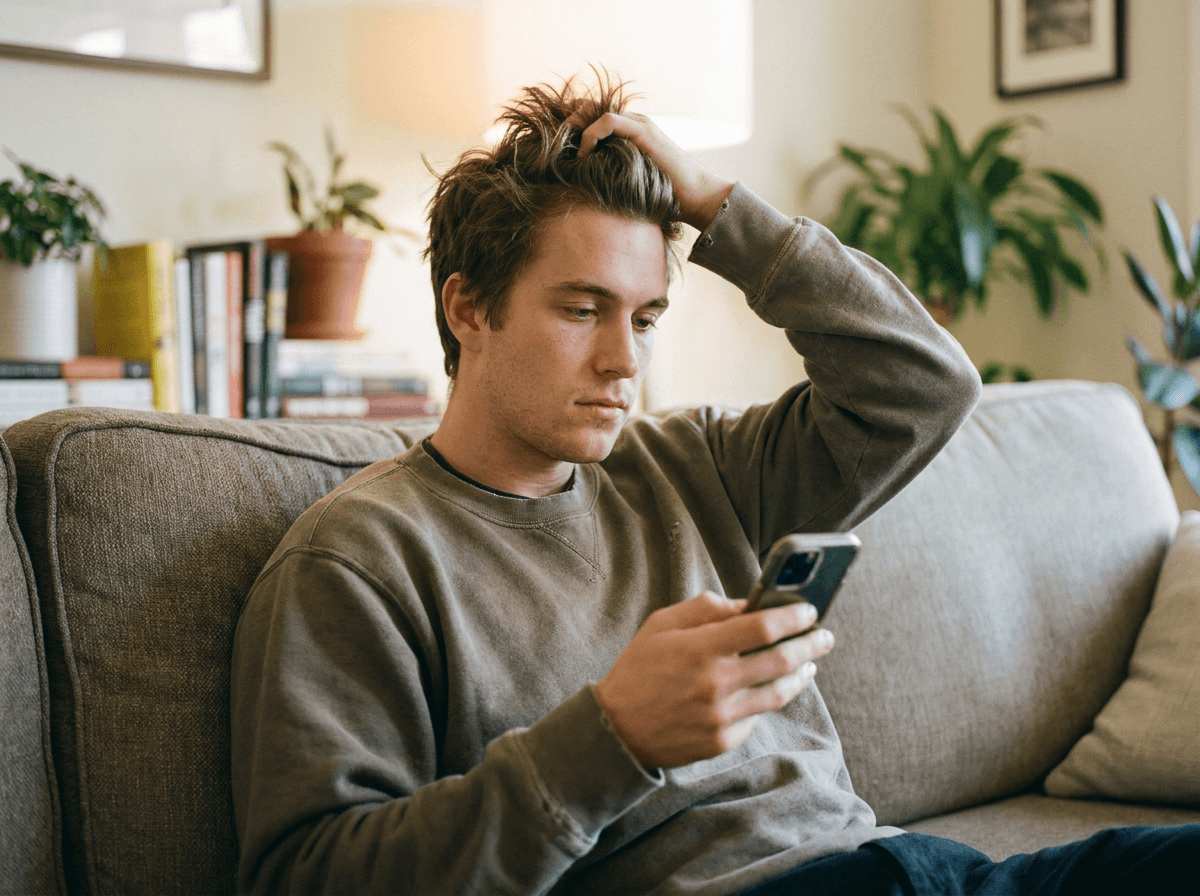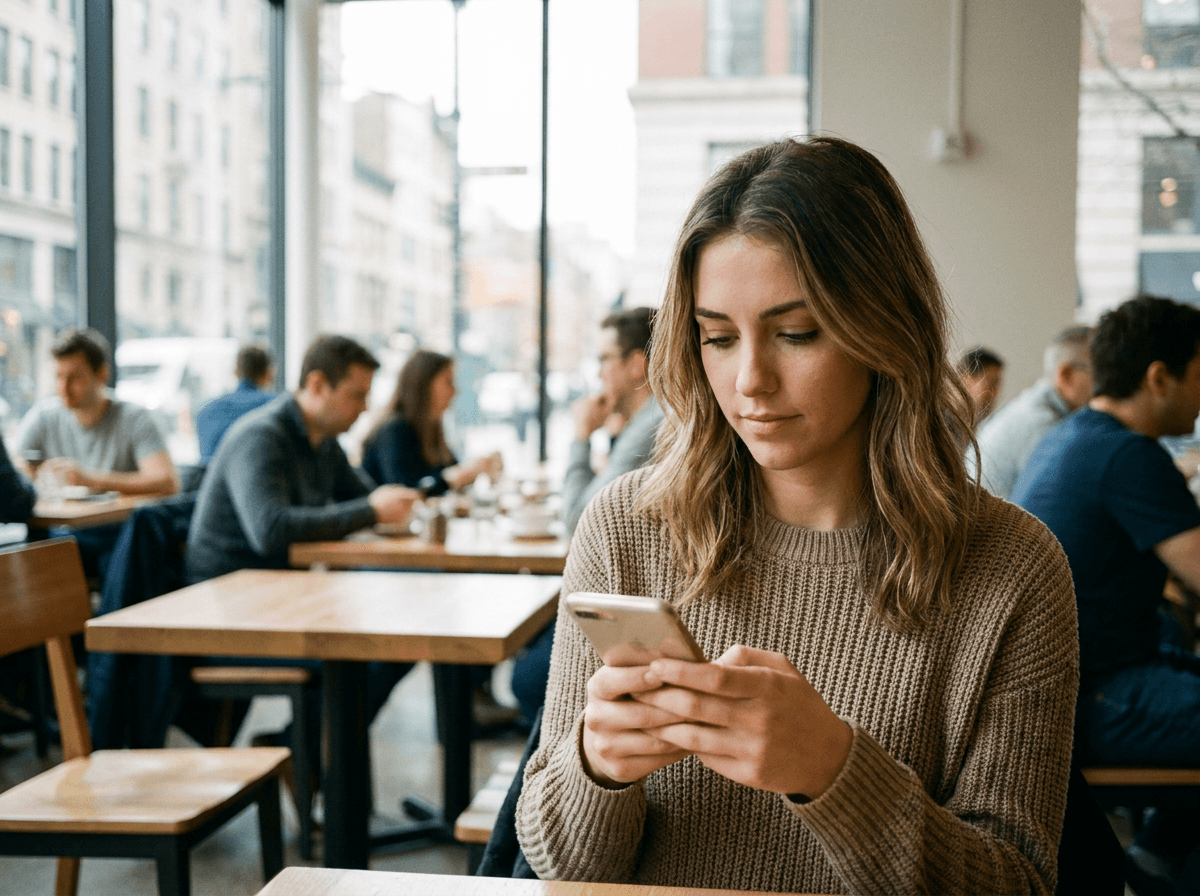
There is a specific kind of anxiety that comes with scrolling through Instagram. Encountering a stream of other couples looking happy, well-matched, and genuinely delighted to be with each other. The carefully lit photo. The caption about being grateful for your person. The anniversary post that reads like a love letter. Individually, these posts are harmless. Collectively, they construct a picture perfect standard that real relationships are quietly measured against — and frequently found wanting. Understanding the pressure that social media places on couples — and what it costs them — is increasingly relevant. In a culture where the curated image of relationship has become one of its primary public representations.
The Standard That Instagram Creates
Social media — Instagram in particular — does not show relationships. It shows performances of relationships. The distinction matters enormously, but it is easy to lose sight of in the moment of comparison.
What couples post represents a selected fragment of their shared life. The nice dinner, the holiday, the moment of genuine warmth that happened to be photographed. What they do not post is systematically absent. The arguments, the silences, the ordinary friction of two people sharing a life. The result is a feed populated entirely by highlight reels presented as ordinary life.
This construction produces a specific distortion. Happy couples who compare their actual experience to what they see on social media are comparing reality to performance. They will almost always come up short. Not because their relationship is worse — but because every relationship, compared to a curated image of someone else's best moments, looks insufficient.
Research on social media and relationship satisfaction consistently finds that higher social media use correlates with lower relationship satisfaction, and that upward social comparisons are a primary mechanism. The comparisons feel informative. They are not. They are misleading in a direction that reliably produces anxiety and dissatisfaction.
The Pressure to Perform the Relationship Publicly
Social media creates pressure not just to compare but to perform. Couples who do not post about their relationship — or who post infrequently — sometimes face implicit social questioning about whether the relationship is real, serious, or going well. The logic is circular but culturally embedded: a relationship that is not publicly visible is somehow less legitimate than one that is.
This pressure affects both partners, often differently. One partner may feel that posting is an expression of love and pride. A way of showing the world something that matters to them. The other may find public sharing uncomfortable, intrusive, or performative. The negotiation between these positions can become a recurring source of tension.
It also shapes the experience of the relationship itself. When couples feel pressure to generate content, the relationship starts to be experienced through the lens of how it will look rather than how it feels. The photographable moment. The postable event. The caption-worthy experience. This subtle reorientation is one of the less-discussed costs of social media's presence in intimate life.
When the Curated Image Becomes the Relationship's Standard
A more serious problem arises when couples internalize the curated image not just as external pressure but as a genuine standard for what their relationship should look like from the inside.
Couples who have absorbed this standard describe a quiet dissatisfaction with moments of ordinary intimacy. Sitting together watching television does not feel like enough. A good conversation over dinner does not feel as meaningful as a celebrated occasion would. The relationship feels good in the moments that could be posted. And somehow less good in the moments that could not. Even when those unpostable moments represent the genuine texture of a shared life.
This internalization is particularly damaging because it attacks the very substance of the relationship: the quiet, consistent, unglamorous daily experience of two people who have chosen each other. Happy couples in research consistently describe these ordinary moments as the primary source of satisfaction. Not the landmark occasions — the accumulated texture of everyday connection. Social media's framing inverts this hierarchy.
Arguments, Imperfection, and What Gets Hidden
One of the most significant costs of social media's good couple standard is the invisibility of conflict and imperfection. Arguments do not get posted. Difficult periods do not get documented. The implicit message, absorbed by everyone who consumes the feed, is that good relationships do not involve these things — or that they happen much less often than they do.
This invisibility produces two distinct problems. First, it makes normal relational difficulty feel abnormal. Couples who have arguments, periods of distance, or phases of genuine dissatisfaction often experience these as evidence that something is wrong. When in fact they are evidence that two people are genuinely interacting rather than performing togetherness.
Second, it makes it harder to seek help when it is genuinely needed. A couple who has absorbed the idea that respected relationships do not have serious problems is less likely to reach out for support early enough to be effective. The partner who raises a concern risks being seen as admitting to a relationship failure. Rather than as doing the responsible, constructive thing.
How Couples Navigate the Social Media Pressure
How couples navigate the social media standard matters considerably for relationship health. A few approaches consistently help.
The first is making explicit decisions about what to share rather than following the default of maximal visibility. Couples who discuss and agree on what their social media presence looks like report significantly less tension around the issue. Treating it as a deliberate choice rather than a default.
The second is developing a shared critical awareness of the comparison dynamic. Couples who can name what is happening when one or both of them feels inadequate after scrolling are considerably better positioned to interrupt the comparison before it does damage. "That's a highlight reel, not a relationship."
The third is actively investing in the relationship's private life. The ordinary moments, the unglamorous daily connection, the dimensions of shared life that never become content. Love that is lived rather than performed requires protection. From a culture that consistently values the visible over the real.
Conclusion
The pressure to be a good couple on social media is a relatively new form of a very old problem: comparing your internal experience to someone else's external presentation. Social media has made this comparison more constant, more vivid, and harder to avoid.
The antidote is not to leave social media — though reduced use does reliably improve relationship satisfaction — but to hold the relationship's private reality as the actual standard. What matters is not how the relationship looks to your followers. It is what it feels like to the two people inside it.
Happy couples are not the ones with the best posts. They are the ones who have stopped measuring their relationship against someone else's curated image of their own.