

 Ukrainian
  English
  Russian
  French
  German
  Italian
  Spanish
  Polish
  Turkish
  Portuguese
  Greek
Greek  Arabic
  Korean
  Chinese
  Japanese
  Czech
Czech  Symptoms of Depression in Adults – Recognize the Signs and Seek Help">

If youre worried that someone shows persistent low mood with functional decline, contact a primary care clinic or mental health office within 72 hours for clinical assessment; early referral yields better recovery odds and reduces acute risk.
Key indicators include sustained sadness, marked sleep disruption, appetite change, slowed cognition, diminished interest in routine tasks, increased isolation; noticeable escalation of escapist activity such as heavy alcohol use, excessive gaming, or other avoidance strategies often reported. Population surveys note 12–18% prevalence of clinically significant low mood within community samples after major life stressors, rising to 25–35% among persons with prior psychiatric history.
Clinical subtypes vary: melancholic, atypical, anxious distress among documented patterns; differences by sex exist – oliffe meta-analyses found male persons less likely to disclose emotional distress, more likely to exhibit irritability or escapist coping, whereas female persons more often report classic sleep and appetite disruption. Do not overlook passive suicidal thoughts or sudden withdrawal from social supports, especially when substance misuse or medical comorbidity is present.
Practical checklist for office use: document onset duration, frequency of low mood episodes, functional impairment, prior history of self-harm, current plan or intent; if active plan exists, arrange urgent transfer to emergency clinic or crisis service. For lower short-term risk, schedule follow-up within 7 days, initiate brief psychosocial interventions, consider stepped pharmacologic options pending specialist review, and provide clear safety planning resources for someone who need ongoing support.
Depression in Adults: Practical Guide
If low mood, loss of interest, persistent fatigue last more than 14 days, arrange medical assessment within seven days.
Antidepressant options: SSRIs, SNRIs, atypical agents; initial improvement often at 2–4 weeks, full response by 6–12 weeks; discuss side effects, interactions with other medications because some increase bleeding risk or alter cardiac conduction.
Psychotherapies with strongest evidence: cognitive behavioral therapy (CBT) yields 40–60% response for moderate cases; consider 12–20 sessions; online CBT modules acceptable when in-person access limited; combine with medications for severe presentations.
Work adjustments reduce relapse risk: notify HR or occupational health about need for flexible hours, reduced workload, quiet space for breaks; arrange phased return after sick leave to protect career trajectory.
Key differences between anxiety, grieving: anxiety shows excessive worry, restlessness, panic attacks; grieving follows identifiable loss, waves of sadness, gradual reengagement over months; theyre often concurrent; clinical assessment clarifies diagnosis.
Practical routines: schedule 30-minute activity blocks, include light aerobic exercise to counter fatigue; prioritize sleep regularity 7–9 hours; limit alcohol use because it worsens mood stability; when feel overwhelmed use grounding techniques, breathing exercises. Improvements not always immediate; track mood daily for patterns.
For crisis signs such as suicidal ideation, severe self-neglect, inability to eat or leave bed, contact emergency services immediately; if symptoms last beyond eight weeks escalate medical review because relapse risk rises without sustained treatments.
Medication duration rule: maintain antidepressant for at least six months after remission for first episode, 12 months or longer for recurrent episodes; review need annually with prescriber because stopping abruptly raises relapse risk.
When online resources used, choose accredited platforms; peer forums provide shared experience but verify clinical oversight; employer accommodations reduce work-related struggle; if access to private care limited, contact community mental health teams for lower-cost or less intensive options.
Leading risk factors include prior episodes, family history, chronic medical conditions, prolonged stress around financial or relationship instability; monitor for fatigue increases during high-stress periods.
Identify Mood, Sleep, and Energy Changes in Adults
If mood swings, sleep disruption, or low energy last more than 14 days, contact a primary clinician for assessment.
National research indicates ~1 in 6 people aged 18-64 report sustained low mood, sleep fragmentation, daytime fatigue; parent reports often show appetite shifts, social withdrawal, greater irritability. oliffe research review notes men may present with externalising behaviour, black mood descriptions, avoidance; clinicians should be thorough during intake, not assume visible signs equate to absence of suffering.
| Change | Threshold | Immediate action |
|---|---|---|
| Mood swings, increased irritability | >14 days, sudden mood swings, recurrent suicidal thoughts | Document examples, use PHQ-9, seek urgent care if suicidal thoughts occur |
| Sleep disruption | <6 hours or>9 hours nightly, repeated awakenings, early morning wakening | Start sleep diary, limit late caffeine, refer for sleep assessment within 2 weeks |
| Low energy, reduced activity | Marked drop in activity >50% baseline, slowed initiation of tasks | Functional assessment, consider psychotherapy referral, review medication such as antidepressants |
Common clinical view: sleep loss often co-occurs with mood swings, cognitive issues such as poor concentration, slowed response time. Patients may become more withdrawn, seem more irritable, more easily stressed, move away from hobbies, avoid social contact, report intrusive thoughts.
Keep daily log of mood, sleep hours, activity level; use PHQ-9 every two weeks; consult experts for medication review if diagnosed, report inadequate response to antidepressants. While awaiting appointment, reduce isolation, avoid alcohol, move outdoors 10 minutes daily.
If suicidal thoughts occur, call emergency services or crisis line immediately. If concerns persist beyond 14 days, seek primary care for PHQ-9 screening, referral to mental health experts, medication review if currently on antidepressants. Create a safety plan that keeps potentially harmful items away from person at risk, involve a trusted parent or friend for regular check-ins.
Men at Work: Early Signals and Behavioral Clues
Immediate recommendation: refer any male employee with persistent low mood, concentration loss, reduced productivity, social withdrawal, sudden risky behavior, or new suicidal thoughts to health-care doctors or clinic for assessment within 7 days; early intervention limits progression.
- Performance indicators: sustained drop >30% in output over 2 weeks, missed deadlines, repeated errors, frequent unexplained sick days (≥3/week).
- Behavioral shifts: withdrawn from colleagues, avoids talking at meetings, flat affect when answering routine questions, less participation in known social rituals.
- Self-care changes: personal hygiene decline, irregular sleep patterns visible on shift schedules, appetite loss causing noticeable weight change.
- Cognitive signs: slowed decision-making, persistent forgetfulness, difficulty following multi-step instructions, complaints about concentration from supervisors.
- Emotional signals: irritability disproportionate to trigger, tearfulness at work, persistent pessimistic comments about future or job worth.
- Risk markers: talk of hopelessness, talk of being a burden, sudden planning around financial or legal matters, direct mention of suicidal intent.
- Contextual clues: recent bereavement, job loss threats, relationship breakup, perinatal partner stress affecting household dynamics.
- Technology footprints: search history or apps showing mood-tracking entries with worsening scores, social media content reflecting withdrawal or despair.
Clinical thresholds for referral:
- Mental state changes present for ≥2 weeks with functional decline → urgent clinic appointment for diagnostic interview with doctor or psychiatrist.
- Any suicidal ideation, intent, or preparatory behavior → immediate safety plan, remove access to lethal means, contact emergency services or on-call health-care team.
- Persistent mild symptoms that worsen over 4–6 weeks despite basic workplace support → escalate to formal intervention; consider psychotherapy referral, medication discussion after diagnosis.
Practical steps for managers:
- Document observable changes with dates, impact on tasks, witness notes; keep records confidential within HR or clinic referral pathway.
- Hold a private, nonjudgmental conversation focused on specific behaviors, using open questions rather than labels; avoid dismissive phrases.
- Offer immediate options: paid sick time, adjusted duties, flexible schedule, referral to on-site health-care services or external clinic.
- If employee doesnt accept help, maintain follow-up contact every 3–5 days, note any escalation, involve occupational health when available.
- When safety concern arises, do not delay; contact doctors, crisis team, or emergency services for transport to safe environment.
Communication tips for talking with someone suffering mood-related disorder:
- Use specific observations: “I noticed you missed three shifts last week” rather than vague judgment; this keeps focus on behavior.
- Validate experience without minimizing: “That sounds hard” instead of offering immediate fixes; allow mind to express distress.
- Ask direct questions about suicidal thoughts when risk suspected; direct inquiry often reduces shame, improves disclosure.
- Encourage use of validated screening apps if clinic access delayed; apps can track episodes, sleep, activity, creating useful content for diagnostic visits.
Follow-up protocol:
- After initial referral, ensure appointment occurred within 7–14 days; confirm with employee if comfortable, or with authorized contact.
- Monitor work adjustments for effectiveness, adjust load before productivity expectations return to baseline.
- For perinatal-related presentations, coordinate with partners’ health-care providers to address household risk factors.
- Document improvement markers: return to baseline hours, restored concentration, reduced absenteeism, fewer mood episodes reported.
Case note: anand, 34, presented with irritability, sleep disruption, concentration drop over 3 weeks; referral to clinic led to diagnosis, brief psychotherapy, medication trial; after 6 weeks, reports mild improvement, continues regular follow-up with doctors.
Impact on Productivity and Daily Tasks: Red Flags for Supervisors
Require supervisors to document measurable performance drops immediately; reach out privately within 24 hours with a concise example of missed targets; make a written summary placed in confidential HR file.
Watch extra absenteeism; increased sick days; repeated late arrivals; marked decline in work quality; frequent reports of feeling tired; sudden bursts of manic energy or risk-taking that resembles gambling.
Use a structured process: pull office metrics, compare recent output to a general baseline, review personal history for prior medical treatment or medications, note prior risky behaviors where gambling or substance misuse occurred; flag cases when severity appears high; provide scripted language for managers to use when conducting check-ins.
If decline lasts beyond two weeks or performance reaches critical thresholds, reach out to HR; consult clinical experts for triage; offer referrals to online resources, confidential sessions; coordinate with prescribing clinicians to review medications and adjust care plans.
Prioritize trust; create phased return-to-work plans, extra check-ins, flexible deadlines; avoid punitive responses that increase stigma; think about work-life adjustments that let staff handle stressful periods differently; make small changes that helps performance around core responsibilities; track issues around workload distribution. For example, reduce meeting load by 50% for two weeks; collect employee experiences to refine process.
Conversations That Help: How to Discuss Depression at Work

First, request a private meeting with HR or direct manager; specify impact on workplace performance, outline recent missed deadlines, altered concentration, fatigue.
Use I-statements with concrete examples: “I missed two deadlines last month, my mood has dropped, I struggle with focusing on routine tasks around my desk.” Dont apologize excessively; dont minimize reports.
Suggest specific accommodations: flexible start times, temporary reduction of front-facing tasks, modified deadlines, redistributed workload; propose phased return to full responsibilities, trial period with regular check-ins.
Recommend accurate medical evaluation by primary care clinician or psychiatrist; explain options: psychotherapy, medicine such as selective serotonin reuptake inhibitors, other antidepressants, adjunct medications; note that antidepressants have been shown to increase serotonin availability, clinical improvement often occurs after 4–6 weeks, side effects known, dose adjustments common.
Distinguish bereavement from persistent clinical condition: bereavement often follows loss with fluctuating mood; persistent low mood, withdrawal from colleagues, declining task completion, suicidal ideation are a sign that further assessment is needed; women may experience mood shifts differently.
Use workplace programs such as Employee Assistance Programs, peer-support groups, accommodation protocols; keep documentation accurate, limit disclosure to necessary stakeholders, protect privacy of their health information; offer crisis resources: local crisis line, national lifeline; encourage treatment adherence, explain that consistent therapy or medications helps recovery, restores well-being, while unhealthy coping strategies prolong impairment.
Dont minimize concerns; validate reports, adjust expectations around productivity, reassign front-facing responsibilities when needed, arrange temporary task-sharing; follow-up within two weeks, reassess accommodations every month until stable.
If someone appears to suffer severe crisis, prioritize immediate safety: ask direct question about self-harm, remove access to lethal means, contact emergency services or crisis line, document steps taken; a supportive, accurate workplace response reduces stigma, increases retention.
Where to Get Help: Therapists, EAPs, and Community Resources

Contact a licensed therapist, psychiatrist, or your employer’s EAP first – if mood changes persistently for longer than two weeks, schedule intake within 1–2 weeks.
When selecting providers, verify credentials (PhD, PsyD, LCSW, MD/DO), ask whether medication management is available, request a clear explanation of process, insist on PHQ-9 or similar baseline measure at intake, expect measurable decrease in scores within 4–8 weeks if treatment effective; rule of thumb: reassess after 6–12 sessions.
EAPs typically provide confidential short-term counseling, referral lists, crisis triage, often no-cost for initial sessions; contact HR or vendor portal, ask how many sessions covered, whether services are virtual or office-based, whether sliding-scale fees apply, whether out-of-network reimbursement exists.
Community clinics, federally qualified health centers, peer-run support groups, university training clinics, veterans’ services represent low-cost sources; use county health department as источник for local listings, search online directories, verify reported wait times, request telehealth slots when in-person wait is longer.
If feelings of hopelessness are reported or you suffer active suicidal thoughts, call emergency services or crisis line (US: 988), stay with person at risk, listen without judgment, remove access to firearms or alcohol if unsafe, note that unhealthy alcohol use can decrease effectiveness of medications, report side effects to prescriber immediately; escalate to ER if severe agitation, withdrawal, suicidal plan, or if treatment does not lead to measurable improvement after two months.
When cost or access come up as barriers, ask providers about sliding-scale fees, community experts offering pro bono slots, or university clinics with supervised trainees; ask yourself about transportation, childcare, or trouble finding time to attend sessions; for nutrition questions (for example, rice intake) consult registered dietitian; if difficulties with scheduling persist, request asynchronous options or brief telephone check-ins to stay engaged.
 Самомоніторинг та рефлексія для зміни поведінки – ключові стратегії">
 How to Be Less Emotionally Reactive – Practical Tips">
 7 Things to Say When Someone Gaslights You – Practical Phrases to Stand Your Ground">
 Як і чому зустрічатися з собою – практичний посібник із самолюбві">
 Як справлятися з негативним партнером – практичні поради для здоровіших стосунків">
 3 причини, чому ви приймаєте жахливі рішення (і як цьому запобігти)">
 21 Романтичних Фраз Англійською, Щоб Вразити Свого Партнера – Швидкий Посібник">
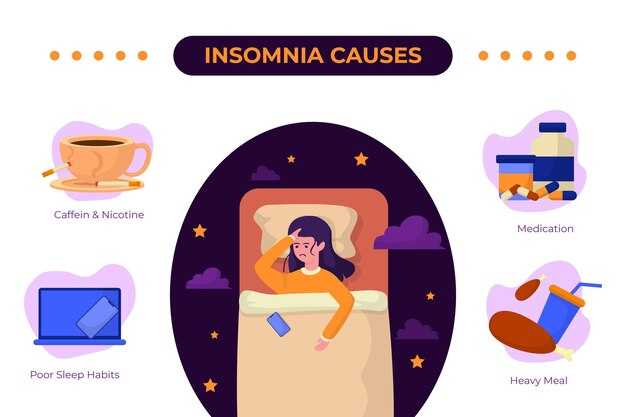 9 Щоденних звичок протягом дня для кращого сну">
 Як стати цікавішою людиною – 10 практичних способів підвищити свою харизму">
 Найкращі дихальні вправи для сну – техніки для кращого відпочинку">


