Ukrainian
  English
  Russian
  French
  German
  Italian
  Spanish
  Polish
  Turkish
  Portuguese
  Greek
Greek  Arabic
  Korean
  Chinese
  Japanese
  Czech
Czech 

Modern dating has changed how people meet, connect, and form relationships. With apps, social media, and constant access to new options, the pace of dating has become faster than ever. This shift has sparked an ongoing conversation around slow dating vs. fast dating, and which approach truly leads to healthier, more meaningful connections.
Both styles reflect different needs, intentions, and emotional rhythms. Understanding the difference can help you choose a dating pace that aligns with your values and supports the kind of relationship you actually want.
What Slow Dating Really Means
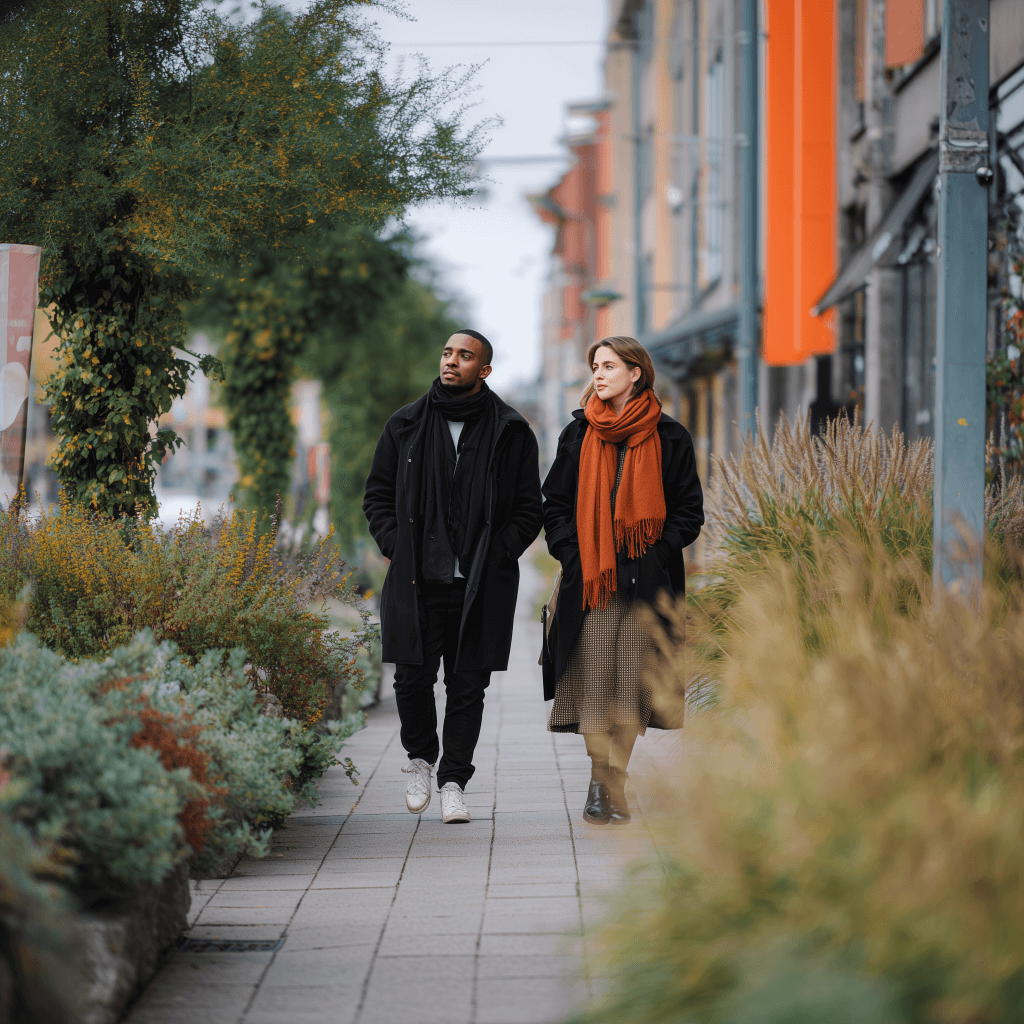
Slow dating isn't about delaying connection or avoiding attraction. It's about being intentional with time, energy, and emotional investment. In slow dating, people focus on getting to know one another gradually, allowing connection to build without rushing milestones.
This approach prioritises presence, curiosity and emotional awareness. Instead of constant messaging or rapid escalation, slow dating encourages fewer distractions and more depth. Conversations unfold naturally, and attraction develops alongside trust.
Many people turn to slow dating after feeling burnt out by modern dating. Slowing down allows space to observe patterns, notice red flags, and understand how someone truly shows up over time.
What Speed Dating Looks Like Today
Fast dating is driven by speed, chemistry, and momentum. Connections form quickly, communication is frequent, and emotional or physical intimacy often escalates early on. This style thrives on excitement and energy, especially in environments shaped by apps and instant gratification.
For some, fast dating feels natural. It can be exciting, passionate, and emotionally intense. When intentions align, fast connections can lead to relationships that feel alive and spontaneous.
However, fast dating also carries risks. When pace outstrips understanding, people may confuse intensity with compatibility. Important conversations about values, boundaries, or long-term intentions can get skipped in favour of momentum.
Pace and Emotional Connection
Pace plays a powerful role in how connection forms. Slow dating allows emotions to stabilise before attachment deepens. It creates space for reflection and emotional regulation, helping people stay grounded.
Fast dating often amplifies feelings quickly. This can feel intoxicating, but it may also blur judgement. Strong emotions can mask misalignment until later, when the relationship has already become emotionally invested.
Neither pace is inherently wrong. The key difference lies in awareness. When people consciously choose their pace, they are more likely to build connection intentionally rather than reactively.
Intentions Matter More Than Speed
The real distinction in slow dating vs. fast dating isn't speed alone, but intentions. Someone moving slowly with clarity and honesty can build a strong relationship. Someone moving fast with the same intentions can do the same.
Problems arise when pace and intentions don't match. Slow dating with unclear intentions can lead to confusion. Fast dating without communication can create emotional whiplash.
Clarifying what you want early helps pace and serve connection, rather than sabotage it. When intentions are shared, both styles can support meaningful outcomes.
Modern Dating and Overstimulation
Modern dating environments often encourage a fast-paced rhythm. Endless options, constant notifications, and comparison culture make it harder to slow down and focus on one connection.
Slow dating pushes back against this overstimulation. It invites people to invest energy selectively rather than spreading it thin across multiple conversations. This shift often leads to more meaningful connection and emotional clarity.
Fast dating, on the other hand, fits seamlessly into modern systems. It matches the speed of digital interaction, but it requires strong self awareness to avoid burnout or emotional confusion.
Energy, Chemistry, and Sustainability
Energy is a major factor in dating dynamics. Fast dating thrives on high energy and spontaneity. It can feel effortless at first, fuelled by excitement and novelty.
Slow dating uses energy differently. Instead of intensity, it emphasises consistency. This often creates a sense of safety and emotional balance that supports long-term sustainability.
Over time, many relationships need to slow down to survive. Even connections that start fast eventually require patience, communication, and shared values to last.
Meaningful Connections and Depth
Meaningful connections aren't defined by speed, but by depth. Slow dating naturally creates space for deeper conversations and emotional intimacy to develop gradually.
Speed dating can also lead to meaningful relationships, but depth must be intentionally nurtured rather than assumed. Without conscious effort, speed connections risk remaining surface level despite emotional intensity.
Depth grows when both people feel seen, heard, and respected. Pace either supports or challenges this process depending on how it's managed.
Choosing the Right Dating Style for You
There is no universal answer to which approach is better. The right style depends on personality, past experiences, emotional needs, and current life stage.
If you value reflection, emotional safety, and clarity, slow dating may feel more aligned. If you thrive on momentum, chemistry, and emotional openness, fast dating may suit you better.
What matters most is self honesty. Choosing a pace that contradicts your needs often leads to frustration, resentment, or self abandonment.
Blending Slow and Fast Dating
Many healthy relationships blend both approaches. A connection might start fast with strong chemistry, then intentionally slow down to build stability. Others may begin slowly and gradually accelerate as trust grows.
Flexibility allows dating to feel less rigid and more responsive. Instead of labelling one style as right or wrong, focusing on alignment creates better outcomes.
Заключні думки
Slow dating versus fast dating is ultimately a conversation about awareness, intention, and emotional responsibility. Pace shapes how relationships form, but it doesn’t determine their success on its own.
When people choose a dating rhythm that honours their values, protects their energy, and supports genuine connection, relationships become less about performance and more about presence. Whether you move slow or fast, the most meaningful connections grow when pace serves clarity rather than pressure.