Ukrainian
  English
  Russian
  French
  German
  Italian
  Spanish
  Polish
  Turkish
  Portuguese
  Greek
Greek  Arabic
  Korean
  Chinese
  Japanese
  Czech
Czech 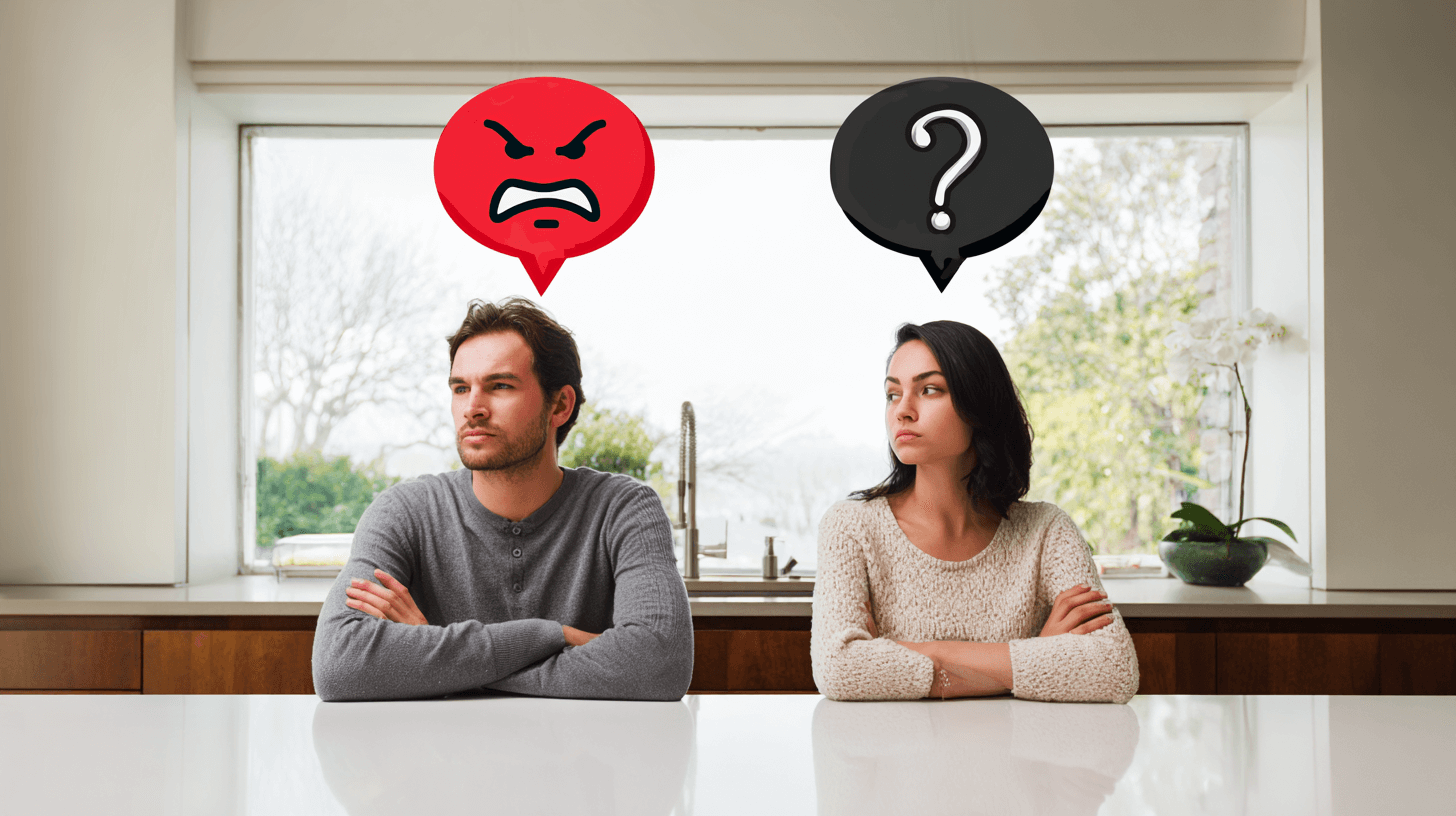

Conflict is an inevitable part of human connection. Yet while some disagreements surface loudly, others remain hidden beneath polite smiles or heavy silence. This quieter but equally corrosive form of conflict is known as passive aggressive behavior in relationships. Experts warn that when people rely on indirect ways of expressing anger, trust slowly erodes and intimacy weakens. Therefore, understanding the causes, the signs of passive aggression, and how couples can deal with it is essential for long-term relational health.
What Passive Aggressive Behavior Means
Passive aggressive behavior describes a pattern in which a person may feel re upset but refuses to communicate it openly. Instead of saying something directly, they act in ways that leave another person guessing. For instance, procrastinating on tasks, delivering backhanded compliments, or using the silent treatment are all typical examples. While the outward appearance may remain calm, the hidden anger lingers.
Psychologists often link passive aggression to environments where communication was discouraged, particularly in childhood family dynamics. When people grow up without safe outlets for frustration, they learn to protect themselves through indirect actions. As a result, a passive aggressive person might appear agreeable while secretly resisting.
Why People Choose Indirect Expression
There are many reasons someone might adopt this strategy. Some individuals struggle with low self esteem and fear that open honesty will push others away. Others internalize the belief that conflict should always be avoided. Consequently, they turn to sarcasm, withdrawal, or even subtle revenge.
A passive aggressive person may genuinely believe they are preventing harm by keeping quiet. However, their actions communicate the opposite. Partners sense the tension, realize something is wrong, and feel confused and frustrated. In fact, people behave passive aggressively precisely because they do not know how to address conflict directly.
The Effects on Couples and Relationships
In romantic relationships, hidden anger is especially destructive. While one partner insists that everything is fine, the other senses the truth. Over time, these mixed signals create mistrust. Couples who repeatedly encounter passive aggressive behavior often describe feeling lonely even while together.
According to research highlighted in Psychology Today, passive aggressive relationship behaviors damage emotional safety more than open arguments. Instead of encouraging growth, they leave people walking on eggshells. Moreover, unresolved frustration builds up until even minor disagreements explode.
The most common signs of passive aggression in relationships include:
- Silent treatment that lasts hours or days.
- Sarcasm used as a mask for hostility.
- Deliberate procrastination when asked for help.
- Backhanded compliments that undermine self-worth.
- Withdrawal from communication during conflict.
When these patterns appear consistently, they create toxic dynamics that couples must address.
Communication as the Key
Without strong communication, relationships cannot withstand the pressure of hidden aggression. However, when couples decide to speak openly, the intensity of passive aggression decreases. Direct honesty provides clarity. Instead of trying to decode hidden messages, both partners can respond to real feelings.
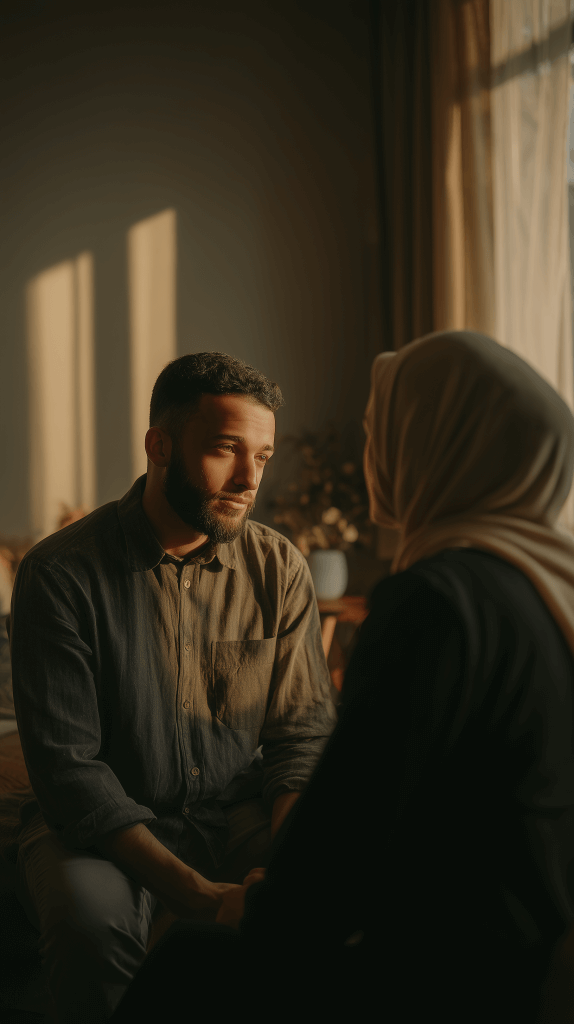
For example, instead of saying “I’m fine” while clearly re upset, one partner might state, “I felt hurt when you canceled our plans.” Such clarity not only prevents resentment but also strengthens trust. Therefore, communication is not simply useful — it is the foundation of every healthy relationship.
How Couples Can Deal With Passive Aggressive Behavior
Although confronting these habits can feel overwhelming, there are clear steps people can take to deal with the problem:
- Identify the behavior – Naming passive aggressive behavior reduces its power. Awareness is the first step.
- Invite open dialogue – Encouraging safe communication helps partners express emotions without fear.
- Model direct honesty – Showing your own feelings directly teaches healthier alternatives.
- Set limits on silent treatment – Boundaries remind partners that withdrawal cannot solve issues.
- Seek outside guidance – A couples therapist can help replace passive aggressiveness with constructive tools.
Importantly, these strategies require consistency. People often fall back into old habits. Yet with persistence, couples can create lasting change.
Emotional Costs of Avoidance
The emotional weight of passive aggressive habits extends far beyond simple irritation. Repeated silent treatment or sarcasm leaves another person questioning their value. Over time, this erodes not only trust but also self-confidence.
Furthermore, people who constantly suppress their anger experience higher stress levels. Research indicates that unexpressed emotions intensify physical tension, creating long-term health risks. Thus, while passive aggressiveness might avoid conflict in the moment, it multiplies stress over time.
Rebuilding Trust
Although the journey is difficult, repairing relationships damaged by passive aggressive behaviors is possible. The key lies in gradual building of trust. Instead of avoidance, partners agree to short breaks followed by clear dialogue. Instead of sarcasm, they learn to say something honestly, even if it feels uncomfortable.
Trust grows when people see consistency. A passive aggressive person can transform habits by practicing new forms of communication. As partners witness honesty replacing secrecy, emotional closeness returns.
Висновок
Passive aggressive behavior may appear subtle, yet its consequences are profound. Left unaddressed, it destroys trust, isolates couples, and weakens bonds. However, recognizing the signs of passive aggression, practicing open communication, and setting clear boundaries allows people to deal with it effectively.
Whether in family ties or romantic relationships, every passive aggressive person can learn healthier ways to express frustration. When couples abandon the silent treatment and embrace honest dialogue, they break free from cycles of passive aggressiveness. Ultimately, strong communication transforms hidden hostility into opportunities for growth — proving that even the quietest conflicts can be resolved with courage, clarity, and care.