

 Ukrainian
  English
  Russian
  French
  German
  Italian
  Spanish
  Polish
  Turkish
  Portuguese
  Greek
Greek  Arabic
  Korean
  Chinese
  Japanese
  Czech
Czech  Neurons That Make Us Feel Hangry – How Brain Cells Trigger Hunger-Related Anger">

Immediate action: eat a 20–30 g protein snack within 15–30 minutes of noticing hunger-driven irritability – a slice of whole-grain toast with 2 tbsp nut butter (~250 kcal), a 150 g cup of Greek yogurt, or a 30 g mixed-nut packet are the best on-the-go options. This small, nutritious intake helps stabilize blood glucose and dopamine-driven reward signals so you regain composure quickly and reduce impulsive choices.
Neural mechanisms act fast: AgRP/NPY neurons in the arcuate nucleus fire within minutes when blood ghrelin rises, shifting motivation toward immediate food seeking and amplifying irritability. Other hormones such as leptin and insulin counteract that drive; scientific work shows those signals change synaptic activity across hypothalamic and limbic circuits, including pathways that modulate mood and decision-making. For a primary источник, look to rodent electrophysiology and human neuroimaging studies that link rapid neuronal firing to behavioral shifts during short fasts.
Actionable strategies reduce hangry episodes: schedule mini-meals every 3–4 hours, pack a protein-plus-fiber snack, prioritize low-glycemic carbs and healthy fats, and hydrate – these choices reduce abrupt neurochemical shifts. Use quick психічний techniques (two deep breaths, a 3-minute delay before responding) to interrupt reactive patterns; although neuronal signals push urgency, brief cognitive pauses help regain top-down control. Carrying a prepared option in your bag helps prevent escalation when hunger hits.
Це article offers practical ideas you can implement today and highlights research directions: майбутнє studies aim to map specific circuits driving hunger-linked aggression and test targeted interventions. Until then, meal timing and smart snack choices remain the most reliable, evidence-aligned approach to limit hangry episodes and protect both physical and mental well-being.
Neural circuits that convert low fuel into anger
Have a 200–300 kcal snack with ~20 g protein and 30–40 g carbohydrates (example: Greek yogurt with oats and berries) within 15 minutes of noticing irritability to blunt hunger-driven anger and restore cognitive control.
Low blood glucose and rising ghrelin drive a subset of hypothalamic AgRP neurons; these neuron populations increase appetite and send projections to the paraventricular nucleus, lateral hypothalamus and amygdala, creating a direct connection between metabolic state and aggressive responses. A clear finding: AgRP activation leads to heightened amygdala reactivity, which people experienced as sharp irritability once glucose falls.
Use a simple physiological model: falling glucose → AgRP firing → downstream excitation of stress circuits → behavioural agitation. That explanation clarifies what interventions make sense: replace fuel, modulate neurotransmitters, or interrupt the signal with brief exercise to elevate serotonin and noradrenaline and reduce amygdala gain.
Practical ideas that work easily: keep a short list of portable, nutritious options (oats with nut butter, engineered protein bars with low sugar, hard-boiled eggs, or a small sandwich). Pack these contents with at least 10–15 g protein so youre less likely to spike AgRP activity between meals.
Schedule three balanced meals with protein at each meal and add a 10–15 minute walk before long meetings; light exercise reduces subjective irritability and helps the mind recover control faster than waiting for hunger to pass.
If youre tracking symptoms, note time since last meal, snack type and intensity of anger. That dataset makes it easier to test which meals make you calm: swap high-sugar snacks for mixed-macro choices and record results over a week.
Clinical and animal-model findings suggest targeted interventions: meals engineered for slow-release carbohydrates and complete protein blunt hunger neuron firing, while abrupt glucose drops lead to rapid increases in irritability. Use those words as a guide to choose foods that sustain focus rather than trigger mood swings.
Which hypothalamic neurons sense falling glucose and how fast do they activate?
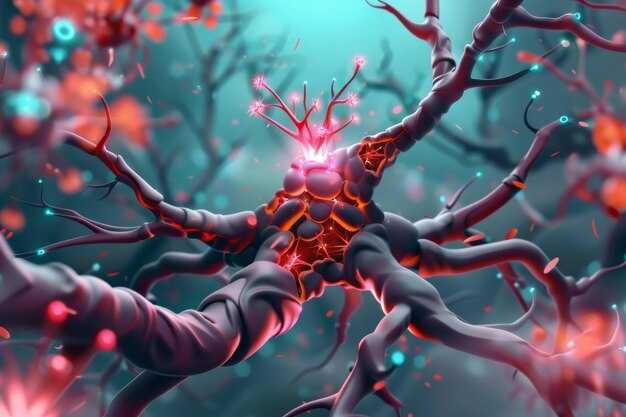
Eat a small protein-rich, low-glycemic snack within 30–60 minutes of an energy dip to blunt rapid hypothalamic activation and prevent hangry irritation.
AgRP/NPY neurons in the arcuate nucleus are the primary glucose-inhibited orexigenic cells: they increase firing as extracellular glucose falls. Orexin (hypocretin) neurons in the lateral hypothalamus also sense drops and promote arousal and food-seeking. SF1 neurons in the ventromedial hypothalamus and subsets of POMC cells respond in the opposite direction (glucose-excited) and help counteract feeding drives. The metabolic state affects which population dominates; the neuron itself detects glucose via glucokinase, KATP channel gating and AMPK signaling, while circulating hormones add parallel messages.
Timing: direct electrical or calcium responses in orexin neurons appear within seconds to about one minute after glucose falls, producing near-immediate drive to wake and seek food. AgRP/NPY neurons typically ramp up over tens of seconds to a few minutes (commonly seen ~30–300 seconds in fiber-photometry and electrophysiology experiments) after a physiologic decline; hormonal signals like ghrelin rise on the order of 15–60 minutes and further stimulate AgRP cells, so the combined effects operate between seconds and tens of minutes. Small declines in brain extracellular glucose (on the order of ~0.5–1.0 mmol/L from baseline) can alter firing rates enough to change downstream body responses.
Practical tips that translate the physiology into action: bring easily digested protein plus fiber snacks (nuts, Greek yogurt, hummus with veg) to stay steady; choose low-glycemic carbs so blood glucose does not overshoot and then drop. To counteract rapid activation of orexigenic neurons, have 10–20 g protein or 5–10 g fat with a carb serving, which slows absorption and supplies nutrients while hormones like ghrelin are rising. If you feel irritation coming on, a 5-minute walk and a glass of water reduce sensation before hunger-driven signals dominate.
What to track: note time between meals and how you feel; if you have repeated fast-onset hunger and agitation, adjust meal composition (more protein, fiber, healthy fats) and frequency so glucose falls more slowly. These simple strategies reduce the magnitude of hypothalamic messages and make sure theyre less likely to trigger strong feeding behavior once fasting signals are gone.
How hunger signals hijack prefrontal control circuits to produce irritability
Eat a 200–300 kcal snack with protein and fat 30–60 minutes before meetings that require concentration; this lowers ghrelin spikes, steadies blood glucose and preserves prefrontal function.
Gastric signals and interoception tell the brain about energy status: rising ghrelin enters the blood and informs hypothalamic and midbrain centers, automatically shifting resources away from executive networks toward valuation and threat circuits. That shift reduces PFC-mediated inhibition while running amygdala and striatal responses that increase impulsive reactions and irritability.
Laboratory work by kroemer shows that a short fast drops PFC activity and increases limbic reactivity; subjects who had been fasted longer showed significantly greater lapses on inhibitory tasks and reported hangry- feelings. Fast protocols that withheld snacks for around 3–5 hours produced both hormonal changes and measurable performance declines, and these neural effects increase as glucose and metabolites fall below baseline.
Plan so you do not go longer than ~3–4 hours without calories: pack compact snacks to bring blood glucose above fasting nadir and to blunt ghrelin rebounds. When tasks require self-control, tell them here: take a 10–15 minute food break or chew a protein-rich snack; you will restore PFC function faster than trying to push through while fast and tired.
Metabolism and interoception interact continuously; having steady input stabilizes decision thresholds, reduces reactive anger and improves patience. However, individual variance matters–some people ever more quickly show irritability when metabolism runs low–so monitor performance around meal timing and increase calorie density or protein if lapses persist.
Role of neuropeptides (AgRP, NPY, orexin) in shifting mood and motivation
Eat a protein-rich breakfast (20–30 g protein) within an hour of waking to prevent sharp AgRP/NPY surges that increase hunger-driven irritability and push you to seek quick calories.
AgRP and NPY neurons in the arcuate nucleus activate within minutes of food deprivation; ghrelin rises and strongly stimulates those cells, which both drive food-seeking and bias emotion toward irritability. Orexin from the lateral hypothalamus increases arousal and reward-directed motivation, so although orexin helps you stay focused on goals, it can amplify anger when the body signals energy deficit. A finding at a university lab linked brief AgRP bursts to rapid changes in behavior; articles summarizing that work show neuropeptide activity can temporarily reframe thinking and priorities toward immediate feeding.
Use concrete strategies to maintain stable mood and motivation: combine 20–30 g protein, 5–10 g fiber, and low-glycemic carbs at breakfast (for example, a slice of wholegrain toast with nut butter plus Greek yogurt) so the meal contents blunt ghrelin and slow glucose swings. Keep portable snacks (handful of nuts, a boiled egg, or another protein portion) for long meetings to prevent AgRP/NPY rebound and reduce chances you’ll enter emotionally reactive states. Hydrate and sleep 7–8 hours to lower orexin-driven hyperarousal; dehydration or short sleep can increase orexin tone and make you feel more likely to seek immediate rewards.
Apply brief behavioral tactics: pause and label the sensation as hunger rather than anger, eat a targeted 150–250 kcal protein-rich snack, then reassess mood after 10–20 minutes – that delay allows neuropeptide-driven urges to subside instead of deciding while temporarily overloaded. Weve seen that framing food as fuel reduces impulsive choices and keeps both productivity and social interactions calm. Don’t assume hunger-related anger is just “bad mood” – studies and practical experience show specific neuropeptides lead physiological shifts that can make people feel sick, reactive, and focused on basic needs; treating the biology prevents escalation and improves decision-making over the next hours.
How stress pathways interact with hunger neurons to amplify outbursts
Take a 10‑minute paced‑breathing break or consume a 150–200 kcal protein‑rich snack before a stressful meeting to blunt the stress‑hunger interaction and prevent hangry outbursts.
Stress releases cortisol via the HPA axis; that signal sensitizes hypothalamic AgRP/NPY neurons and suppresses POMC satiety signaling. While you feel hungry, satiety circuits arent strong enough to counteract stress‑driven excitation, so aggressive feelings can surface rather than a simple appetite response. This mechanism explains why being full alone will not reliably prevent irritability if stress pathways are active.
Rodent studies with a running wheel show targeted AgRP activation produces food‑seeking and aggressive postures within minutes; human reports indicate irritability shifts after about 2–4 hours without nutrients, with mood changes becoming longer if stressors have already begun earlier in the day. In lab tasks, participants responded more strongly to the same provocation when fasting versus when sated, which seems to confirm an interaction rather than a single causal source of aggression.
What was assumed–hunger automatically causing anger–misses the joint dynamics: stress primes the circuit so hunger then amplifies unpleasant reactions. Simple practical steps affect that interaction: stabilize blood glucose with small protein snacks, remove acute stressors (brief breathing or a task delay), and restore satiety signaling by eating balanced meals at regular intervals. These steps will reduce the probability of sudden aggressive shifts and make mood regulation easier between meals.
| Intervention | Mechanism | Expected timeframe | Practical outcome |
|---|---|---|---|
| 10‑minute paced breathing | Lowers cortisol, reduces HPA drive to AgRP neurons | Minutes | Calms reactivity before hunger peaks |
| 150–200 kcal protein snack | Restores nutrients, boosts satiety signals | 15–30 minutes | Reduces hunger‑driven mood shifts |
| Delay high‑stakes conversations | Allows satiety and stress signals to re‑balance | 30–90 minutes | Fewer unpleasant outbursts |
Track what works for you: log meal times, stressors and mood in a simple daily note or newsletter‑style checklist to identify patterns. Annual self‑checks that record when you began feeling irritable, how long you were without food, and whether you had a recent stressor will clarify causation. Dont assume hunger alone drives aggression; attend to both stress and nutrients to prevent amplified outbursts.
Individual differences: genetic and developmental factors that make some people more ‘hangry’
Eat a small, protein-rich snack–e.g., oats with nut butter and fruit–within 15–30 minutes of feeling low energy to prevent a snap of anger and gain fast relief.
Genetic variants change hunger signaling and explain why the same fasting period becomes a trigger for one person but not another. Genome-wide studies link FTO and MC4R variants to stronger appetite and altered satiety; carriers report higher frequency of mood shifts when hunger rises. Other loci tied to neuropeptide signaling (NPY/AgRP) change how quickly glucose dips translate into irritation and aggressive impulses. These genetic effects are modest per variant but additive: polygenic scores can predict a tendency to get moody under caloric deficit.
- Metabolic contributors: Faster glucose clearance and lower insulin sensitivity make blood sugar less steady; people with that profile experience sharper hunger spikes and are more likely to fight or snap at others.
- Epigenetic signals: Early-life stress alters methylation patterns (some work cites horvath-related age acceleration measures) that shift appetite control set points and stress-reactivity into adulthood.
- Developmental factors: Childhood food insecurity, inconsistent meal timing, and disrupted sleep begin shaping reward circuitry; these developmental exposures increase likelihood that hunger becomes a behavioral trigger.
Practical steps for people who know they’re prone to hangry episodes:
- Keep a steady meal rhythm: eat every 3–4 hours to avoid steep drops in glucose.
- Prioritize macronutrient balance: aim for 15–25 g protein and 5–10 g fiber at snacks (oats + fruit + yogurt is a practical combo).
- Check snack contents: low-GI carbs plus protein give longer relief than sugary options that might feel good briefly then make irritability return.
- Use a simple plan card: list 3 go-to snacks and a calming tactic (deep breaths, 2-minute walk) to control an emerging aggressive urge instead of reacting.
What scientists and acad writing show about mechanisms:
- Neuronal circuits integrating hunger and emotion: AgRP/NPY neurons in hypothalamus link energy state to motivational circuits; acute activation can bias toward fight responses.
- Hormonal mediators: ghrelin and cortisol cross-talk with dopamine pathways; higher fasting ghrelin correlates with stronger self-reported irritation in controlled tests.
- Social moderators: surveys (including work by scott and others) indicate married status and household routines change exposure to triggers–shared meal schedules reduce episodes for some people.
Quick checks to identify personal risk:
- Ask whats typical: do you become moody after skipping breakfast or only after long fasts?
- Track episodes for two weeks: note time since last meal, contents of the meal, and the severity of the reaction.
- If episodes cluster, share findings with a clinician–tests for metabolism and brief genetic or epigenetic panels (offered in research settings) can clarify underlying causes.
Use targeted interventions when genetics or development shape reactivity: keep steady glucose with tailored meals; train simple behavioral controls (pause, label the feeling with one word, sip water, eat a standardized snack); and adjust sleep and stress routines to reduce baseline susceptibility. News and article summaries will oversimplify; focus on measurable changes you can make into daily habits and consult specialists if aggressive responses begin to affect relationships or work.
 Getting Bored in a Relationship? What to Do & How to Reconnect">
 Lack of Respect in a Relationship – Signs, Causes & What to Do">
 Everyone’s Splurging on Lip Balms – Is It the Lipstick Effect?">
 Inner Self – How to Discover, Heal & Connect Within">
 When Self-Deprecating Humor Becomes Detrimental – Signs, Risks & Solutions">
 How to Say No – 6 Ways for People-Pleasers to Reclaim Your Life">
 Overcoming Loneliness in a Relationship – 7 Practical Tips">
 Facing Your Fears – Practical Steps to Build Confidence">
 Honeymoon Phase to Lasting Love – How to Transition">
 How to Make a Conversation Interesting – 8 Actionable Tips">


