

 Ukrainian
  English
  Russian
  French
  German
  Italian
  Spanish
  Polish
  Turkish
  Portuguese
  Greek
Greek  Arabic
  Korean
  Chinese
  Japanese
  Czech
Czech  Як розпочати розмову в додатку для знайомств – розбивальники льоду та шаблони">

Recommendation: Send a short, personalized observation plus a clear question within 24–72 hours of matching – 20–60 characters works best for a straight reply. Aim for one specific detail (movie, hiking route, a book) and close with a prompt that invites a single-line answer; that pattern raises reply odds versus a generic “hey”.
Think about the role your first line plays: reduce awkwardness, show you read the profile, and invite a low-effort reply. Using concrete numbers helps – e.g., “Top 3 trails near you?” or “Which scene in that movie stuck with you?” – because a numeric prompt gives structure and makes it easy for them to reply. If you heard an interesting anecdote in their bio, reference it: a personalized note about a shared interest will feel more natural than a vague compliment.
If threads are fizzling after two or three messages over several days, send a brief reset that breaks the pattern: a light tease, a specific follow-up question, or a game-like prompt that requires a one-word answer. Learning a small set of dependable openers and adapting them to profile details removes most of the awkwardness and increases the number of healthy conversations you’ll get. Read profiles for unique cues, tell something true about yourself in return, and keep experimenting – the best gains come from simple, personalized adjustments. Практична порада: track which prompts get the highest reply rate and drop anything that consistently leads to silence.
Compliment + Question Hybrid Openers: Practical Templates
Open with a specific compliment tied to a visible detail, then follow immediately with one clear question; those lines will increase reply rates and filter toward better matches.
Photo detail + origin That skyline shot seems special – what’s the story behind it?
Hobby niche Love the pottery pic – have you been making those long?
Color compliment + choice Your color sense is amazing; at least one photo made me pause – what’s something you always notice first?
Activity memory That surf shot brings back days on the water – rough waves or calm mornings, which do you prefer?
Confidence probe You look confident enough in that climbing picture; do you prefer top-rope or lead?
Local niche ask Noticed a local café in your photos – what hidden spot nearby would you recommend?
Keep messages short so weve room to build trust; lets use one intended question per exchange to preserve energy and avoid rough side-to-side replies. If someone has asked, answer promptly – quick replies become answered threads and raise the chance of local real-life dates. When sending a first message, break longer thoughts into one-line prompts; this keeps talking moving and prevents the thread from going quiet since the first days.
Profile-Detail Compliments That Lead to a Question
Make a concise, personal compliment tied to one concrete detail and add a single, specific question – this opener focused on observation increases reply rate and makes initiating contact feel natural; therell be fewer generic responses.
Point out what surprised you or what made them seem special, describe how it made you feel, and close with one clear prompt. Avoid sexual comments or jokes about being married; keep tone light-hearted. If youre lazy with phrasing, edit your writing: a tightly written line keeps attention. You need to match energy and steer requests for meeting until a short personal exchange has started.
Give a sense of curiosity: ask once-focused questions (“When did you start?”, “What kept you going?”) that invite a snapshot rather than an essay. Mention something you loved in their latest photo or playlist – a simple “That’s cool” works if followed by a targeted ask. Offer two ways to reply (a quick fact or a short story) so feelings come back quickly. Note where the detail came from (a fall hike, a caption) and be yourself; small personal touches make the exchange feel genuine.
| Profile detail | Compliment + question | Чому це працює |
|---|---|---|
| Guitar photo | “Loved the angle on that guitar shot – when did you start playing?” | Specific praise + start-date question invites a short origin story. |
| Travel photo (fall) | “That fall canyon looks cool – where’s that from?” | Seasonal detail + location query is easy to answer quickly. |
| Bio mentions writing | “Noticed you do writing – what keeps you inspired these days?” | Professional detail + motivator question signals genuine interest. |
| Volunteer image | “Your volunteer smile surprised me – what pulled you into that cause?” | Emotion-forward compliment opens room for values-based reply. |
| Playlist or music line | “Your latest playlist feels special – youve got eclectic taste; which track do you fall back on?” | Shows listening and asks for a specific repeatable choice. |
| Coffee shop or candid photo | “Nice candid shot – there’s a cool energy in it. Which café is that?” | Energy observation + location question keeps tone light and personal. |
Checklist: keep compliments specific, avoid broad flattery, skip assumptions, invite a brief reply, and bring the exchange back to a personal detail so therell be a natural path from messages to meeting.
Direct Question After a Compliment: Quick Reply Starters
Lead with a brief compliment and a single focused question; keep the message under 20 words and send instantly or within 45 minutes to capture attention – if your goal is a meeting, propose a specific time rather than a vague suggestion and avoid a sudden jump to logistics.
Music hook – “Love your music picks; they give a relaxed aura. Which artist should I hear first to get started?” Example: “Your playlist says late-night jazz is your thing – which track would you recommend I start with?”
Hobby choice – “Nice that you play golf – is that a weekend hobby or something you do often?” Example: “Do you prefer links or park courses when you play, or is it just the range for practice?”
Published work – “I saw your published piece on remote work; the material was sharp. Which section do you think is most worth revisiting?”
Social preference – “Your bio says social events can be draining – is it the crowd or the small talk that sparks that fear?” Example: “Would you be down for a low-key meeting or prefer to chat here first?”
Clarify ambiguous lines – If a phrase isnt clear, ask “What do you mean by X?” – that directness signals you read them and helps them answer without overexplaining; short queries build trust and let them respond themselves.
Practical rules: 1) Offer two concrete options (A or B) – people decide faster. 2) Reference something you’ve seen in their profile to add context and increase replies very often. 3) If you believe tone matters, keep language casual and specific so they feel comfortable; thanks when they reply helps close the exchange.
Bio-Driven Opens: Compliments Tied to What You Noticed
Compliment one concrete detail from their bio or photos, name the detail, then add a short question that invites a reply.
- Mention a specific element – company, a course, a sport, or a role title – rather than a generic remark about their face or looks.
- Keep intended length to one or two lines; short messages get read more often.
- Use language that indicates you actually seen the detail: reference the exact photo, phrase, or location theyve listed.
- Avoid flattery that didnt refer to anything real; women receive generic compliments frequently and ignore them.
- Choose a follow-up that allow an easy answer: a single-sentence reply beats a question that needs a paragraph.
- Using an emoji can be helpful as punctuation, not a substitute for specificity.
Practical examples you can adapt:
- “Noticed the band tee in your latest photos – cool pick. Which album did you find first?”
- “You work at [company] and listed product design as your role – that combo sounds intense. What keeps you energized on long days?”
- “That hiking shot looks like Machu Picchu – funny story behind it?”
- “Saw you volunteer with the shelter; thats interesting. What made you get involved?”
- “Your camera kit in the photos is impressive – any lenses you cant live without?”
- Why these work: they reference a visible detail, offer a specific compliment, and end with a low-effort question.
- Tone and timing matter: send one concise message and listen for their pace; rapid follow-up messages can feel pushy.
- If you didnt get a reply after a thoughtful opener, leave it; some people dont respond on apps and that isnt a personal judgement.
Micro-advice: when starting a thread, avoid commenting only on the face or body; mention a hobby, a pet, a travel shot, or a quote – that indicates genuine attention. Some lines work perfectly when tailored; reuse the structure, not the exact wording. Keep some variants ready and rotate them so messages dont feel copied. Today, people using concise, specific openers see better replies than with vague compliments.
Short checklist before you send: seen the detail? is the compliment specific? does the question allow a one-line reply? is the tone cool but respectful? these three checks keep your messages helpful and more likely to get a reply.
Photo-Focused Icebreakers: Comment Then Question
Always point out one concrete visual detail, then ask a single open question tied to it; when writing that opening line keep it under 25 words so they can quickly scan and reply.
Use a tight formula: observation + brief reason why it caught you + one targeted question. This approach is especially helpful for surfacing shared interests and prompting concise responses without probing into personal history before rapport exists.
Examples: Nice tattoo – what’s the story behind it?; That hiking shot – lost or scouting which trail?; Dinner photo looks great – were you at a pop-up or your regular spot after work?; Pottery looks like a hobby, or was it only a class?; You mentioned surfing in your bio; quickly, beach or reef waves?; Thanks for sending the travel shot – looking to go back again?; Weve got similar music tastes – which album got you into it?; If they seem down, switch to a lighter topic.
After their first responses, avoid asking if someone is married or about relationships; only bring up those topics once several exchanges show mutual interest. If you need a message prompt, reference a visible detail, keep questions single-focus, and use plain thanks when closing a message – concise follow-ups get better replies.
Tone Variants: Sweet, Playful, and Confident Prompts
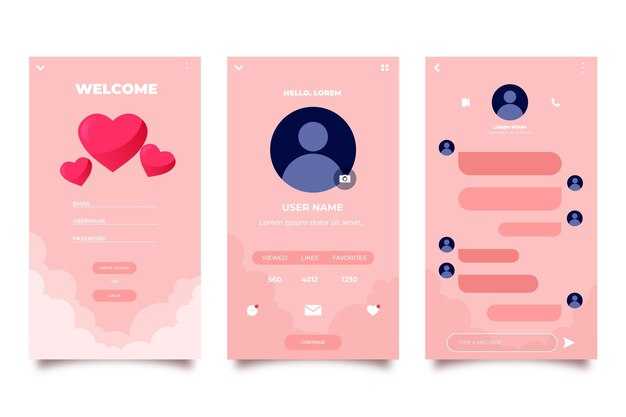
Use a concrete, profile-based opener that names a detail, asks a specific question, and ends with a low-effort call to action to win attention quickly.
Sweet prompts
- “Your smile in that trail photo made me pause – youve clearly found a good trail. What music helps you unwind after a hike?”
- “Genuine compliment: that portrait radiates calm. If someone asked you to pick one weekend ritual that builds trust, what would it be?”
- “Soft invitation: I noticed your plant shelf – any tips for someone with a brown thumb who wants to learn without killing everything?”
- Do reference a concrete detail to reduce awkwardness; a specific question is better than generic compliments.
- Don’t rely on lazy lines or multiple compliments in a row; they dilute authenticity.
- Once you’ve asked one clear question, pause and let they reply rather than piling on follow-ups.
Playful prompts
- “Perhaps you can settle this: if you could fall into any decade’s playlist, which era would you pick?”
- “Two truths and a lie – one involves a physical stunt. Guess which one and I’ll reveal mine.”
- “Pick a number 1–3: 1 = coffee, 2 = park walk, 3 = karaoke. Your choice tells me something about getting spontaneous.”
- Keep humor light so it opens curiosity rather than triggering fear of being judged.
- Playful prompts work best when they create a mini game or imaginative image; avoid sarcasm that could read as mean.
Confident prompts
- “Direct and simple: you seem into outdoor running – would you rather trade tips or meet for a short jog this weekend? Free to choose either.”
- “I respect clear answers: what’s one book or podcast you’ve learned from lately? If youre open to it, I’d love to hear the top takeaway.”
- “If they prefer something else, say so; this isn’t a script. Build trust by being straightforward and willing to meet boundaries.”
- State intent once, then wait; asking again immediately can erode trust.
- Use confident lines to offer options (coffee, walk, voice note) rather than demanding a number right away.
- Mix genuine curiosity with a calm tone – compliments are fine, but follow them with a concrete question that moves things forward.
Practical micro-rules
- Reference specific profile facts to get attention; generic praise falls flat.
- Balance emotional tone: sweet opens warmth, playful opens fun, confident opens clarity.
- Avoid physical requests too early; small asks reduce fear and awkwardness.
- If youve had coaching or practice, borrow one technique that helps you learn to read responses and adapt.
- Free yourself from needing perfect lines – clear intent and a smile in your words build genuine rapport.
 Наука про щасливі гормони – Як покращити свій психічний добробут">
 10 речей, які варто робити, коли відчуваєш самотність – практичні поради">
 36 Questions to Fall in Love – A Guided Conversation for Romance">
 Справжнє щастя – як знайти глибоку радість, яка триває">
 Як жити в моменті – прості поради щодо усвідомленості, щоб бути присутнім сьогодні">
 13 ознак того, що у ваших стосунках сильний фізичний зв'язок">
 Фінансова сумісність – малопомітний зелений прапор у здорових стосунках.">
 Тривожні розлади та пов'язані з ними стани – причини, симптоми та лікування">
 15 Практичних порад, як бути більш терплячим та знайти свій дзен">
 7 Причин, чому вам потрібен робочий найкращий друг – підвищення продуктивності та морального духу">


