Ukrainian
  English
  Russian
  French
  German
  Italian
  Spanish
  Polish
  Turkish
  Portuguese
  Greek
Greek  Arabic
  Korean
  Chinese
  Japanese
  Czech
Czech 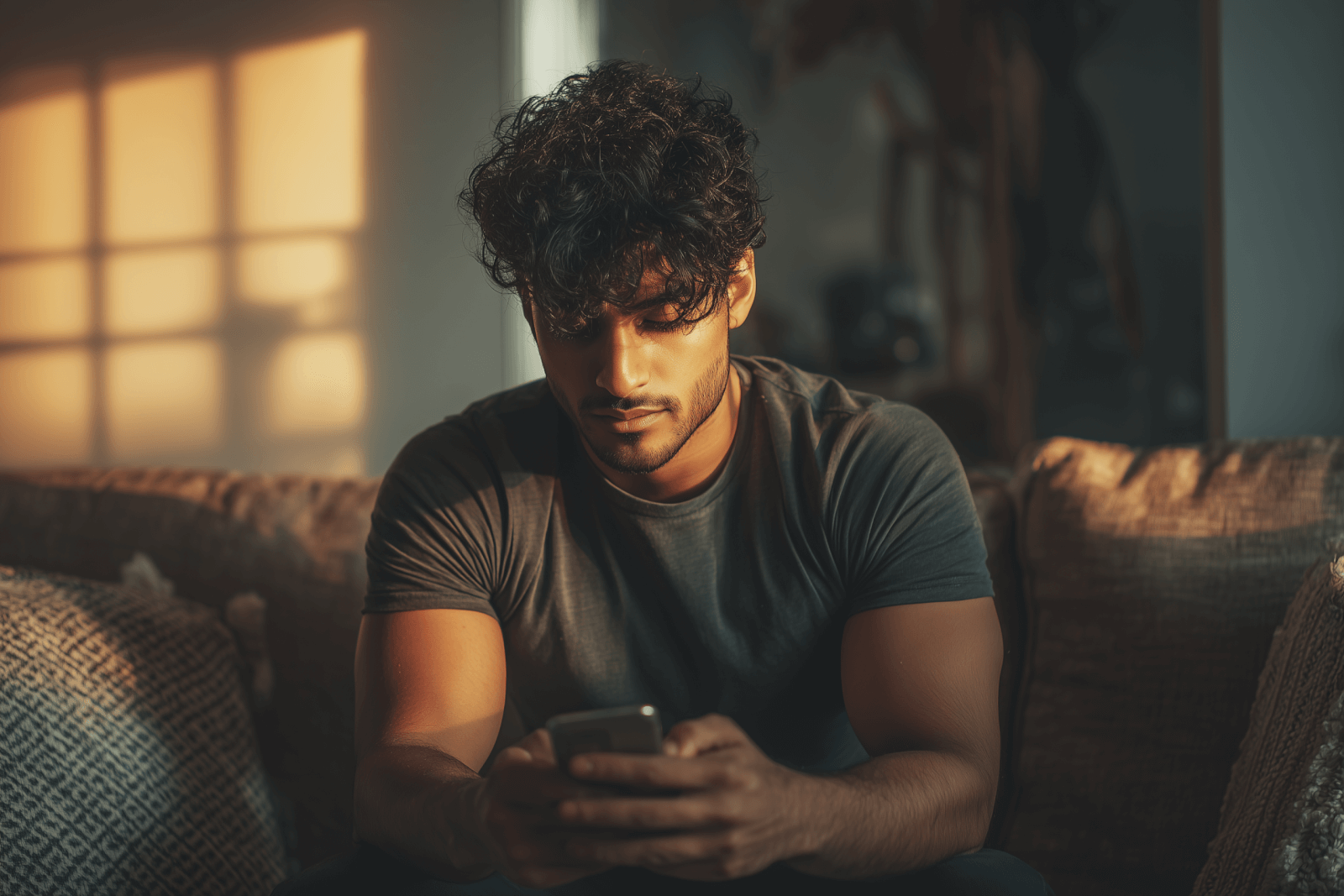

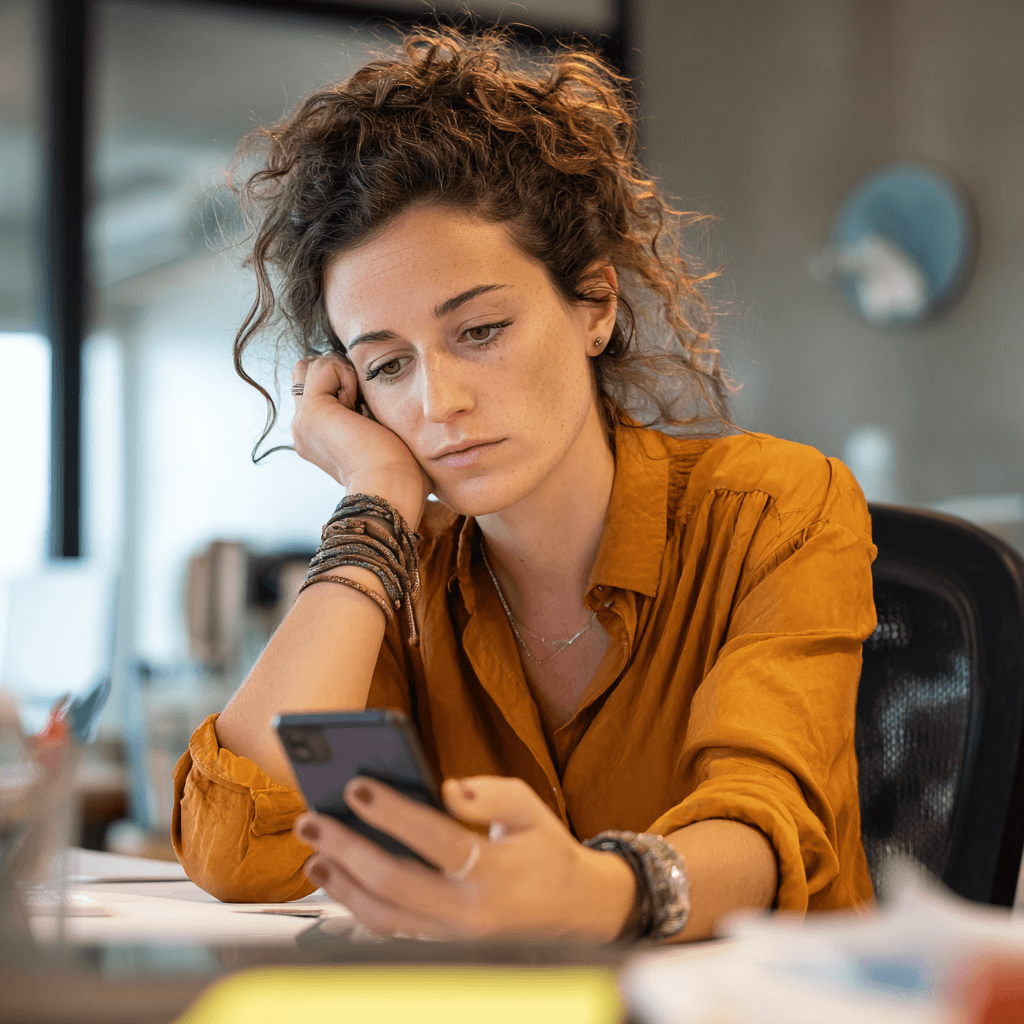
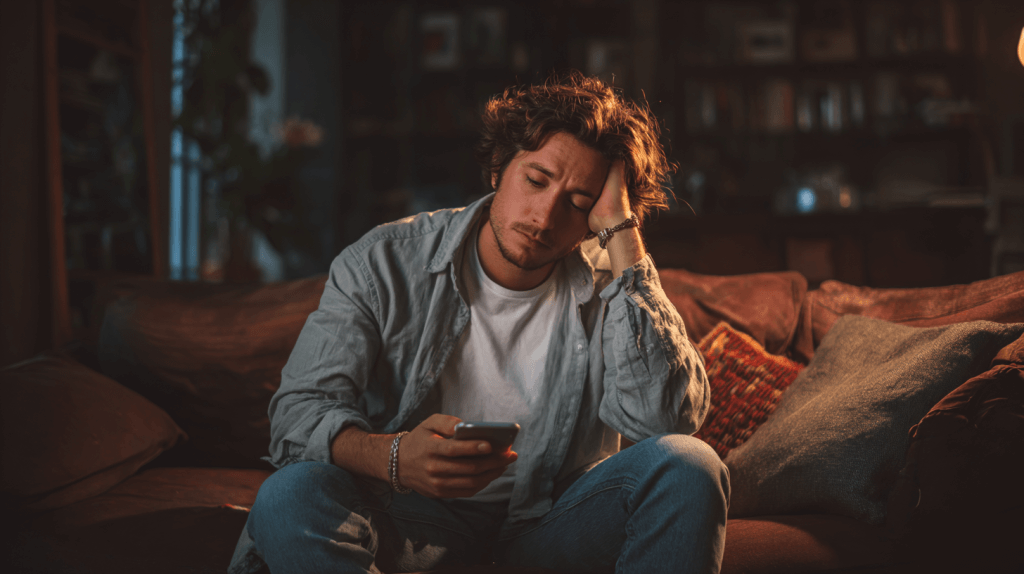
Dating apps were created to make meeting people easier. Instead, many users report feeling detached, exhausted, and strangely indifferent after long periods of use. Emotional numbness from dating apps is becoming a common experience in modern online dating, and it is not accidental.
This numbness develops gradually. At first, dating feels exciting and full of potential. Over time, repeated patterns of swiping, short conversations, and emotional disappointment begin to take a psychological toll.
What Emotional Numbness From Dating Apps Really Means
Emotional numbness from dating apps describes a state where feelings become muted. Users may stop feeling excitement, disappointment, or curiosity altogether. Instead of hope or desire, dating feels flat and mechanical.
This emotional response is not a personality flaw. It is often a sign that the emotional system is overloaded and protecting itself from further strain.
Dating apps require people to stay emotionally available while constantly evaluating others. When this balance breaks, numbness becomes a defense.
The Emotional Toll of App-Based Dating
The emotional toll of dating apps comes from repetition without depth. Each swipe promises connection, but most interactions never develop into anything real.
Over time, this mismatch creates fatigue. Emotional energy is spent, but rarely restored. Conversations end abruptly. Matches disappear. Interest fades without explanation.
This cycle slowly drains motivation and emotional presence.
How Swipe Fatigue Leads to Burnout
Swipe fatigue plays a major role in emotional burnout. The repetitive motion of swipe decisions keeps the brain in constant judgment mode.
Every swipe represents a small emotional investment. Even when users try to stay detached, the nervous system still registers hope and disappointment.
As swipe fatigue grows, dating begins to feel like work rather than exploration. Burnout follows when effort no longer feels meaningful.
Online Dating and the Illusion of Connection
Online dating creates the impression of endless access to partners, yet real connection becomes harder to find. Apps encourage speed rather than presence.
Instead of slowing down to connect, users are pushed toward constant swiping. This makes interactions feel interchangeable rather than personal.
When dating lacks emotional depth, numbness becomes a natural response.
Rejection Without Closure
Being rejected on dating apps often happens silently. A message goes unanswered. A match disappears. A conversation stops mid-flow.
This form of rejection is ambiguous, but still painful. Being rejected repeatedly without explanation chips away at emotional resilience.
Over time, people stop reacting at all. Numbness replaces disappointment as a way to cope.
Why Dating Starts to Feel Unreal
Many users describe app-based dating as unreal or disconnected from everyday life. Profiles feel curated. Conversations feel scripted.
This distance from reality contributes to emotional numbness from dating apps. When interactions lack authenticity, feelings struggle to develop.
Dating becomes something done on a screen rather than something felt in the body.
The Role of Apps in Emotional Detachment
Apps are designed for efficiency, not emotional safety. Fast swiping prioritizes quantity over quality.
As users move quickly from one potential to the next, emotional investment decreases. This protects against pain but also blocks genuine connection.
Eventually, even meaningful matches may fail to register emotionally.
Fatigue From Constant Decision-Making
Choosing who to swipe on requires continuous judgment. Over time, decision fatigue sets in.
This fatigue affects emotional responsiveness. Curiosity fades. Interest becomes harder to access. Dating feels repetitive rather than alive.
When the brain is exhausted, emotional engagement naturally shuts down.
Dating Burnout and Self Perception
Burnout can impact how people see themselves. When matches are scarce or conversations fail, self esteem may quietly erode.
Users may start questioning their attractiveness, value, or worth as partners. Even confident individuals can feel worn down.
This internal shift reinforces numbness as a form of self-protection.
Loneliness in a Crowded Space
Dating apps can increase loneliness despite constant interaction. Swiping offers contact without connection.
Users may chat with many people yet feel unseen. The absence of emotional reciprocity deepens isolation.
Emotional numbness becomes a way to survive this contradiction.
Ghosting and Emotional Shutdown
Ghosting is a common experience in online dating. Sudden silence can trigger confusion, anxiety, and self-doubt.
When ghosting happens repeatedly, users stop expecting continuity. Emotional shutdown follows.
Numbness reduces the sting but also reduces the ability to connect fully.
Anxiety, Depression, and Emotional Withdrawal
For some users, prolonged app use increases anxiety or depressive symptoms. Constant comparison, rejection, and uncertainty strain mental health.
Emotional withdrawal can feel like relief at first. Over time, it limits joy and curiosity.
Dating begins to feel heavy rather than hopeful.
Losing Authenticity in the Process
As fatigue grows, people often perform rather than show up authentically. Conversations become surface-level. Vulnerability feels risky.
Without authenticity, connection weakens further. Emotional numbness from dating apps deepens as real expression disappears.
The process becomes less human and more transactional.
Reconnecting With Real Emotional Experience
Recovering emotional responsiveness often requires stepping back. Taking breaks from apps allows the nervous system to reset.
Reconnecting with offline life helps restore emotional range. Real conversations, friendships, and embodied experiences bring feelings back online.
Dating works best when emotional capacity is intact.
Relational Self-Awareness and Healthier Dating
Relational self-awareness means noticing how dating affects emotional wellbeing. If numbness appears, it is a signal worth listening to.
Healthy dating is not about constant swiping. It is about presence, pacing, and emotional honesty.
When people protect their emotional health, connection becomes more possible again.
Заключні думки
Emotional numbness from dating apps is not a failure to care. It is often a sign of burnout, fatigue, and emotional overload.
Dating apps can be useful tools, but they are not neutral environments. Understanding their impact allows users to make conscious choices.
Sometimes the most important step toward real connection is stepping away from the game of swiping and returning to what feels human again.