Ukrainian
  English
  Russian
  French
  German
  Italian
  Spanish
  Polish
  Turkish
  Portuguese
  Greek
Greek  Arabic
  Korean
  Chinese
  Japanese
  Czech
Czech 

The emotional needs of men are often misunderstood, minimised, or left unspoken. Many men grow up learning how to provide, solve problems, and stay composed under pressure, but far fewer are taught how to express what they need emotionally. This silence does not mean those needs are absent. It simply means they are often expressed in indirect ways.
In any relationship, unmet emotional needs create distance, resentment, and confusion. When those needs are recognised and respected, connection deepens naturally. Understanding how men experience emotion, closeness, and stress helps build healthier relationships rooted in mutual respect rather than assumptions.
Why Emotional Needs in Men Are Often Overlooked
Social conditioning plays a major role in how men relate to their inner world. From a young age, many men are encouraged to suppress vulnerability and prioritise strength. Over time, this can make emotional expression feel risky or unnecessary, even though the need for connection remains.
Men feel deeply, but they may not always communicate feelings in the same way women do. Instead of verbal processing, men often show emotional engagement through actions, consistency, and time invested. When these efforts go unnoticed, they may feel unappreciated without knowing how to explain why.
The Core Emotional Needs Men Carry
At the heart of most male emotional experiences is the desire to feel valued. Emotional needs aren't about constant reassurance, but about knowing one's presence matters in the relationship. Men feel most secure when their contributions, efforts, and intentions are acknowledged.
Respect is one of the strongest emotional anchors for men. Feeling respected goes beyond politeness. It includes being trusted, taken seriously, and not constantly criticised. When respect is present, men are more open, communicative, and emotionally available. When it is missing, withdrawal often follows.
Emotional Intimacy and Connection
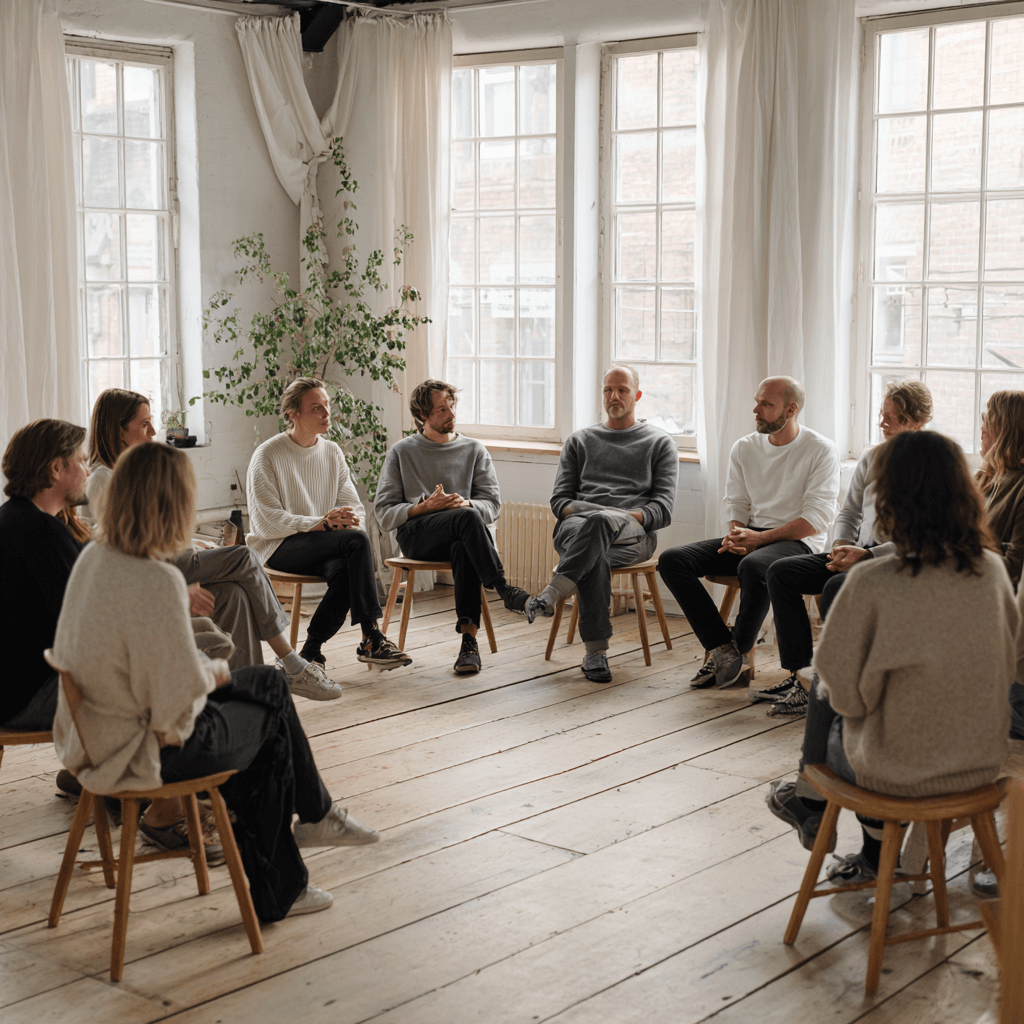
Emotional intimacy doesn't always look like deep conversations late into the night. For many men, intimacy grows through shared experiences, teamwork, and quiet closeness. Doing things together builds a sense of connection that feels natural rather than forced.
This doesn't mean men avoid emotional closeness. It means they might approach it differently. A relationship that allows space for both verbal sharing and nonverbal bonding supports emotional balance. Over time, safety encourages men to open up more directly.
Time as an Emotional Language
Time plays a powerful role in how men experience love. Giving time, making plans, and showing up consistently are ways men express care. At the same time, men also need time to decompress, especially when dealing with stress.
The phrase "need time" doesn't always mean distance from the relationship. Often, it reflects a need to process internally before re-engaging. When this need is respected rather than interpreted as rejection, trust strengthens.
A healthy relationship balances togetherness with space. Allowing room for individuality helps men return more present and emotionally available.
Feeling Loved and Accepted
To feel loved, men need acceptance for who they are, not just for what they provide. This includes acceptance of flaws, uncertainties, and emotional limits. When men sense that love is conditional, anxiety increases and openness decreases.
Praise and recognition go a long way. Simple acknowledgement of effort, whether emotional or practical, reinforces security. Men feel more motivated to invest when their actions are noticed rather than taken for granted.
Stress, Pressure and Emotional Withdrawal
Stress affects men deeply, even when it's not openly expressed. Work pressure, financial responsibility, and internal expectations can create emotional overload. When stress builds, men may retreat rather than talk it through.
This withdrawal is often misinterpreted as emotional unavailability or lack of interest. In reality, it's frequently a coping mechanism. Understanding this pattern allows partners to respond with support instead of confrontation, which reduces tension in the relationship.
The Importance of Understanding Without Forcing
One of the most overlooked emotional needs is the need to be understood without being pushed. Men open up best when they feel safe, not pressured. Repeated demands for emotional expression can feel overwhelming rather than supportive.
Listening without immediately trying to fix or analyse helps men feel heard. This kind of understanding builds trust and makes future emotional sharing more likely.
Respect and Acceptance in Daily Interaction
Respect shows up in everyday moments, not just big conversations. It appears in how disagreements are handled, how boundaries are honoured, and how opinions are treated. When respect is mutual, conflict becomes less threatening and more productive.
Acceptance allows men to be human rather than performative. A relationship that permits imperfection encourages honesty and emotional growth on both sides.
Space, Independence, and Connection
Men often need space to reconnect with themselves. This doesn't contradict closeness. In fact, space can strengthen connection when it's given freely rather than resentfully.
Independence allows men to maintain a sense of identity within the relationship. When individuality is supported, emotional investment feels like a choice rather than an obligation.
How Emotional Needs Shape Long-Term Relationships
When emotional needs are consistently met, relationships feel stable and energising. Men become more expressive, more affectionate, and more engaged. When those needs are ignored, distance and frustration slowly replace intimacy.
Healthy relationships are built on curiosity rather than assumptions. Taking time to understand how men experience emotion helps prevent miscommunication and unmet expectations.
Заключні думки
The emotional needs of men are real, meaningful, and essential to relationship health. Men need respect, time, acceptance, and connection to feel secure and valued. When these needs are honoured, emotional intimacy grows naturally.
Understanding doesn't require perfection. It requires patience, openness, and a willingness to see emotional expression beyond words. When both partners recognise each other's emotional language, relationships become more balanced, resilient, and deeply connected.