Ukrainian
  English
  Russian
  French
  German
  Italian
  Spanish
  Polish
  Turkish
  Portuguese
  Greek
Greek  Arabic
  Korean
  Chinese
  Japanese
  Czech
Czech 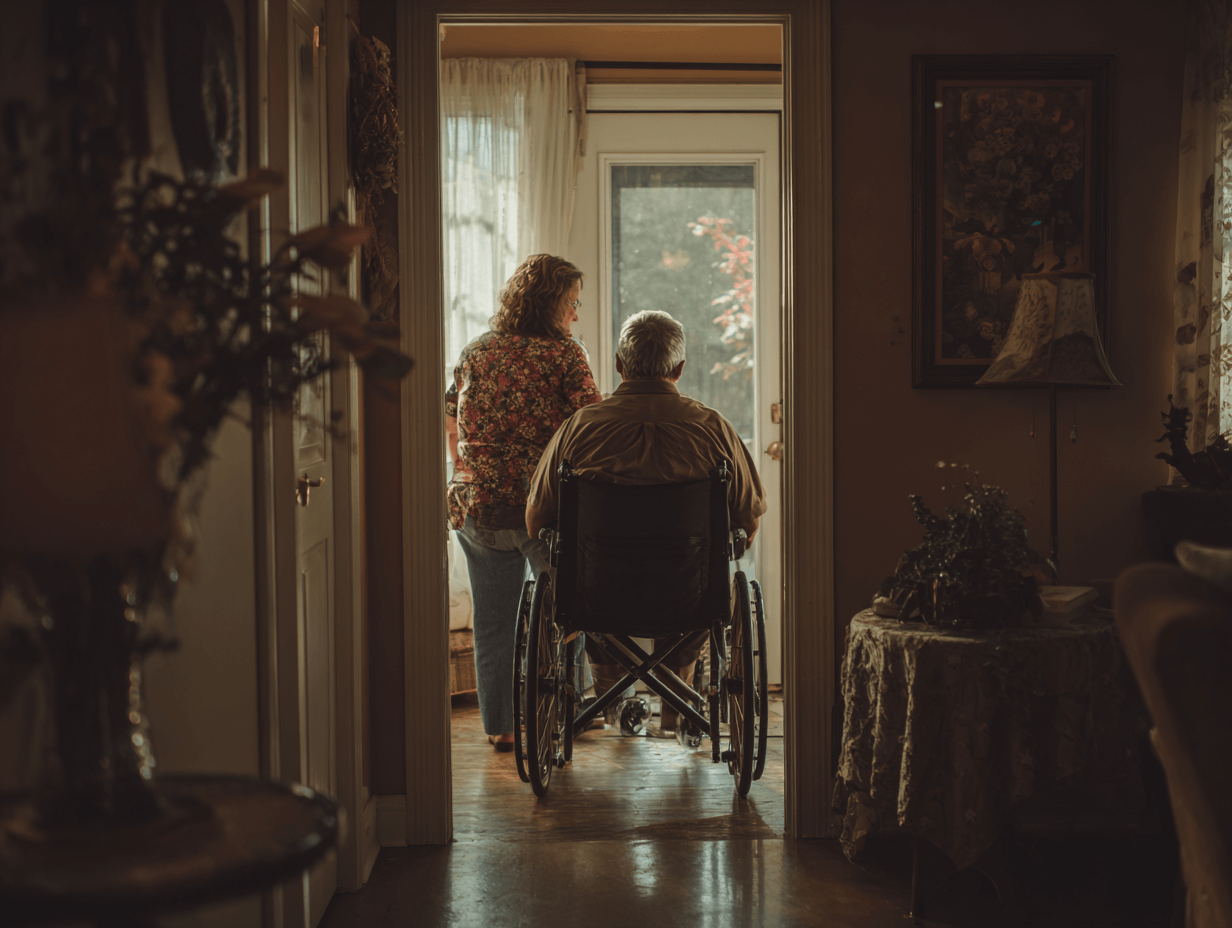

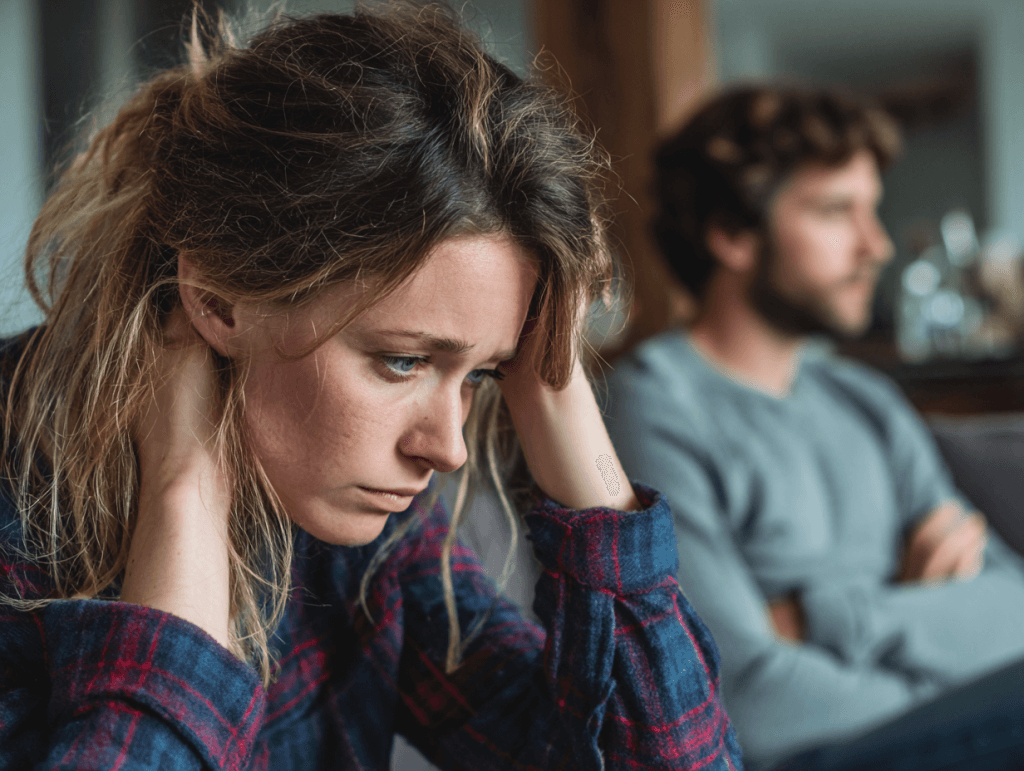
Ableism in relationship often goes unnoticed, even by people who experience it daily. While many assume ableism exists only in public spaces or institutions, it frequently appears in intimate partnerships, where its impact can be deeply personal and emotionally damaging. Because romantic relationships involve vulnerability, trust, and emotional closeness, ableist attitudes can quietly undermine connection while disguising themselves as “concern,” “honesty,” or “realism.”
Understanding how ableism operates in romantic dynamics is essential. Not only does it affect emotional safety, but it also shapes identity, communication, and long-term well-being. When left unaddressed, ableism reinforces inequality and harm, even between people who care about one another.
What Ableism Means in Romantic Relationships
Ableism refers to beliefs, behaviors, and systems that value certain bodies and minds over others. In romantic contexts, ableism in relationship appears when one partner views disability, chronic illness, or neurodivergence as a flaw rather than a natural part of human diversity.
Although ableism often feels subtle, it is rooted in discrimination. It assumes that non disabled people represent a standard that everyone else should meet. Consequently, disabled people may feel pressured to minimize their needs or justify their existence within the relationship.
Ableism manifests not only through actions but also through assumptions. When a partner believes that disability automatically limits love, attraction, or partnership potential, the relationship becomes unequal.
How Ableism Manifests in Intimate Partnerships
Ableism manifests in romantic relationships in ways that are often normalized by culture and society. While some behaviors appear openly dismissive, others hide behind politeness or concern.
For example, a partner may question the legitimacy of pain, dismiss mental health struggles, or frame accommodations as burdens. In other cases, ableist language emerges through jokes, comments, or “compliments” that reinforce stereotypes.
Although these moments may seem small, their cumulative effect can be profound. Over time, repeated ableism erodes emotional safety and mutual respect.
Common Signs of Ableism in Relationship
Recognizing signs of ableism is crucial for protecting emotional well-being. These signs do not always appear as overt hostility. Instead, they often surface as patterns.
A partner might downplay symptoms, resist adjustmentsабо frame disability as something to “fix.” In addition, they may prioritize their comfort over accessibility, even within shared spaces.
When these behaviors persist, the relationship stops being a place of support and becomes a source of stress and self-doubt.
Ableist Language and Why Words Matter
Ableist language plays a significant role in reinforcing harmful beliefs. Words shape perception, and repeated language choices influence how people view themselves and others.
In romantic relationships, ableist language may include minimizing phrases, comparisons to “normal” functioning, or casual remarks that equate disability with failure. Even when intent seems harmless, impact matters more.
Language reflects underlying values. When a partner refuses to adjust harmful language, it signals resistance to growth and accountability.
Why Ableism Is Harmful and Ignorant
Ableism is harmful because it denies lived realities. It reduces complex human experiences to stereotypes and assumptions, ignoring individual needs, strengths, and agency.
Moreover, ableism is rooted in ignorance. Historically, ableist systems grew from eugenics and exclusionary beliefs that ranked human worth. Although modern relationships may not explicitly endorse such ideas, remnants remain embedded in attitudes and expectations.
When ableism appears in romantic partnerships, it reinforces power imbalances. One partner becomes the authority on what is “reasonable,” while the other must constantly explain or defend their needs.
The Emotional Impact on Disabled People
Ableism deeply affects identity and self-worth. When a romantic partner questions someone’s capability or value, it can lead to internalized discrimination.
Disabled people may begin to doubt their desirability or feel guilty for having needs. As a result, they may silence themselves to preserve the relationship, even at personal cost.
This emotional strain often leads to isolation, anxiety, and exhaustion. Instead of feeling supported, the relationship becomes another system of pressure.
How Ableism Affects Intimacy and Trust
Intimacy thrives on trust, empathy, and mutual respect. However, ableism undermines each of these elements.
When a partner dismisses experiences or invalidates reality, trust erodes. Over time, emotional closeness becomes difficult to maintain because vulnerability feels unsafe.
Furthermore, ableism often disrupts communication. One partner may feel unheard, while the other believes they are being “practical” or “honest,” deepening the disconnect.
Examples of Ableism in Romantic Dynamics
Examples of ableism in relationships vary widely. Some are overt, while others appear subtle.
A partner may refuse to learn about a condition, treat accessibility needs as inconveniencesабо make decisions without consultation. In other cases, they may frame themselves as “patient” or “generous,” reinforcing unequal dynamics.
Although each example may seem minor, together they form a pattern of discrimination that damages the relationship.
The Role of Systems and Culture
Ableism does not exist in isolation. It is reinforced by systems, media narratives, and societal expectations that prioritize productivity, independence, and physical norms.
Romantic ideals often reflect these values, portraying love as effortless, flexible, and unrestricted by bodies or minds. Consequently, when reality differs, blame falls on disabled people rather than on unrealistic standards.
Understanding this broader context helps clarify why ableism appears so frequently, even among well-meaning partners.
How to Deal With an Ableist Partner
Addressing ableism in relationship requires clarity, boundaries, and self-respect. While every situation differs, certain principles remain consistent.
First, naming the behavior matters. Calmly explaining why specific actions or language are harmful opens the door to accountability. Education can help when ignorance drives behavior.
However, willingness to learn is essential. If a partner refuses to listen or change, the problem extends beyond misunderstanding.
Setting Boundaries Without Apology
Boundaries protect emotional health. In the context of ableism, boundaries clarify what behavior is unacceptable.
Setting boundaries does not mean asking for permission to exist. Instead, it affirms dignity and autonomy. A supportive partner will respect these limits, even when learning feels uncomfortable.
If boundaries are repeatedly violated, it signals a deeper issue within the relationship.
When Ableism Becomes a Dealbreaker
Not all relationships can or should be saved. When ableism persists despite clear communication, it may be necessary to reconsider the partnership.
Love does not justify harm. A relationship that consistently invalidates identity and lived experience cannot provide long-term safety.
Choosing to leave does not mean failure. It reflects self-respect and recognition of one’s worth.
Moving Toward Respectful Relationships
Healthy romantic relationships require mutual learning and adaptability. Partners grow together by listening, adjusting, and acknowledging difference without hierarchy.
Respect means believing people about their bodies and minds. It means understanding that accessibility and accommodation are not special treatment, but basic respect.
When ableism is replaced with curiosity and empathy, relationships become more resilient and authentic.
Conclusion: Confronting Ableism in Relationship
Ableism in relationship damages trust, intimacy, and emotional safety by reinforcing discrimination and ignorance. While it may appear subtle, its impact is profound, particularly for disabled people navigating love within ableist systems.
By recognizing signs, challenging harmful language, and setting firm boundaries, individuals can protect their identity and well-being. Ultimately, confronting ableism in relationship is not just about improving romance — it is about affirming human dignity and equality in the most personal space of all.