Russian
  English
  French
  German
  Italian
  Spanish
  Polish
  Ukrainian
  Turkish
  Portuguese
  Greek
Greek  Arabic
  Korean
  Chinese
  Japanese
  Czech
Czech 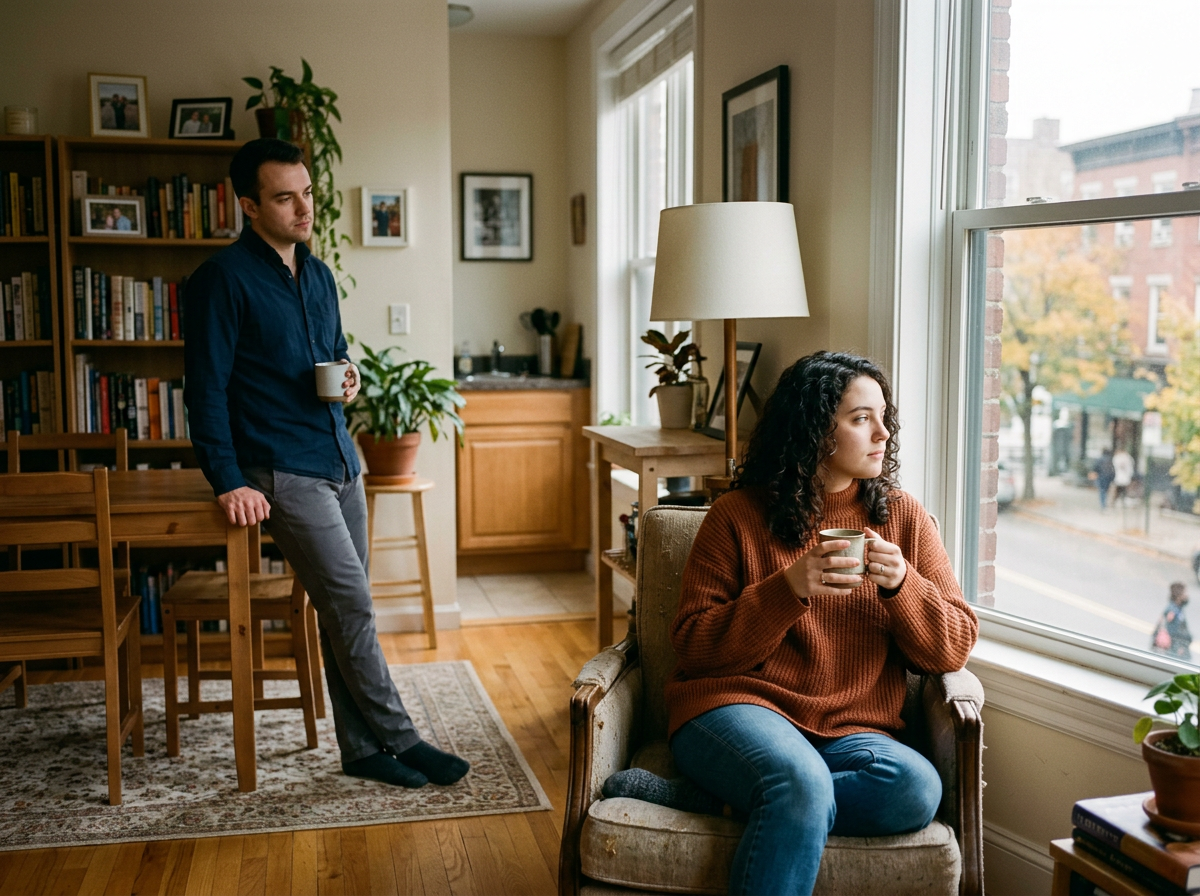

Wanting space in a relationship while also fearing emotional distance is one of the most common modern relationship paradoxes. Many people feel torn between the need for independence and the desire for closeness. This creates confusion, tension, and sometimes guilt.
The wanting space dilemma often appears when emotional needs shift but communication does not follow. One partner may feel overwhelmed and need breathing room, while the other worries that space means loss. This emotional push and pull can destabilize even strong bonds.
Understanding this paradox is essential. It helps couples separate healthy independence from emotional withdrawal. It also builds stronger awareness of how space can support, rather than damage, a relationship.
What Wanting Space Really Means in a Relationship
Wanting space in a relationship does not automatically signal distance or disconnection. In most cases, it reflects a need for emotional balance and personal clarity. People often use space to recharge, reflect, or reconnect with themselves.
The need for space can show up in different forms. Some people need quiet time after conflict. Others need room to focus on personal goals or friendships. This does not reduce their care for the relationship.
However, misunderstandings often arise. One partner may interpret space as rejection. The other may see it as essential breathing room. This mismatch creates emotional tension.
Healthy relationships allow room for both closeness and independence. The key is how space is communicated and understood.
Why Wanting Space Creates Fear in a Relationship
The paradox of wanting space often triggers fear in both partners. The person asking for space may fear being misunderstood. The other may fear abandonment or emotional distance.
This fear is often rooted in past experiences. If someone has experienced rejection before, even small requests for space can feel threatening. This emotional reaction is not always rational, but it is powerful.
At the same time, the person asking for space may also struggle. They may fear hurting their partner or damaging trust. This creates internal conflict.
When fear enters the dynamic, communication becomes more difficult. Words get misinterpreted, and intentions become unclear. This is where misunderstandings grow.
The Difference Between Healthy Space and Emotional Distance
One of the most important distinctions in any relationship is the difference between healthy space and emotional distancing. These two concepts are often confused, but they are not the same.
Healthy space strengthens a relationship. It allows individuals to maintain identity, explore passions, and recharge emotionally. It supports personal growth while keeping the connection intact.
Emotional distancing, on the other hand, reduces connection. It often involves withdrawal, avoidance, or lack of communication. Over time, it can weaken trust and emotional closeness.
The difference lies in intention and communication. Healthy space is openly discussed. Emotional distancing is often silent and confusing.
When couples understand this distinction, they can respond more calmly to the need for space.
Why Personal Space Is Essential in a Healthy Relationship
Personal space is not a threat to a relationship. In fact, it is often what keeps it healthy. Every individual needs time to process emotions, think independently, and reconnect with their own interests.
Without personal space, people can feel overwhelmed. This can lead to frustration or emotional burnout. Over time, this pressure can harm the relationship.
Space also helps individuals maintain their identity. It allows time for passions, friendships, and personal development. These elements strengthen emotional stability.
When both partners respect personal space, the relationship becomes more balanced. It reduces dependency and increases mutual respect.
The Common Misunderstanding Around Asking for Space
Many couples struggle with the phrase “asking for space.” It often sounds like a warning sign, even when it is not intended that way.
The misunderstanding usually comes from fear. One partner may hear “I need space” and immediately think something is wrong. This emotional reaction can escalate quickly.
However, asking for space can simply mean needing alone time. It does not always indicate problems in the relationship.
The challenge is communication. When partners clearly explain why they need space, the emotional impact becomes easier to understand.
Without explanation, assumptions fill the gap. This often leads to unnecessary tension.
How Space and Closeness Coexist in a Relationship
A strong relationship balances both space and closeness. These two needs are not opposites. They are complementary.
Closeness builds emotional connection. Space supports individuality. Together, they create stability.
When couples respect both needs, they reduce emotional pressure. Each partner feels free to grow while staying connected.
This balance requires awareness. It also requires ongoing communication about emotional needs and boundaries.
Without balance, one partner may feel suffocated while the other feels distant. This imbalance creates instability.
Communication: The Key to Managing Wanting Space
Communication is the most important tool when dealing with wanting space. Without it, misunderstandings grow quickly.
Partners should openly discuss their need for space before tension builds. This includes explaining what kind of space they need and why.
Clear communication helps reduce fear. It reassures the other person that space is not rejection.
It also allows couples to set expectations. For example, they can agree on how long space is needed or how they will stay in touch.
When communication is consistent, space becomes a healthy part of the relationship rather than a source of conflict.
How to Respond When Your Partner Needs Space
Hearing that your partner needs space can be difficult. It may trigger insecurity or fear of loss. However, the response plays a crucial role in the outcome.
The first step is to stay calm. Reacting emotionally can increase tension.
Next, try to understand the reason behind the request. Often, it is not about rejection but emotional overload or stress.
It is also important to respect the request. Giving space does not mean disconnecting from the relationship. It means allowing room for balance.
Trust plays a key role here. When trust is strong, space feels less threatening.
How Much Space Is Healthy in a Relationship?
There is no universal rule for how much space a relationship needs. Every couple is different.
Some partners need daily alone time. Others may need occasional breaks after emotional intensity.
What matters most is mutual understanding. Both partners should feel comfortable with the arrangement.
If one person consistently feels neglected or overwhelmed, adjustments may be needed.
Healthy space should never feel like abandonment. It should feel like respect for individuality.
When Wanting Space Becomes Emotional Withdrawal
There is a point where space stops being healthy and becomes emotional withdrawal. This shift is subtle but important.
Emotional withdrawal often involves reduced communication, avoidance, or lack of emotional engagement. Unlike healthy space, it creates distance without clarity.
This can trigger fear in the other partner. They may feel disconnected or uncertain about the future of the relationship.
When this happens, it is important to address it directly. Avoiding the issue only increases emotional separation.
Couples should revisit expectations and clarify intentions. This helps restore balance and understanding.
Building Trust Around Space in a Relationship
Trust is essential when managing space in a relationship. Without trust, even small periods of alone time can feel threatening.
Building trust starts with consistency. When partners follow through on their words, emotional security increases.
It also involves emotional honesty. Sharing feelings openly reduces misunderstanding.
Respect is equally important. Giving each other room to breathe without judgment strengthens the bond.
Over time, trust transforms space from a source of fear into a source of stability.
Conclusion: Turning the Paradox Into Balance
The paradox of wanting space but fearing distance is common in modern relationships. It reflects a deeper tension between independence and connection.
However, this paradox does not have to create conflict. With clear communication, mutual respect, and emotional awareness, couples can turn space into a strength rather than a weakness.
Understanding the difference between healthy space and emotional distancing is key. One supports growth, while the other creates separation.
When couples learn to navigate this balance, they build stronger, more resilient relationships. In the end, space does not weaken connection. When handled with care, it can actually deepen it.