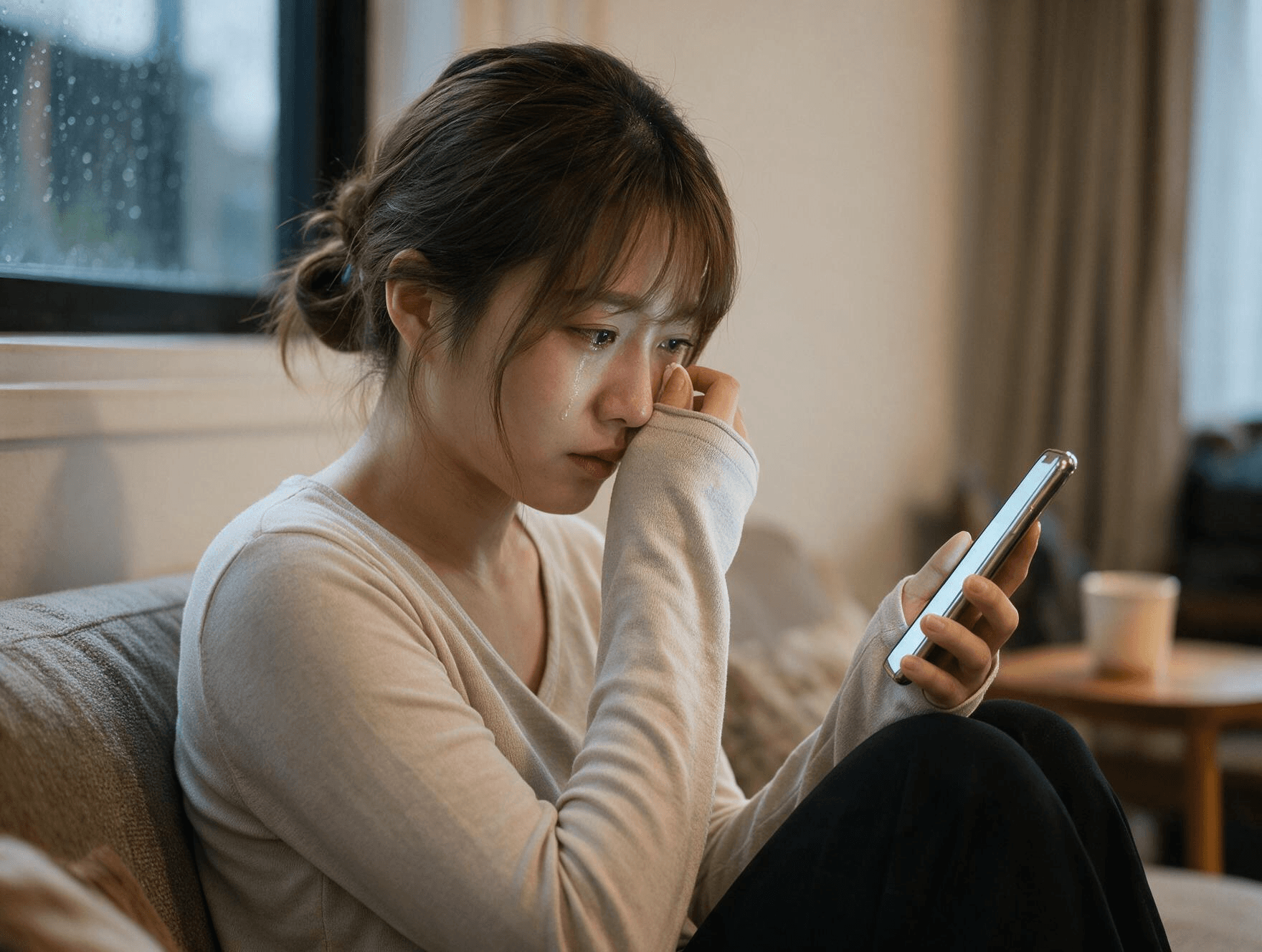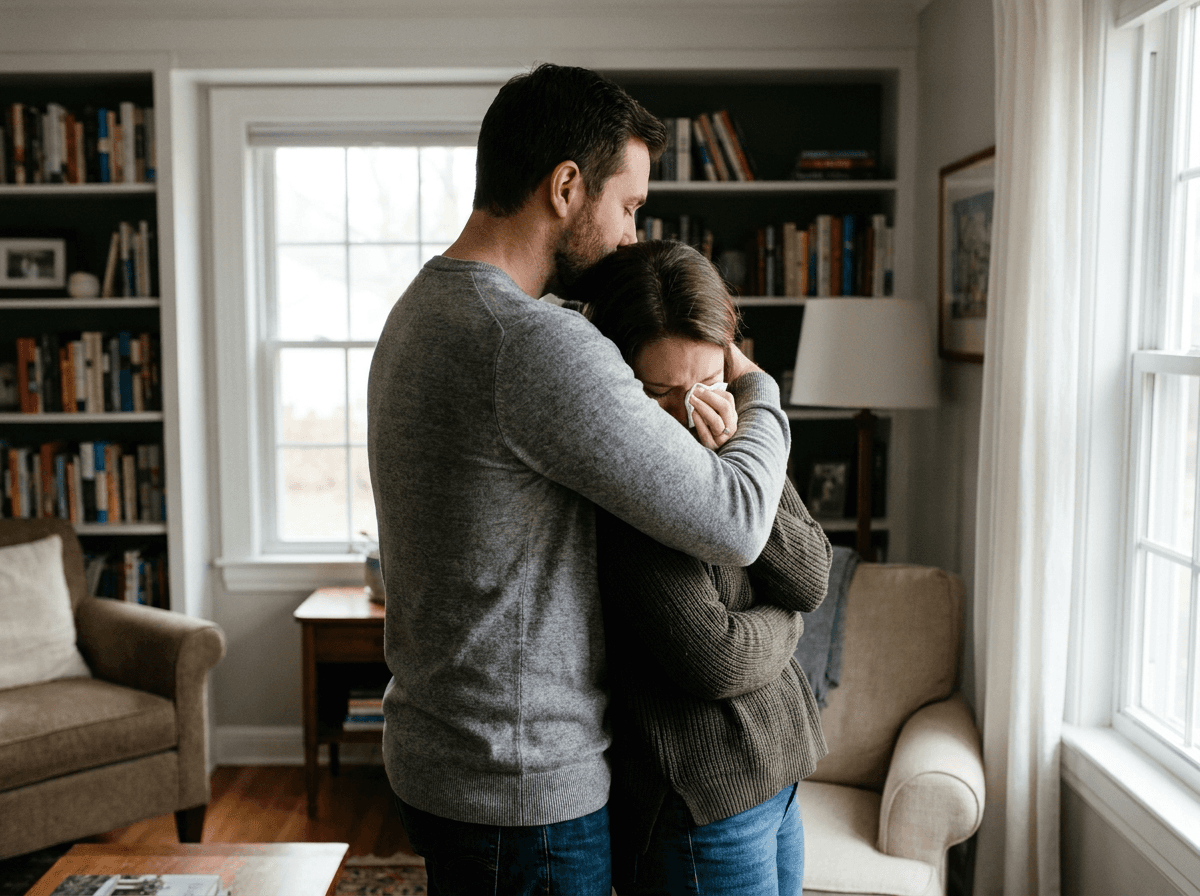

Интенсивность вместо стабильности в отношениях — это модель, которая часто кажется захватывающей на первых порах, но со временем может стать эмоционально дестабилизирующей. Многие люди тянутся к эмоциональным подъемам, сильной страсти и непредсказуемой динамике, а не к спокойной и последовательной связи.
Интенсивность вместо стабильности в отношениях — это не просто предпочтение возбуждения. Часто она отражает более глубокие психологические паттерны, эмоциональное обусловливание и потребности в привязанности. Хотя интенсивность может создавать мощное притяжение, она также способна подрывать долгосрочный эмоциональный баланс и безопасность.
Понимание причин, по которым люди выбирают интенсивность вместо стабильности в отношениях, помогает объяснить повторяющиеся циклы страсти, конфликтов и эмоционального истощения. Оно также раскрывает, почему стабильные отношения иногда кажутся «скучными» тем, кто привык к эмоциональным крайностям.
В этой статье рассматривается психология, стоящая за выбором интенсивности вместо стабильности в отношениях, причины формирования такого паттерна и почему он может стать нездоровым в долгосрочной перспективе.
Интенсивность вместо стабильности в отношениях: что это значит на самом деле
Интенсивность вместо стабильности в отношениях подразумевает предпочтение эмоциональных подъемов, драматичных взаимодействий и сильной страсти, а не спокойной и предсказуемой связи.
В этой модели эмоциональная интенсивность становится главным источником притяжения. Отношения могут казаться захватывающими, быстро развивающимися и полностью поглощающими. Однако они также могут ощущаться нестабильными или непредсказуемыми.
Стабильность, напротив, включает последовательность, эмоциональную безопасность и ровное общение. Когда человек постоянно выбирает интенсивность вместо стабильности в отношениях, он может бессознательно избегать эмоционального спокойствия.
Такая динамика способна создавать цикл, в котором за эмоциональными подъемами следуют спады. Отношения кажутся мощными, но при этом изматывающими.
Читайте также: Эмоциональная гравитация в дейтинге: Почему некоторые люди притягивают вас сильнее, чем другие
Психология выбора интенсивности вместо стабильности в отношениях
Психология выбора интенсивности вместо стабильности в отношениях часто связана с ранним эмоциональным опытом. Люди, выросшие в непредсказуемой эмоциональной среде, могут ассоциировать интенсивность с любовью.
В таких случаях спокойствие может казаться незнакомым или даже некомфортным. Стабильность иногда ошибочно воспринимается как эмоциональная дистанция, а не как безопасность.
Психология также указывает, что мозг сильно реагирует на эмоциональные подъемы. Интенсивные переживания активируют системы вознаграждения, создавая ощущение возбуждения и привязанности.
Это подкрепляет паттерн поиска интенсивности вместо стабильности в отношениях. Эмоциональный «кайф» начинает ассоциироваться со связью.
Со временем это может сформировать поведенческую петлю. Человек бессознательно ищет партнеров или ситуации, которые воссоздают эмоциональную интенсивность.
Почему выбор интенсивности вместо стабильности в отношениях кажется аддиктивным
Интенсивность вместо стабильности в отношениях может казаться аддиктивной из-за эмоционального цикла, который она создает. За моментами сильных эмоций следуют эмоциональные спады, что усиливает тягу к воссоединению.
Этот цикл напоминает паттерны, наблюдаемые в других формах эмоционального подкрепления. Непредсказуемость повышает вовлеченность и эмоциональную сосредоточенность.
Читайте также: Стратегия выхода из отношений: Почему некоторые люди всегда уходят первыми
Когда отношения очень интенсивны, каждое взаимодействие кажется значимым. Небольшие моменты несут большую эмоциональную нагрузку.
Это создает ощущение срочности и эмоциональной зависимости. Стабильность, напротив, кажется более медленной и менее стимулирующей.
Однако то, что ощущается как страсть, часто является эмоциональной дисрегуляцией. Система привыкает к эмоциональным крайностям, а не к балансу.
Интенсивность вместо стабильности в отношениях и паттерны привязанности
Стили привязанности играют важную роль в выборе интенсивности вместо стабильности в отношениях. Люди с тревожной привязанностью могут искать постоянного подтверждения через эмоциональную интенсивность.
Те, у кого есть избегающие тенденции, также могут вносить вклад, создавая дистанцию, что усиливает интенсивность при воссоединении.
Такая динамика «тяни-толкай» порождает эмоциональную нестабильность. Отношения определяются циклами близости и отдаления.
Для пары это может ощущаться как сильная страсть. Но психологически это отражает нестабильность, а не надежную связь.
Читайте также: Зависимость от фазы медового месяца: Почему некоторые люди любят свидания, но ненавидят отношения
Надежная привязанность, напротив, больше соответствует стабильности. Она ставит во главу угла доверие, общение и эмоциональную последовательность.
Почему стабильность может казаться «скучной» в отношениях
Для некоторых людей стабильность в отношениях кажется незнакомой. Без эмоциональных подъемов связь может восприниматься как менее захватывающая.
Такое восприятие часто формируется прошлым опытом. Если раньше любовь ассоциировалась с интенсивностью, спокойствие может не регистрироваться как эмоциональная связь.
Отсутствие эмоциональных крайностей иногда ошибочно принимается за недостаток страсти. Однако стабильность часто поддерживает более глубокую близость со временем.
Напротив, интенсивность вместо стабильности в отношениях может создавать иллюзию глубокой связи, ограничивая при этом эмоциональный рост.
Задача заключается в переосмыслении того, как выглядит эмоциональное удовлетворение в долгосрочных отношениях.
Эмоциональные издержки выбора интенсивности вместо стабильности в отношениях
Выбор интенсивности вместо стабильности в отношениях часто приводит к эмоциональному истощению. Постоянные подъемы и спады создают стресс для обоих партнеров. Со временем эмоциональная регуляция становится затруднительной. Отношения могут ощущаться непредсказуемыми и изматывающими.
Читайте также: Почему некоторые люди постоянно неправильно интерпретируют романтические сигналы — и что вызывает эту слепоту
Конфликты становятся более частыми, а разрешение — более сложным. Периоды эмоционального восстановления укорачиваются, оставляя мало места для рефлексии. Такой паттерн также может влиять на самооценку. Люди начинают сомневаться в своих эмоциональных потребностях или сами чувствуют нестабильность.
Хотя интенсивность может казаться значимой, она часто не имеет фундамента, необходимого для долгосрочной эмоциональной безопасности.
Как выбор интенсивности вместо стабильности в отношениях влияет на общение
Общение в интенсивных отношениях часто носит реактивный, а не рефлексивный характер. Разговоры могут происходить на пике эмоций или во время конфликтов. Это приводит к недопониманию и усиленным эмоциональным реакциям. Спокойные обсуждения становятся редкостью.
Без стабильного общения партнерам трудно строить долгосрочное понимание. Эмоциональная ясность заменяется эмоциональной реакцией. В стабильных отношениях, напротив, приоритет отдается последовательному общению. Это снижает вероятность неправильного толкования и укрепляет доверие.
Когда доминирует интенсивность, общение становится частью эмоционального цикла, а не инструментом разрешения.
Роль страха в выборе интенсивности вместо стабильности в отношениях
Страх часто лежит в основе выбора интенсивности вместо стабильности в отношениях. Страх abandonment, эмоциональной пустоты или скуки может влиять на поведение.
Интенсивность может временно маскировать эти страхи. Эмоциональные подъемы отвлекают от глубинной неуверенности. Однако динамика, движимая страхом, редко приносит lasting удовлетворение. Вместо этого она укрепляет нестабильность.
Читайте также: Хроническое чрезмерное инвестирование: Почему некоторые люди идут ва-банк до того, как другой человек принял решение
Стабильность требует эмоциональной толерантности. Она подразумевает комфорт с спокойными моментами и доверие к последовательности. Без работы со страхом человек может продолжать повторять одни и те же реляционные паттерны.
Как разорвать паттерн выбора интенсивности вместо стабильности в отношениях
Разрыв цикла выбора интенсивности вместо стабильности в отношениях требует прежде всего осознания. Признание паттерна — основа изменений.
Следующий шаг — научиться терпеть эмоциональное спокойствие. Сначала это может быть некомфортно, но необходимо для роста.
Развитие навыков эмоциональной регуляции помогает снизить зависимость от интенсивности. Сюда входят рефлексия, общение и самосознание.
Выбор партнеров, которые ценят последовательность, также может поддержать изменения. Стабильные отношения предоставляют пространство для эмоционального исцеления.
Со временем человек может понять, что связь не требует эмоциональных крайностей, чтобы быть значимой.
Перестройка более здоровых ожиданий от отношений
Перестройка ожиданий от отношений — ключ к отказу от выбора интенсивности вместо стабильности в отношениях.
Это включает переопределение того, как ощущается любовь. Вместо эмоционального хаоса любовь может быть ровной, поддерживающей и безопасной. Здоровые отношения по-прежнему включают страсть, но она не зависит от конфликтов или эмоциональной нестабильности.
Психология показывает, что долгосрочное удовлетворение теснее связано со стабильностью, чем с интенсивностью. Умение ценить последовательность позволяет достичь более глубокой эмоциональной близости и healthier паттернов связи.
Заключение
Интенсивность вместо стабильности в отношениях — мощный эмоциональный паттерн, сформированный психологией, привязанностью и прошлым опытом. Хотя интенсивность может казаться захватывающей и значимой, она часто обходится ценой эмоциональной стабильности и долгосрочного удовлетворения.
Со временем этот паттерн может создавать циклы эмоциональных подъемов и спадов, которые напрягают обоих партнеров. Без осознания разорвать его становится сложно.
Однако признание паттерна — первый шаг к изменениям. Понимая разницу между интенсивностью и стабильностью, человек может начать строить более здоровые и надежные отношения.
В конечном счете lasting связь определяется не эмоциональными крайностями, а последовательностью, доверием и эмоциональным балансом.
Материалы носят информационный характер и не заменяют консультацию психолога, психотерапевта или другого профильного специалиста.