

 Portuguese
  English
  Russian
  French
  German
  Italian
  Spanish
  Polish
  Ukrainian
  Turkish
  Greek
Greek  Arabic
  Korean
  Chinese
  Japanese
  Czech
Czech  O Que Importa aos Homens em um Primeiro Encontro – Qualidades e Dicas Chave">

While dating, send a compact confirmation 24 hours and again 2 hours before the evening: exact address, arrival window and any parking or transit notes. This reduces the chance someone will be late or worried; once logistics are agreed each person can focus on the exchange instead of logistics and micro-anxieties.
Appearance and practical energy: aim for a fresh look–clean, well-fitting clothes, light grooming and a neutral scent. People are likely to be impressed by neatness and a relaxed posture; choose an outfit that lets you move and work with a natural smile. Avoid outfits that require constant adjustment during a long conversation.
Conversation structure: open with two targeted questions and one observation about the venue to show attention without interrogation. Mirror tone and feelings rather than offering immediate fixes: ask how they feel about a topic, pause to listen, then add a short related anecdote. If someone is already megadating, state availability and boundaries plainly; honesty creates peace and prevents constantly checking motives. Note which topics to avoid on an opening meeting (ex-partners, detailed finances, long medical histories).
Close the evening with a clear signal: if you want another meeting, say so within an hour; if you need time, send a brief message the next morning. Everyone responds better to specific signals than to ambiguity, and this method shortens the follow-up period so interest doesn’t decay or leave you wondering whether it will last long.
Convenience-focused qualities men notice immediately
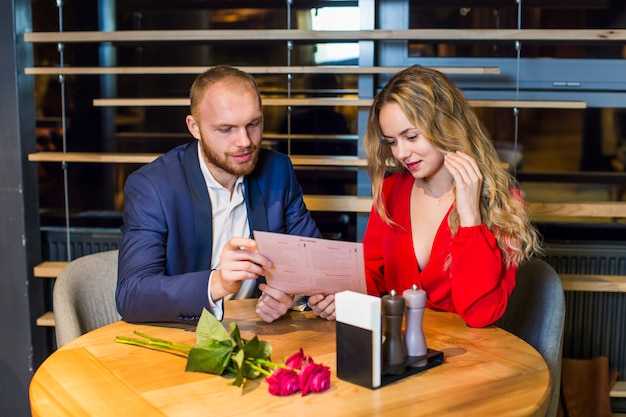
Wear a presentable outfit and arrive 5 minutes early; that amount of punctuality will signal respect and reduce friction in the first 10–15 minutes of conversation.
If youve been tied up or gone over time, message ahead – showing consideration lets the other person adjust their schedule and keeps you from looking careless. Keep your phone silent and out of sight to avoid interrupting flow and making yourself seem distracted.
Lead with neutral interests: mention music or local arts to get the mood in tune and invite easy exchanges. Small talk tends to land better than heavy topics; save politics and core beliefs for after a few dates to avoid derailing connection.
Hold the door, offer a coat when appropriate, and read body language quickly; letting a girl know she’s comfortable will make her more keen to continue. Maintain a relaxed posture and avoid resume-style monologues about work – state relevant facts about yourself, not a career dossier.
Appearance cues that register fast: neat grooming, minimal scent, and a clear smile. Having a clean, put-together look is often more attractive than an elaborate outfit; mens first glance typically registers appearance and posture in under 7 seconds.
Control practical details: limit alcohol amount to one drink in the first hour, decide what logistics you’ll handle (transport, time), and split incidental costs when appropriate so no one has to deal with awkwardness. After the date, send a short message within 12 hours to confirm interest or closure.
| Quality | Action | Time / Amount |
|---|---|---|
| Presentable appearance | Neat grooming, simple outfit | 5–10 minutes prep |
| Punctuality | Arrive early or message if delayed | 5 minutes early / message if gone over 10 |
| Conversation tone | Bring up music or arts, avoid politics | Light topics first; beliefs after 3+ meetings |
Choose a nearby, familiar venue to reduce travel stress

Pick a venue within a 15-minute drive or a single transit transfer so total travel stays under 20 minutes; reserve a specific table and confirm parking or nearest ride-share pickup to keep arrival logistics simple and predictable.
Prefer locations you or the woman have visited before: familiarity reduces unknowns, lowers anxiety without sacrificing novelty, and allows more genuine, deep conversation because cognitive load is lower. Check noise levels (aim for conversational range under ~65 dB), lighting around 2700K–3000K, and table placement near the entrance to avoid long walks that tax the body or require wardrobe changes.
Bring several contingency options: a second nearby backup venue, an indoor-outdoor choice, and menu screenshots to avoid surprises for dietary restrictions. If one person is a client or paying, clarify payment expectations ahead via brief message to prevent an awkward moment at the end; still offer to split if that feels better for both.
From a psychology standpoint, reducing travel time allows authenticity to surface faster and makes it more compelling to stay engaged – people think more about connection and less about logistics. Sometimes a short commute translates into more time together and a higher chance you’ll both feel comfortable enough to show what you love and be myself while keeping things stylish but not overtly sexy.
Practical checklist: confirm transit/parking, reserve a table near entrance, test noise level online or by phone, plan outfit for body comfort, allow a 30-minute buffer for delays, and have an exit plan if either party wants something else sooner; these steps make the outing feel better and worth repeating.
Offer clear meeting time and a visible landmark to avoid confusion
Set an exact clock time (e.g., 19:15) and name one visible landmark within 30–50 m; send a photo and a map pin immediately after confirming.
- Choose the landmark: pick a cafe entrance, plaza statue, or a store window–avoid shallow markers like small signs; female partners find prominent, well-lit spots easier to spot.
- Confirm the minute: state the precise minute and include a 5–10 minute buffer; given transit variability, have a fallback plan and agree on whether to wait inside or outside.
- Payment clarity: if paying was discussed, say “I’ll be paying” or “let’s split” before arrival; if one partner rejects the offer, move on to deeper topics rather than letting payment stall the evening.
- Decide the exact waiting posture: stand by a bench, the entrance, or the bike rack so both know where to look; this small quality decision reduces scanning and awkwardness.
- Send a compelling message copy: one photo, one short sentence, a live map link and the time stamp – youd avoid multiple messages that confuse the meet-up.
- If plans change today, update the pinned message and send a fresh photo; wiping older messages or sending similar blurred images creates confusion through noise.
- Next-best option: agree on a nearby alternate (e.g., “if not here, meet at the taxi stand 40m east”) and confirm that instruction before leaving your location.
- Use small charm, not filler banter: quick hello lines are fine, but aim for meaningful conversation soon after the arrival to move beyond shallow small talk toward deeper connection.
- Manage the moment: if someone’s more than 15 minutes late, ask whether they want to reschedule; theres no gain in waiting indefinitely–admit inconvenience and propose a better time.
- Impress through clarity: act like a director–stage lighting, noise level and exact spot matter; this one thing increases the chance the meeting will feel deep rather than rushed.
- Practical tips: state expectations (on time, paying, waiting place), confirm with a photo, and check in if you’ve been delayed; clear signals mean fewer awkward silences after arrival.
Pick activities with built-in flexibility for early exit or extension
Choose a low-commitment activity type that fits a 45–75 minute window: coffee, a short museum wing, a park walk or a sunday afternoon farmers market; these options sometimes please both people and reduce pressure if chemistry doesn’t develop.
Set a clear time-ahead plan: announce you’ll have an hour free and agree a simple signal for extension. If something happens or you don’t feel safe, use discreet texting to a friend and a prepared excuse (early meeting, visiting family). Prepare brief scripts for requests and rejects so responses stay polite and fast.
Pick venues that can become more or less involved: a coffee spot that turns into a casual bar at night, a park near restaurants, a museum with nearby cafés. Contrast that with long-ticket events like 2+ hour shows where early exit is awkward. Many female contacts prefer scalable plans that let the same meeting shift without pressure; this keeps a balance between flirt and conversation.
Match activity choice to goals: if one person is looking for light conversation, keep it short; if both are interested in depth, plan a longer follow-up ahead. Keep safety practical: choose public locations, share live location with a friend, and avoid home visiting until trust builds. Check local reviews or источник so the spot’s atmosphere makes an exit or extension worth less awkwardness across your social world.
Dress comfortably while matching the venue’s formality
Match your outfit to the venue: casual coffee or daytime bar – dark slim jeans, plain tee or fitted blouse, clean low-top sneakers or loafers; casual-smart restaurant – chinos or skirt, loafers or low heels (≤2.5 in), unstructured blazer; upscale dinner or theatre – tailored suit or sheath dress, polished leather shoes, a single statement accessory. Break in shoes for at least 2–3 hours in advance and avoid brand-new soles on a long outing.
Priorize detalhes de conforto: escolha tecidos com ≥60% fibras naturais (misturas de algodão/linho/lã) para reduzir o superaquecimento e o vinco; traga uma camada leve para interiores com ar condicionado; mantenha comprimentos de bainha e cortes de manga que permitam gestos naturais e sem puxões. Embale um pequeno kit de emergência (curativo, fita dupla face transparente, lenço para remover manchas) para mantê-lo estável caso algo aconteça.
Deixe a roupa apoiar a conversa e a conexão: uma paleta neutra mais uma cor de destaque atrai a atenção para o rosto e mantém a troca de ideias focada em você, não nas suas roupas. Um aroma leve e discreto – um spray atrás de cada orelha – engaja os sentidos sem ser avassalador. Se uma peça não foi confortável durante um teste rápido, troque-a; o desconforto distrai e dificulta o início de uma interação relaxada, seja sobre carreira ou planos de fim de semana.
Escolha sapatos por superfície: grama ou cascalho – evite saltos agulha, opte por plataformas ou saltos bloco; paralelepípedos ou longas caminhadas – escolha sapatilhas confortáveis ou tênis limpos; bares com espaço limitado – salto mínimo e bom suporte para o arco. Para um planejamento de passeio de algumas horas, teste o look na sua rotina em casa (caminhe, sente-se, escadas) para saber o que pode precisar de ajuste.
Vista-se de acordo com o seu gosto pessoal, ao mesmo tempo que presta atenção aos sinais sociais da ocasião. Adapte-se naturalmente se o visual da outra pessoa for mais ou menos formal – um elogio rápido pode resetar o tom e iniciar um bate-papo leve e amigável. Ao se despedir, o conforto demonstra: uma postura confiante, um apoio firme e uma roupa com a qual você não teve razão para se preocupar deixam uma impressão duradoura melhor do que um visual exageradamente estilizado.
Concorde sobre os planos de pagamento e transporte com antecedência para evitar constrangimentos
Defina as expectativas de pagamento e transporte antes de se encontrar: propor pagar quantias exatas para alimentação e transporte, oferecer opções de pagamento (dinheiro, aplicativo, cartão) e especificar quem pagará qual parte. Se uma pessoa já preferir cobrir, diga isso e confirme o recebimento da oferta para que a outra possa aceitar ou contrapropor.
Ao decidir entre os passeios, liste opções concretas: encontrar-se perto do transporte público, dividir a tarifa de um táxi ou concordar com um endereço de entrega se você planeja dirigir. Troque os horários de chegada e uma breve observação sobre onde fica o banheiro no local para evitar pausas que criem silêncios constrangedores durante o passeio.
Use clear language about intentions: uma mensagem que diz “Eu pago a comida, você pega o transporte” reduz sentimentos ansiosos e previne sinais mal interpretados. Estudos de psicologia mostram que a logística explícita diminui o estresse social e faz com que ambas as pessoas se sintam mais confortáveis, em vez de tentar impressionar competindo para pagar.
Lidar com mudanças inesperadas de forma pragmática: se os planos mudarem, comente sobre alternativas (“em vez disso, vamos dividir a conta” ou “eu posso cobrir a carona”) e confirme quem recebeu a atualização. Pequenos detalhes como penteado ou um elogio à comida podem esperar para depois; durante a logística, atenha-se aos fatos para evitar sinais confusos sobre amor ou intenções emocionais.
Lista de verificação prática: confirmar valor estimado, selecionar método de pagamento, compartilhar opção de transporte, declarar plano de backup e enviar uma curta mensagem de confirmação – bem feito, isso demonstra respeito, reduz a ansiedade de quem faz o quê e deixa espaço para aproveitar o curso à frente.
 Codependência em Relacionamentos – Sinais & Dicas de Recuperação">
 Eu Amo Meu Namorado, Mas Será Que É Hora de Terminar? 10 Sinais & Como Decidir">
 Are We Dating the Same Guy? The Dark Side of Online Groups">
 Can I Be Loved If I Don’t Like Myself? Self-Esteem & Relationships">
 Is Texting Cheating? Text Cheating on Facebook Explained">
![3 Mensagens Eficazes para Enviar a uma Mulher Sem Bio em um Aplicativo de EncontroSo, you’ve matched with a woman on a dating app, but her profile is… sparse. No bio, just a few photos. It can be daunting! Do you risk sending a message into the void? Or do you just swipe on to the next match?The good news is, a blank slate can actually be an opportunity. It means she’s open to anything. You just need to know how to approach it.Here are 3 effective messages you can send to a woman with no bio on a dating app, along with explanations of why they work:### 1. The Observational OpenerThis message acknowledges the lack of information in a playful way. It shows you’re observant and have a sense of humor.**Example:**> “Your profile is mysterious! Clearly, you’re not one for endless bios. What’s one thing you *would* tell me about yourself if you had to choose just one thing?”**Why it works:*** **Breaks the ice:** It’s lighthearted and not overly serious.* **Invites engagement:** It directly asks a question, prompting her to respond.* **Shows personality:** It demonstrates that you're willing to poke fun at the situation.### 2. The Compliment + QuestionThis is a classic for a reason. It combines a genuine compliment with a question that encourages her to share something about herself.**Example:**> “I love your [mention something specific from her photos – e.g., smile, style, location]. What’s been the highlight of your week so far?”**Why it works:*** **Positive:** Everyone likes to receive compliments.* **Specific:** Showing you paid attention to her photos makes the compliment feel more genuine (don’t just say ‘you’re beautiful’ – be specific!).* **Easy to answer:** The question is simple and doesn’t require a lot of thought.### 3. The Shared Interest ApproachIf you can glean *anything* from her photos – a favorite band tee, a scenic background – use it to spark a conversation.**Example:**> “Spotted the [band/location] in your photos! Are you a fan of [band]? Been there myself; [brief, relevant anecdote]. What did you think?”**Why it works:*** **Creates common ground:** Shared interests are a great foundation for connection.* **Demonstrates attention to detail:** You're showing her you’re observant and engaged.* **Provides an easy conversation starter:** A shared interest naturally leads to more discussion.](https://soulmatcher.app/wp-content/images/3-effective-messages-to-send-a-woman-with-no-bio-on-a-dating-app.jpg "3 Mensagens Eficazes para Enviar a uma Mulher Sem Bio em um Aplicativo de EncontroSo, you’ve matched with a woman on a dating app, but her profile is… sparse. No bio, just a few photos. It can be daunting! Do you risk sending a message into the void? Or do you just swipe on to the next match?The good news is, a blank slate can actually be an opportunity. It means she’s open to anything. You just need to know how to approach it.Here are 3 effective messages you can send to a woman with no bio on a dating app, along with explanations of why they work:### 1. The Observational OpenerThis message acknowledges the lack of information in a playful way. It shows you’re observant and have a sense of humor.**Example:**> “Your profile is mysterious! Clearly, you’re not one for endless bios. What’s one thing you *would* tell me about yourself if you had to choose just one thing?”**Why it works:*** **Breaks the ice:** It’s lighthearted and not overly serious.* **Invites engagement:** It directly asks a question, prompting her to respond.* **Shows personality:** It demonstrates that you're willing to poke fun at the situation.### 2. The Compliment + QuestionThis is a classic for a reason. It combines a genuine compliment with a question that encourages her to share something about herself.**Example:**> “I love your [mention something specific from her photos – e.g., smile, style, location]. What’s been the highlight of your week so far?”**Why it works:*** **Positive:** Everyone likes to receive compliments.* **Specific:** Showing you paid attention to her photos makes the compliment feel more genuine (don’t just say ‘you’re beautiful’ – be specific!).* **Easy to answer:** The question is simple and doesn’t require a lot of thought.### 3. The Shared Interest ApproachIf you can glean *anything* from her photos – a favorite band tee, a scenic background – use it to spark a conversation.**Example:**> “Spotted the [band/location] in your photos! Are you a fan of [band]? Been there myself; [brief, relevant anecdote]. What did you think?”**Why it works:*** **Creates common ground:** Shared interests are a great foundation for connection.* **Demonstrates attention to detail:** You're showing her you’re observant and engaged.* **Provides an easy conversation starter:** A shared interest naturally leads to more discussion.") 3 Mensagens Eficazes para Enviar a uma Mulher Sem Bio em um Aplicativo de Encontro
So, you’ve matched with a woman on a dating app, but her profile is… sparse. No bio, just a few photos. It can be daunting! Do you risk sending a message into the void? Or do you just swipe on to the next match?
The good news is, a blank slate can actually be an opportunity. It means she’s open to anything. You just need to know how to approach it.
Here are 3 effective messages you can send to a woman with no bio on a dating app, along with explanations of why they work:
### 1. The Observational Opener
This message acknowledges the lack of information in a playful way. It shows you’re observant and have a sense of humor.
**Example:**
> “Your profile is mysterious! Clearly, you’re not one for endless bios. What’s one thing you *would* tell me about yourself if you had to choose just one thing?”
**Why it works:**
* **Breaks the ice:** It’s lighthearted and not overly serious.
* **Invites engagement:** It directly asks a question, prompting her to respond.
* **Shows personality:** It demonstrates that you're willing to poke fun at the situation.
### 2. The Compliment + Question
This is a classic for a reason. It combines a genuine compliment with a question that encourages her to share something about herself.
**Example:**
> “I love your [mention something specific from her photos – e.g., smile, style, location]. What’s been the highlight of your week so far?”
**Why it works:**
* **Positive:** Everyone likes to receive compliments.
* **Specific:** Showing you paid attention to her photos makes the compliment feel more genuine (don’t just say ‘you’re beautiful’ – be specific!).
* **Easy to answer:** The question is simple and doesn’t require a lot of thought.
### 3. The Shared Interest Approach
If you can glean *anything* from her photos – a favorite band tee, a scenic background – use it to spark a conversation.
**Example:**
> “Spotted the [band/location] in your photos! Are you a fan of [band]? Been there myself; [brief, relevant anecdote]. What did you think?”
**Why it works:**
* **Creates common ground:** Shared interests are a great foundation for connection.
* **Demonstrates attention to detail:** You're showing her you’re observant and engaged.
* **Provides an easy conversation starter:** A shared interest naturally leads to more discussion.">
3 Mensagens Eficazes para Enviar a uma Mulher Sem Bio em um Aplicativo de Encontro
So, you’ve matched with a woman on a dating app, but her profile is… sparse. No bio, just a few photos. It can be daunting! Do you risk sending a message into the void? Or do you just swipe on to the next match?
The good news is, a blank slate can actually be an opportunity. It means she’s open to anything. You just need to know how to approach it.
Here are 3 effective messages you can send to a woman with no bio on a dating app, along with explanations of why they work:
### 1. The Observational Opener
This message acknowledges the lack of information in a playful way. It shows you’re observant and have a sense of humor.
**Example:**
> “Your profile is mysterious! Clearly, you’re not one for endless bios. What’s one thing you *would* tell me about yourself if you had to choose just one thing?”
**Why it works:**
* **Breaks the ice:** It’s lighthearted and not overly serious.
* **Invites engagement:** It directly asks a question, prompting her to respond.
* **Shows personality:** It demonstrates that you're willing to poke fun at the situation.
### 2. The Compliment + Question
This is a classic for a reason. It combines a genuine compliment with a question that encourages her to share something about herself.
**Example:**
> “I love your [mention something specific from her photos – e.g., smile, style, location]. What’s been the highlight of your week so far?”
**Why it works:**
* **Positive:** Everyone likes to receive compliments.
* **Specific:** Showing you paid attention to her photos makes the compliment feel more genuine (don’t just say ‘you’re beautiful’ – be specific!).
* **Easy to answer:** The question is simple and doesn’t require a lot of thought.
### 3. The Shared Interest Approach
If you can glean *anything* from her photos – a favorite band tee, a scenic background – use it to spark a conversation.
**Example:**
> “Spotted the [band/location] in your photos! Are you a fan of [band]? Been there myself; [brief, relevant anecdote]. What did you think?”
**Why it works:**
* **Creates common ground:** Shared interests are a great foundation for connection.
* **Demonstrates attention to detail:** You're showing her you’re observant and engaged.
* **Provides an easy conversation starter:** A shared interest naturally leads to more discussion.">
 Por que as Pessoas se Comportam Mal em Aplicativos de Encontros – Causas, Psicologia e Soluções">
 Por que os Homens Não Fazem Perguntas – Guia da Mulher Solteira">
 Janela de Diálogo – Design de Interface do Usuário, Exemplos e Melhores Práticas de Acessibilidade">
 Superando a Codependência – Dicas Práticas para se Libertar">


