

 Portuguese
  English
  Russian
  French
  German
  Italian
  Spanish
  Polish
  Ukrainian
  Turkish
  Greek
Greek  Arabic
  Korean
  Chinese
  Japanese
  Czech
Czech  Como Conhecer Homens Incríveis – A Treinadora de Relacionamento Revela os 5 Melhores Lugares">

Comece a frequentar grupos de voluntariado voltados para parceiros que realizam eventos de arrecadação de fundos mensais; frequente 2–3 por mês para priorizar interações presenciais e alinhadas com seus valores e o benefício imediato de conhecer pessoas mais velhas e estáveis.
Junte-se a um clube do livro com 8–12 membros – escolha gêneros que atraiam seu parceiro ideal, sente-se em um local visível perto da frente e inicie uma conversa curta durante os intervalos; talvez leve um amigo na primeira vez para aliviar os nervos, use uma anedota engraçada e de baixo risco para iniciar a conversa e, se alguém não responder, mude para outra pessoa; ou comece um clube você mesmo ou solicite para ingressar em um já estabelecido.
Gire entre atividades simples baseadas em habilidades, como culinária, fotografia ou aulas de idiomas, onde a frequência é mensurável: busque três sessões, troque contatos com duas pessoas, faça acompanhamento em 48 horas – isso significa fazer planos ativamente em vez de esperar passivamente; inúmeros grupos especializados existem, portanto, limite os filtros de pesquisa para encontrar opções voltadas para o parceiro que correspondam à sua agenda e valores.
Equilibre as interações presenciais com bate-papos direcionados apenas como acompanhamento; torne as intenções visíveis nos perfis e nas primeiras mensagens, agende um café pessoal dentro de 72 horas após uma troca positiva, e mantenha os convites específicos e concisos; mencione seu método de acompanhamento preferido (telefone ou texto) para reduzir a ambiguidade e aumentar a conversão em reuniões reais.
Academia: Como Começar Conversas Sem Interromper os Treinos
Faça uma pergunta específica relacionada à academia durante uma série de descanso e mantenha a troca em menos de 60 segundos – procure 20–40 segundos; isso minimiza a interrupção e sinaliza respeito pelo tempo de treino.
- Tempo: abordagem durante um intervalo de descanso de pelo menos 30 segundos ou entre exercícios (não no meio da repetição); evite aparelhos de cardio em uso ativo.
- Proximidade: posicione-se ao lado, não na frente; mantenha um braço de distância e uma postura aberta, para não bloquear os equipamentos.
- Voz e tom: volume mais baixo, tom conversacional; reduza o ruído de fundo aproximando-se de uma área mais silenciosa.
Aberturas em uma linha sugeridas (use apenas uma):
- “Pergunta rápida: esta posição dos pés parece correta para levantamento terra?” – 20–30 segundos.
- “Qual progressão de pratos você usou para aquele set?” – bom quando ambos usam equipamentos similares.
- “Seu treinador na última aula foi quem sugeriu aquele tempo?” – funciona após sessões em grupo ou workshops.
Micro-regras a seguir:
- Mantenha o contato visual breve e sorria uma vez; se eles retribuírem o gesto, continue; se não, termine sua sequência e siga em frente.
- Se a pessoa der respostas de uma palavra ou parecer apressada, considere que a interação não foi bem-vinda e recue imediatamente.
- Limite conselhos ou correções a menos que solicitado; ofereça apenas uma dica específica e evite explicações longas.
Scripts simples para transição offline ou posterior:
- Isso foi útil – quer comparar programas offline em algum momento? Posso compartilhar a rotina que sigo. (trocar contato apenas se houver reciprocidade)
- Tem um workshop de desenvolvimento de resiliência aqui na próxima semana; as pessoas geralmente ficam depois para tomar café. Interessado(a)?
Dos e tabus com exemplos práticos:
- Faça: referencie um contexto compartilhado (classe, máquina, nome do instrutor).
- Faça: ofereça um elogio curto e prático – “bom ritmo nesses sets” – em vez de um comentário pessoal.
- Não: mencione relacionamentos, casamentos ou noites de folga em uma conversa do primeiro minuto; esses tópicos escalam rápido demais.
- Não: bloqueie passarelas, filme ou toque em equipamentos sem permissão.
Pistas utilizáveis e plano de acompanhamento:
- Se eles fizerem perguntas sobre seus empregos ou projetos, responda com resumos de uma linha e volte ao treinamento para manter a sessão breve.
- Se a troca parecer boa, sugira um próximo passo neutro e público: “Há uma corrida de 5 km para caridade e uma corrida pelos museus este mês – quer os detalhes mais tarde?”
- Se a resposta for o pior silêncio possível, aceite-o e volte para o seu lugar; um comportamento respeitoso e consistente aumenta as oportunidades a longo prazo em conjunto.
Breve anedota: Lucy fez uma pergunta de programação entre as séries, manteve o chat em 35 segundos e depois trocou notas de workshop; essa sequência impulsionou a felicidade compartilhada e levou a ocasionais projetos conjuntos nas aulas noturnas.
Lista de verificação final antes de você se aproximar:
- A pessoa está entre as séries ou indo embora? Se sim, prossiga.
- Você consegue tornar a interação com menos de 60 segundos? Se não, não comece.
- Tenha uma pergunta específica ou oferta pronta; mencione apenas uma opção de acompanhamento caso haja interesse.
Escolha horários e zonas onde as pessoas estão abertas para conversar
Alvo: noites de semana, das 18h às 21h30, em centros comunitários e cafés para aulas específicas e atividades sociais leves; as noites de terça e quinta-feira proporcionam a maior proporção de conversas responsivas por hora.
- Madrugadas (07:00–09:00): corridas informais, mercados de agricultores e filas de cafés – muitos participantes têm pouco tempo, mas estão abertos a breves apresentações; o ideal é aos sábados, quando os mercados tiveram pelo menos 30 convidados.
- Horário de almoço (12h00–14h00): seminários universitários, palestras rápidas e almoços comunitários promovidos por igrejas – essas atividades oferecem aberturas estruturadas e oportunidades de acompanhamento.
- Noites (18h00–21h30): aulas de hobby, aulas de idiomas e pequenas exposições de arte – essas aulas atraem pessoas preparadas para trocar ideias e detalhes de contato.
- Tardes de fim de semana: turnos de voluntariado, eventos de doação de caridade, casamentos e eventos de lançamento de lojas – eventos focados em doação e casamentos incluem convidados que esperam interação social e apoio mútuo.
- Opções de madrugada (21h30–23h00): noites de quiz descontraídas e pequenas sessões de perguntas e respostas em palestras ao vivo – zonas mais tranquilas onde outros estão tendo conversas relaxadas.
- Chegue 10–15 minutos mais cedo para garantir uma área de conversa e coletar um pouco de informação contextual (nome do organizador, tópico da pauta) para referência posterior.
- Escolha eventos em termos de número de participantes: selecione reuniões com 20–80 pessoas – grandes o suficiente para variedade, pequenas o bastante para serem notadas.
- Se você não puder ficar muito tempo, diga isso logo e ofereça um método de acompanhamento; a honestidade breve aumenta a confiança mais do que a permanência forçada.
- Use one specific opening tied to the activity: ask about a class exercise, a tool in a shop, or something a speaker said – such prompts are more helpful than generic lines.
- Acompanhe em até 48 horas, referenciando este detalhe do evento e quaisquer interesses mútuos; oferecer um pequeno suporte ou recurso aumenta a taxa de resposta.
Fato: pessoas envolvidas em atividades de doação e voluntariado relatam níveis mais altos de felicidade e abertura; ter um propósito torna a conexão casual mais fácil. Para encontrar outras oportunidades, verifique os murais comunitários, boletins informativos locais e amigos-de-amigos; um pequeno rastreamento de eventos por semana – apenas 2–3 passeios direcionados – aumenta suas chances. Priorize locais onde as normas sociais incentivam a conversa (igrejas, aulas, workshops) e evite lugares lotados onde os convidados estavam passando apressados.
Use approachable body language and quick nonverbal cues
Sorria por dentro 1–2 segundos of making eye contact; hold a genuine smile for 1.5–3 seconds then relax–this signals warmth without intensity. Maintain eye contact for 2–4 seconds, look away for 3–5 seconds, and repeat; that rhythm increases the chances someone will approach.
Stand with your torso angled about 20–30° toward the person you want to engage; uncross arms, keep hands visible at waist level, and lower your shoulders by 1–2 cm to look less tense. Use mirroring sparingly: match tempo and posture within the first 30–60 seconds of a conversation to build rapport without copying.
Use quick nonverbal cues: an eyebrow flash (single raised eyebrow for 0.2–0.5s), a slight head tilt (10–15°), and a single nod are clear invitations to talk. For brief contact, touch the forearm for 0.5–1.5s–pressures light, fingers relaxed–to signal friendliness; avoid repeated touching.
At social gatherings–friends get-togethers, singles nights or cookery classes–position yourself at the edge of groups so youre visible but not intrusive. Face the group’s center 60–80% of the time and scan each person for 1–2 segundos to gauge openness; those who return eye contact and smile are most likely to respond to a direct approach.
When you want to prompt a reply, use a soft open-hand gesture and pause after a one-line opener; wait 1.5–3 seconds for an answer. If theres no reciprocation after two attempts, step back–this doesnt indicate failure, it conserves your energy for better chances elsewhere.
Practice these cues in low-stakes environments: roleplay with friends, attend a cookery course or language classes, and join improv or fitness classes to rehearse timing. Track outcomes for a month and note which types of signals increase actual conversations; small adjustments will improve your success in future pursuits.
People pursue connection for many reasons–companionship, shared interests, or curiosity–so calibrate signals per context: older attendees at a class may prefer slower eye contact, while younger singles on busy nights respond faster. Knowing these differences will raise your potential for genuine interaction and, ultimately, happiness together.
Three gym-friendly openers that won’t sound forced
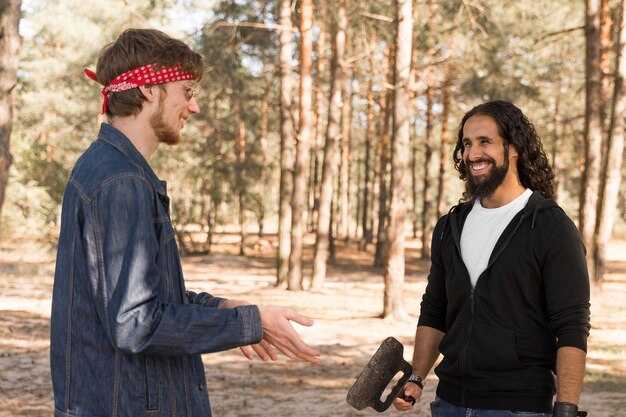
“Quick form check?” – Approach between sets at a rack or bench when they’re resting; say one clear sentence and demonstrate the tweak you mean. Mention the exact cue you noticed (knees, hips, back) and whether it’s a safety issue or efficiency tweak. Keep it short: 8–12 seconds of observation, then ask if they want another tip. If they cant accept feedback say thanks and move on; lots of people enjoyed a single helpful pointer and come back later to chat.
“Which playlist is that?” – Use at the water fountain or treadmill row where headphones are visible; name a specific track you actually heard and offer a quick opinion (“that beat keeps tempo for running or dancing”). Follow-up options: if they like the artist, suggest a local class or an online playlist you thought useful and ask if they explore similar classes. This opens a neutral exchange and lets you assess mood and times they train.
“Want a spot for the next set?” – Say this when weights are loaded and you’re ready to help; clearly state what you can do and what you cant (spot, count reps, call form). In terms of tone, smile, keep hands relaxed, and offer the simplest help first. If they decline dont push; if they accept, make one small correction, then step back. That one supportive thing can turn a gym interaction into a brief conversation about routines, local classes, training goals, or future sessions – verily a low-pressure way to see whether theyre open to talk more or exchange contact details with another friendly mate.
Move from a short conversation to suggesting a coffee
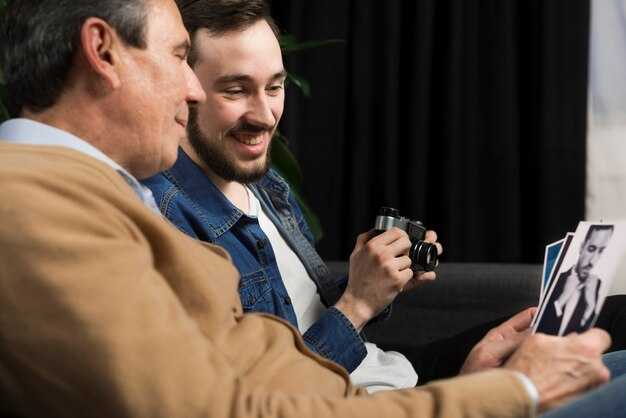
Use this exact line within 3–7 minutes of a good rapport: “I enjoy talking with you – coffee this week?” then immediately offer two specific slots and a location to avoid the same vague invite.
Read instant signals before asking: eye contact longer than three seconds, reciprocal questions, laughter, and leaning in. Most people who are interested will ask a related question within the first minute; if they asked nothing back, wait for a second positive cue before proposing a meet.
Context-specific scripts: after classes say, “Coffee after class tomorrow at 10? Twenty minutes at the campus café.” After salsa practice: “I’m having coffee near the studio after practice – care to join?” At conferences: “Short coffee between sessions, 15–20 minutes at the lobby café?” In a store aisle: “Quick coffee across the street while we compare choices?” Start small (20–30 minutes) and make the meeting low-commitment.
When the answer is hesitant, offer a low-effort alternative: a specific time, a single-meeting phrasing, or a shared activity related to your convo. Give every person two options; a second choice raises the yes rate. If they decline, note common reasons (schedule, partner, travel) and move on without pressure.
Practical tips: text confirmation within 15 minutes, one follow-up if no reply, don’t over-message or over-explain. Sometimes there are endless small excuses – accept a clear no. For having reciprocity, match tone and pace, make the plan concrete, and treat the invite as an ordinary ask, not a romance test or a declaration you must defend.
Sample short scripts to memorize: “I enjoy this – coffee Wednesday 10 or Thursday 5?” ; “Short coffee after class? 20 minutes at the café?” ; “Care to grab coffee between sessions?” These reduce awkwardness, make decisions instant, and keep momentum without forcing a long conversation about logistics.
Local Classes: Find Shared Interests and Meet Singles
Recommendation: Enroll in a six-week beginner salsa course that meets Tuesdays at 7:30pm at the Maple Community Center on Second Street – the second session each month averages 12–16 members, which makes it easier to have sustained conversations instead of the quick exchanges you get in bars.
Sign up online through the community center portal or Meetup; fees range $60–$120 for six weeks. Actually bring a water bottle and non-marking shoes, and arrive 10 minutes early to chat with instructors and other attendees. If you want smaller groups, pick the weekday evening or the second session of the month; weekend drop-in classes are louder and left to faster rotations.
Pick classes that create shared tasks: salsa for rhythm-based connection, a beginner golf clinic at the driving range (weeknights 6–7pm) for paired drills, creative pottery or a two-hour cooking class where partners rotate. Walking groups that include dogs generate natural conversation prompts – people talk about breeds, routes and local trails – and the walking format prevents awkward silences. Lucy found someone in a pottery workshop after a funny glaze mishap sparked a real exchange about technique and travel.
Practical advice: dont treat classes like a singles bar – aim for two quality conversations per session, not endless small talk. Openers that work: ask which technique they prefer, where they found the instructor, or whether they want a critique of a second attempt. Never ask about exes; instead ask about goals for the class in terms of skills or projects. If you want contact details, wait until after a positive second interaction and offer to bring a reference link to a local event or a photo you took – that makes swapping info feel natural. Classes produce context for a relationship because shared progress gives concrete topics for follow-up; choose meetups found online or at community boards and track attendance so you know which nights reliably attract the kind of members you prefer.
Pick class types that attract relationship-minded participants
Choose evening small-group cooking, improv play and walking courses that bring people who want quality conversation, work together on tasks and show mate-ready behavior.
| Heading | Types | Why it brings relationship-minded participants |
|---|---|---|
| Cooking | Evening cooking classes, hands-on course | Brings participants used to cooperation and steady conversation; many told surveyors they want long-term partnership; course work forces step-by-step coordination, offers chat andor structured exercises, and reveals practical skills better seen over 4–8 sessions. |
| Walking | Grupos de caminhada, caminhadas no campo, encontros onde cães são bem-vindos | Atrai pessoas que valorizam atividades rotineiras e conversas calmas; cães aumentam a acessibilidade e quebradores de gelo engraçados; a frequência em uma sociedade comunitária ou de caminhada local melhora a busca por parceiros que gostem de vida ao ar livre e possam manter contato após uma caminhada noturna. |
| Improv & play | Aulas curtas de improvisação, noites de trabalho de cena | Traz pessoas dispostas a serem vulneráveis e engraçadas, acelera a conversa natural e sugere agilidade emocional; participantes que querem romance frequentemente revelam compatibilidade através de colaboração lúdica em vez de bate-papo encenado. |
| Comunidade voluntária | Abrigo de animais transfere, horta comunitária, aulas de serviço | Atrai indivíduos motivados por valores e comprometimento contínuo; trabalhar com cães ou em um projeto focado na sociedade demonstra cuidado e confiabilidade, o que muitos consideram traços de parceiro de maior qualidade ao longo dos anos. |
Lista de ações sugeridas: escolha 2 tipos de aula complementares, participe de pelo menos 6 sessões, chegue 10–15 minutos antes para conversar, voluntarie-se para tarefas em pares para demonstrar ética de trabalho e empatia, e/ou faça uma pergunta simples que convide a uma resposta sobre os interesses do fim de semana; encontrar um romance pode levar meses ou anos, mas estes passos aumentam muito as chances de conhecer um(a) parceiro(a) compatível.
 Os homens são realmente pré-programados para desejar mulheres mais jovens? Ciência, Psicologia e Evidências">
 Converse com Pessoas ao Telefone – Dicas, Frases & Etiqueta">
 Godly Sorrow vs Worldly Sorrow – How to Know Which You Have">
 Compromising vs Settling – How to Tell the Difference & Choose Wisely">
 The Lyons Elite Blogs — Luxury Lifestyle & Business Insights">
 Do Soulmates Exist? How to Find & Connect With Yours">
 What Does a Healthy Relationship Look Like? 12 Signs & Tips">
 Introvert vs Rude – How to Tell the Difference & Key Signs">
 Write an Ode to My Wife – Tribute to the Love of My Life">
 5th Edition Guide — Essential Rules, Builds & Tips">


