

 Portuguese
  English
  Russian
  French
  German
  Italian
  Spanish
  Polish
  Ukrainian
  Turkish
  Greek
Greek  Arabic
  Korean
  Chinese
  Japanese
  Czech
Czech 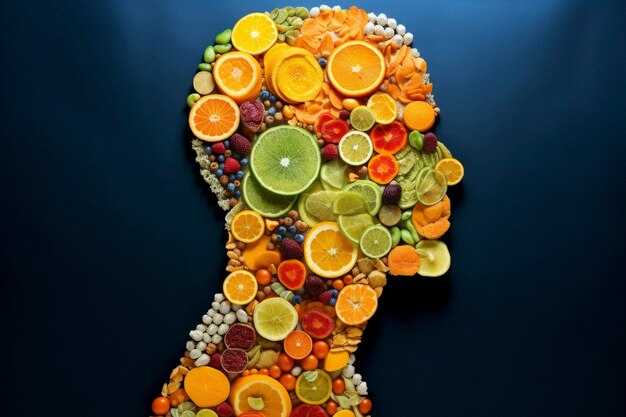 Alimentação e o seu Cérebro – Nutrição para Melhor Cognição e Saúde Cerebral">

Consume two 100–150 g portions of oily fish per week; each portion contains DHA, a needed omega-3 source that is absorbed into cell membranes in the body, helping reduce inflammation; improves neural signal transmission. Clinical trials show even modest DHA increases can significantly improve memory retention, processing speed; monitor serum levels if supplementing to avoid excess. Track servings yourself using a kitchen scale; aim to replace one processed-meal weekly with an oily-fish meal within 8–12 weeks to observe measurable changes in cognitive testing.
Prioritize high-fiber whole grains, legumes, vegetables; 25–30 g fiber daily is recommended to stabilize glucose, support gut microbiota that communicates with the nervous system via metabolites with anti-inflammatory properties. Polyphenol-rich berries, green tea, dark chocolate (≥70% cacao) contain concentrated antioxidants; trials indicate improvements in attention span, working-memory tasks to a measurable degree within 6–10 weeks when daily intake is consistent. A simple food diary is a useful tool to track intake.
Monitor micronutrients known to influence cognitive performance: serum vitamin B12 >300 pg/mL, red-cell folate within lab reference range, 25(OH)D ≥50 nmol/L, ferritin sufficient to prevent iron-deficiency anemia. Low levels are responsible for slowed processing, poor concentration; when corrected, patients often report reduced anxious feeling, better task achievement. If supplements are used, choose forms with proven bioavailability so theyre absorbed efficiently; consult a clinician to set personalized targets.
Practical protocol: start each day with 20–30 g protein plus fiber-rich carbohydrate within 60 minutes of waking to limit glycemic volatility; schedule protein-rich snacks every 3–4 hours to sustain neurotransmitter precursors. Reduce ultra-processed items; theyre associated with increased systemic inflammation, poorer executive function scores. Small, consistent changes–meal swaps, portion control, targeted supplementation–produce measurable improvements over months; measure progress using objective cognitive tests or simple timed tasks yourself.
Nuts as a Brain-Boosting Snack: Practical Guidelines
Daily recommendation: 28 g (1 oz) mixed nuts; choose varieties including walnuts (≈2.5 g alpha‑linolenic acid per oz), almonds (≈7 mg vitamin E per oz), pistachios for potassium.
- Portion control – measure 28 g with a kitchen scale or use a 1‑oz scoop; that portion provides ≈160–200 kcal, protein, fibre, unsaturated fats.
- Timing – consume early in the day as a mid‑morning snack to sustain focus; avoid late caffeine to protect sleep.
- Salt and blood pressure – choose unsalted options; although roasted salted mixes taste stronger, excess sodium raises hypertension risk; choose heart-friendly raw or dry‑roasted varieties.
- Pairings to maximise benefit – combine with fermented yoghurt to provide probiotics; pair with wholegrain cereals, cooked beans or a drizzle of olive oil for a balanced meal that provides fibre, slow carbs, micronutrients.
- Neurochemistry support – nuts provide amino acids, ALA, vitamin E and minerals that help neurotransmitters synthesis and membrane integrity in the brain; short‑term cognitive activity benefits from stable blood glucose provided by mixed nuts.
- Storage and safety – refrigerate bulk bags to slow rancidity; check packaging for expiry dates; a sealed container in fridge extends shelf life.
- Practical swaps – replace sugary snacks and many processed bars with a measured nut portion plus a piece of fruit; this combination supports energy for physical activity, concentration, task achievement.
- Research context – researcher‑led meta‑analyses link daily 1‑oz nut intake with reduced cardiovascular events; observational data report associations with preserved memory performance in older adults.
- Meal planning tip – include nuts within recipes: sprinkle chopped nuts over salads dressed with olive oil, fold into oats or cereals, stir into stews that contain beans for texture and nutrient density.
- Allergy, portion overload – keep serving sizes fixed; store single servings in small bags to avoid overeating; consult clinician for allergy management or specific medical advice.
- Gut‑brain connection – regular intake alongside fermented foods may influence gut flora; probiotics, fermented components can modulate neurotransmitters via the gut‑brain connection.
- Drink choices – prefer water, unsweetened tea or milk with nut snacks; avoid sugary drinks that blunt sustained focus.
- Practical rule of thumb – include a variety of nuts across the week to balance micronutrients; rotate walnuts, almonds, hazelnuts, Brazil nuts, pistachios to provide broader coverage of selenium, magnesium, vitamin E, ALA.
Choose Nuts with High ALA and Antioxidants for Daily Brain Support

Eat 28 g walnuts every day; one ounce supplies ~2.5 g ALA, increases omega-3s intake significantly, provides polyphenols, vitamin E that helps keeping mind sharp.
Make practical habits: portion nuts into single-serve snacks called mix jars, combine walnuts together with blueberries, banana slices, a few 70% chocolate squares, purple grape halves; 30–40 g portions curb hunger, replace less-nutritional snacks, help meet dietary fat targets without excess calories.
Evidence reviewed in meta-analyses and an editorial shows regular nut consumption reduces heart disease risk, helps prevent inflammation during hyperglycemia, improves markers in people with diabetes, likely reduces age-related memory decline; randomized trials reported better mood regulation, reduced negative emotions, improved ability to cope with stress when omega-3s intake was increased through nut-rich diet, effects seen together with overall healthier diet patterns that supply needed nutritional variety.
Portion Sizes: How Much Nuts to Eat for Cognitive Benefits
Consume 30 g mixed nuts daily; include seven walnut halves (≈14 g) to supply ~1.5 g omega-3s (ALA), supporting neuronal membrane structure and aiding heart functioning.
Portion specifics: 30 g ≈180 kcal, 4 g protein, 3 g fiber, 16 g unsaturated fat; these amounts mean a single serving covers ~9–10% of energy on a 2,000 kcal reference. Adjust portions to manage weight well: womens typically 20–30 g daily, adult men 30–60 g when energy needs are higher. Regular intake has been linked to improved blood lipid profile; trials report lower LDL, reduced inflammatory markers.
Practical overview includes storage, taste, safety. Best stored refrigerated or frozen; raw storage preserves oils, frozen storage extends shelf life, use frozen nuts by thawing into smoothies or porridge. Taste intensifies with light roasting, theyre milder when toasted briefly. Children should receive chopped nuts or nut butter to reduce choking risk. Swap one serving of eggs at breakfast with 30 g nuts two days weekly to lower saturated fat intake; this healthy swap can reduce tiredness during mid-morning energy dips when paired with water or other fluids. Remember to read labels since many mixes include added sugar, salt, dried fruit. Nuts are not live probiotic sources yet they feed microbiota via fermentable fiber, a mechanism linked to prevention of cognitive decline. Experts advise strict portion control, variety, minimal added salt to get the best outcomes; there is evidence that regular nut consumption helps maintain attention span, memory retention and overall mental functioning.
Which Nuts Improve Focus and Memory: Practical Picks
Recommendation: Eat 28–30 g (one small handful) of mixed nuts daily; prioritize walnuts, almonds, pistachios. Walnuts providing ~2.5 g ALA per 28 g, able to convert to docosahexaenoic acid in small proportions, linked with improved delayed-recall scores in several cohort analyses.
Almonds: 28 g supply ~7–8 mg vitamin E, ~3.5 g protein, magnesium, plus antioxidants that enhance cellular protection. Practical tip: slice 15 g onto warm oats to add crunch without sugary toppings.
Pistachios: green kernels rich in flavonoids, lutein and phytonutrients; a 30 g portion provides about 3 g protein, 1.1 mg iron mean value, healthy fats including monounsaturates. Use pistachios as a pre-task snack to reduce jitter from caffeine by stabilizing blood sugar.
Cashews: 28 g contain ~1.9 mg iron, copper plus B vitamins; recommend cashews when womens dietary iron needs rise. Choose raw or dry-roasted without added salt; those with anemia should pair cashews with a source of vitamin C to enhance absorption.
Walnut-almond blend: mix equal parts walnuts, almonds to balance docosahexaenoic precursors, vitamin E, antioxidants; 30 g delivers ~170–200 kcal, sustainable satiety, improved attention span in short-term feeding trials.
Chocolate-coated nuts: chocolate adds caffeine plus sugary coating; choose dark chocolate >70% or skip coating to avoid sugar spikes. Store raw nuts in fridge to preserve fragile polyunsaturated fats rather than at room temperature.
Snack pairings: pair a 30 g nut portion with water rather than sugary drinks; combine with oats or raw carrots to create low-sugar, mind-body snacks that sustain energy without rapid glucose swings. A small crushed-pistachio tiara atop plain yogurt makes a nutrient-dense treat.
Practical rules: keep portions near 28–30 g, select unsalted options, avoid sugary coatings, rotate nut types to cover a broader nutrient spectrum; those who have allergies must choose alternatives such as seeds.
Preserving Nutrients: Best Cooking and Snacking Methods
Steam leafy greens 3 minutes, shock in ice water immediately; expect vitamin C retention >80% compared to boiling where losses can exceed 50%.
Microwave chopped vegetables on high power 60–120 seconds using minimal water; rapid heating helps preserve water-soluble nutrient levels, especially folate, B vitamins, with retention commonly 70–90% depending on specimen. Keep in mind: smaller pieces cook faster which helps nutrient retention.
Sear lean proteins at 300–350°F briefly, avoid high-temperature charring which creates oxidized compounds linked to cellular aging of neural tissue; use olive oil sparingly, finish with acid to help micronutrient uptake.
Prefer whole snacks such as fruits, raw nuts, plain yogurt; portion nuts to 20–30 g per serving, which offers ~160–200 kcal, concentrated healthy fats, vitamin E. Limit intake of processed products high in added sugars, preservatives, chemicals; these will significantly reduce overall nutrient density.
Estabeleça um diário diário para rastrear a ingestão de cores, texturas, tamanhos de porção; a falta de variedade aumenta o risco de lacunas nutricionais específicas. Pequenas trocas fornecem mais polifenóis por porção: frutas vermelhas, pimentões laranja, folhas verdes escuras concentram naturalmente antioxidantes.
Quando os testes confirmarem a deficiência, a suplementação ajudará a preencher as lacunas; evite aumentar as doses repentinamente sem supervisão médica, o que pode impedir o diagnóstico preciso ou causar efeitos adversos.
Visão geral do armazenamento: mestres culinários recomendam manuseio semelhante – corte pedaços grandes para limitar a exposição da superfície, armazene os vegetais crus sem lavar em locais frescos e escuros, refrigere nozes para retardar a rancidez; vegetais branqueados e congelados retornam quase à qualidade fresca quando reaquecidos brevemente, eles retêm a maior parte da textura, sabor, e também ajudam a estender o suprimento utilizável.
Combinações Inteligentes: Combinando Nozes com Outros Alimentos Favoráveis ao Cérebro
Combine uma pequena porção (cerca de 28 g) de nozes mistas com uma porção de ovos, uma colher de chá de azeite de oliva ou alguns pedaços de vegetais fermentados diariamente para obter benefícios mensuráveis para a memória, atenção, regulação emocional e funcionamento nervoso.
Nozes fornecem ~2,5 g de ALA por onça; ovos fornecem ~147 mg de colina por porção grande, um nutriente chamado essencial para o desenvolvimento neurológico e para a manutenção das membranas sinápticas durante o envelhecimento. A ingestão regular de nozes está correlacionada com taxas até 30% menores de declínio relacionado à idade em coortes observacionais; esses efeitos vão além da substituição de calorias, refletindo antioxidantes específicos, gorduras saudáveis, minerais traço.
| Emparelhamento | Mecanismo primário | Serviço prático |
|---|---|---|
| Nozes, ovos | ALA plus colina suportam a integridade da membrana neuronal, melhoram a transmissão de sinais. | 28 g nozes, uma porção de ovos, 3 vezes por semana |
| Amêndoas, azeite | Vitamina E mais gorduras monoinsaturadas reduzem o estresse oxidativo, preservam antioxidantes nos tecidos | 15 g de amêndoas, 1 colher de chá de azeite com saladas |
| Noz de Brasil, vegetal fermentado | Selenium da castanha-do-brasil restaura enzimas antioxidantes; itens fermentados fornecem metabolitos de cadeia curta que impactam a inflamação | Uma pequena noz do Brasil, 30 g de vegetais fermentados uma vez por semana |
| Mix de castanhas, chocolate amargo | Polifenóis mais antioxidantes proporcionam suporte de humor agudo, modulam o fluxo sanguíneo | 20 g de mix de nozes, 10 g de chocolate amargo >70% como lanche |
Regras práticas: leia os rótulos para detectar adição de sal, açúcar, gorduras trans; escolha itens minimamente processados; inclua uma pequena quantidade de produto fermentado para apoiar a sinalização intestino-cérebro. Se a ingestão carecer de selênio ou colina, sintomas podem aparecer repentinamente, o humor pode se tornar miserável, a fadiga cognitiva aumenta; um único caju-do-brasil muitas vezes fornece >100 por cento da necessidade diária de selênio, use cautela para evitar excesso.
Controle de porções é importante: mantenha as porções próximas de 20–30 g por lanche para controlar as calorias enquanto extrai antioxidantes, gorduras saudáveis, micronutrientes que beneficiam os sistemas do corpo, emoções, funcionamento cognitivo. Pense em combinações de nozes como combinações nutricionais direcionadas que atenuam os impactos oxidativos dos radicais livres, estabilizam os lipídios sanguíneos, apoiam a transmissão nervosa mesmo durante o estresse metabólico.
 Liderança – 10 Dicas para Ser Acessível e Por que Isso Importa">
 6 Dicas Práticas para Lidar com a Ansiedade em Lugares Públicos">
 10 Truques Psicológicos para Aumentar a Criatividade – Formas Rápidas de Despertar Ideias">
 Como Parar de Sentir Ciúmes do ‘Aquele Amigo’ do Seu Parceiro – Construa Confiança e Limites">
 Aumente sua Produtividade no Trabalho – Dicas Essenciais para Alcançar Mais">
 O Sexo é Importante Numa Relação? Intimidade Emocional e Física">
 Blog Details – Crafting Engaging Posts That Rank">
 Symptoms of a Nervous Breakdown – Recognize Signs, Causes, and When to Seek Help">
 The Importance of Learning – 7 Reasons Why It Fuels Growth">
 What Is Happiness? Exploring Its Meaning and Practical Ways to Find It">


