

 Portuguese
  English
  Russian
  French
  German
  Italian
  Spanish
  Polish
  Ukrainian
  Turkish
  Greek
Greek  Arabic
  Korean
  Chinese
  Japanese
  Czech
Czech 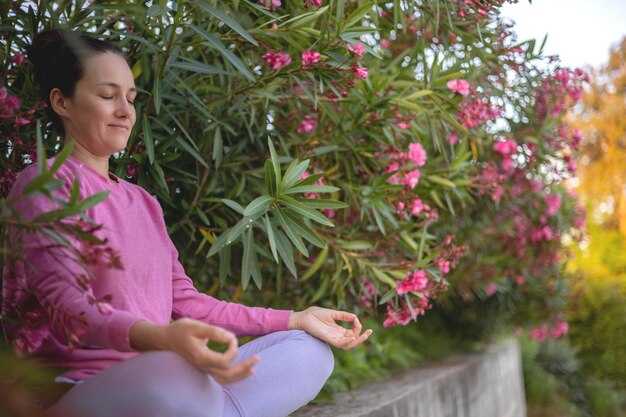 Effective Self-Healing Techniques for a Happier, Healthier Mind">

Do a 4-4-4 box breathing set for 3–5 minutes immediately when a wave of stress hits: inhale for 4 seconds, hold 4, exhale 4, hold 4; repeat 6–8 cycles. This focused breathing lowers sympathetic arousal, helps you ground in the present and reduces a visible spike in heart rate within minutes. Use a timer, sit upright, and track sessions in a simple log to make the practice practical and repeatable.
Recognizing precursors matters: note the first three physical cues you feel (short breath, tight chest, a pang of heat) and write them down in a three-column table–trigger, sensation, response–after each episode. Review the contents of that log weekly; patterns often emerge within 30–90 days. If you just started, aim for at least 12 consistent weeks of short practices (5–20 minutes daily) before judging impact.
When facing difficult emotions, pair breathing with a focused behavioral step: send one brief message to a friend, take a 10-minute walk, or practice progressive muscle release for 12 minutes (tense each group 5–7 seconds, then relax 20–30 seconds). Small actions stabilize mood and protect relationships; schedule one 20-minute check-in per week with someone you trust to maintain connection and reality-testing.
If your symptoms interfere with work or sleep for more than two weeks, consult a professional for assessment and a tailored plan. Clinicians such as Feinstein highlight combining somatic techniques with short cognitive reframes: label the thought, rate its intensity 0–10, and choose one corrective action. That simple cycle produces transformational shifts when practiced consistently and keeps you focused on what you can change now.
Practical micro-tools to use today: set three daily reminders for breathing breaks, carry a 4-item coping card (breathing, ground exercise, contact name, one-sentence affirmation), and record one sentence nightly about what went down and what helped. These concrete routines build deeper resilience and let you know which tools deserve more time and which to drop.
Self-Healing Techniques for a Happier, Healthier Mind – Embrace Daily Gratitude Practices
Practice a 60-second gratitude list every morning: write three specific things you appreciate and one small step you will take to honor one of them today.
- Morning micro-exercise (60 seconds): set a timer for 60 seconds, list three items, then pick one to act on; repeat 5 times per week to build momentum.
- Midday reset (30 seconds): close your eyes, name one sensory detail you’re grateful for, breathe for 10 seconds, then return to work; this reduces task-switching costs.
- Evening reflection (2 minutes): jot down one surprise gratitude and one lesson; this improves sleep onset when done within 30 minutes of bedtime.
Use short, specific prompts so you can apply these exercises easily and avoid vague entries. Most people report clearer mood shifts within two weeks when they follow a compact routine; for long-term change, extend the habit to 8–12 weeks and track frequency.
- Schedule the practice on your calendar as a repeatable block (morning and evening work best).
- Use a dedicated notebook or a single app entry so you can identify patterns across days.
- Invite one person from your community to share a weekly gratitude note; social reinforcement increases adherence.
If a distraction appears, label it and return to the practice within 10–20 seconds; this trains self-regulation and lowers the urge to ignore feelings. Dont force perfection–small, consistent repetitions beat sporadic marathon sessions.
To deepen effects beyond daily lists, follow a short 6-week program: week 1 focuses on noticing, week 2 on naming, weeks 3–4 on thanking others, weeks 5–6 on writing a gratitude letter. gupta suggests adding a brief breathing exercise before writing; gonzález-olmo suggests sharing one entry with a friend to strengthen social bonds.
If youve tried single tactics without durable results, replace solo journaling with paired accountability: meet weekly for 10 minutes with a partner, brande-style check-ins or a small group led by sherry or fuente-anuncibay models increase retention. Others benefit from a facilitator-led cohort that combines exercises with brief psychoeducation.
- Quick troubleshooting: identify common barriers (time, mood, distraction) and set micro-goals of 30–90 seconds to overcome them.
- Measurement tip: record frequency and rated mood before and after sessions; a 0.5–1.0 point shift on a 10-point scale after practice signals meaningful change.
- Maintenance: after 12 weeks, reduce to a 3x weekly practice to preserve gains while freeing capacity for other skills.
Implement these steps consistently, monitor outcomes, and adjust intensity. theres no single perfect method, but combining short daily exercises with community support and a simple program produces measurable, long-term improvements.
5‑Minute Morning Gratitude Routine with Exact Prompts
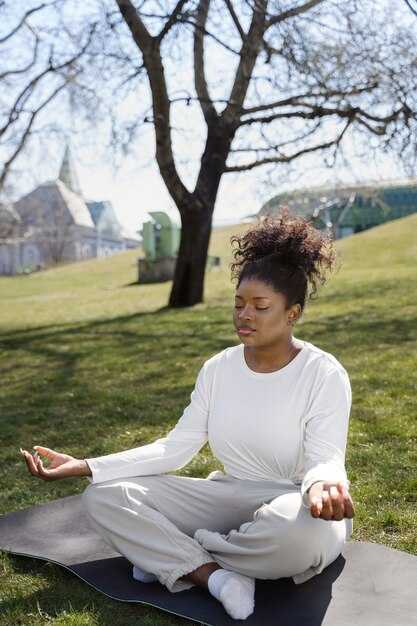
Set a 5:00 timer, sit with feet on the floor and spine upright, place one hand on your heart, and speak or write the exact prompts below; this sequence fits into five minutes and trains focus.
0:00–0:30 – Breathe with a 4‑count: inhale 4, hold 4, exhale 4, hold 4; slow the breath until your pulse feels calmer and anxious energy is reduced.
0:30–1:45 – Prompt 1 (person-focused): Say or write aloud, “I appreciate [name], who yesterday/this week did [specific action]. That helped me by [specific outcome].” Example: “I appreciate Sam, who brought me coffee when I was rushed; that reduced my stress and helped me focus on the meeting.”
1:45–2:45 – Prompt 2 (self-quality): Say or write, “I appreciate my ability to [skill or trait] because it allows me to [concrete benefit].” Example: “I appreciate my patience because it lets me listen closely and avoid reactive answers.”
2:45–3:45 – Prompt 3 (small win & growth): Say or write, “A small win yesterday was [exact action]. This shows my growth because [one measurable change].” Example: “A small win was finishing one chapter of the report; this shows my growth because my average completion rate increased by 20% this month.”
3:45–4:45 – Prompt 4 (intention with compassion): Say or write, “Today I intend to [specific, short action] and will treat myself kindly if things grind or stall.” Example: “Today I intend to prioritize two focus blocks and will be compassionate if interruptions happen.”
4:45–5:00 – Close: rest your hand on your heart, inhale, and say softly: “May I stay balanced, help others when I can, and return to breath if I feel anxious.” Keep the tone warm and direct.
Use this routine daily or as a weekly checkpoint; practitioners like Wang and Kilduff recommend repetition to solidify growth. Track frequency in simple systems or apps as a low‑friction replacement for longer sessions; many people report reduced anxious moments and boosting focus after four weeks. Treat the sequence as short self‑therapy that complements therapy sessions, not a replacement, and adjust prompts for a specific person or goal as needed.
How to write a three-item gratitude list in two minutes
Set a 2-minute timer; spend 10 seconds steadying breath, 36 seconds on each item, and use the final 8 seconds to read them aloud once.
Choose three concrete targets: a person, a recent small accomplishment, and a simple sense stimulus (taste, sound, sight). For each item write one short sentence with a proper noun or specific detail and one fragment that explains why it mattered. Example: “María drove me home after work – her timing saved me 20 minutes.” Keep sentences under 18 words.
Phrase items to engage memory: name the moment, describe the effect on you, and add a tiny sensory detail. This method trains attention quickly and converts vague gratitude into measurable reminders you can repeat.
| Step | Action | Segundos |
|---|---|---|
| Prep | Close eyes, inhale twice, recall three things | 10 |
| Item 1 | Write person + why it mattered | 36 |
| Item 2 | Write accomplishment or help received | 36 |
| Item 3 | Write a sensory or environment detail | 36 |
| Close | Read them aloud once | 2 |
Use concise verbs and proper nouns so a writer reviewing this list immediately recalls context. If you prompt a child, use similar cues and shorter sentences; an older child can dictate while an adult writes.
positivepsychologycom highlights this intervention as brief and practical; lcpc practitioners supporting clients often use these tools because the practice helps an individual who becomes stressed see reduced symptoms and more frequent feelings of accomplishment and community connection.
Keep a weekly log of lists to compare entries; that record shows which methods reliably engage gratitude and which items repeat, guiding you to the right variations for them over time.
Prompt examples to start your day with clarity
Set a 10-minute morning clarity routine and schedule it as your first calendar item: 2 minutes of breathing, 3 minutes of a written mood check, 3 minutes of listing three priorities, 2 minutes choosing the single next action for each priority.
Use these ready prompts during the written portion to help individuals get specific and practical: Connor: “What one outcome do I want to have by 5 PM, why it matters, and which 15-minute task starts that?” Spiteri: “Which two triggers cause me to start falling into reactivity, and what is one small habit to intercept each?”
Apply short, observable metrics: rate current moods 1–5 and write the trigger in one sentence, then assign a 5-minute corrective action. This means you learn exact patterns (where emotions shift, what information changes them) and avoid vague intentions.
Consider using a trusted consumer habit tracker or a paper index where you collect information about wins and setbacks. Without piling tasks, have exactly three priorities and a scheduled time block for each to prevent being pulled into low-value work.
Use mediating micro-rules to keep mornings steady: when an intrusive thought or urgent message appears, follow a 60-second check–name the feeling, name the thought, make one concrete next step. This practice builds emotionally resilient routines and helps anyone who seeks clarity rather than diffusion.
Explore one reflective prompt twice weekly to refine the routine: “What made today feel productive, what drained energy, and what change am I making tomorrow?” Small, consistent use helps you learn what works and creates a great rhythm for focused days.
Integrating gratitude into a short morning stretch
Begin with a 3-minute stretch: six movements at 30 seconds each, breathing 4 counts in and 6 counts out, and pair each movement with a concise gratitude phrase.
Use this plan: 1) neck tilts with slow inhales; 2) shoulder rolls opening the chest; 3) cat–cow for the spine; 4) forward fold to release hamstrings; 5) standing chest opener; 6) gentle lunge to wake the hips. Keep each transition smooth and intentional.
Pair movement and gratitude: choose one concrete target per movement (body, food, friend, skill, space, moment). Repeat a short phrase mentally on each inhale and exhale (example: inhale “my breathing,” exhale “keeps me steady”). That pairing trains subconscious associations so thankful states activate with physical cues.
Set measurable rules: use a 30-second timer, repeat the phrase 3–4 times per movement, and log three days per week for four weeks. These parameters increase adherence and build an automatic response that boosts morning energy.
If intrusive or unhealthy thoughts arise, perform a micro-intervention: stop, place your hand on your chest, name one specific thing you appreciate out loud, then continue. Dont dismiss negative feelings; recognizing them and responding with one concrete gratitude reduces rumination without requiring long treatment sessions.
Incorporating sensory detail strengthens connections: include a visual image, a tactile cue (the floor under your feet), or a brief scent (coffee or citrus). Mentally replay that sensory element later to reinforce the gratitude–movement link and help themselves access calm faster.
Keep it playful: alternate short metaphors or single-word prompts to avoid repetition fatigue–let the phrases play for variety while maintaining the same structure. This small element of play preserves engagement.
Use this as a foundation for other self-care: follow the stretch with 60 seconds of hydrated breathing or a one-line journal entry. Keep expectations realistic; this is an additive intervention, not a substitute for clinical treatment when needed.
heres a final tip from michèle-malkowsky: make phrases specific, brief, and repeatable; they integrate with posture and breath most effectively when you commit to a short, consistent plan.
Recording a quick gratitude voice note: when and how

Record a 30-second gratitude voice note immediately after waking or just before sleep.
-
When to record:
- Morning: anchors mood for the day.
- Night: consolidates positive memories before sleep.
- Short breaks during work or leisure to interrupt negative spirals.
- After therapy or a support session, especially if a clinician or caregiver seeks reinforcement.
-
How to prepare:
- Take three breathwork cycles (inhale 4s, hold 4s, exhale 6s) to regulate heart rate and calm the mind.
- Use a single prompt and speak slowly: the following templates work well.
- Keep a quiet, private space or enable a recorder’s privacy mode to avoid interruptions.
-
Prompts and phrasing (choose one):
- “I appreciate X because it gives me value in my day.”
- “I feel connecting to Y right now; it helps me breathe and stay present.”
- “Today I noticed Z; that small thing helped my mood.”
- “For a child, say: ‘Today I liked when you…’ and let them finish one line.”
-
Duration and frequency:
- 15–45 seconds per note; aim for one note twice daily for 21 days to form the habit.
- If losing motivation, shorten to a single sentence and maintain daily consistency.
-
Storage, tagging and privacy:
- Store files locally or use an encrypted app; avoid automatic cloud uploads if privacy matters.
- Tag notes by date and mood score (1–10) so you can review trends.
- Use passcode or device encryption for recordings that include sensitive details.
-
Using notes therapeutically:
- Listen back weekly to reinforce positive memory traces in the subconscious and track change over time.
- Combine with short breathwork or 2-minute grounding before playback to increase engagement.
- For people with depression or another mood disorder, use notes as an adjunct to professional management and refer to clinical guidance when symptoms worsen.
-
Evidence and resources:
- Multiple studies link brief gratitude practices with improved emotion regulation among adults; search StatPearls for clinical context and summaries.
- Program-style modules such as adasi and mindvalleys offer structured options if you prefer guided content alongside self-recording.
Quick checklist: choose a time, do 3 breath cycles, record one clear sentence, store privately, review weekly; if a child or someone with a disorder seeks support, adapt length and consult a clinician.
On-the-Spot Gratitude Tools to Calm Anxiety
Do a 60-second gratitude anchor: stop, set a timer for 60 seconds, inhale 4 seconds, exhale 6 seconds, then name three concrete items you can see, hear, or feel and say one short reason you appreciate each (example: “warm mug – it keeps my hands warm”). Repeat this cycle three times; this mindful, sensory labeling shifts attention faster than passive distractions and restores a sense of control.
Use a pocket routine of micro-exercises when you feel spikes: 1) 30-second sensory scan (sight, sound, texture) and name one gratitude for each; 2) 2-minute gratitude breathing where each out-breath pairs with the phrase “I appreciate”; 3) a single-sentence gratitude text to someone. Perform any tool once at onset and again after five minutes; an optimal frequency is 2–3 uses per anxious episode to lower rumination rate.
Track effects with a simple 0–10 anxiety rate before and three minutes after each tool; many people report a 1–3 point drop after two repetitions. Log results in a quick note or a program planner to measure how the practice improves daily baseline anxiety over two weeks. Zigler’s work on resilience supports that small, repeated positive routines compound to strengthen emotional recovery.
Pair on-the-spot tools with longer practices: add two 5‑minute gratitude journaling sessions per day and one weekly check-in with a therapist or trained coach to translate short-term relief into resilience. If pain, panic, or a diagnosed anxiety disorder persists, see a trained psychologist or clinician and take symptoms seriously; gratitude tools can complement but do not replace clinical therapy for severe cases.
When you teach these tools to someone else, emphasize compassion and specificity: encourage concrete details, sensory words, and short timelines for practice. These elements increase the tool’s impacts, improve capacity to redirect attention, and strengthen emotional regulation under pressure.
 The Science of Anger – What Happens in Your Brain and Body">
 When to Say ‘I Love You’ for the First Time – Expert Advice">
 Ask Alison – Respond to Backhanded Compliments & Stay Classy">
 9 Psychological Challenges of Long-Distance Relationships — Causes, Effects & Coping Tips">
 Why the Silent Treatment Is Destructive – Passive-Aggression">
 How to Spot Jealousy – 10 Clear Signs & How to Respond">
 I Need Attention – What It Means & How to Stop Needing It">
 What to Do When Your Partner Is Upset but Won’t Tell You Why — Relationship Tips">
 Embrace the Mud — Benefits, Tips & Best Mud Runs">
 What Is Romantic Love? Meaning, Signs, Examples & Tips">


