Portuguese
  English
  Russian
  French
  German
  Italian
  Spanish
  Polish
  Ukrainian
  Turkish
  Greek
Greek  Arabic
  Korean
  Chinese
  Japanese
  Czech
Czech 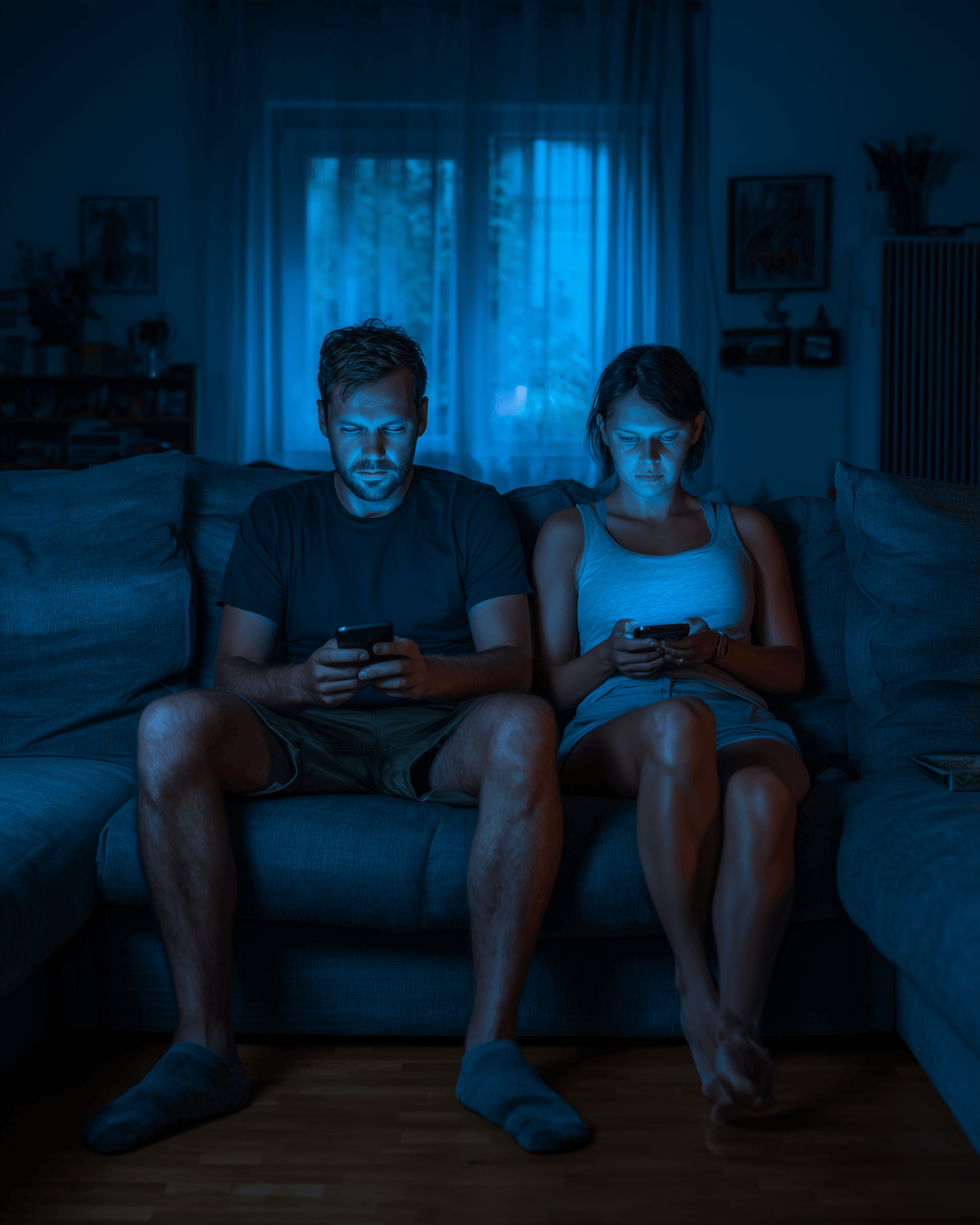

Digital distractions in love have become one of the defining challenges of modern relationships. While technology connects people instantly, it also pulls attention away from shared moments, emotional presence, and meaningful interaction. Couples today navigate love in a world filled with screens, notifications, and online spaces that constantly compete for focus.
Understanding how digital distractions influence relationships is the first step toward rebuilding connection and intimacy in a technology-driven era.
The Rise of Digital Life in Relationships
Technology is deeply woven into everyday life. Digital devices shape how people work, relax, communicate, and even express affection. Smartphones, tablets, and other devices offer convenience, but they also introduce new challenges into relationships.
Digital distractions often appear subtly. A quick glance at a phone during dinner, scrolling through social media in bed, or checking notifications mid-conversation can slowly reduce emotional closeness. Over time, these habits affect how partners interact and feel connected.
How Digital Distractions Affect Intimacy
Intimacy depends on presence, attention, and emotional availability. When screens dominate shared time, intimacy suffers. Digital distractions reduce eye contact, limit physical closeness, and interrupt emotional exchanges.
Many couples experience less intimacy not because of conflict, but because digital habits quietly replace moments that once built connection. When one partner feels ignored due to screens, emotional distance can grow even without open arguments.
Technology itself is not the enemy. The issue lies in how often digital interactions replace real-life closeness.
Communication in the Age of Screens
Communication is essential to healthy relationships, yet digital distractions often weaken it. Conversations may become shorter, less focused, or more superficial when attention is divided between a partner and a screen.
Texting and online messaging are convenient, but they cannot fully replace face-to-face conversation. Tone, body language, and emotional cues are often lost, leading to misunderstandings. Over time, reduced quality communication can affect trust and emotional safety.
Social Media and Relationship Dynamics
Social media plays a major role in digital distractions in love. While it offers connection and entertainment, it can also create comparison, insecurity, and distance.
Scrolling through curated online lives may affect how people view their own relationships. Constant exposure to others’ highlights can alter expectations and satisfaction. Additionally, time spent on social media reduces opportunities for shared experiences and meaningful interactions with a partner.
Social media can also blur boundaries, especially when online interactions interfere with emotional exclusivity or trust.
Screens and Emotional Connection
Screens demand attention, often pulling focus away from the present moment. When partners feel consistently secondary to devices, emotional connection weakens.
Emotional closeness relies on feeling seen and heard. Digital distractions interrupt these moments, making partners feel less valued. Even small habits, like checking phones during conversations, can accumulate and affect relationship satisfaction.
This disconnection does not always lead to conflict, but it can create quiet distance that is difficult to repair without awareness.
The Impact of Technology on Daily Interactions
Daily interactions shape relationships more than major events. Technology changes how couples spend time together, relax, and resolve challenges.
Watching screens side by side without interaction may feel like togetherness, but it often lacks engagement. Over time, shared activities may decrease, reducing opportunities for bonding.
Digital routines can also affect sleep, attention, and mood, which indirectly influence how partners relate to each other.
Challenges Created by Constant Connectivity
One of the main challenges of digital life is constant availability. Notifications, messages, and online demands make it difficult to fully disconnect and be present.
This constant stimulation can reduce patience, increase distraction, and affect emotional regulation. Partners may feel less emotionally available, leading to frustration or misunderstanding.
Technology can also amplify mental health challenges, which then influence relationship dynamics and emotional responsiveness.
Setting Boundaries With Digital Devices
Healthy relationships require intentional boundaries around technology. Setting limits does not mean rejecting digital life, but choosing when and how it fits into shared time.
Simple boundaries, such as device-free meals or screen-free time before bed, help restore presence. Agreeing on shared expectations reduces resentment and builds mutual respect.
Boundaries also encourage mindful use of technology, allowing couples to reconnect without constant interruptions.
Rebuilding Connection in a Digital World
Rebuilding connection starts with awareness. Noticing when digital distractions interfere with closeness allows couples to make conscious changes.
Prioritizing shared experiences, engaging in conversation without screens, and practicing presence strengthens intimacy. Small adjustments can have a meaningful impact on how partners feel connected.
Technology can still play a positive role when used intentionally, such as sharing messages of appreciation or staying connected during distance.
Finding Balance Between Technology and Love
Digital distractions in love are not inevitable. Balance is possible when technology serves the relationship instead of replacing it. By recognizing patterns, adjusting habits, and prioritizing connection, couples can protect intimacy in a digital age.
Love thrives on attention, presence, and shared moments. When screens are put aside, even briefly, relationships gain space to grow, deepen, and feel truly connected again.