

 Portuguese
  English
  Russian
  French
  German
  Italian
  Spanish
  Polish
  Ukrainian
  Turkish
  Greek
Greek  Arabic
  Korean
  Chinese
  Japanese
  Czech
Czech  50 Conversation Starters for Dating – Spark Meaningful Connections Effortlessly">

Escolher one light topic to open, one reflective topic to deepen, one playful topic to close; aim to cover those three within 20 minutes so conversation moves from surface details to what truly matters. Use a 60/40 listening ratio: listen 60% of the time, speak 40%. That balance helps both people feel received and reduces pressure while revealing genuine feelings and priorities.
When someone seems reserved, name observable signals then ask a thoughtful follow-up that invites specificity: mention a challenge they recently experienced, ask which challenges they see among peers, or probe which aspirations they’ve pursued in the past year. Concrete prompts that reference recent events produce more revealing answers than abstract queries; others tend to respond with anecdotes when questions tie to real moments.
Set a clear goal for each interaction: build trust, assess compatibility, or strengthen friendship. Aim to hit five distinct topics across an exchange – hobbies, values, ambitions, setbacks, and close relationships – so both parties gain a rounded sense of the other. Avoid rapid-fire lists; pause, reflect, then ask whatre current priorities. Small, thoughtful moves create lasting connections and increase the chance that both people leave feeling understood and eager to meet again.
Section: Practical Starters to Kickkick Meaningful Connections
Ask a two-part question: name one hobby you spend most time on and where that interest began; follow with a short example from your own life to signal reciprocity.
Quick tips: After their reply, offer a 15–30 second reflection on why that hobby lasts for you, then continue with a follow-up that probes whether they plan to invest more time or try a new related activity.
Turn ordinary topics into a mini game: pick three unexpected things (best meal, worst habit, favorite genre) and alternate answers – this keeps dialogue lively and especially helps both of you stay curious and know youre engaged.
When you have ten minutes left on a date, ask one question about partnership values: where do they feel most supported, do they believe in shared responsibilities, and how would kids factor into that plan; these yield meaningful signals fast.
Use some prompts that go deeper: Which friendships shaped your dreams? What do you miss and what would you spend more time doing if you could? These questions create richer conversations about friendships, long-term goals and the kind of life you both want here and now.
Openers That Feel Personal and Not Pushy
Lead with a specific observation tied to a visible hobby or item: “I saw your pottery photo – which piece took the most time to finish?” This will lower mental load and make replies come closer to natural.
- “You mentioned piano – which piece are you practicing right now?” – Best when profile shows real practice; narrow asks reduce risk and increase reply rate.
- “That film quote in your bio stuck with me – which scene do you rewind most?” – film invites short anecdotes and moments that matter.
- “If one book reshaped your goals, which book would that be?” – book, goal and aspirations land at an emotional yet concrete level.
- “I havent tried rock climbing; what challenge surprised you most on your first climb?” – havent and challenges prompt storytelling while keeping pressure low.
- “You list cooking among your hobbies – what things do you make when time is tight?” – mentions hobbies, things and time so replies stay practical and easy.
- “Not a cheesy pickup line: which song calms you after a long day of social isolation?” – cheesy, pickup, social and isolation give a playful but sincere tone.
- “Would you rather spend a weekend becoming fluent in a new skill or chasing small creative projects?” – would, becoming and creative reveal aspirations without prying.
- “Which little moments this month felt deeply meaningful to you?” – deeply and moments encourage reflection while avoiding heavy pressure.
- “What is the best way someone could help you when you need support?” – best and need show empathy and signal genuine interest.
- “Do you keep a book list or a film watchlist that you return to?” – keeping connects to habits and natural follow-up ideas for a low-key date.
Ask what they’re looking to get out of an easy first exchange; small game-style prompts work when those cues are playful and spark curiosity, while not pressuring anyone.
- Ask one narrow question at a time to reduce mental effort and shorten reply time.
- Avoid pickup-style lines that sound rehearsed; reference specific visual cues instead.
- Offer low-risk invites to share – questions about hobbies, single moments or a recent challenge perform best.
- Match tone to their profile: playful when they are playful, reflective when they mention aspirations or deeper interests.
- Make your goal explicit: learn one clear thing about them while keeping the exchange under three messages before proposing a casual date.
Icebreakers Based on Shared Interests
Ask which genre they pick most when choosing entertainment and mention a recent favorite to create a deeper exchange; if they reference kids’ media, bring a specific title that will reveal parenting style and time priorities.
Use concise prompts: “Tell me the last thing you learned from a hobby” (reveals habits); “What do you love to do at night that helps you unwind?” (shows routines); “Have you ever shared an embarrassing, or even the dirtiest, joke with someone you trust?” (tests humor boundaries); “If you could pick one skill to create stronger friendships or a partnership, which would you choose?” These questions help keep pace and let you know what they value.
If you’re looking to move deeper, use lighter topics before serious ones and give them time to answer; if they havent responded to a question, switch to a low-stakes topic. Bring small shared activities – a playlist exchange or one-song challenge – to create momentum without pressure.
When discussing kids or partnership responsibilities, reference hhsgov resources on family routines and screen time; combining that guidance with personal anecdotes creates the perfect opener that keeps the exchange useful and grounded.
Playful Questions to Lighten the Mood
Ask one playful, specific question in the first five minutes of a date to help them feel relaxed and prompt a short, memorable story.
whatre you most likely to order on a first date? – quick reveal of taste and comfort level. If our meeting were a film, which genre would best describe it and why? – pinpoints humor versus drama. Tell me one unexpected thing you learned while on a travel trip. – surfaces curiosity and a concrete anecdote. Heres a small flirtatious dare: whisper two words you wish someone would say to you.
Focus on feelings and timing: ask about feelings when a topic lands, then follow two factual follow-ups (where, when) instead of broad questions. A single playful prompt will reveal preferences and could lead to lasting moments; use a shared playlist as an источник of follow-ups and to reconnect later.
Examples of short follow-ups that deepen a bond without pressure: “what made that the best part?”, “who were you with?”, “whatre three common things that still make you laugh?” Keep tone light, thats the point – small, specific prompts reduce awkward silences and invite creative replies.
Track patterns across a year: note which playful questions spark the most genuine smiles and which answers hint at close friendships or values. Remember to circle back to unexpected details the other person mentioned; revisiting one small anecdote will strengthen rapport and the natural connection between you.
Thought-Provoking Questions for Deeper Insight

Ask three targeted, reflective questions within the first 20 minutes: one about values, one about resilience, and one about future aspirations – this early triage helps you know quickly whether long-term goals align.
Examples to use and why they work: “What choice changed your life and why?” (reveals thought patterns and pivotal stories); “When have you felt most proud of getting through something hard?” (shows resilience, not just achievements); “Which two values do you need others to share?” (maps shared priorities); “What’s an embarrassing lesson that helped you improve?” (tests humility without prying); “If you could keep one friendship from any genre of your life, which and why?” (exposes relational style); “What’s a goal you’ve left unfinished and what stopped you?” (indicates follow-through); “Which book or movie shaped your outlook early on?” (quick proxy for emotional taste); “How has a difficult period affected your mental health and recovery?” (use sparingly and reference hhsgov resources if needed); “What small routine helps you stay grounded day-to-day?” (practical insight); “What’s a cheesy dream you still want to pursue?” (light valve that reveals longings).
Regras de entrega: faça uma pergunta, ouça 60–80% vezes, então responda com uma reflexão de 15–30 segundos que faça referência a algo que eles disseram; esse é o sinal mais claro de que você estava prestando atenção. Evite questionar; se uma resposta parecer muito particular, deixe que outros se voluntariem mais. Mantenha-se neutro quando os tópicos forem sensíveis e mantenha os acompanhamentos simples – um simples “como isso ajudou você?” é suficiente para aprofundar a confiança sem criar pressão.
Use answers as data points: catalog shared aspirations, typical coping stories, preferred genre of leisure, and common social goals. Most people reveal values through anecdotes rather than direct statements, so flag meaningful stories, note patterns that helped them grow, and use that reflection to decide if your long-term goal alignment and friendships potential match.
Situational Starters para Encontros da Vida Real
Peça um prato pequeno para compartilhar no início para reduzir o constrangimento relacionado à fome e testar o quão confortável você está com a intimidade durante os encontros, com uma sobremesa compartilhada se estiver com fome.
Se um filme está passando, pergunte qual cena eles pensaram depois e peça para explicarem como isso os fez sentir; complemente mencionando um livro que teve o mesmo efeito em você para criar uma troca natural.
Ao preparar um plano ao ar livre, leve uma manta leve e um livro de bolso para lidar com atrasos inesperados; as pessoas costumam apreciar que você está preparado e isso mostra que você é atencioso, em vez de muita ostentação.
Em um encontro no parque com crianças por perto, pergunte se elas querem amizades mais próximas que durem mais ou preferem manter a família e os círculos sociais separados – isso revela o que elas valorizam no mundo mais amplo e se elas celebram o tempo em grupo.
Sugestão: Se você estiver ficando nervoso, respire lentamente e use pequenos comentários observacionais sobre o tempo ou o cardápio; às vezes, breves comentários reduzem a pressão, outras vezes o silêncio é útil — não force um diálogo constante, sempre acompanhe o ritmo do seu encontro.
Finalize com uma breve reflexão: diga que você precisa de um minuto para pensar nas melhores coisas que você notou e explique um detalhe inesperado que o fez sentir conectado; eles apreciarão sua honestidade e não exagerar muito.
 Automonitorização e Reflexão para Mudança de Comportamento – Estratégias Chave">
 Como Ser Menos Reativo Emocionalmente – Dicas Práticas">
 7 Coisas para Dizer Quando Alguém Faz Gaslighting – Frases Práticas para Defender Sua Posição">
 Como e Por Que Namorar a Si Mesmo – Um Guia Prático para o Amor-Próprio">
 Como Lidar Com Um Cônjuge Negativo – Dicas Práticas Para Um Relacionamento Mais Saudável">
 3 Razões Pelas Quais Você Toma Decisões Terríveis (E Como Parar)
Você já se perguntou por que, às vezes, parece que você está constantemente tomando a decisão errada? Seja no amor, na carreira ou nas finanças, uma série de decisões ruins pode levar a resultados infelizes. Mas não se desespere! Entender por que você está tomando essas decisões é o primeiro passo para mudar.
Neste artigo, vamos explorar 3 razões comuns pelas quais as pessoas tomam decisões terríveis e, o mais importante, forneceremos estratégias práticas para ajudá-lo a interromper o ciclo e começar a tomar decisões melhores.
**Razão #1: Você Está Agindo no Piloto Automático**
Grande parte das nossas vidas é vivida no 'piloto automático'. Isso significa que estamos executando padrões de comportamento e pensamento estabelecidos sem muito pensamento consciente. Esses padrões podem ser úteis em muitas situações, pois nos permitem economizar energia mental para tarefas mais importantes. No entanto, eles também podem nos levar a tomar decisões ruins se esses padrões forem baseados em crenças ou hábitos desfavoráveis.
* **Exemplo:** Você sempre pegou um café da manhã processado porque é rápido e conveniente. No entanto, você sabe que isso não é o melhor para sua saúde. Você continua fazendo isso no piloto automático, sem realmente considerar as consequências.
**Como Parar:**
1. **Consciência:** Aumente a sua consciência. Preste atenção aos seus pensamentos e ações. Quando você perceber que está agindo no piloto automático, pare e pergunte a si mesmo: 'Por que estou fazendo isso?'.
2. **Pausa:** Introduza uma pausa entre o estímulo e a resposta. Em vez de reagir imediatamente, respire fundo e pense sobre as possíveis consequências da sua ação.
**Razão #2: Você Está Influenciado por Emoções**
As emoções podem ser poderosos influenciadores do comportamento. Quando estamos sentindo raiva, medo ou tristeza, é mais provável que tomemos decisões impulsivas e irracionais. Isso ocorre porque as emoções podem sobrecarregar nosso córtex pré-frontal, a parte do cérebro responsável pelo pensamento racional e tomada de decisão.
* **Exemplo:** Você está bravo com seu chefe e ameaça pedir demissão imediatamente, sem considerar as implicações financeiras ou profissionais de tal decisão.
**Como Parar:**
1. **Identifique a Emoção:** Antes de tomar qualquer decisão, reserve um momento para identificar como você está se sentindo.
2. **Espere:** Não tome decisões importantes quando estiver sob forte influência emocional. Espere até se acalmar e conseguir pensar com mais clareza.
**Razão #3: Você Está Cego por Viéses Cognitivos**
Viéses cognitivos são atalhos mentais que nosso cérebro usa para simplificar o processo de tomada de decisão. Embora esses atalhos possam ser úteis em algumas situações, eles também podem nos levar a tomar decisões irracionais. Existem muitos tipos diferentes de viéses cognitivos, mas alguns dos mais comuns incluem:
* **Viés de Confirmação:** A tendência de procurar informações que confirmem nossas crenças existentes.
* **Viés de Ancoragem:** A tendência de depender muito da primeira informação que recebemos.
* **Viés de Disponibilidade:** A tendência de superestimar a probabilidade de eventos que são mais facilmente lembrados.
* **Exemplo:** Você já se apaixonou por uma ideia ou investimento e ignorou os sinais de alerta porque você já está tão investido nisso. Isso é um exemplo de viés de confirmação.
**Como Parar:**
1. **Aprenda Sobre Viéses Cognitivos:** Eduque-se sobre os diferentes tipos de viéses cognitivos e como eles podem afetar suas decisões.
2. **Procure Perspectivas Diversas:** Busque opiniões de outras pessoas, especialmente aquelas que têm pontos de vista diferentes do seu. Aja ativamente para desafiar suas próprias suposições.
**Conclusão**
Tomar decisões melhores é uma habilidade que pode ser aprendida e aprimorada. Ao entender as razões pelas quais você está tomando decisões terríveis e ao aplicar as estratégias mencionadas acima, você pode começar a interromper o ciclo e viver uma vida mais feliz e bem-sucedida.">
3 Razões Pelas Quais Você Toma Decisões Terríveis (E Como Parar)
Você já se perguntou por que, às vezes, parece que você está constantemente tomando a decisão errada? Seja no amor, na carreira ou nas finanças, uma série de decisões ruins pode levar a resultados infelizes. Mas não se desespere! Entender por que você está tomando essas decisões é o primeiro passo para mudar.
Neste artigo, vamos explorar 3 razões comuns pelas quais as pessoas tomam decisões terríveis e, o mais importante, forneceremos estratégias práticas para ajudá-lo a interromper o ciclo e começar a tomar decisões melhores.
**Razão #1: Você Está Agindo no Piloto Automático**
Grande parte das nossas vidas é vivida no 'piloto automático'. Isso significa que estamos executando padrões de comportamento e pensamento estabelecidos sem muito pensamento consciente. Esses padrões podem ser úteis em muitas situações, pois nos permitem economizar energia mental para tarefas mais importantes. No entanto, eles também podem nos levar a tomar decisões ruins se esses padrões forem baseados em crenças ou hábitos desfavoráveis.
* **Exemplo:** Você sempre pegou um café da manhã processado porque é rápido e conveniente. No entanto, você sabe que isso não é o melhor para sua saúde. Você continua fazendo isso no piloto automático, sem realmente considerar as consequências.
**Como Parar:**
1. **Consciência:** Aumente a sua consciência. Preste atenção aos seus pensamentos e ações. Quando você perceber que está agindo no piloto automático, pare e pergunte a si mesmo: 'Por que estou fazendo isso?'.
2. **Pausa:** Introduza uma pausa entre o estímulo e a resposta. Em vez de reagir imediatamente, respire fundo e pense sobre as possíveis consequências da sua ação.
**Razão #2: Você Está Influenciado por Emoções**
As emoções podem ser poderosos influenciadores do comportamento. Quando estamos sentindo raiva, medo ou tristeza, é mais provável que tomemos decisões impulsivas e irracionais. Isso ocorre porque as emoções podem sobrecarregar nosso córtex pré-frontal, a parte do cérebro responsável pelo pensamento racional e tomada de decisão.
* **Exemplo:** Você está bravo com seu chefe e ameaça pedir demissão imediatamente, sem considerar as implicações financeiras ou profissionais de tal decisão.
**Como Parar:**
1. **Identifique a Emoção:** Antes de tomar qualquer decisão, reserve um momento para identificar como você está se sentindo.
2. **Espere:** Não tome decisões importantes quando estiver sob forte influência emocional. Espere até se acalmar e conseguir pensar com mais clareza.
**Razão #3: Você Está Cego por Viéses Cognitivos**
Viéses cognitivos são atalhos mentais que nosso cérebro usa para simplificar o processo de tomada de decisão. Embora esses atalhos possam ser úteis em algumas situações, eles também podem nos levar a tomar decisões irracionais. Existem muitos tipos diferentes de viéses cognitivos, mas alguns dos mais comuns incluem:
* **Viés de Confirmação:** A tendência de procurar informações que confirmem nossas crenças existentes.
* **Viés de Ancoragem:** A tendência de depender muito da primeira informação que recebemos.
* **Viés de Disponibilidade:** A tendência de superestimar a probabilidade de eventos que são mais facilmente lembrados.
* **Exemplo:** Você já se apaixonou por uma ideia ou investimento e ignorou os sinais de alerta porque você já está tão investido nisso. Isso é um exemplo de viés de confirmação.
**Como Parar:**
1. **Aprenda Sobre Viéses Cognitivos:** Eduque-se sobre os diferentes tipos de viéses cognitivos e como eles podem afetar suas decisões.
2. **Procure Perspectivas Diversas:** Busque opiniões de outras pessoas, especialmente aquelas que têm pontos de vista diferentes do seu. Aja ativamente para desafiar suas próprias suposições.
**Conclusão**
Tomar decisões melhores é uma habilidade que pode ser aprendida e aprimorada. Ao entender as razões pelas quais você está tomando decisões terríveis e ao aplicar as estratégias mencionadas acima, você pode começar a interromper o ciclo e viver uma vida mais feliz e bem-sucedida.">
 21 Frases Românticas em Inglês para Impressionar Seu Encontro – Guia Rápido">
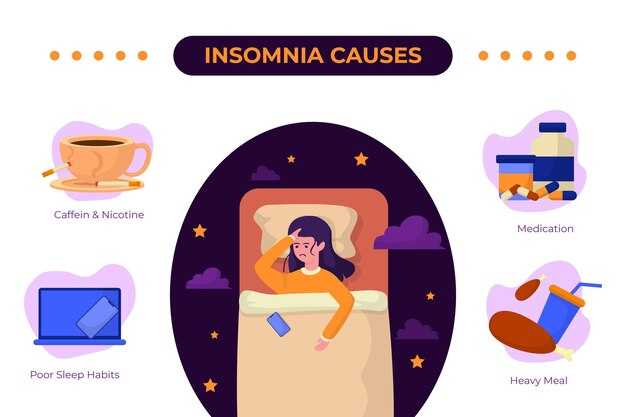 9 Hábitos Diários Ao Longo do Dia para um Sono Melhor">
 Como Ser Mais Interessante – 10 Formas Práticas de Aumentar o Seu Carisma">
 Best Breathing Exercises for Sleep – Techniques for Better Rest">


