

 Portuguese
  English
  Russian
  French
  German
  Italian
  Spanish
  Polish
  Ukrainian
  Turkish
  Greek
Greek  Arabic
  Korean
  Chinese
  Japanese
  Czech
Czech  10 Passos Para Superar o Medo do Fracasso – Um Guia Prático">

Initiate a 90-day micro-experiment: pick a single small project, set three objective metrics (completion rate, time-to-first-result, user feedback), schedule four 90-minute focused blocks per week and accept clear exit criteria so decisions follow data instead of impulse.
The contents includes a one-page plan that maps reality to action: goals, deadlines, predicted setbacks, a post-mortem template and a habit tracker. If feelingthe urge to stall, start a 5-minute micro-task; make sure theres short-term evidence of progress (a commit, a demo, a short note) that resets momentum.
Practice identifying the exact thoughts and traits that block work by keeping a two-column log (evidence vs hypothesis) for two weeks, then change one behavior that draws attention away from rumination–use a 3-breath grounding cue at the heart of each session and a 25/5 focus cadence. Boost chances of completion by adding public milestones and inviting two external reviewers to raise accountability.
Accept setbacks as information, not identity: treat an unfinished deliverable as data for revision, not a verdict on themselves. Combine quick wins with long experiments so confidence and learning grow in parallel. Remember: small, consistent actions compound–achievers make marginal gains routine and measure progress weekly.
Outline
Define a 90-day plan: select three micro-activities per week (60–120 minutes each), record baseline self-rating 1–10 and target a 20% improvement, log completion as pass/fail and qualitative notes to measure results and recognize patterns.
Limit daily major decisions to five and use a decision log to capture rationale; invite a trusted reviewer (father, mentor or peer) for weekly feedback – insecurities tend to bias forecasts, so sometimes use a counterfactual column to motivate more realistic expectations.
Create a monthly learning loop: acquire one concrete skill (6–12 hours of focused practice), run A/B comparisons of task methods, track time-on-task, error rate and emotional cost; identify which activity produces greater measurable gains and make external accountability part of your routine (if in montreal, join two local meetups per month).
Write clear definitions of success for each experiment: numeric targets, quality thresholds and deadlines. Use the log to explain why you select an approach, compare projected vs actual results every two weeks, adjust plans to get better data-driven decisions, and keep one monthly “wild” trial to counter paralysis and test what you ever thought was impossible.
Identify the Specific Fear Triggers in Your Daily Tasks

Record every instance across seven workdays when a decision stalls you for more than 90 seconds: note the task name, exact point of hesitation, who’s involved, immediate action taken and perceived consequence; this raw log turns vague worries into measurable decisions data.
Analyze the log quantitatively: compute frequency per task, median stall time, observed error rate (errors per 100 attempts) and minutes lost per day – rank the top three triggers behind the largest impact. Prioritize the trigger with greater frequency multiplied by severity (frequency × minutes lost = impact score).
Design micro-experiments for each top trigger: choose a similar low-stakes scenario and do a forced 5-minute decision trial; repeat 10 times and record outcomes. Track reduction in stall time, change in error occurrences and subjective confidence after each trial. Aim for a 20–30% reduction in overthinking within three weeks; adjust parameters if no measurable change.
Apply behavioral swaps: when avoidance appears, implement a 2-minute action rule (do one small step immediately) and log results. Solicit feedback from a friend or professional coaches; Montreal-based coaches often recommend role-play and graded exposure inside corporate contexts to boost practical skills. Note what you shed emotionally and what strategies helped you overcome past stalls – list exact phrases that shifted your behavior.
Limit risk calibration: categorize tasks by objective risks and possible benefits, then set an approval threshold (e.g., proceed if projected benefit ≥ risk × 1.5). For scary choices, create a rollback plan to reduce perceived stakes; never ignore the rollback – testing with a safety net lowers resistance and increases confidence.
| Task | Trigger | Immediate behavior | Baseline metric | Goal (3 weeks) |
|---|---|---|---|---|
| Client pitch (corporate) | uncertain pricing decision | delay, ask for more data | stall 180s, 4% error | stall ≤90s, error ≤2% |
| Weekly status email | fear of tone | over-editing | 45min prep, 2 revisions | 15min prep, 0–1 revision |
| Prototype demo | anticipation of public mistake | avoid live demo | 0 live attempts/week | 2 live attempts/week |
After three weeks, compare impact scores and behavioral metrics: keep successful micro-experiments, iterate on those that produced minimal change, and allocate time weekly for creatively rehearsing high-impact scenarios. This method reduces error exposure, clarifies risks, and produces measurable boosts in task performance and confidence.
Define What Failure Would Mean in Concrete Terms
Set three numeric loss thresholds for each initiative: performance threshold (e.g., sales < 60% of target after 90 days), time threshold (MVP milestones missed by month 6), resource threshold (burn rate > 25% of forecast). Use exact values, review dates, and owner names so decisions are data-driven rather than subjective.
Identify the front-line situations that will trigger those thresholds: customer churn, unresolved critical bugs, legal hold or supplier cutoff. For each situation write one sentence: “If X reaches Y by date Z, stop current work and execute contingency.” This converts vague worry into a rule your team can accept.
Assign a second check and a mentor for escalation. For example, in cleveland assign a regional lead who reviews the dashboard every Monday; if problems are found they escalate to product within 48 hours. For overcoming inertia the best approach is a single person with veto authority; they must record the rationale when triggering a pivot. Beginners should rehearse the decision sequence three times before live deployment.
Log behavioral signals that signal avoidance: repeated deadline shifts, meetings canceled, or low-detail status updates. Track how often theyre delaying releases and quantify disappointment by customer survey and revenue delta; a >7-point NPS drop or >15% revenue variance is actionable. When a threshold is hit, accept the documented turn and execute the contingency suite (pause, pivot, refund), then stop additional feature work until post-mortem is complete.
Document outcomes in a single playbook so future teams can use developed limits and stop repeating the same errors. Record what was doing at each checkpoint, why a decision was found necessary, and the metrics behind that judgement; this produces healthier processes and probably faster, clearer responses next time.
Assess Realistic Consequences vs. Perceived Threats

List the three most likely outcomes with probabilities and three measurable impacts: days of delay, direct cost in dollars, and reputational hit on a 0–10 scale; record these figures before you commit to the activity.
Compare those figures to patterns from past failures and routine activities using observational knowledge and basic behavioral metrics (frequency, duration, recovery time). Example: sami logged five prior projects–two had 5–7 day delays and cost 1–3% of budget; theyll usually recover within two sprints, making the perceived threat quantifiably smaller when mapped against familiar patterns.
Create a three-part coping plan that reduces binary thinking and fixed assumptions: 1) action buffer (add 15–30% time contingency), 2) mitigation actions (two concrete fixes ranked by cost and speed), 3) review checkpoint at 48–72 hours. Emphasize letting go of perfection and practice small activities that build competence; adopt ways that strengthens resilience and keep the goal measurable to avoid catastrophizing and negative spirals.
Track outcomes for the whole project over the next 30 days: percent of milestones met, number of mitigation activities executed, and subjective stress rating. If a negative effect reduces progress by more than 20% of the goal, trigger escalation and a short lessons-learned session. Admire recovery patterns in colleagues who handled setbacks well and replicate their behavioral templates to shorten future impact.
Plan Small Experiments to Test Assumptions
Run three timeboxed micro-experiments: 7 days each, 30–60 minutes per day, cost cap $50, target n = 10–20 genuine user interactions; state one clear hypothesis and one primary metric (example: email opt-in rate ≥10% or 3 recorded positive statements).
Write the hypothesis as “If I [action], then [measurable outcome] will increase by X%.” Reserve a control (no-change) and a treatment. Use a split-half allocation for participants when possible: half see version A, half see B; if you can’t recruit people, treat weekdays as control and weekend as treatment. Track binary outcomes first (yes/no) and one qualitative tag per interaction to avoid getting stuck in overanalysis.
Log three hard signals and three soft signals: conversions, time-on-task, and two short quotes per session. Negative early results are valid data – mark them as learning, not failure. Calculate simple lift: (treatment conversions − control conversions) / control conversions. If lift < 10% and qualitative signs don't justify further work, stop the test and return to hypothesis refinement instead of letting doubts undermine progress.
When you talk to mentors or peers about outcomes, show raw counts, margin of error (±√(p(1−p)/n)), and a one-line decision: iterate, scale, or kill. Expect a pretty small chance that everything will go right; that reality opens opportunities you didn’t predict. Small wins boost confidence and reduce anxious rumination; even a 15% improvement in a micro-test often becomes visible in weekly momentum and helps maintain passion and connected purpose – a steady reduction in second-guessing that increases long-term fulfillment and the tangible benefits that come back to your work.
Establish a Personal Safety Net and Clear Decision Rules
Create a three-tier safety net before any significant choice: 3 months of liquid savings, a minimal viable rollback plan for skills and commitments, and a written decision rule that forces delay and consultation.
- Financial buffer: keep 3–6 months of essential expenses in an easily accessible account (monthly expenses × 3–6). Benefits: reduces panic and gives time to think. If unable to rebuild within 6 months, trigger the rollback plan.
- Rollback plan for skills and roles: document 5 core skills you can deploy within 30 days, plus one course or mentor to restore ability within 90 days. Start with skills that produce immediate cash (consulting, tutoring, freelance).
- Decision thresholds: set numeric triggers–if projected loss >5% of net worth or delay >30 days, require a 48-hour pause and at least one external opinion (partner, friend, or professional). These rules prevent impulsive moves when the brain skews negative.
- Consultation protocol: list 2 trusted partners and one neutral advisor; when busy or under stress, call the first available. If the contract or information is in english and comprehension is low, ask a friend fluent in english to review within 24 hours.
- Pre-mortem checklist (6 reasons for setback):
- Poor assumptions – write three alternative scenarios and their probabilities.
- Underestimated costs – add a 20% contingency line to budgets.
- Skills gap – schedule one intensive 2-week crash course before commitment.
- Dependency on a single partner – create a backup contact within 14 days.
- Timing conflicts – block 2 calendar buffers each week for urgent adjustments.
- Emotional decisions – if panic comes, stop and do a two-minute breathing exercise; if still agitated, postpone decision 24–72 hours.
- Self-awareness triggers: measure signs where choices become compromised–heart rate rise, inability to articulate pros/cons, or repetitive negative thoughts. When these appear, apply the 48-hour rule and consult your list.
- Implementation checklist (keep visible):
- Emergency fund: exact amount and location.
- Skills inventory with timelines to redeploy.
- Decision rule with numeric thresholds and named contacts.
- One sentence mission to guide positive choices under pressure.
Measure result after each decision: record the outcome, why it worked or failed, and update the rule set within 7 days. Sometimes small rule changes compound into big benefits; if patterns of being busy or unable to act appear, tighten thresholds. Keep this file accessible and review quarterly with partners or a friend to maintain clarity and reduce reactive moves.
 Automonitorização e Reflexão para Mudança de Comportamento – Estratégias Chave">
 Como Ser Menos Reativo Emocionalmente – Dicas Práticas">
 7 Coisas para Dizer Quando Alguém Faz Gaslighting – Frases Práticas para Defender Sua Posição">
 Como e Por Que Namorar a Si Mesmo – Um Guia Prático para o Amor-Próprio">
 Como Lidar Com Um Cônjuge Negativo – Dicas Práticas Para Um Relacionamento Mais Saudável">
 3 Razões Pelas Quais Você Toma Decisões Terríveis (E Como Parar)
Você já se perguntou por que, às vezes, parece que você está constantemente tomando a decisão errada? Seja no amor, na carreira ou nas finanças, uma série de decisões ruins pode levar a resultados infelizes. Mas não se desespere! Entender por que você está tomando essas decisões é o primeiro passo para mudar.
Neste artigo, vamos explorar 3 razões comuns pelas quais as pessoas tomam decisões terríveis e, o mais importante, forneceremos estratégias práticas para ajudá-lo a interromper o ciclo e começar a tomar decisões melhores.
**Razão #1: Você Está Agindo no Piloto Automático**
Grande parte das nossas vidas é vivida no 'piloto automático'. Isso significa que estamos executando padrões de comportamento e pensamento estabelecidos sem muito pensamento consciente. Esses padrões podem ser úteis em muitas situações, pois nos permitem economizar energia mental para tarefas mais importantes. No entanto, eles também podem nos levar a tomar decisões ruins se esses padrões forem baseados em crenças ou hábitos desfavoráveis.
* **Exemplo:** Você sempre pegou um café da manhã processado porque é rápido e conveniente. No entanto, você sabe que isso não é o melhor para sua saúde. Você continua fazendo isso no piloto automático, sem realmente considerar as consequências.
**Como Parar:**
1. **Consciência:** Aumente a sua consciência. Preste atenção aos seus pensamentos e ações. Quando você perceber que está agindo no piloto automático, pare e pergunte a si mesmo: 'Por que estou fazendo isso?'.
2. **Pausa:** Introduza uma pausa entre o estímulo e a resposta. Em vez de reagir imediatamente, respire fundo e pense sobre as possíveis consequências da sua ação.
**Razão #2: Você Está Influenciado por Emoções**
As emoções podem ser poderosos influenciadores do comportamento. Quando estamos sentindo raiva, medo ou tristeza, é mais provável que tomemos decisões impulsivas e irracionais. Isso ocorre porque as emoções podem sobrecarregar nosso córtex pré-frontal, a parte do cérebro responsável pelo pensamento racional e tomada de decisão.
* **Exemplo:** Você está bravo com seu chefe e ameaça pedir demissão imediatamente, sem considerar as implicações financeiras ou profissionais de tal decisão.
**Como Parar:**
1. **Identifique a Emoção:** Antes de tomar qualquer decisão, reserve um momento para identificar como você está se sentindo.
2. **Espere:** Não tome decisões importantes quando estiver sob forte influência emocional. Espere até se acalmar e conseguir pensar com mais clareza.
**Razão #3: Você Está Cego por Viéses Cognitivos**
Viéses cognitivos são atalhos mentais que nosso cérebro usa para simplificar o processo de tomada de decisão. Embora esses atalhos possam ser úteis em algumas situações, eles também podem nos levar a tomar decisões irracionais. Existem muitos tipos diferentes de viéses cognitivos, mas alguns dos mais comuns incluem:
* **Viés de Confirmação:** A tendência de procurar informações que confirmem nossas crenças existentes.
* **Viés de Ancoragem:** A tendência de depender muito da primeira informação que recebemos.
* **Viés de Disponibilidade:** A tendência de superestimar a probabilidade de eventos que são mais facilmente lembrados.
* **Exemplo:** Você já se apaixonou por uma ideia ou investimento e ignorou os sinais de alerta porque você já está tão investido nisso. Isso é um exemplo de viés de confirmação.
**Como Parar:**
1. **Aprenda Sobre Viéses Cognitivos:** Eduque-se sobre os diferentes tipos de viéses cognitivos e como eles podem afetar suas decisões.
2. **Procure Perspectivas Diversas:** Busque opiniões de outras pessoas, especialmente aquelas que têm pontos de vista diferentes do seu. Aja ativamente para desafiar suas próprias suposições.
**Conclusão**
Tomar decisões melhores é uma habilidade que pode ser aprendida e aprimorada. Ao entender as razões pelas quais você está tomando decisões terríveis e ao aplicar as estratégias mencionadas acima, você pode começar a interromper o ciclo e viver uma vida mais feliz e bem-sucedida.">
3 Razões Pelas Quais Você Toma Decisões Terríveis (E Como Parar)
Você já se perguntou por que, às vezes, parece que você está constantemente tomando a decisão errada? Seja no amor, na carreira ou nas finanças, uma série de decisões ruins pode levar a resultados infelizes. Mas não se desespere! Entender por que você está tomando essas decisões é o primeiro passo para mudar.
Neste artigo, vamos explorar 3 razões comuns pelas quais as pessoas tomam decisões terríveis e, o mais importante, forneceremos estratégias práticas para ajudá-lo a interromper o ciclo e começar a tomar decisões melhores.
**Razão #1: Você Está Agindo no Piloto Automático**
Grande parte das nossas vidas é vivida no 'piloto automático'. Isso significa que estamos executando padrões de comportamento e pensamento estabelecidos sem muito pensamento consciente. Esses padrões podem ser úteis em muitas situações, pois nos permitem economizar energia mental para tarefas mais importantes. No entanto, eles também podem nos levar a tomar decisões ruins se esses padrões forem baseados em crenças ou hábitos desfavoráveis.
* **Exemplo:** Você sempre pegou um café da manhã processado porque é rápido e conveniente. No entanto, você sabe que isso não é o melhor para sua saúde. Você continua fazendo isso no piloto automático, sem realmente considerar as consequências.
**Como Parar:**
1. **Consciência:** Aumente a sua consciência. Preste atenção aos seus pensamentos e ações. Quando você perceber que está agindo no piloto automático, pare e pergunte a si mesmo: 'Por que estou fazendo isso?'.
2. **Pausa:** Introduza uma pausa entre o estímulo e a resposta. Em vez de reagir imediatamente, respire fundo e pense sobre as possíveis consequências da sua ação.
**Razão #2: Você Está Influenciado por Emoções**
As emoções podem ser poderosos influenciadores do comportamento. Quando estamos sentindo raiva, medo ou tristeza, é mais provável que tomemos decisões impulsivas e irracionais. Isso ocorre porque as emoções podem sobrecarregar nosso córtex pré-frontal, a parte do cérebro responsável pelo pensamento racional e tomada de decisão.
* **Exemplo:** Você está bravo com seu chefe e ameaça pedir demissão imediatamente, sem considerar as implicações financeiras ou profissionais de tal decisão.
**Como Parar:**
1. **Identifique a Emoção:** Antes de tomar qualquer decisão, reserve um momento para identificar como você está se sentindo.
2. **Espere:** Não tome decisões importantes quando estiver sob forte influência emocional. Espere até se acalmar e conseguir pensar com mais clareza.
**Razão #3: Você Está Cego por Viéses Cognitivos**
Viéses cognitivos são atalhos mentais que nosso cérebro usa para simplificar o processo de tomada de decisão. Embora esses atalhos possam ser úteis em algumas situações, eles também podem nos levar a tomar decisões irracionais. Existem muitos tipos diferentes de viéses cognitivos, mas alguns dos mais comuns incluem:
* **Viés de Confirmação:** A tendência de procurar informações que confirmem nossas crenças existentes.
* **Viés de Ancoragem:** A tendência de depender muito da primeira informação que recebemos.
* **Viés de Disponibilidade:** A tendência de superestimar a probabilidade de eventos que são mais facilmente lembrados.
* **Exemplo:** Você já se apaixonou por uma ideia ou investimento e ignorou os sinais de alerta porque você já está tão investido nisso. Isso é um exemplo de viés de confirmação.
**Como Parar:**
1. **Aprenda Sobre Viéses Cognitivos:** Eduque-se sobre os diferentes tipos de viéses cognitivos e como eles podem afetar suas decisões.
2. **Procure Perspectivas Diversas:** Busque opiniões de outras pessoas, especialmente aquelas que têm pontos de vista diferentes do seu. Aja ativamente para desafiar suas próprias suposições.
**Conclusão**
Tomar decisões melhores é uma habilidade que pode ser aprendida e aprimorada. Ao entender as razões pelas quais você está tomando decisões terríveis e ao aplicar as estratégias mencionadas acima, você pode começar a interromper o ciclo e viver uma vida mais feliz e bem-sucedida.">
 21 Frases Românticas em Inglês para Impressionar Seu Encontro – Guia Rápido">
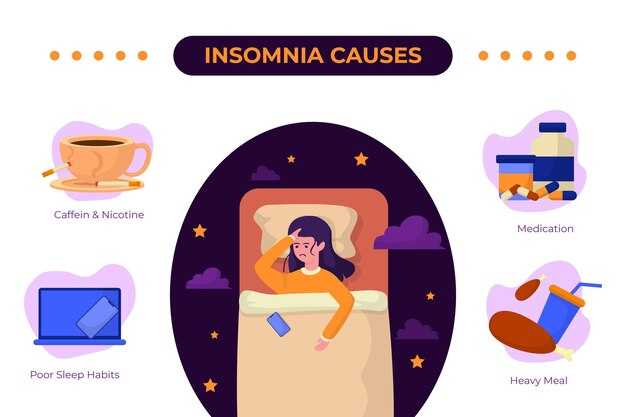 9 Hábitos Diários Ao Longo do Dia para um Sono Melhor">
 Como Ser Mais Interessante – 10 Formas Práticas de Aumentar o Seu Carisma">
 Best Breathing Exercises for Sleep – Techniques for Better Rest">


