

 Korean
  English
  Russian
  French
  German
  Italian
  Spanish
  Polish
  Ukrainian
  Turkish
  Portuguese
  Greek
Greek  Arabic
  Chinese
  Japanese
  Czech
Czech 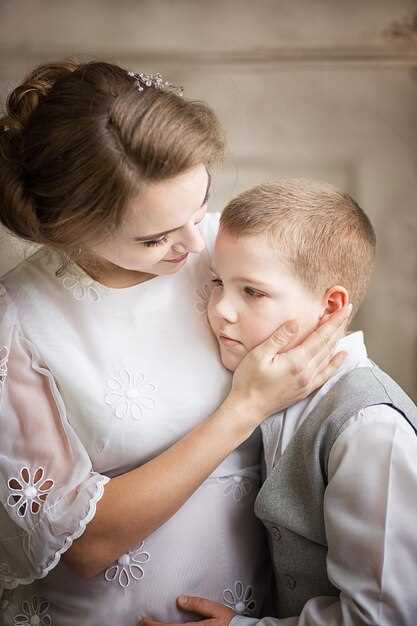 어린 시절이 결혼 생활에 미치는 영향 – 징후, 원인 및 치유">

Start this protocol immediately: enroll both partners in 12 structured weekly sessions with a licensed clinician, add daily 5‑minute check-ins and one shared behavior log to interrupt repetition and measure change, and set a target – for example, reduce escalations by 50% in six weeks – since measurable metrics speed progress.
Watch for responses that mirror threatening interactions from the past: sudden withdrawal, exaggerated demands for attention, or attempts to gain control during minor disputes. Many clients report memories of an absent or punitive father; those memories were powerful triggers that generate fear and automatic defenses. A pooled analysis by scotts found that early experience of inconsistent caregiving include unpredictable discipline and emotional neglect, which affect attachment patterns and make it harder for partners to feel safe and receive love from them.
Use brief exercises: draw a concrete picture of a safe interaction, rehearse it aloud, and then move away from rehearsed blame scripts by naming specific things you noticed (“I felt unheard when…”) rather than general attacks. Remove children from conflict zones, pause for a 20‑minute soothing break if voices escalate, and validate attempts to gain calm so defenses lower. These practical moves reduce cycles that lead to trust issues and create space to repair connection.
Spotting Patterns Originating in Childhood

Track triggers and repetition: keep a written log for 6 weeks of moments when you feel fear, withdraws, or seek attention from your partner; if the same emotional response appears in most conflicts (≥50%), label it as a repeating pattern and plan a targeted intervention.
Use specific questions after each episode: What past memories came back? Which caregiver were they linked with – father, mother, or another adult? Did the response aim to gain love or push someone away? Record context, body sensations, and the immediate defenses that were used.
Map behaviours to likely origins: list three childhood experiences that match current reactions (e.g., inconsistent attention → attention-seeking; threatening arguments at home → fight/flight responses; emotional neglect → withdrawal). For each match include one small practice to test change (two-minute self-soothing, a scripted request for clarity, 48-hour pause before major decisions).
| Pattern in relationship | Probable origin | 구체적인 행동 |
|---|---|---|
| Sudden withdrawal during conflict | Caregivers who were emotionally unavailable; memories of being left alone | Use a timeout protocol: announce a 20-minute pause, practice breath counts, return with a summary statement |
| Constant need to gain attention | Inconsistent attention from parent(s) after distress | Implement weekly scheduled check-ins with partner and track completion for 8 weeks |
| Hypervigilant fear that partner will leave | Threatening separations or unpredictable caregiving in the past | Use journaling to record evidence that contradicts abandonment beliefs; share one entry together each week |
Quantify progress: set an objective–reduce instances of defensive reaction by 30% across 12 tracked interactions; if improvement stalls after 3 months, refer to a therapist trained in attachment work. Reliable screening tools (self-report scales) and structured couples protocols can help differentiate age-old memories from current dynamics.
Teach partners to respond with specific phrases that soothe: “I hear you,” “Tell me one thing you need right now,” and “I will come back in X minutes.” These scripts recalibrate attachment expectations that were formed since early life and help people move back from automatic defenses.
When to seek professional help: persistent issues that lead to repeated breakups, patterns which affect children in the household, or traumatic memories that are threatening daily functioning. Trusted resources and summaries about attachment research are available at the American Psychological Association: https://www.apa.org/topics/attachment
Practical tip: tag related diary entries with a single keyword (for example, scotts or another unique token) to find repetition quickly; review clusters of tagged entries after two months to build a clear picture of their experience, then share the findings with your partner or clinician.
Track recurring fight triggers and map them to early family events
Begin a running log: record date, trigger phrase, observable behavior, who initiated, intensity 1–5, immediate consequence, and one-line note on probable origin – this concrete form reveals which items repeat and which require intervention.
Code each incident for repetition (count per month), topic (money, parenting, intimacy), and emotional theme (fear of abandonment, shame, threat to status); include a column for “similar past scene” so they can map the present picture back to a specific event in the past.
Use a simple scoring rule: if a trigger appears 3+ times in 30 days or links to an early memory with intensity ≥4, mark it as likely rooted in early family experience and prioritize it for repair work with the partner.
When mapping, ask targeted questions: Were they shouted at, ignored, or told to go away? Did a father, mother or other people withdraw love or punish curiosity? Note whether the person withdraws now or mounts defenses – that pattern often repeats because attachment strategies learned since early life persist into marriage.
Example: the scotts diary showed 12 conflicts over 8 weeks; 9 included accusations that one partner “left the kids” or stepped away during a crisis. Mapping found both partners’ fathers left the room after fights, which led their children to fear rejection and to react by attacking or withdrawing in arguments.
Translate mapping into micro-interventions: when a trigger linked to abandonment appears, pause and name the past memory aloud, allow 20 minutes for down-regulation, then use a fixed repair script (validate + anchor + plan). Track whether this reduces repetition over the next 4 incidents.
Measure progress with clear metrics: percent of fights where both partners can identify a related early family event within three months (target 60–80%), average time-to-repair after a pause (target <48 hours), and reduction in high-intensity repeats. If most mapped triggers are threatening attachment, prioritize attachment-focused exercises and reduce defensive moves.
If one partner withdraws repeatedly, map whether they were taught to withdraw because love was conditional; if so, they will feel threatened faster and mount stronger defenses – options include guided exposure to repair, therapist-led genogram work, and weekly check-ins to rewrite the picture of safety in their relationship after each conflict.
Keep a daily emotion log to link reactions to past wounds
Record entries within 10 minutes of feeling triggered: note time, exact trigger, threat level (0–10), closeness level (0–10), physical sensations, the memory that surfaced, and the behavior that followed (example: withdraws, pursue attention, raise voice).
- Mandatory fields: date/time, trigger phrase, partner action, threat score, closeness score, memory tag (one-word), behavior, immediate need (one action you wanted from them).
- Use numeric scales: threat 0–10 and attachment safety 0–10 to quantify reactions and compare days.
- Keep entries under 90 seconds; use shorthand columns in a spreadsheet or a simple notes app to gain consistency.
- Daily: 3 quick logs (after morning interaction, mid-day stressor, evening conflict) to map pattern density.
- Weekly review (30 minutes): sort entries by memory tag and count occurrences. Flag any tag that appears in most entries for further work.
- Monthly: calculate change in average threat score and average withdrawal incidents; aim to reduce threat score by 20–40% over 8 weeks through awareness and practice.
When an entry links to a past scene, label the memory clearly (example: “father-left”, “mother-critical”, “ignored-as-child”). If several entries point back to the same childhood picture – for example, since their father left, people who experience late arrivals may feel abandoned – that pattern reveals attachment wounds that lead to defenses and behaviors such as pulling away or demanding attention.
- Example note: “8:12pm – partner late to dinner, threat 7, closeness 3, memory: father-ignored, behavior: withdraws, need: 10 minutes of attention.”
- Case example: Scotts writes entries showing after small slights they feel like a child again; they notice fear spikes and their defenses push them to push away, which then makes partner confused.
Use the log to prepare one 5-minute feedback to partner each week: read one factual entry, state the memory link, name the need (attention, reassurance, space), and request a specific repair step (stay five extra minutes, send a check-in text). Share logs with a therapist so them can map triggers to attachment patterns and design interventions.
Assess progress by tracking incidents where the couple shifted response: count how many times attention requests replaced withdrawal. Note changes in love expressions and practical outcomes in the relationship: fewer reactive episodes, clearer picture of past issues that affect present behavior, and measurable drops in threat scores across 6–12 weeks.
Ask your partner targeted questions about their first relationships
Schedule a 20–30 minute private conversation and ask focused questions to gain concrete information about patterns that may affect your marriage.
Sample questions to use verbatim: “Who was your first serious partner and what memories stick with you?”; “Did your father or other caregivers withdraw or give inconsistent attention and how did that feel?”; “After that relationship ended, what did you expect from next partners?”; “Which early experiences made you fear closeness or lead you to build defenses?”; “Were there moments you felt threatened, or that people’s rejection pushed you away?”; “Did you have a partner named scotts or someone similar whose behavior influenced your expectations?”
Listen for answers that point to attachment patterns, repetition of behaviors, unresolved issues from childhood, or protective defenses that make them pull away; note if they describe a persistent fear that shapes their reactions and their capacity to feel secure.
그들이 공개할 때, 구체적인 세부 사항을 확인하고, 비난하거나 위협하는 듯한 표현은 피하며, 그들의 기억을 간략하게 반영하고, 하나의 구체적인 후속 질문을 하십시오. 주제에 심각한 회피, 반복적인 신뢰 위반, 또는 자녀에게 미칠 영향에 대한 우려가 포함된다면, 이러한 패턴을 해결하고 그들의 관계에 대한 위험을 줄이기 위해 표적 부부 상담이나 개별 상담을 제안하십시오.
갈등 상황에서 반복되는 가족 역할을 나타내는 비언어적 신호에 주목하십시오.
에스컬레이션이 시작되면 즉시 일시 중지하십시오. 눈을 돌리거나, 턱이 꽉 조이거나, 어깨가 올라가거나, 누군가가 뒤로 물러서는 것을 보면 10–20초 동안 멈추는 규칙을 정하세요. 그 징후(cue)를 소리내어 말하고 짧은 휴식을 요청하여 그 순간이 과거의 역할을 반복하지 않도록 하세요.
역할 표지 추적: 한 파트너가 아버지 같은 뻣뻣한 자세로 곧아지는 경우 - 엉덩이에 손, 내린 턱, 응시 - 아이들이 과거에 반응으로 얼어붙거나 움츠러들었을 수 있음을 주목하십시오. 그러한 신체적 신호는 종종 초기 가족 장면에서 가장 위협적이었던 애착 기억과 공포 반응에 매핑됩니다.
정교한 스크립트를 사용하여 패턴을 중단시키세요. 비난 없이 행동을 설명하세요 (“주먹을 꽉 쥐는 것을 봅니다”), 부드러워지는 몸짓을 요청하고, 함께 세 번 숨을 쉬고, 계산된 대화를 위해 다시 돌아오세요. 양측이 어떤 움직임이 과거의 방어 기제를 자극하고, 어떤 움직임이 철수를 이끄는지 명확성을 얻을 수 있도록 몸짓 체크리스트를 포함하세요.
갈등 일지를 기록하세요. 누가 철회하고, 누가 진전하며, 어떤 단어와 접촉이 나타나는지, 그리고 움직임이 어떤 기억을 불러일으키는지 기록합니다. 자세가 언제부터 반복되는지, 어떤 과거 경험을 반영하는지, 그리고 그것이 사람들을 보호적인 전술로 끌어당기는지 또는 회복으로부터 멀어지게 하는지 기록하세요.
패턴이 지속될 경우, 자동 방어 기제를 줄이고 파트너와 안전함을 느끼는 능력을 높이는 표적화된 작업을 통해 애착 문제를 해결하십시오. 부드러워진 시선, 목에서 손을 떼는 동작, 사과의 한 마디와 같은 작고 관찰 가능한 성공은 결혼 생활에서 신뢰를 재건하고 사랑의 경험을 회복할 수 있습니다. 반응의 기원을 추적하기 위해 메모에 가족 식별자(예: scotts)를 기록하십시오.
애매모호한 어린 시절의 기억과 비현실적인 기대
구체적인 유발 요인 추적: 날짜, 맥락, 그리고 한 줄짜리 감정 평점을 통해 그들이 느끼는 것을 기록하여 검증 가능한 그림을 얻고 파트너의 행동을 위협적인 것으로 해석하는 것을 멈추십시오.
그들의 가장 엄격한 기대에 이르게 이끈 과거 사건들을 되짚어보십시오. 누가 참석했는지(아버지, 친구들) 목록을 작성하고, 깨어진 약속과 그 이후에 발생한 방어들을 기록하며, 부정확한 기억을 검증할 가설로 취급하고, 부수적인 기록과, 스콧 사건 파일과 같은 가족 기록을 포함하여 동기를 가정하지 않도록 하십시오.
파트너와 작은 검증 루틴(매일 체크인, 공유 캘린더, 48시간 피드백)에 대해 합의하여 두려움을 줄이고 교정 경험을 얻으십시오. 과거에 무슨 일이 있었는지에 대한 이야기가 아닌 반복되는 안정적인 행동에 주의를 집중하고, 네 주 후 로그를 비교하여 어떤 문제가 지속되고 어떤 기대가 바뀌는지 확인하십시오. 결혼 생활에서 예측 가능한 행동의 반복은 애착을 돕습니다. 후퇴하거나 밀어내기보다는 안정적으로 대응할 때 파트너는 안전을 느끼고 방어 체계가 부드러워집니다.
의도에 대한 추측과 기억의 공백을 구별하십시오.
상대방의 행동에 대한 동기를 추론하는 대신, 중립적이고 행동에 초점을 맞춘 질문을 하고 특정 날짜, 메시지 또는 증인을 요청하세요.
과거의 사건들을 캘린더, 사진, 영수증 및 제3자 계정과 대조하여 확인합니다. 명확성을 얻고 모호한 기억을 추측으로 채우는 것을 줄이기 위해 확인할 수 있는 구체적인 사항들을 나열합니다. 사건 이후 타임스탬프와 순서에 주의를 기울입니다.
패턴 추적: 어린 시절부터 유사한 갈등의 반복은 종종 애착 상처 또는 감정적으로 거리를 둔 아버지와의 특정 아동기 경험을 반영하며, 이는 고의적인 악의보다는 방어적 반응으로 이어질 수 있습니다.
누가 있었는지, 무엇이 말해졌는지, 언제 일어났는지, 어디에서 발생했는지, 그리고 그들의 묘사를 목록으로 작성하여 관찰 가능한 사실과 추론을 분리합니다. 불분명한 기억에는 공동 확인 태그를 붙이고 누락된 세부 사항 대신 의도를 대체하지 마십시오.
만약 사람들이 위협을 느낀다고 보고한다면, 그 보고서를 안전 정보로 취급하십시오. 공포는 기억을 왜곡하고, 방어 태세를 높이며, 사소한 모욕도 위협적으로 보이게 하므로, 먼저 즉각적인 위험을 평가하고, 그 다음 증거를 수집하십시오.
빈도를 측정하세요: 매달 발생하는 사건 수를 세고, 반복 패턴을 표시하며, 치료에 간단한 기록을 가져가서 애착 문제를 해결하고, 구체적인 단계를 통해 신뢰를 회복하고 사랑을 재건하세요. 비난보다는.
scott는 감정적으로 멀리 떨어져 있던 아버지와 함께 자랐습니다. 그의 관계에 대한 내면의 그림은 그 부재로 형성되었고, 많은 사건들이 버림으로 느껴졌으며, 그의 자녀들은 파트너와의 회피의 반복적인 사이클에 휘말렸습니다. 하지만 시간과 기록을 살펴보니 대부분의 공백은 악의적인 의도가 아니라 기억 오류였습니다.
 화난 사람을 사랑할 때 – 대처 전략 및 관계 팁">
 No Chemistry Right Away? Why You Should Still Go on a Second Date">
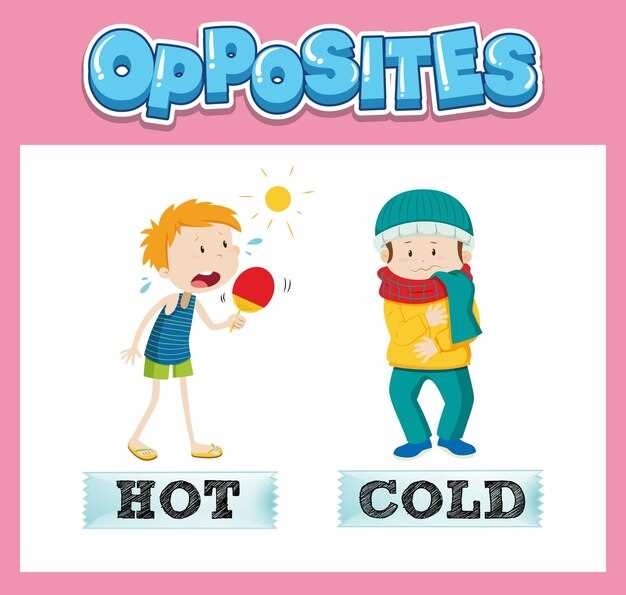 뜨겁고 차가운 게임 – 어린이들을 위한 규칙, 팁 및 재미있는 변형">
 Gottman Stress-Reducing Conversation Exercise for Lasting Love">
 Childhood Attachment – Key to Building Better Relationships">
 10 드물지만 당신이 정착할 가치가 있는 사람을 만났다는 증거">
 How to Listen Without Getting Defensive — 7 Practical Tips for Better Communication">
 관계에 대한 12가지 오해를 폭로합니다 – 사실 대 허구">
 Episode 178 – When Your Partner Isn’t Meeting Your Needs — Signs & Solutions">
 The Blog – Essential Tips, Trends & Content Strategy">


