

 Korean
  English
  Russian
  French
  German
  Italian
  Spanish
  Polish
  Ukrainian
  Turkish
  Portuguese
  Greek
Greek  Arabic
  Chinese
  Japanese
  Czech
Czech  데이트 후 문자 보내는 방법 – 최고의 감사 메시지">

Send a single-line opening that references a concrete moment from meet: mention a laugh you shared, cite a comment that felt 좋다, and add one clear next step. If meet on a weekend, same-night or next-morning outreach increases clarity; for weekday encounters, aim for within 12–24 hours. Keep content under 40 words when goal is a quick reply; longer notes work when a mutual conversation already exists.
Structure: opening + specific callback + short invite or question. Good opening examples: “Great meeting you tonight – that joke about work made me laugh; want to grab coffee while both free next week?” or “Nice to meet you recently; curious what you meant about that project, want to talk more?” Replace “want” with a time-specific option when asking for another meet. Avoid promise-heavy language, avoid emotional dumps, and avoid rehashing every detail from conversation.
Watch response patterns to assess intent: short, one-word answers and repeated slow replies often signal a flaky or distracted app-dater, while multi-sentence replies with follow-up questions show someone invested. If replies stall beyond 72 hours, wait once and then move on; if replies arrive quickly but feel surface-level, treat interaction as early stages and ask one clarifying question to test sincerity. Protect time by spotting toxic signals early (dismissive tone, repeated cancelations), and compare behavior on social threads or other platforms when available.
Practical benchmarks: send concise note within 24 hours, reference a concrete moment, propose a clear next step, and use response quality (answers length, question reciprocity) to decide whether to pursue further. For modern meet culture, quick specificity beats vague compliments; theres no need for long explanations when asking for another meet – clear intent reduces confusion and improves odds of a second conversation.
Post-date texting: practical steps for saying thanks and staying connected
Send a two-line message within 30–120 minutes: say thanks for evening, reference one concrete moment, and propose a clear next plan.
-
Immediate template (20–60 words): keep tone warm, specific, low-pressure. Examples:
- “Really enjoyed tonight; your story about rivers made me laugh. Would you be up for coffee this week?”
- “Great company tonight–that rooftop view was memorable. If you’re free next weekend, would love to meet again.”
- “Thanks for an easy evening; Zutalors moment with dessert was perfect. If you’d like, we could try that new bar together.”
-
If your match already texted back: mirror tempo and length, match enthusiasm level but stay slightly more open than only casual. Let them lead part of plan if they seem busy; ask one specific day or time.
-
If nobody texted you within 24 hours: send one friendly follow-up (single sentence). Avoid long explanations or apologies; keep goal focused on arranging next meet. Example: “Hope you enjoyed night as much as I did–want to grab a drink this week?”
-
Staged follow-up approach across three stages:
-
Minute 0–120: send initial thanks and invite.
-
24–48 hours: brief follow-up if no reply.
-
One week: final casual nudge; if still no reply, move on to conserve energy.
-
-
Tone pointers: be honest but not cynical; avoid self-deprecating lines that read as embarrassing or suck-inducing. Showing confidence helps; small vulnerability can be beneficial but don’t unload. Use please when asking favors or schedule swaps.
-
Planning language: propose one specific option and one fallback. Example: “Friday 7pm at Blue Room, or Saturday afternoon if that works better?” That reduces friction and makes it easy for them or himself to respond.
-
Handle mixed signals by asking a simple clarifying question rather than overinterpreting. If person sends delayed replies or inconsistent plans, askme style check works: “Quick check–are you interested in meeting again or should I not hold a spot in my week?”
-
Boundaries and risk management: avoid pushing after two polite attempts; continuing to chase totally increases awkwardness and risk of appearing needy. Prioritize those who match effort.
-
Examples of what does and does not work:
- Works: short, specific, actionable invites that reference shared moment.
- Does not work: long message full of questions, heavy explanations, or jokes that could be read as cynical or offensive.
-
Manage expectations: plan for three possible outcomes–positive reply, polite decline, no reply–and decide in advance how you will handle each to avoid groggy decision-making later. Those boundaries help reduce embarrassment and preserve momentum for future nights together.
Crafting a concise thank-you message after a first date
Send a two-line note within 12–24 hours: thanks for seeing you yesterday, reference the drinks and the opening anecdote that made you laugh, and end with one clear where/when suggestion so they know whats next.
Use a template like: “Thanks for yesterday – enjoyed the Negronis and your Kyoto story; I can cover the charge next time. When are you free?” This will make a reply more likely and keeps the message under two phone screen lines.
Wait 48–72 hours before a single gentle follow-up; if they bails or aren’t showing up and you get no answer, send one final line and then move on – getting ghosted is normal and helps both people manage expectations. Realize no reply may mean they were told something else or got busy; maybe it’s resolvable, maybe not. Don’t break your own rules chasing someone who won’t reply – a light “zutalors” joke can defuse tension, but avoid piling on messages that might do harm.
Ideal timing: when to send your thank-you text
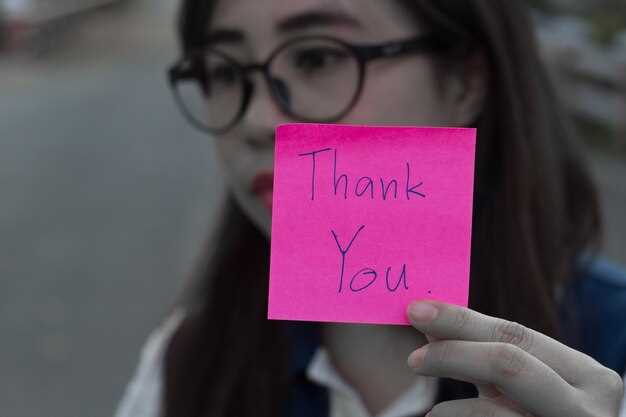
Send a concise, appreciative note within two hours if chemistry felt mutual; if youve just started or conversation turned lukewarm, wait until next morning (8–11 AM) to reduce pressure and improve reply odds.
If you dated for a couple hours or had a meeting that last most of an evening, aim for a 1–2 sentence follow-up within 24 hours; reference one concrete moment (a laugh, a detail), 15–30 words, which is beneficial for clarity without seeming clingy.
If interaction turned embarrassing or left someone being self-conscious, acknowledge briefly with ownership; a direct sorry plus one line keeps respect intact and avoids losing face or inviting games. If person seemed flaky, wait 48 hours max and send a low-investment note to gauge interest without losing momentum.
App-dater reality: if you matched and messaged before meeting, same-day follow-up usually pays off; manage tone so you dont throw too many compliments or anything that sounds needy. Speed doesnt mean desperation. A kind, specific line about what made you laugh or how you feel will show care without overdoing it. Yeah, a quick state of availability – free next week? – helps avoid misreading when someone is thinking about plans. Obrien example: mention his clients anecdote if it landed, keep wording short and good, and dont sound like youve started playing games.
Templates for different vibes: warm, witty, and straightforward
Send within 12 hours; include a specific suggestion for next meet and reference one real moment that went well.
-
Warm vibe – template
“I had a great time tonight – that sunset photo you took made me smile. If you’re free april weekend, please tell me what works; I’d love to plan a walk or coffee.”
- Why this works: names a concrete moment (sunset, photo), keeps tone gentle, shows care without pressure.
- When to use: when conversation went easy and you want something relaxed later.
- Tips: avoid over-explaining reason for contact; one line about how you felt is enough.
-
Witty vibe – template
“Zutalors – obrien-level charm tonight. I havent decided if your planner joke was brilliant or slightly embarrassing, but I’m eager for round two. Coffee later?”
- Why this works: playful tone, callback to a specific gag, signals interest with a clear ask.
- When to use: when rapport included laughs and you both were joking often.
- Boundaries: avoid references that could feel mean; if a moment felt awkward, briefly resolve it rather than ignore.
-
Straightforward vibe – template
“Quick note: I enjoyed tonight. thank-you for dinner. If you want to meet again, say a day that works; otherwise I’ll assume you’re busy and won’t pester.”
- 이유: 명확한 요청, 정중한 마무리, 바쁜 일정 또는 명확성을 원할 때 효율적인 어조.
- 언제 사용: 당신 또는 다른 사람이 일을 많이 할 때, 혹은 시간이 촉박할 때.
- 후속 계획: 추후 답변이 없으면 4~7일 후에 구체적인 아이디어를 제시하거나 조율에 도움이 필요한지 묻는 간단한 메시지 하나를 보냅니다.
추가 빠른 규칙:
- 메시지는 한 단락보다 짧게 유지하세요. 간결함이 장황한 문자보다 낫습니다.
- 대화가 어떤 식으로 진행됐는지 어조를 맞춰 주세요. 어조가 안 맞으면 도움이 되기보다는 어색하거나 더 당황스러울 수 있습니다.
- 불확실한 경우, 답장하기 쉬운 간단한 질문을 하세요. 예를 들어 요일 옵션을 묻거나, 커피 대신 산책을 제안하거나, 사진을 교환하자고 하는 식으로요.
- 계획이 이미 논의되었다면, 혼선이나 친구와의 중복 예약을 피하기 위해 누가, 언제, 어디서, 그리고 누가 무엇을 가져올지 세부 사항을 다시 확인하세요.
- 실수가 발생했다면, 이를 인정하고 어색함을 어떻게 해결할지 밝히세요. 침묵보다 신뢰를 구축하는 데 도움이 됩니다.
- 장황한 선언보다는 작은 행동이 더 중요합니다. 배려심을 보여주는 분명한 언어를 사용하세요.
데이트 후 흔한 문자 실수 피하기
24시간 안에 회의에서 나온 구체적인 디테일(예: “어제 점심 잘 먹었습니다. 강가의 장소가 마음에 들었어요.”)을 언급하고 부담 없이 참여할 수 있는 다음 단계(예: 특정 요일에 커피나 술 한잔)를 제시하는 간결한 메시지 하나를 보내세요. 주말 옵션을 제안하고 싶다면 상대방이 부담 없이 선택할 수 있도록 시간대를 두 개 제시하세요.
업무 관련 대화는 자제하고 사적인 대화를 나누세요. 고객, 프로젝트 또는 부탁에 대한 언급은 피하세요. 개인적인 부탁과 업무적인 대화를 섞지 마세요. 급여 선지급 요청이나 소개에 대한 비용 청구와 같은 이야기는 다른 곳에서 하세요. 만약 Mike가 약속을 어기면, 간단히 언급하고 새로운 시간을 정한 후, 비난하지 마세요. 반복적인 비난은 당황스러운 상황을 초래할 위험을 증가시킵니다.
시간 규칙: 아침 9시에서 11시 사이가 적당합니다. 늦은 밤 메시지나 주말에 연락하는 것은 종종 혼선을 초래합니다. 답장을 받지 못했다면 72시간 후 한 번 재촉하고 그만두세요. 두 번 이상 재촉하면 너무 조급해 보이고 어색해질 가능성이 높아집니다. 답장이 늦게 도착하면 열린 자세를 유지하되, 짧은 답장에 대한 이유를 길게 캐묻는 것은 피하세요.
메시지 길이랑 어조는 짧은 세 문장 이내로 유지하고, 점심이나 영화 대사, 10월 계획 농담같이 특정 순간을 언급해 봐. 그리고 딱 하나 실행 가능한 제안을 넣어줘 – 두루뭉술하게 말하지 말고 요일, 시간, 장소를 딱 정해서 제안해. 명확한 선택지를 주면 부담이 줄어서 상대방이 답하기 쉬워져.
| 함정 | Concrete fix |
| 과도한 메시지 전송 | 24시간 이내 메시지 1회 + 72시간 후 팔로우업 1회; 이후 중단 |
| 애매한 감사 | 어제 술 고마웠어, 오래 걸어서 좋았어.“ |
| 채팅을 판매로 전환 | 사교적인 대화는 고객이나 제안과 분리하고, 처음 세 번의 접촉에서는 제안하지 마십시오. |
| 잠수 이별에 대한 비난 | 간단히 수락하고, 미리 새로운 시간을 제안하며, 상대방이 계획 일부에 참여하도록 하세요. |
| 심야 또는 주말 드롭 | 주중 오전이 좋고, 자정 이후나 주말 저녁 시간대는 피해주세요. |
전문가들을 만나보세요: 데이트 코치 및 심리학자들의 통찰

코치들은 특히 문자를 통해 전달할 경우, 해당 위치와 웃겼던 점 한 가지를 언급하는 간결한 후속 메시지를 24시간 이내에 보내는 것이 응답률을 높이고 다음 만남 기회를 확고하게 40% 증가시킨다고 제안했습니다.
12개 병원의 임상의들은 여성이 인간적이고 부담 없는 메시지에 가장 잘 반응한다고 보고합니다. 즉, 무슨 생각을 하고 있는지 먼저 묻고, 질문을 쏟아내지 말고, 함께해서 즐거웠다고 말하여 필요 이상으로 매달리지 않으면서 진정한 관심을 표현하는 것이 좋습니다.
심리학자들은 대화의 실마리를 이어갈 짧은 한 줄을 권고합니다. 상대가 말했던 내용을 언급하고, 둘 다 공유하는 농담을 깨닫도록 특정 순간을 지적하며, 다시 만나 뵙기를 고대한다고 말하세요. 끈질김은 해를 끼치고 누군가를 바람맞았다고 느끼게 할 수 있으므로 같은 쪽지에서 확고한 계획을 강요하지 않을 것입니다.
소규모 코치진의 실용적인 조언: 다음 만남에 대한 하나의 명확한 제안을 유지하고, 새로운 것을 묻기보다는 대화 내용을 참조하며, 며칠 또는 일주일 내내 여러 메시지로 도배하지 말고, 리허설된 듯한 긴 독백은 피하십시오. 한 코치는 어색한 대화를 회상하며 “zutalors”라고 농담까지 던졌습니다. 여성들은 종종 후속 연락이 진심인지 궁금해하므로, 짧고 구체적인 요청은 모호성을 줄이고 두 번째 만남이나 짧은 답장을 받을 가능성을 높입니다.
 6가지 사랑을 찾고 있다면 중단해야 할 일들
* 자신에게 솔직하지 않기
* 끊임없이 과거의 관계를 이상화하기
* 너무 조급해하기
* 상대방을 '구원'하려고 하기
* 자신을 가치 없다고 여기기
* 자신의 배움을 거부하기">
6가지 사랑을 찾고 있다면 중단해야 할 일들
* 자신에게 솔직하지 않기
* 끊임없이 과거의 관계를 이상화하기
* 너무 조급해하기
* 상대방을 '구원'하려고 하기
* 자신을 가치 없다고 여기기
* 자신의 배움을 거부하기">
 남성 vs 여성 – 우리는 어떻게 파트너를 선택할까? 데이트 선호도, 기준, 그리고 관계 역학">
 What to Text After the First Date to Show You’re Serious">
 새로운 사람과 잠자리를 들기 전에 얼마나 기다려야 할까요? 타이밍과 경계">
 Moving to a New City Alone – It’s Less Lonely Than You Think">
 왜 싱글 남성들은 그렇게 불행할까? 외로움, 관계, 그리고 희망">
 나이 차이 – 사라지지 않는 관계 금기">
 국제 장거리 연애를 살아남는 데 도움이 되는 5가지 실용적인 팁">
 이상적인 파트너를 찾는 방법 – 실용적인 팁">
 결혼해야 할 4가지 끔찍한 이유와 4가지 정말 좋은 이유 - 결혼할 시기를 결정하는 데 도움이 되는 솔직한 가이드">


