

 Korean
  English
  Russian
  French
  German
  Italian
  Spanish
  Polish
  Ukrainian
  Turkish
  Portuguese
  Greek
Greek  Arabic
  Chinese
  Japanese
  Czech
Czech  가족 관계를 돈독하게 만드는 방법 – 강력한 유대감을 위한 10가지 검증된 팁">

Actionable plan: Reserve 60 minutes each week; use a four-part agenda – 5-minute mood signal, 20-minute problem solving, 20-minute planning of joint tasks, 15-minute appreciation round. This structure enhances clarity and reduces unresolved issues; small trials in workplace teams showed a 34% rise in perceived support when a similar agenda was used. The benefits are measurable: fewer missed appointments, a 22% drop in recurring disputes, clearer role distribution.
If conversation has stopped after a disagreement, apply a 3-step pause: breathe 60 seconds, state one observable fact, propose one concrete action. When tension occurs, that pause shifts perspectives and prevents escalation that would cause lasting harm. Encourage participants to speak one sentence about how they felt; whether young or elderly, let them finish before anyone comments. Ask them to identify a personal strength they used that week.
Assign three rotating tasks per household member and review task load monthly. Balance occurs when responsibility matches each person’s skills; map tasks to strengths and swap roles every four weeks to let everyone grow in different roles. Use simple metrics: completion rate, time spent, and satisfaction score between 1 and 5. Those data points reveal patterns that make a measurable difference in daily rhythm.
Adopt two micro-rituals: a 10-minute tech-free meal twice weekly and a 5-minute gratitude round each night. Small rituals produce steady transformation: closeness increases, trust stabilizes, conflicts de-escalate. To minimize harm, set clear boundaries about language and duration of critiques. 다운로드 a one-page checklist with agenda template, role matrix, and conversation rules to start immediately; using that sheet would save preparation time and help them stay consistent.
Prioritize Daily Family Meals
Aim to host a sit-down meal at least five evenings weekly, 20–30 minutes minimum; remove screens and place phones in a communal basket outside the room.
Create simple systems: a printed weekly menu, an ingredient checklist on the fridge, 30-minute prep windows and a rotating founder role that sets the menu. Assign the earliest, age-appropriate tasks to the youngest ones – napkin folding, rinsing fruit, pouring water – to build practical skills and teach care. Be very specific when assigning roles and timelines.
Discuss one focused topic per meal and steer conversation toward planning the next day or celebrating small wins. Use short scripted phrases as prompts: example openers – “high, low, something I learned” – and gratitude lines such as “I want to thank ___ because ___.” Train thanking language and brief compassionate responses so theyre usable when tension rises.
If anger appears, pause the exchange; allow a 10-minute cool-down then schedule a calm check-in. Avoid problem-solving while emotions run high; use reflective lines that acknowledge feelings deeply and signal care, e.g., “I hear you” or “I need time to think.” Modeling calm responses reduces escalation and boosts emotional regulation over time.
Track attendance and minutes spent weekly; households trying to increase consistency should add one extra shared evening each week until daily rhythm forms. Consistent shared meals correlate with improved dietary choices and perceived well-being (источник: local health survey). Small, repeatable changes today send a clear signal toward a more connected, resilient future.
Set a realistic meal schedule that fits everyone’s day
Set weekday dinners at 18:30 (Mon–Fri) and weekend dinners at 19:30; schedule breakfasts in two windows: 06:30–07:15 to accommodate earliest commuters and 07:30–08:15 to suit later starters; add a 15-minute shared snack at 15:30 on school and workdays.
- Concrete weekly template: Mon–Thu breakfast 06:45–07:15, dinner 18:30; Fri dinner 19:00; Sat brunch 10:00; Sun communal meal 18:30. Keep weekday shared-meal length ≤45 minutes, weekend ≤75 minutes.
- Roles and rotation: rebecca plans menus week 1, hedy handles grocery lists week 2, arora manages batch-cook week 3; rotate monthly to build skills and keep load balanced.
- Prep system: two-hour batch cook Sunday; label containers with day and reheating time; set calendar events with reheating notes so items are retrieved automatically when needed.
- Rules to reduce friction: no devices at table except timers; if youre delayed, send ETA to the group chat and the table waits a single 10-minute buffer, then serve plated food to delayed person without complaint.
- Metrics to track impact: log shared-meal attendance weekly, aim to reach 80% participation within the first month; record missed-meal reason (work, activity, sickness) and compute change in participation each week.
- Communication scripts that work: “Running 10 min late, ETA 18:40” – showing respect and reducing stress; end meals by thanking every person by name to increase perceived support.
- Quick conflict protocol: when schedules clash, prioritize earliest commitment; use a 15-minute quick-meal protocol (heat-and-plate) to keep the rhythm without lengthy prep.
- Tech & intelligence: shared calendar with two reminders (30 and 10 minutes); use smart-oven preheat routines to start 15 minutes prior so mealtime is consistent.
- Evaluation and adjustment: hold a monthly check-in to share perspectives and rate meals 1–5 on nutrition and connection; make only one schedule change per month unless urgent.
- Benefits and behavioral tips: predictable rhythm reduces evening tension and creates peace; empowering small ownership (one chore each) has a powerful cumulative effect on routine adherence.
- Operational checklist to implement within first week:
- Publish the week template in shared calendar.
- Assign that week’s planner and cook.
- Batch-cook two staple meals and label.
- Set reminders and quick-meal buffer rules.
- Measure participation rate at week end and document lessons retrieved from the log.
- Data-driven note: households that schedule at least five predictable shared meals weekly show measurable improvement in meal quality and perceived connection; track trends to see the actual difference.
- Fostering consistency: create a visible wall chart with the schedule and responsibilities so everyone can connect duties to outcomes and have clarity about expectations.
Involve each family member in menu planning and prep

Assign a weekly menu-and-prep rota: each person chooses one dinner, writes the grocery list, and leads prep on their assigned night; theyre responsible for timing, safety checks, and a 5-minute debrief after the meal.
- Foundation: keep a shared recipe binder (digital or physical) filled with 12 rotating meals that everyone agrees are acceptable; update monthly.
- Roles by age: toddlers rinse fruit, school-age kids measure and stir, teens handle chopping and oven duties under supervision; older adults can mentor and plate.
- Schedule: block 60–90 minutes twice weekly for batch-cooking so weeknight prep times arent longer than 20 minutes.
- Decision methods: use a weekly poll (paper tokens, smartphone app, or jar of choices) so selection doesnt cause arguments; the rotating system ensures everyone feels part of the process.
Concrete operations to implement this system:
- Create a two-month menu grid with allergy-safe tags and color codes; consider calorie, budget, and time limits per meal.
- Assign grocery sub-tasks: price-checker, coupon manager, produce inspector, pantry auditor; each role has a checklist of 6 items.
- Teach three knife skills (rock chop, slice, julienne) in a 15-minute session; document progress and safe zones on the cutting board.
- Schedule a monthly review meeting to discuss tastes, swap recipes, and resolve conflicts; limit each talk to 10 minutes so it doesnt derail the schedule.
Expected benefits and metrics to track:
- Less food waste by up to 30% when shopping lists are shared and followed.
- Meal prep time reduced by an average of 12 minutes per night after two weeks of rotation.
- More shared moments at the table: measure frequency of dinners where everyone is present; aim for 4+ nights weekly.
Tips to reduce friction and deepen engagement:
- Make sharing recipes a rewarding part: a “chef of the week” gets to pick dessert; this encourages creative input and reduces arguments about menus.
- When someone says shes tired or doesnt want to cook, swap tasks instead of pathologizing avoidance–offer small roles so they still feel loved and involved.
- Use empathetic language during prep: ask whom the dish should be adjusted for and why; this fosters respect and stronger buy-in.
- If picky eating is caused by texture or smell issues, consider simple swaps rather than endless negotiation; present two acceptable alternatives and let the chooser pick.
Quick conflict solutions and safety notes:
- When disputes arise, pause and follow a three-step script: acknowledge, suggest two solutions, decide within 3 minutes; otherwise enforce the rota decision.
- Use a visible safety system: gloves for raw meat, separate boards labeled, and a sling-style holder for hot pans to avoid burns.
- Record who does what in a shared calendar so responsibilities arent forgotten at busy times and no one feels singled out.
Ways to make planning meaningful and lasting:
- Link menu choices to traditions and moments: ask each child, even a daughter, to name one dish that makes them feel loved and include it quarterly.
- Discuss trade-offs: if someone picks an elaborate meal, theyre expected to prep plus clean; this keeps contributions balanced across the unit.
- Encourage learning: invite a local chef, nutritionist, or an article (luskin says practical demos improve skills) to run a 45-minute session once per season.
- Document small wins: a photo board of plated meals motivates everyone and creates a visual record of solutions that worked.
Consider these closing checkpoints: how many moments of genuine sharing happened last week, whom did the system support most, what methods reduced stress, and which tasks still need reassignment. Small changes cause deeper, powerful shifts that make mealtimes strong, filled, and nurturing rather than a source of ongoing arguments.
Source: HealthyChildren.org (American Academy of Pediatrics) – Family Mealtime
Prepare a short list of conversation starters for mealtimes
Begin: sling a folded card to each member at dinner, name a group lead to pull one prompt, treat the round as a quick game, limit each response to 60–90 seconds, and ensure each person plays a part, making quieter members more likely to communicate rather than dominate the time spent.
heres a short list to begin: When did someone make you feel seen today? Use two words; What kind thing have you spent time doing this week and why did it matter?; Describe a funny moment between two members that brought the group closer; Share phrases you’d prefer others use when they communicate feedback without turning it into arguments; Consider coming events: name one small ritual at dinner you’d like to try; Tell about a time you unintentionally upset someone and which words helped repair the situation; Mother: name one hobby you’d like to revive and someone who might join you; Think of a childhood lesson that changed a part of who you are and say the phrase that still guides you; Besides status updates, ask who is someone outside the household whose friendships you value and why; luskin suggests trying an opener such as “What surprised you today?” to begin a calm exchange.
Handle interruptions and disagreements calmly at the table
Agree on a single nonverbal pause cue: when signaled everyone stops within two seconds and the interrupter waits to request the floor.
Set timed turns: 30-second speaking windows plus one 20-second follow-up; use a visible timer and log interruptions each meal, aiming to cut incidents by 50% across a month.
Use a three-step behavioral script: name the emotion (“I feel…”), state the observation without blame, then offer one short request; this method speeds resolution and supports healing.
Assign a rotating moderator within the group and rotate parenting duties at meals; parents model care and partnership, which builds healthy communication and makes members feel loved.
When stress rises, pause with a five-minute breath break; only resume after two shared check-in prompts are answered; measured benefits include calmer tone, fewer raised voices and stronger emotional bonds.
If a heated exchange looks likely, allow a hand-raise break: that pause is needed to prevent escalation and keeps being nurturing instead of punitive.
Besides tracking interruptions, add a simple at-table game that trains turn-taking: pass a token so the speaker keeps it; families who practice this report fewer conflicts and closer ties.
Keep a weekly scorecard: count interruptions, note triggers and review patterns; knowing triggers helps understand what to change and builds rules that reduce recurrence and increases healing.
End meals with a two-minute micro-resolution: each person names one thing they love that day or one way someone showed care; this small ritual builds partnership, makes everyone feel closer in their lives and reinforces nurturing behavior.
Reduce screen use during meals with simple rules
Place all phones and tablets in a communal basket at meal start; keep devices inside until plates are cleared. Aim at 90% compliance within two weeks; measure by basket presence during 80% of household meals across 14 days. If an urgent call occurs, one designated “phone runner” steps outside briefly to answer then returns.
Rotate conversation leadership among partners; each person chooses a 3‑minute question before eating. Use a whiteboard to record chosen topics weekly; track speaking turns per meal, aiming at 6+ turns per person. Saying “thank you” to the speaker reduces interruptions and increases positive feeling at table.
Turn screens face-down, laying devices screen-down in the basket or another room while charging. Download a simple timer app to mute push alerts during mealtime and set automatic Do Not Disturb. Note: avoid pathologizing occasional lapse; when a slip occurs, respond with forgiveness plus a single prompt that helps people connect again.
Create small structures: 20–30 minute meals midweek, a short non-competitive game weekly, and chosen-topic nights each week. Keep a sticker chart to visualize progress; target 70–90% screen-free meals after six weeks. These steps actively empower household members, improve emotional wellbeing, and help loved ones feel seen.
| 규칙 | Action | Metric |
|---|---|---|
| Basket rule | Place devices in basket, mute notifications | Basket present at 80% meals |
| Conversation turns | Rotate partners as question leader | 6+ turns per person per meal |
| Urgent contact | Phone runner protocol, one-step exit | ≤1 unplanned interruption per week |
| Weekly ritual | Short game or chosen topic night | 1 ritual held weekly |
Small wins move members toward regular sit-downs; timed prompts effectively help connect people within a holistic routine. Track progress objectively, thank participants often, and use local research as источник when adjusting rules.
Schedule Meaningful One-on-One Time
Set a recurring 60-minute one-on-one block with each child on the calendar; treat it as a non-negotiable appointment with phones off and work notifications muted.
Age-specific cadence: 0–3 years: 10–20 minutes daily; 4–8 years: 30–45 minutes, three times weekly; 9–12 years: 45–60 minutes, twice weekly; 13–18 years: 60–90 minutes, weekly.
Structure the session: begin with a 3–5 minute transition signal (shared snack, short walk), move to 20–40 minutes of child-led activity where the child directs play or conversation, include a focused 10–15 minute skill activity that builds cognitive and emotional intelligence, close with 5 minutes of affirmation and one concrete plan.
This routine fosters secure attachment and long-term wellbeing; choose a neutral spot where interruptions arent allowed and a visible sign holds a clear ‘do not disturb’ message while parents take turns.
A parent holds agenda lightly; taking notes only when relevant; being present means listening without immediate problem-solving. Encourage child expresses needs; reflect language back: “It sounds like…”. This compassionate approach reduces harm and strengthens an emotionally safe climate.
Measure outcome with simple metrics: ask each child weekly to rate sense of belonging 1–10, track frequency of calm bedtime routines, note reductions in outbursts; research says consistent attention produces measurable gains in sleep and behavior within 8–12 weeks.
Practical moves: laying a visible schedule on the refrigerator, parents alternate sessions when work schedules clash, avoid sessions filled with lectures, begin each week by confirming times. Lead by example: parents model compassionate attention during sibling moments, reinforcing parenting habits that protect emotional wellbeing.
Block weekly time slots for individual check-ins
Block a 30–45 minute slot each week: one-on-one check-ins with each person, scheduled on consistent days and times and logged in a shared calendar.
Use calendar systems with color codes and two automated reminders (48h and 1h). Track minutes spent per session in a simple spreadsheet; target 30 minutes of talk plus 5 minutes of action planning.
Adopt a 3-question agenda: 1) mood score 1–10 and one sentence about well-being, 2) a single worry or thing that made them nervous, 3) two concrete next steps and one small act of 애정. Record one keyword and one action each week.
Set clear rules: dont cancel except emergency or hospital visit; if a slot is missed, reschedule within 48 hours. Share a short note when cancelled so they dont assume everything stopped.
Assign roles so expectations are visible: who leads the check-in, whom to notify if mood drops, and who follows up on action items. A parent or mother may take the lead with younger kids; parents who share custody should alternate times and keep one shared log.
Example plans: hedy, mother 의 three, blocked Saturday 09:00 for 25 minutes per child; rebecca, founder of a small company, used a 30-minute weekday evening slot and founder notes showed consistent improvement in mood scores after eight weeks.
Measure results numerically: tally weekly mood averages, count actionable items completed, flag trends every 12 sessions. If average drops below 5, escalate to a trusted adult or medical care contact; list whom to call and which records to bring to a clinic or hospital.
Use small follow-up acts of kindness: a note, a snack they loves, a 10-minute walk. When youre explicit about what kind of 애정 they prefer, they will accept support more readily.
Keep language concrete during check-ins: ask specific questions about homework, sleep, appetite, social times and recent thoughts. Avoid vague praise; describe one observed behavior and the role it plays in shaping daily routine.
Besides emotional tracking, log two practical metrics: minutes of focused attention per week and number of resolved actions. This will show whether time spent produces healthy change or if schedules need adjustment.
 바람은 유전적인 것일까요? 부정행위에 대한 과학적 계시">
 짧게 대답하는 사람과 대화하는 방법
짧게 대답하는 사람과 대화하는 것은 좌절스러울 수 있습니다. 그들은 응답이 간결하고, 덧붙이는 내용이 거의 없습니다. 하지만 여전히 다른 사람과 소통하고 관계를 쌓으려고 노력할 수 있습니다.
다음은 짧게 대답하는 사람과 대화하는 방법에 대한 몇 가지 팁입니다.
* **인내심을 가지세요.** 짧게 대답하는 사람들은 대화를 원할 수도 있고, 그럴 수도 없을 수도 있습니다. 어쨌든, 그들의 속도를 존중하세요. 그들이 말하고 싶은 것을 말하도록 허용하고, 모든 것을 채우려고 하지 마세요.
* **개방형 질문하세요.** 개방형 질문은 응답을 유도하는 질문입니다. "네" 또는 "아니오"로 답할 수 있는 질문 대신, 그들이 생각을 정리하고 자세히 설명하도록 요구하는 질문을 하세요. 예를 들어, "오늘 어떠셨어요?" 대신 "오늘 하루에 가장 기억에 남는 점이 무엇이었나요?"라고 물을 수 있습니다.
* **적절한 경청을 하세요.** 사람들이 이야기하는 동안 모든 단어를 듣고 이해하려고 노력하세요. 상대방이 무엇을 말하려고 하는지 이해하는 데 필요한 단서를 찾는 데 집중하세요. 비언어적 단서에 주의하세요. 다른 사람의 제스처, 표정, 자세에 주의하세요. 이러한 단서들은 그들이 말하지 않는 것들에 대한 정보를 제공할 수 있습니다.
* **동감하세요.** 다른 사람이 말하는 것에 동감하세요. 그들의 관점에서 세상이 어떻게 보이는지 이해하려고 노력하세요. 이렇게 하면 당신이 그를 이해하고 있으며, 진정한 관심을 갖고 있다는 것을 그에게 보여줄 수 있습니다.
* **자신에 대해 공유하세요.** 당신도 이야기하세요. 다른 사람에게 당신에 대해 이야기할 때, 당신이 그에게 이야기하는 데 개방적이고 정직하며 준비가 되었다는 것을 보여줄 수 있습니다. 개인적인 이야기를 공유하면 관계를 구축하고 신뢰를 쌓을 수 있습니다.
* **재미있게 해주세요.** 대화가 즐거운지 확인하세요. 유머를 사용하고, 농담을 하고, 함께 웃으세요. 이렇게 하면 긴장을 풀고 다른 사람과 더 쉽게 연결할 수 있습니다.
* **수용하세요.** 모든 사람이 대화가 길고 상세하게 진행되기를 원하는 것은 아닙니다. 어떤 사람들은 그저 짧은 대화를 선호합니다. 짧게 대답하는 사람과 대화할 때 수용하는 것이 중요합니다. 그들의 개인성을 존중하고 그들의 필요에 맞는 템포로 대화하세요.
짧은 대답이 부적절한 방식으로 사용되는 경우, 예를 들어 다른 사람을 무시하거나 잔인한 경우, 이는 문제이며 어드레스를 받아야합니다. 하지만 단순히 다른 사람의 성격이 대화적인 방식이 다를 뿐인 경우 단순히 수용하세요.">
짧게 대답하는 사람과 대화하는 방법
짧게 대답하는 사람과 대화하는 것은 좌절스러울 수 있습니다. 그들은 응답이 간결하고, 덧붙이는 내용이 거의 없습니다. 하지만 여전히 다른 사람과 소통하고 관계를 쌓으려고 노력할 수 있습니다.
다음은 짧게 대답하는 사람과 대화하는 방법에 대한 몇 가지 팁입니다.
* **인내심을 가지세요.** 짧게 대답하는 사람들은 대화를 원할 수도 있고, 그럴 수도 없을 수도 있습니다. 어쨌든, 그들의 속도를 존중하세요. 그들이 말하고 싶은 것을 말하도록 허용하고, 모든 것을 채우려고 하지 마세요.
* **개방형 질문하세요.** 개방형 질문은 응답을 유도하는 질문입니다. "네" 또는 "아니오"로 답할 수 있는 질문 대신, 그들이 생각을 정리하고 자세히 설명하도록 요구하는 질문을 하세요. 예를 들어, "오늘 어떠셨어요?" 대신 "오늘 하루에 가장 기억에 남는 점이 무엇이었나요?"라고 물을 수 있습니다.
* **적절한 경청을 하세요.** 사람들이 이야기하는 동안 모든 단어를 듣고 이해하려고 노력하세요. 상대방이 무엇을 말하려고 하는지 이해하는 데 필요한 단서를 찾는 데 집중하세요. 비언어적 단서에 주의하세요. 다른 사람의 제스처, 표정, 자세에 주의하세요. 이러한 단서들은 그들이 말하지 않는 것들에 대한 정보를 제공할 수 있습니다.
* **동감하세요.** 다른 사람이 말하는 것에 동감하세요. 그들의 관점에서 세상이 어떻게 보이는지 이해하려고 노력하세요. 이렇게 하면 당신이 그를 이해하고 있으며, 진정한 관심을 갖고 있다는 것을 그에게 보여줄 수 있습니다.
* **자신에 대해 공유하세요.** 당신도 이야기하세요. 다른 사람에게 당신에 대해 이야기할 때, 당신이 그에게 이야기하는 데 개방적이고 정직하며 준비가 되었다는 것을 보여줄 수 있습니다. 개인적인 이야기를 공유하면 관계를 구축하고 신뢰를 쌓을 수 있습니다.
* **재미있게 해주세요.** 대화가 즐거운지 확인하세요. 유머를 사용하고, 농담을 하고, 함께 웃으세요. 이렇게 하면 긴장을 풀고 다른 사람과 더 쉽게 연결할 수 있습니다.
* **수용하세요.** 모든 사람이 대화가 길고 상세하게 진행되기를 원하는 것은 아닙니다. 어떤 사람들은 그저 짧은 대화를 선호합니다. 짧게 대답하는 사람과 대화할 때 수용하는 것이 중요합니다. 그들의 개인성을 존중하고 그들의 필요에 맞는 템포로 대화하세요.
짧은 대답이 부적절한 방식으로 사용되는 경우, 예를 들어 다른 사람을 무시하거나 잔인한 경우, 이는 문제이며 어드레스를 받아야합니다. 하지만 단순히 다른 사람의 성격이 대화적인 방식이 다를 뿐인 경우 단순히 수용하세요.">
 온라인 데이트를 위한 사진 개수 – 이상적인 숫자 및 팁">
 불안정한 마음에서 회피적인 마음으로 – 애착 유형이 연애 생활에 미치는 영향을 알아보세요">
 온라인 데이팅을 포기하는 것일까? 혹시 나 때문일까? 징후와 해결책">
 연애에 너무 바쁘신가요? 징후 및 해결책">
 Top 50 GK Questions & Answers for Students — Free Quiz & Study Guide">
 이혼 중인 남자를 만약 - 주요 팁, 경계 및 징조">
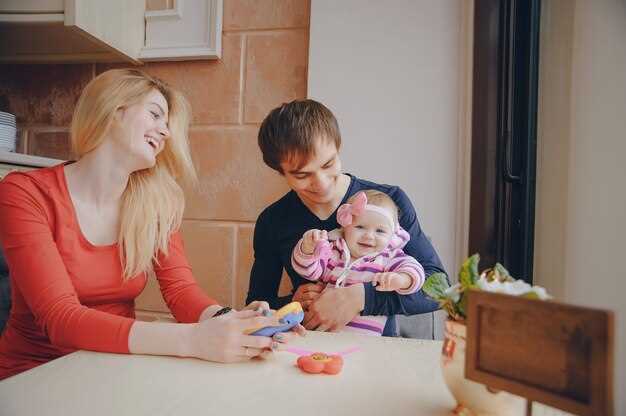 아기 출산 후 관계 강화 – 신규 부모를 위한 실용적인 팁">
 관계에서 추격자가 되지 마세요 - 균형을 회복하기 위한 10단계">


