Korean
  English
  Russian
  French
  German
  Italian
  Spanish
  Polish
  Ukrainian
  Turkish
  Portuguese
  Greek
Greek  Arabic
  Chinese
  Japanese
  Czech
Czech 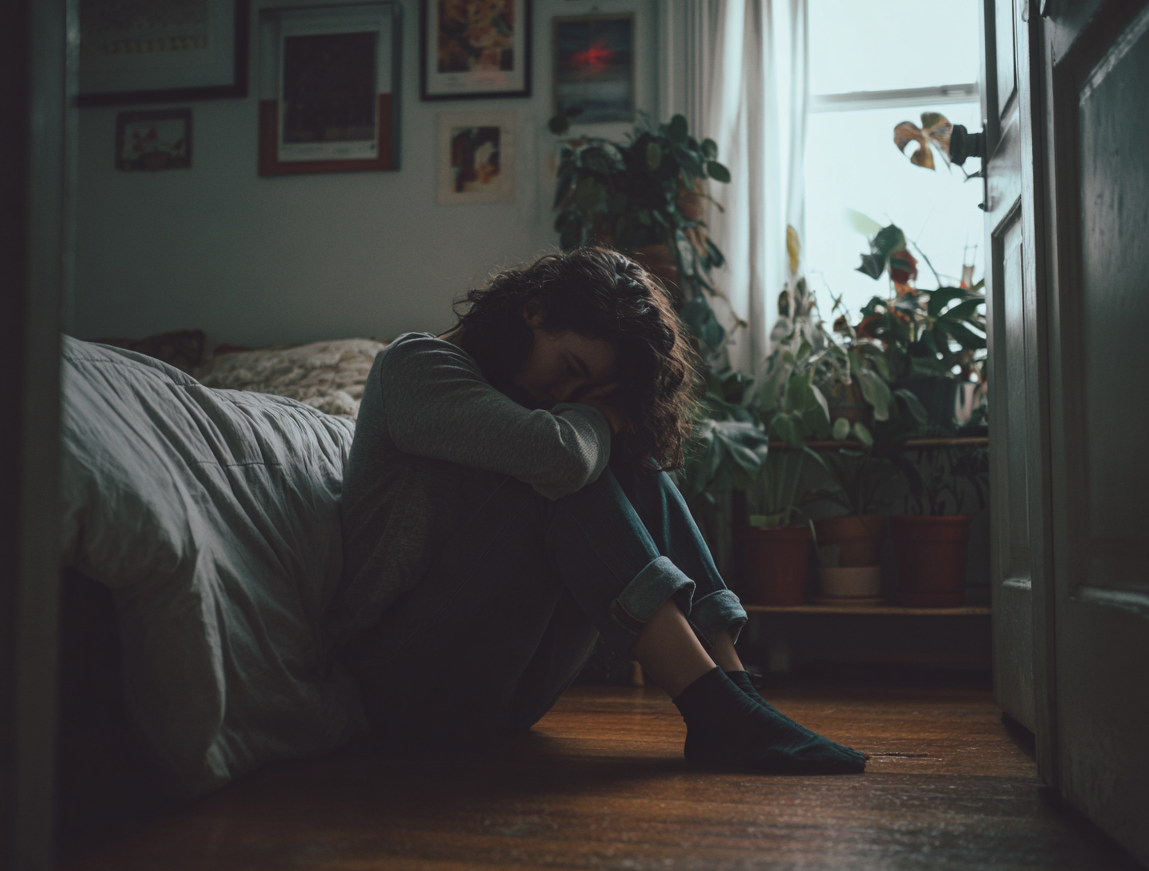

Feeling unlovable is a deeply personal experience that can impact your self-esteem, relationships, and overall quality of life. Many people struggle with the sense that they are somehow inadequate, unworthy, or incapable of being loved. This feeling can arise from past trauma, negative experiences in relationships, or deeply ingrained beliefs about self-worth. Understanding why you feel unlovable, recognizing the signs, and taking steps to heal are essential not only for building confidence, but also cultivating healthier relationships.
What Feeling Unlovable Really Means
Overall, feeling unlovable goes beyond occasional self-doubt. It’s the persistent belief that you are inherently unworthy of love and affection. People who feel unlovable often internalize negative messages from childhood, failed relationships, or social comparisons. They may feel disconnected from others or believe that their flaws make them unworthy of intimacy.
The feeling of being unlovable can manifest in several ways. You might avoid relationships out of fear of rejection, constantly seek validation from others, or sabotage connections when they begin to get serious. Even though this belief feels real, it is often shaped by past experiences rather than the truth of who you are.
Common Causes of Feeling Unlovable
Childhood Experiences and Trauma
One of the most common causes of feeling unlovable is negative childhood experiences. Such things as emotional neglect, criticism, or inconsistent parenting can leave lasting impressions, making a person feel like they are not enough. Trauma, whether from abuse, bullying, or significant losses, can reinforce a sense of unworthiness.
과거 관계
Failed relationships or repeated patterns of rejection can trigger the feeling that you are unlovable. Being in a relationship where your needs are ignored or dismissed can make you question your value. Over time, these experiences may lead to the belief that love is not meant for you.
Social Comparison and Societal Pressure
Constant exposure to social media and societal ideals of beauty, success, and lifestyle can exacerbate feelings of being unlovable. Comparing yourself to others can make you feel like you fall short in multiple areas, from appearance to career success to relationship status.
Internalized Negative Beliefs
Often, the most powerful cause is the negative narrative we tell ourselves. For example, thoughts like “I’m not good enough,” “I’m too much,” or “Nobody could love me” can become self-fulfilling prophecies. Accepting these beliefs as truth reinforces the feeling of being unlovable.
Signs You Might Be Feeling Unlovable
Recognizing the signs can help you understand your feelings and take steps toward healing. Some common indicators include:
- Fear of Intimacy: Avoiding close relationships because you anticipate rejection or disappointment.
- People-Pleasing: Constantly trying to gain approval or validation from others.
- Negative Self-Talk: Persistent criticism of yourself and focusing on perceived flaws.
- Relationship Sabotage: Undermining relationships before they can deepen.
- Isolation: Preferring to be alone because you feel unworthy of attention or affection.
Understanding these signs can be empowering, as it is the first step toward breaking the cycle of self-doubt.
How Feeling Unlovable Impacts Relationships
When you feel unlovable, it affects not only your self-perception but also your interactions with others. For instance, you may struggle with trust, constantly fear abandonment, or become overly dependent on partners for validation. These patterns can create a cycle where the fear of being unlovable contributes to relationship difficulties, which in turn reinforces the belief that you are unworthy of love.
Moreover, feeling unlovable can hinder intimacy. If you believe your partner will eventually reject you, you may hold back emotionally or physically, preventing genuine connection. Couples may find themselves stuck in misunderstandings, miscommunications, and unfulfilled needs because one partner struggles with internalized feelings of unworthiness.
How to Stop Feeling Unlovable
1. Recognize and Challenge Negative Beliefs
Firstly, try to identify the thoughts and beliefs that make you feel unlovable. Ask yourself whether these beliefs are based on facts or assumptions. Things such as journaling, therapy, or self-reflection can help you question the validity of these negative thoughts. Replacing the negative thoughts with more balanced, compassionate statements can slowly shift your perspective.
2. Practice Self-Compassion
Self-compassion is crucial in overcoming feelings of unworthiness. Treat yourself with the same kindness and understanding that you would offer a friend. This includes forgiving yourself for mistakes, celebrating your achievements, and acknowledging your inherent worth. Be kind to yourself.
3. Heal from Past Trauma
Trauma can leave deep emotional scars that fuel feelings of being unlovable. Seeking professional help through therapy can provide the tools to process past experiences, release shame, and develop healthier coping mechanisms. Cognitive-behavioral therapy (CBT), trauma-focused therapy, and mindfulness practices are particularly effective.
4. Build a Supportive Network
Surround yourself with people who appreciate and value you. Friends, family, or support groups can provide encouragement and affirmation, helping counteract negative self-perceptions. Positive relationships reinforce the idea that you are worthy of love.
5. Develop Self-Love and Confidence
Engaging in activities that nurture your well-being, setting boundaries, and prioritizing your needs can strengthen your sense of self-worth. Exercise, hobbies, education, and personal growth can help you recognize your value independently of external validation.
6. Reframe Rejection
It’s important to understand that rejection is not always a reflection of your worth. Everyone faces rejection at some point, and it often says more about the other person’s circumstances or preferences than your value. Learning to reframe rejection can reduce its emotional impact.
Moving Forward: Embracing Your Worth
Feeling unlovable is not permanent. With intentional effort, self-awareness, and support, you can cultivate a strong sense of self-worth and develop healthier relationships. Recognizing your inherent value, practicing self-love, and healing from past experiences are essential steps toward feeling confident in your capacity to give and receive love.
By understanding the roots of feeling unlovable and implementing practical strategies for healing, you can break free from the negative cycle of self-doubt. This journey allows you to form deeper emotional connections, foster intimacy, and live a more fulfilled life.
Conclusion: Overcoming Feeling Unlovable
Ultimately, feeling unlovable is a challenge rooted in past experiences, internalized beliefs, and societal pressures. While it can profoundly impact your relationships and emotional well-being, it is not an unchangeable state. By identifying negative patterns, practicing self-compassion, seeking healing, and building confidence, you can overcome the sense of being unworthy.
Healing from the feeling of being unlovable allows you to connect authentically with others, embrace your value, and cultivate a life enriched by love, acceptance, and meaningful relationships.