

 Korean
  English
  Russian
  French
  German
  Italian
  Spanish
  Polish
  Ukrainian
  Turkish
  Portuguese
  Greek
Greek  Arabic
  Chinese
  Japanese
  Czech
Czech  질투심 vs. 시샘 – 차이가 있을까요? 명확한 가이드">

Recommendation: Name the impulse precisely – covetousness when you want what someone has, possessiveness when you fear losing someone – and use that label to 관리하다 physiological surges. A professor who measured cortisol and heart-rate responses found that a 60-second pause cuts peak reactivity when feelings run high, helping you respond rather than react. Practice this pause until it becomes your nearest automatic habit.
Concrete metrics to track: note baseline heart-rate, rate intensity 0–10, and record the specific trigger. If intensity is above 6, apply a 4-minute breathing routine and a single behavioral step (text a friend, take a walk, journal). This reduces frustration and creates space for a healthier choice. Labeling doesnt equal excusing; use labels to craft a deliberate response aligned with personal values and what you love about your life.
The article’s contents include a one-page assessment, three short scripts to say when someone upsets you, and a weekly checklist to manage boundaries and emotional vocabulary. Use the scripts where social exposure is unavoidable and the checklist twice weekly; theyre small, repeatable actions that create momentum. If someone told you “youre not enough,” rewrite that sentence into an observation about fear or scarcity and check your nearest support instead of escalating from the heart.
Key Differences Between Envy and Jealousy
Look for the trigger and act: if your reaction targets another person’s possession or achievement, convert that desire into a measurable goal; if it targets a bond you share with someone, prioritize calm communication and boundary-setting. Research advises naming the feeling within 60 seconds to improve understanding of your motives in daily life and reduce impulsive behavior.
Target and motive are the clearest markers: one reaction involves wanting what someone else has (example: a coworker gets a promotion and you feel intense desire for that role), while the other involves fear of losing attention or affection (example: a partner splits time with a parent and you feel threatened). The first is oriented toward a novel opportunity or resource and often sparks goal-directed planning; the second is relational, activates guarding behaviors, and prompts conflict. If you were unsure which you feel, ask: “Am I wanting their outcome, or am I protecting a connection?” Most people can separate the two with three quick checks–target, motive, likely behavior–and respond differently depending on the result.
Practical ways to respond: 1) Convert wanting into action–list three specific steps to reach that same outcome within 30 days; 2) For relational threat, schedule a focused conversation to clarify needs and limits; 3) Use cognitive reappraisal within five minutes to reframe comparisons into learning opportunities. Similarly, track progress weekly so small wins replace rumination. Ours is a set of low-effort tactics that reduce escalation: breathing for 90 seconds, writing one achievable task, and asking for feedback from a trusted peer. Making these habits routine turns intense reactions into useful signals for personal growth–both calming and productive, and often surprisingly awesome and even amazing in their long-term effect.
Trigger contrasts: what sparks envy vs jealousy
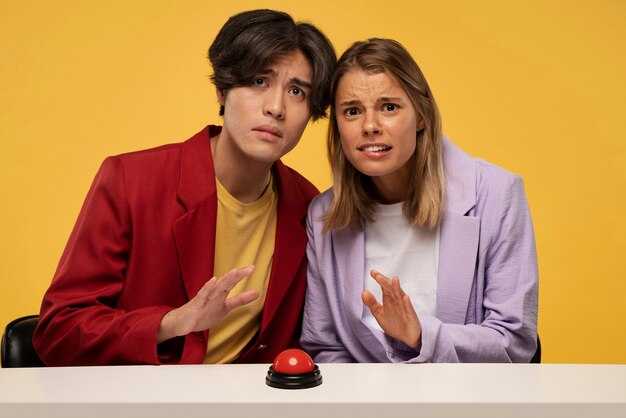
Keep a 14-day trigger log now: record moment, nearest people, attentions given, physical sensations and an intensity figure (0–10) to identify fast patterns.
-
Comparison-driven reactions (when someone has what you want)
- Typical sparks: visible achievement, money, status signals, social media highlights and objects that signal being loved or admired.
- Concrete measure: rate desire vs resentment separately; books says track frequency and peak intensity – personal logs showed peaks after passive scrolling.
- Immediate actions: reduce passive exposure, reframe opportunity (list one skill or step you can take toward the same goal), practice 5-minute breathing before responding so pain and sadness don’t drive impulsive comments.
- Therapeutic step: journaling helps identify unmet needs; if recurring mental distress (score >7 on your figure scale) consult a clinician.
-
Threat-to-relationship reactions (when a bond or attention is at risk)
- Typical sparks: secrecy, split attentions, perceived betrayal, flirting with a partner or sudden distance from someone who made you feel loved.
- Concrete measure: log who was present, what was said, and whether you felt fear of loss vs simple annoyance; include источник (if from a message or post) and number of subjects involved.
- Immediate actions: use an open, low-accusation script – “I noticed X and felt Y; can we talk?” – acknowledging feelings reduces escalation; avoid accusations if you cant verify facts.
- Boundary step: set a short-term checkpoint (48–72 hours) to reassess after cooling down; if pain or suspicion persists, ask for transparent behaviors or couples work.
Practical checklist:
- Identify trigger type within 10 minutes using your log and the 0–10 figure.
- If comparison-driven, convert one negative thought into an opportunity-focused action today.
- If relationship-threat, use an open script and request clarification before confronting; avoid public scenes.
- Track responses for two weeks; less reactivity in logs indicates habit change.
- If mental pain or recurring sadness and betrayal feelings persist, seek therapy – subjects with chronic symptoms benefit from targeted interventions.
Small notes: acknowledging specific triggers helps youd regain control, shows others youd prefer clarity, and often reduces the need for defensive behaviors while building healthier ways to feel loved.
Self-awareness: recognizing envy vs jealousy in your thoughts
Act: label the feeling within 30–60 seconds. Ask: “Do I crave what someone else has (comparison-based desire), or am I protecting a valued relationship (relationship-guarding anxiety)?” If your immediate answer is one or the other, note it and move to the next check.
Quick checklist to apply every time the sensation appears: 1) target – is it a person’s item, status or skill, or the attention someone gives you? 2) core motive – desire to acquire versus fear of loss? 3) bodily signal – heat and upward chest tension often link to desire; tight throat, stomach drop and hypervigilance often link to anxiety. Use these markers over minutes, not hours.
Example: you see a colleague promoted. If your thought is “I want that role” you’re experiencing comparison-based desire; if you think “my partner will like them more” you’re experiencing relationship-guarding anxiety. Write the trigger, thought, and immediate urge in a 2‑line notebook entry for three days.
Use evidence: several developmental articles note infants react to caregiver attention shifts as early as six months, implying an evolutionary basis for protective reactions; older children add social comparison, so childhood experiences shape whether desire or guarding dominates in adulthood. Track whether past experiences predict the current pattern.
If the feeling feels intense and interferes, treat like anxiety: two-minute paced breathing, then a 5‑minute behavioral experiment (ask a clarifying question, offer help, or inspect the other person’s context). If intensity stays high, schedule a 30‑minute reflection slot later the same day rather than ruminating now.
Honest self-report items to use repeatedly: “I cant stop thinking about getting that,” “I worry I will lose closeness,” “This makes me act negatively,” “This lowers my perceived relationship quality.” Score each 0–5; scores diverging toward desire vs guarding reveal the dominant pattern.
Practical reframes: when desire dominates, convert the impulse into goals you can achieve (skill plan, timeline, small steps); when guarding dominates, name the fear, request reassurance or boundary-setting, and create a clear social opportunity window to meet and repair trust. If neither fits, treat as mixed and address both tracks sequentially.
Use social experiments: meet the person briefly, observe facts, and record whether your mood improves; repeat across contexts. Read brief, peer-reviewed articles on social emotions to normalize the process and choose interventions that match your personal profile instead of generic advice.
Relationship fallout: how each feeling affects trust and communication
Schedule a focused 20–30 minute check-in within 48 hours and keep it behavior-focused: state one observable action, one impact on your mind, and one concrete request (example: “When you spend more time on weekend nights with a coworker, youre making me feel excluded; can we set a shared plan for weekends?”).
Immediate thresholds: treat hidden messages, sudden status changes, or deleted threads as an emergency for trust – pause joint decisions and agree on a 72-hour cooling period to document what happened, who was involved (third parties included), and what each person expects next. If a boyfriend or partner spends over 30% of free time with a third person for more than two consecutive weeks without disclosure, create explicit boundaries and review them after 14 days.
Communication templates that work: 1) “I notice X (specific), I feel Y (personal), I need Z (specific timeframe).” 2) Ask for clear responses: timeline, frequency, and who is involved. 3) Limit head-to-head argument time to 30 minutes; if responses become reactive, pause and resume with a neutral check-in later. Use written follow-ups for agreements so youre both accountable.
Behavioral markers and likely fallout: comparative resentment (covetous comparison) usually creates distancing and secret checking from their partner; possessive insecurity often creates accusatory messages, status updates aimed at control, and repeated questioning. Both patterns reduce trust scores quickly – measurable signs include fewer shared plans, less disclosure, and reduced affectionate acts. Acknowledge small positive changes (saying “thank you” for one honest update can have an amazing stabilizing effect) and track progress weekly for four weeks. If doing this does not shift interaction patterns, escalate to structured mediation or couples work.
Coping with envy: practical steps to redirect energy
Pick one measurable goal and give 20 minutes each morning to a focused micro-task that advances a real project and builds skills that produce visible success within 30 days.
Track triggers: when envy appears, log timestamp, context, who was involved and a one-line description of impact; use a 1–10 scale to quantify how much it affected your mood or productivity.
만약 누가 비교하는 것을 그만하라고 한다면, 대신 작업의 이전 버전과 현재 결과를 비교하여 발전 과정을 확인하고 개선할 수 있는 능력을 확인하며 구체적인 성과에 대해 행복감을 느끼십시오.
매주 두 번째 검토를 설정하세요: 삶 또는 프로젝트에서 세 가지 작은 성공을 나열하고, 각 성공의 원인이 되었을 가능성을 기록하고, 효과가 있었던 것을 반복하기 위한 실행 가능한 단계를 할당합니다. 마찬가지로, 다음 주에 시도해 볼 실험을 하나 추가하세요.
정신적 재구성: 강렬한 감정이 들 때, 유사한 결과를 얻기 위해 빌리거나 연습할 수 있는 자원이 무엇인지 자문해 보십시오. 이는 부족함에서 관리하고 성장시킬 수 있는 기술로 초점을 전환하는 것을 의미합니다.
다른 사람의 성공에 대해 언급하기 전에 잠시 멈추어 관계를 보호하십시오. 중립적인 질문이나 진심 어린 칭찬은 사회적 긴장을 줄이고 그러한 관계에서의 신뢰를 보존합니다.
| Step | 매일 시간 | Metric | Concrete example |
|---|---|---|---|
| 마이크로 태스크 | 20 min | 1 작업 완료/일 | 프로젝트를 위해 단락 초안을 작성하고 버전 1로 저장합니다. |
| 트리거 로그 | 2분 | 주당 항목 수 | 목표, 맥락, 영향도 (1–10)을 기록하세요. |
| 진척도 확인 | 주간 30분 | 3승 기록됨 | 이전 초안과 현재 버전을 비교하고 개선 사항을 나열하십시오. |
| 기술 교환 | 1시간 격주 | 1개의 새로운 기술 연습 | 숙련된 사람에게 피드백을 요청하고, 대가로 도움을 제공하십시오. |
| 사회 위생 | ad-hoc | 관리되는 상호작용 | 반응성 있는 댓글을 달기 전에 멈추세요. 칭찬하거나 질문을 하세요. |
작은 실험을 실행해 보세요. 부정적인 감정을 줄일 수 있는 두 가지 가설(소셜 미디어 사용 시간 줄이기, 연장자 멘토링, 취미 활동 시작하기)을 선택하고 각 가설을 2주 동안 테스트하면서 결과를 기록해 보세요. 얼마나 빨리 증거가 가정을 바꾸는지 놀라실 겁니다.
데이터를 활용하여 결정하세요. 변화가 부정적 영향 점수를 30%만큼 줄이고 생산성을 15%만큼 높인다면 확장하고, 그렇지 않다면 반복하세요. 이러한 측정은 대응을 실용적으로 유지하고, 달성하고자 하는 결과에 대한 놀라운 추진력을 창출합니다.
질투 극복하기: 관계를 보호하기 위한 건설적인 전략
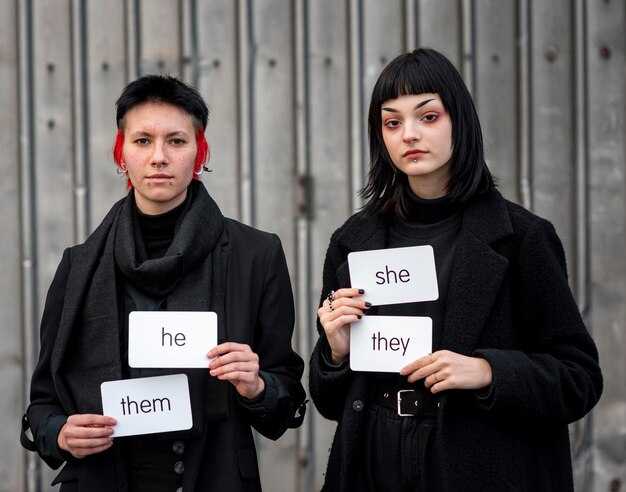
5분 인지력 테스트를 진행하세요: 처음에 떠오른 생각의 유발 요인을 적고, 그 생각에 대한 지지 증거 세 가지와 반대 증거 세 가지를 나열한 다음, 24시간 이내에 침착한 행동 반응을 선택하세요. 생각은 검증 가능한 가설로 취급하여 마음이 강한 감정이 객관적인 진실과 같지 않다는 것을 배우도록 하세요. 증거가 약하면 행동을 연기하고 재평가하세요.
간단한 의사소통 스크립트 사용: 20분 슬롯을 정하고, 마주 보고 앉아 이렇게 말하세요: “Y 때문에 X라고 느껴져요; 안전하다고 느끼기 위해서는 Z가 필요해요.” 메리는 싸움 후 이 방법을 시도했고, 파트너는 추측 대신 구체적인 내용을 인정했습니다. 더글러스는 같은 스크립트를 친구들과 사용했고, 반복적으로 명확한 문장을 사용하면 긴장이 완화되는 것을 알게 되었습니다. 사실에 근거한 진술을 하고, 비난을 피하며, 그들의 답변 후에 하나의 명확한 질문을 하세요.
타겟 행동 작업 예약: 매일 15분씩 자기 계발과 연계된 기술 향상 시간을 할당합니다 (일기 쓰기 촉진, 감사하는 마음 연습, 또는 진정시키는 호흡법 배우기). 4주 동안 빈도를 추적하고 1~10 척도로 행복감과 웰빙에 미치는 영향을 평가합니다. 평균이 2주 후에도 상승하지 않으면 활동을 조정합니다.
구체적인 경계를 설정하고 안심 의식을 확립합니다. 헌신을 보여주는 두 가지 구체적인 행동에 대해 합의합니다 (예: 매일 밤 10분 체크인, 합의된 소셜 미디어 사용 제한). 이를 적어두고 매주 검토하며, 위반 사항은 성격 결함이 아닌 해결 가능한 사건으로 대합니다. 이는 분리감의 영구적인 차이를 증명하는 것이 아니라 회복할 수 있는 또 다른 기회를 제공합니다.
로그 에피소드 및 결과 기록: 간단한 표를 유지하세요: 날짜, 유발 요인, 강도 1–10, 선택한 대응, 결과. 여덟 번의 항목을 검토한 후 특정 시간, 장소 또는 사람이 관련된 패턴을 찾으세요. 그 데이터는 치료 또는 개인 학습에 집중할 곳을 보여주며 진행 상황에 대한 더 명확한 감각을 제공합니다.
필요할 때 집중적인 정신 건강 지원을 받으세요. 만약 강도가 10점 만점에 6점을 넘어서 4주 이상 지속된다면, 인지 왜곡과 행동 실험을 해결하기 위해 CBT(인지 행동 치료) 훈련을 받은 임상의에게 8~12회 세션을 받으세요. 치료가 실패를 의미하는 것은 아니며, 기술을 연마하는 것처럼 뇌를 치료하고 연령이 많거나 젊은 파트너에게도 관계 기능을 개선합니다.
Practical checklist: 매일 15분 연습, 주간 20분 대화, 서면 경계, 에피소드 로그, 8주 리뷰. 이러한 단계를 전달하고 파트너에게도 자신의 로그를 기록하도록 요청하여 양쪽 모두 경험을 비교하고 함께 변화를 측정할 수 있도록 하십시오.
 고통의 감정적 영향 – 고통이 감정에 미치는 영향">
 내향적인 사람들이 그들에 대해 알고 싶어하는 25가지
내향적인 사람들이 자신에 대해 사람들이 이해해 주기를 바라는 것은 수없이 많습니다. 그들에 대한 오해는 너무나 보편적입니다.
물론, 내향적인 사람들은 사람들 사이에서 더 많은 에너지를 얻고 혼자 시간을 보낼 때 에너지를 얻으면서 서로에게 접근할 수 있기 때문에 외향적인 사람들만큼 열정적이지 않을 수 있습니다. 그러나 이것이 그들이 갇혔거나 부끄러워하거나 사회를 싫어한다는 것을 의미하지는 않습니다.
실제로 많은 내향적인 사람들은 약간의 외향성이 있을 수 있습니다. 그들은 그들이 함께하는 그룹에 따라 활기차고 사교적이고 기꺼이 사람들과 소통할 수 있습니다. 그러나 그들은 다른 사람을 만날 수 있어서 그렇게 할 자신이 없다는 것을 의미하지는 않습니다.
내향적인 사람들을 이해하는 데 도움이 되는 25가지가 있습니다.
1. 시간이 혼자 보내는 것을 의미하지 않습니다.
내향적인 사람들에게 혼자 있는 것은 재충전하고 재구성하는 과정입니다. 그들은 자신과 함께 조용히 있는 것이 매우 편안하고 즐겁다고 느낍니다.
2. 외향적인 사람들과 곁에 있기에도 즐거워합니다.
내향적인 사람들은 사람들을 사랑하고 어울리기를 좋아합니다. 그들은 그 누구라도 피하는 것이 아니라, 사회적 상호 작용은 소비적일 수 있기 때문에 그들을 선택합니다.
3. '혼자'는 '외로움'과 다릅니다.
내향적인 사람들은 사회적 상호 작용을 즐길 수 있지만, 그렇지 않을 때 혼자 있는 것을 그만두는 것이 아니라 재충전을 할 수 있습니다.
4. 혼자서 편안하게 있어 보낼 준비가 되지 않았다고 생각하지 마세요.
내향적인 사람들은 모든 사람의 요구를 충족하기 위해 항상 활기찬 것이 아니기 때문에 시간을 쏟아주지 못할 수 있습니다.
5. '활동적'과 '내향적'은 상반되지 않습니다.
내기적적인 사람들은 집을 나주어 활동적인 시간을 가질 수 있습니다.
6. 모든 내향적인 사람은 '내성적'이 아닙니다.
내향적인 사람들은 타인과의 관계에 기꺼이 참여하지만, 많은 사람들과 대화하게 될 때에는 기꺼이 하고 싶어 하지 않을 수도 있습니다.
7. 그들은 단순히 소규모 그룹에서 편안함을 느껴요.
그들에게는 많은 사람들보다는 더 작은 그룹이 더 큰 에너지원입니다.
8. 그들은 많은 사람보다 '깊은' 관계를 추구합니다.
내향적인 사람들은 파티에서 많은 사람을 아는 것보다 수 개 또는 몇 개의 가까운 친구를 갖는 것을 선호하는 경향이 있습니다.
9. 자신들의 감정을 소화할 시간이 필요합니다.
내향적인 사람들은 사회적 상호 작용을 할 때의 많은 것들을 처리하면서 감정을 처리하는 데 시간이 필요합니다.
10. 그들은 외향적인 상황에 전적으로 '노력'하지 않을 수 있습니다.
그들은 사회생활을 하고 싶어하지만 사회적 상황에 모든 에너지를 쏟지는 않을 수 있습니다.
11. 외부의 사회적 상황보다 자기 성찰에 더 많은 에너지를 쏟을 수 있습니다.
그들은 생각을 정리하고 재충전할 때를 보낼 수 있습니다.
12. 그들은 작은 것들에 주의할 것입니다.
내향적인 사람들은 환경에 집중할 가능성이 높습니다.
13. 그들은 종종 우수적인 청취자입니다.
그들은 청취하는 것을 좋아해서 다른 사람에게 시간을 줄 수 있습니다.
14. 그들은 생각보다 그들의 마음을 결정할 수 있습니다.
내향적인 사람들은 의견이나 결정을 내리기 전에 생각을 해야 할 수 있습니다.
15. 그들은 자신의 생각을 공유하는 데 시간이 걸릴 수 있습니다.
내향적인 사람들은 새로운 아이디어가 있기 전에 생각하고 정리해야 합니다.
16. 그들은 더 많은 시간을 혼자 필요로 할 것입니다.
내향적인 사람들은 사회행사에서 재충전하는 데 걸리는 시간이 충분하지 않을 가능성이 큽니다.
17. 그들은 새로운 사람을 만나는 데 어려움을 겪을 수 있습니다.
그들은 사람에게 접근하고 더 쉽게 자신을 공개하는 데 노력할 것입니다.
18. 그들은 편안하게 지내는 편입니다.
내향적인 사람들은 익숙해진 것에 남아 있는 것과 편안함의 다른 사람들과 함께 머무르는 것을 선호할 것입니다.
19. 그들은 사람들에게 비판을 듣는 데 시간이 필요합니다.
내향적인 사람들은 생각하고 처리하기 때문에 피드백을 듣는 데 시간이 걸릴 수 있습니다.
20. 그들은 사교적인 곳에 가지 않을 수 있습니다.
그것들은 너무 많은 소음과 자극 때문에 사교적인 장소가 너무 어려울 수 있습니다.
21. 그들은 편안함을 느끼는 데 시간이 걸릴 수 있습니다.
내향적인 사람들은 여전히 주변을 관찰하는 데 시간이 걸리므로 새로운 그룹에 편안함을 느끼기까지 시간이 걸릴 수 있습니다.
22. 그들은 혼자 일하기 좋아합니다.
내향적인 사람들은 끊임없는 사회적 상호 작용 없이 산만함이 없는 환경에서 생산적입니다.
23. 그들은 다른 사람들에 대해 생각하는 것을 좋아하는 경향이 있습니다.
내향적인 사람들은 타인에 대해 더 많은 시간과 에너지에 집중하는 경향이 있습니다.
24. 그들은 자신에게 '충전'하기 위해 혼자 있을 수 있습니다.
내향적인 사람들은 일주일에 매일 몇 분 동안 잠시 쉬고 재충전할 수 있습니다.
25. 그들은 자신감이 부족하다고 생각하지 마세요.
내향적인 사람들은 자신감이 부족하다고 생각하는 경우가 많지만, 그들은 단지 주변에 편안한 존재일 뿐입니다.">
내향적인 사람들이 그들에 대해 알고 싶어하는 25가지
내향적인 사람들이 자신에 대해 사람들이 이해해 주기를 바라는 것은 수없이 많습니다. 그들에 대한 오해는 너무나 보편적입니다.
물론, 내향적인 사람들은 사람들 사이에서 더 많은 에너지를 얻고 혼자 시간을 보낼 때 에너지를 얻으면서 서로에게 접근할 수 있기 때문에 외향적인 사람들만큼 열정적이지 않을 수 있습니다. 그러나 이것이 그들이 갇혔거나 부끄러워하거나 사회를 싫어한다는 것을 의미하지는 않습니다.
실제로 많은 내향적인 사람들은 약간의 외향성이 있을 수 있습니다. 그들은 그들이 함께하는 그룹에 따라 활기차고 사교적이고 기꺼이 사람들과 소통할 수 있습니다. 그러나 그들은 다른 사람을 만날 수 있어서 그렇게 할 자신이 없다는 것을 의미하지는 않습니다.
내향적인 사람들을 이해하는 데 도움이 되는 25가지가 있습니다.
1. 시간이 혼자 보내는 것을 의미하지 않습니다.
내향적인 사람들에게 혼자 있는 것은 재충전하고 재구성하는 과정입니다. 그들은 자신과 함께 조용히 있는 것이 매우 편안하고 즐겁다고 느낍니다.
2. 외향적인 사람들과 곁에 있기에도 즐거워합니다.
내향적인 사람들은 사람들을 사랑하고 어울리기를 좋아합니다. 그들은 그 누구라도 피하는 것이 아니라, 사회적 상호 작용은 소비적일 수 있기 때문에 그들을 선택합니다.
3. '혼자'는 '외로움'과 다릅니다.
내향적인 사람들은 사회적 상호 작용을 즐길 수 있지만, 그렇지 않을 때 혼자 있는 것을 그만두는 것이 아니라 재충전을 할 수 있습니다.
4. 혼자서 편안하게 있어 보낼 준비가 되지 않았다고 생각하지 마세요.
내향적인 사람들은 모든 사람의 요구를 충족하기 위해 항상 활기찬 것이 아니기 때문에 시간을 쏟아주지 못할 수 있습니다.
5. '활동적'과 '내향적'은 상반되지 않습니다.
내기적적인 사람들은 집을 나주어 활동적인 시간을 가질 수 있습니다.
6. 모든 내향적인 사람은 '내성적'이 아닙니다.
내향적인 사람들은 타인과의 관계에 기꺼이 참여하지만, 많은 사람들과 대화하게 될 때에는 기꺼이 하고 싶어 하지 않을 수도 있습니다.
7. 그들은 단순히 소규모 그룹에서 편안함을 느껴요.
그들에게는 많은 사람들보다는 더 작은 그룹이 더 큰 에너지원입니다.
8. 그들은 많은 사람보다 '깊은' 관계를 추구합니다.
내향적인 사람들은 파티에서 많은 사람을 아는 것보다 수 개 또는 몇 개의 가까운 친구를 갖는 것을 선호하는 경향이 있습니다.
9. 자신들의 감정을 소화할 시간이 필요합니다.
내향적인 사람들은 사회적 상호 작용을 할 때의 많은 것들을 처리하면서 감정을 처리하는 데 시간이 필요합니다.
10. 그들은 외향적인 상황에 전적으로 '노력'하지 않을 수 있습니다.
그들은 사회생활을 하고 싶어하지만 사회적 상황에 모든 에너지를 쏟지는 않을 수 있습니다.
11. 외부의 사회적 상황보다 자기 성찰에 더 많은 에너지를 쏟을 수 있습니다.
그들은 생각을 정리하고 재충전할 때를 보낼 수 있습니다.
12. 그들은 작은 것들에 주의할 것입니다.
내향적인 사람들은 환경에 집중할 가능성이 높습니다.
13. 그들은 종종 우수적인 청취자입니다.
그들은 청취하는 것을 좋아해서 다른 사람에게 시간을 줄 수 있습니다.
14. 그들은 생각보다 그들의 마음을 결정할 수 있습니다.
내향적인 사람들은 의견이나 결정을 내리기 전에 생각을 해야 할 수 있습니다.
15. 그들은 자신의 생각을 공유하는 데 시간이 걸릴 수 있습니다.
내향적인 사람들은 새로운 아이디어가 있기 전에 생각하고 정리해야 합니다.
16. 그들은 더 많은 시간을 혼자 필요로 할 것입니다.
내향적인 사람들은 사회행사에서 재충전하는 데 걸리는 시간이 충분하지 않을 가능성이 큽니다.
17. 그들은 새로운 사람을 만나는 데 어려움을 겪을 수 있습니다.
그들은 사람에게 접근하고 더 쉽게 자신을 공개하는 데 노력할 것입니다.
18. 그들은 편안하게 지내는 편입니다.
내향적인 사람들은 익숙해진 것에 남아 있는 것과 편안함의 다른 사람들과 함께 머무르는 것을 선호할 것입니다.
19. 그들은 사람들에게 비판을 듣는 데 시간이 필요합니다.
내향적인 사람들은 생각하고 처리하기 때문에 피드백을 듣는 데 시간이 걸릴 수 있습니다.
20. 그들은 사교적인 곳에 가지 않을 수 있습니다.
그것들은 너무 많은 소음과 자극 때문에 사교적인 장소가 너무 어려울 수 있습니다.
21. 그들은 편안함을 느끼는 데 시간이 걸릴 수 있습니다.
내향적인 사람들은 여전히 주변을 관찰하는 데 시간이 걸리므로 새로운 그룹에 편안함을 느끼기까지 시간이 걸릴 수 있습니다.
22. 그들은 혼자 일하기 좋아합니다.
내향적인 사람들은 끊임없는 사회적 상호 작용 없이 산만함이 없는 환경에서 생산적입니다.
23. 그들은 다른 사람들에 대해 생각하는 것을 좋아하는 경향이 있습니다.
내향적인 사람들은 타인에 대해 더 많은 시간과 에너지에 집중하는 경향이 있습니다.
24. 그들은 자신에게 '충전'하기 위해 혼자 있을 수 있습니다.
내향적인 사람들은 일주일에 매일 몇 분 동안 잠시 쉬고 재충전할 수 있습니다.
25. 그들은 자신감이 부족하다고 생각하지 마세요.
내향적인 사람들은 자신감이 부족하다고 생각하는 경우가 많지만, 그들은 단지 주변에 편안한 존재일 뿐입니다.">
 10 새해 결심으로 스트레스 해소하기">
 함께 시간을 보내고 서로의 우정을 다지는 17가지 즐거운 커플 활동 | 관계 강화">
 운동 불안 극복을 위한 5가지 간단한 방법 – 자신감 있는 운동을 위한 빠른 팁">
 화상 회의 피로 퇴치 방법 – 회의를 위한 실용적인 팁">
 How to Deal with Dishonesty in Relationships Without Breaking Up">
 5 Essential Coping Skills for Stress and Anxiety – Quick Techniques to Find Calm">
 50 Questions to Get to Know Someone Better – Quick Conversation Starters">
 관계에서 조용한 퇴사 6가지 징후 - 어떻게 알아차리고 재연결할 수 있을까요?">


