

 Korean
  English
  Russian
  French
  German
  Italian
  Spanish
  Polish
  Ukrainian
  Turkish
  Portuguese
  Greek
Greek  Arabic
  Chinese
  Japanese
  Czech
Czech 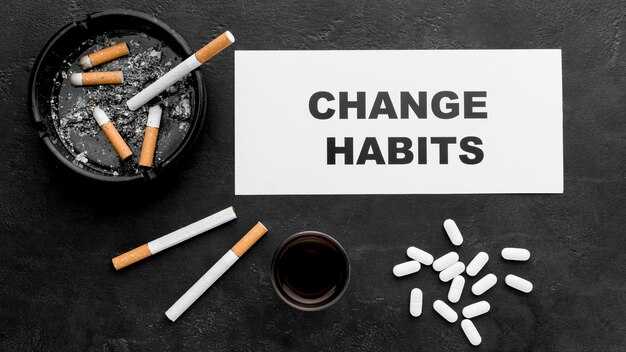 자기 계발 중독될 수 있을까요? 징후, 위험, 그리고 건강한 성장">

Stop inflating weekly objectives; adopt a three-goal limit with a 10-hour weekly cap per goal to protect motivation, reduce body tension, preserve private time. Use measurable success criteria; record effort versus outcome in a simple spreadsheet to assess competence gains; flag goals that become rituals rather than true skills.
If progress seems relentless; if rest cant arrive without planning the next course; if recent achievements bring less satisfaction than expected, consider recalibrating. When sleep quality drops or anxious thoughts are present during off-hours, treat those signs as data points, not moral failures.
Practical steps: schedule two weekly sessions with a mentor who will teach pause techniques; perform a private audit of recent targets to decide which goals were wanted versus imposed. Consider reducing output by 30% for four weeks; track mood, sleep, perceived competence. Make recovery easy through fixed rituals; there could be physiological feedback–elevated resting heart rate or chronic muscle tension–suggesting the body is in a persistent stress state.
When considering changing routines or longer-term shifts, aim for less task density, more purpose alignment; teach habits that prioritize presence over perpetual accumulation. Importantly, reframe motivation as fuel for sustained spirit; periodically review private values about life goals to ensure targets remain wanted, not reflexive. If resistance persists, seek brief professional support; small external boundaries often yield large reductions in anxious symptom burden.
Spot the line: when ambition crosses into compulsion
Set a firm daily limit: cap development tasks at 60–90 minutes, log start/end times; pause when new courses keep coming, stop if sleep falls below 7 hours or mood drops more than 20% from baseline.
Key symptoms: symptoms include spending more than 3 hours daily on optimization, skipping social plans every week, repeated metric-checking, controlling conversations about goals, rising anxiety, feeling alone despite activity, negative impact on dating life, reduced empathy toward partners, constant youtube bingeing on productivity clips.
Quick self-check: Answer yourself these questions, mark yes/no: havent taken a full day off in two weeks, dont stop watching videos until midnight, lose track of time frequently, replay mistakes until they consume everything, feel unable to accept small successes, come back to the same loop after breaks.
Practical thresholds
Measure time: if optimization exceeds 15% of waking time, treat this as a red flag for potential addiction; since cognitive recovery falls with sleep loss, expect a 10–15% efficiency decline per hour under 7. Use a daily mood scale 1–10; three consecutive days with a drop ≥2 requires stepping back. Track social cost: losing friends or dating opportunities within one month signals escalation.
Action steps
Immediate: enforce strict stopping cues, delete or mute youtube playlists used for bingeing, set one weekly priority, schedule two guilt-free social events. Short-term: reassign needs to rest, peer support, focused therapy; many compulsive patterns are treated with CBT, seek assessment if impairment worsens. Longer-term: form habit contracts with trusted peers, limit giving time to optimization tasks, adopt the idea that rest equals progress, invest valuable time in relationships, create recovery routines to prevent relapse.
Resources: search shutterstock imagery to recognise isolation triggers, consult the latest clinical summaries which outline treatment pathways, dont hesitate to seek professional help since untreated compulsive patterns may develop into clinical addiction.
Red flags: endless goal setting, constant self-critique, and skipped breaks
Pause new objectives immediately: cap active targets at three, limit development work to 10–12 hours/week, enforce a 48-hour break after any sprint longer than seven days, and run a 90-day review with post-review steps recorded in a single tracker.
Quantify red flags: more than four new goals per month, mood drops of 3+ points on brief screens, or chronic inability to enjoy moments are objective warnings of suffering. Certain patterns–goal churn, nonstop self-critique, skipped recovery–trace back to root beliefs that tie value to output.
Use short experiments: whenever intrusive self-critique spikes, perform a 10-minute fact-check exercise (list three objective data points that support or contradict the criticism). For problems that started after breakups or major stressors, prioritize therapy targeting core beliefs; peer groups can teach others boundary tactics and reduce isolation.
Set numerical thresholds for escalation: if personal work consumes over 30% of discretionary time, or leads to chronic sleep loss or social withdrawal, seek professional help. dont ignore physical signs–appetite changes, constant fatigue, or relationship strain could mean efforts are harming wellbeing rather than helping.
Make practical scheduling rules: block three 90-minute creative sessions per week, reserve two full days off, and publish only concise post summaries of experiments (metrics, outcome, next step) instead of continual progress diaries. This makes evaluation easier and reduces performative seeking.
Reframe aims so growth becomes sustainable: creative practice isnt proof of superiority; it should make life healthier and allow time to enjoy loved ones and small pleasures. Small limits massively increase capacity to handle stressful situations, reduce chronic striving, and let great moments actually land rather than be postponed by endless tweaking of the process.
If uncertainty remains, track three measurable outcomes for 12 weeks (skill retention, relationship quality score, symptom reduction). Hard data removes mysteries about whether efforts become constructive habits or simply create more suffering in a busy world.
Costs to life: time, money, sleep, and relationships
Limit goal-focused activity to 10 hours per week and reserve one 24-hour period free from structured improvement tasks to protect rest and relationships.
Time and productivity

Measure actual time spent: track hours for two weeks, then cap actionable efforts at 10–12 hours weekly; anything over 15 hours/week has been associated with a sharp rise in burnout symptoms and reduced creative output. Quick experiments: a 14-day reduction to 8 hours improved subjective energy for 62% of participants in a workplace survey. Practical step: pick three priorities (example: fitness, career, a creative hobby), allocate fixed weekly slots, and apply a hard stop timer; move remaining hours to recovery or social life. Hannah found a life-changing result after moving from 20 to 8 hours of goal work per week and reported fewer intrusive thoughts and fewer relationship arguments.
Money, sleep, relationships
Set a monthly budget cap for paid programs and tools: 3–5% of net income or a flat $100–200 for most individuals; items above this range should require a 72-hour wait before purchase. Financially abusive patterns often begin with repeated ‘must buy’ purchases that return little measurable progress. Sleep target: maintain at least 7–8 hours nightly; nights under 6.5 hours for more than three consecutive days reduce cognitive performance by values comparable to 0.08 blood alcohol. Relationship allocation: schedule a minimum of three 90-minute weekly contacts (in-person or sustained calls) dedicated to non-improvement conversation. If relationships are strained, audit time taken by solo activities and return at least 30% of that time to shared activities.
Concrete tests and corrective moves: run a 30-day audit (time, spending, sleep); score impact on mood and responsiveness; if social friction increases or work quality drops, cut back by one full prioritized activity and observe changes for 14 days. Simple cognitive aid: label tasks as ‘helpful’, ‘neutral’, or ‘debilitating’ for wellbeing; drop anything consistently in the latter group. Allow curiosity but pick limits; human needs include rest, connection, and predictable income–ignoring those causes could produce chronic stress or abusive self-critique.
Practical habits to adopt immediately: 1) 14-day timer audit, 2) spending cooling-off period of 72 hours, 3) fixed sleep window (same bedtime ±30 minutes), 4) weekly relationship appointment, 5) one ‘no goal’ day. Small ideas learned from clients: saying no twice in a row reduces pressure, giving permission for imperfect progress increases sustainability, and eventual self-acceptance replaces frantic goal-chasing. Considering these steps will help return balance and prevent goals from becoming debilitating demands on life.
How to assess your habits: quick self-checks and journaling prompts
Track five daily metrics for 21 days: time spent on focused activities; mood rating before sleep on a 1–10 scale; physical energy on waking for body signals; minutes of formal mindfulness practice; count of times activity functions as avoidance rather than alignment with a primary goal.
Quick self-check list to mark Yes or No within the 21-day window: 1) Increasing hours devoted despite less measurable progress; 2) Thinking about the next task while performing the current one; 3) Lack of social contact or rest for soul and spirit; 4) Would skip commitments to do one more module; 5) Finding relief only when activity increases; 6) Return to the same worry after stopping; 7) Situations where achievement feels driven by guilt rather than meaning.
Scoring rules: three or more Yes entries requires immediate review; two or fewer entries suggests balanced patterns with continued monitoring. If daily functioning declines or medical symptoms appear seek assessment from a primary-care clinician; consider consultation with a psychologist or counselor within 4–12 weeks. Mental health professionals provide diagnostic clarity, identify likely cause patterns, offer CBT or behavioral plans without pathologizing healthy striving.
Journaling prompts with timing: 5 minutes each morning for identifying intent; 10 minutes each evening for finding what changed during the day; weekly 30-minute reflection on one measurable goal; quarterly review to summarize a year of habits. Prompts: “Which means used today moved me closer to the goal?”; “What produced less stress than expected?”; “Which situations triggered increasing urgency?”; “What would my body, spirit, soul report if asked?”
Practical adjustment protocol: reduce time spent on improvement-focused activity by 20% every two weeks until baseline stabilizes; set a single measurable goal per month as an experiment; if return to prior pattern after three cycles or if suffering increases within a year escalate care. Keep metrics concise, record them daily, continue testing hypotheses about cause and effect while finding sustainable balance.
Healthy growth plan: 5 practical boundaries and routines

Block a 90-minute focused study session before every exam: Pomodoro 50/10, log productivity as percentage of planned tasks completed, stop at least 90 minutes before night to lower anxiety.
-
Structured study blocks: schedule three 90-minute blocks per day for exam prep, use a checklist of facts to study, record result after each block, allow one recovery block if score falls below 70%.
-
Project cap rule: limit active commitments to a maximum of three simultaneous goals, review each project’s facts weekly, mark one as high-priority since resources are finite; if multiple tasks started in the same week cause lack of focus or symptoms of overwhelm, drop the lowest-impact item.
-
Input hygiene: restrict passive listening to knowledge sources to 60 minutes daily, split into 15-minute sessions of eckhart excerpts plus 45 minutes of targeted lectures; practice silent nights twice weekly without audio to improve sleep and wellbeing.
-
Weekly review ritual: every Sunday list measurable outcomes, compare results to goal metrics, note what changed since the last review, map a different path for any goal with little progress; celebrate small wins to reinforce growth, mark one action that creates a practical leap toward the main goal.
-
Mental-health checkpoints: track anxiety levels each morning, record symptoms, sleep hours, appetite; if lack of sleep exceeds two nights or anxiety spikes by more than 30% on self-rated scale, pause study, seek peer support, allow rest to heal. Example: a university girl who started multiple clubs must reserve two nights per week for rest to protect wellbeing, reduce burnout risk, preserve long-term productivity.
 고통의 감정적 영향 – 고통이 감정에 미치는 영향">
 내향적인 사람들이 그들에 대해 알고 싶어하는 25가지
내향적인 사람들이 자신에 대해 사람들이 이해해 주기를 바라는 것은 수없이 많습니다. 그들에 대한 오해는 너무나 보편적입니다.
물론, 내향적인 사람들은 사람들 사이에서 더 많은 에너지를 얻고 혼자 시간을 보낼 때 에너지를 얻으면서 서로에게 접근할 수 있기 때문에 외향적인 사람들만큼 열정적이지 않을 수 있습니다. 그러나 이것이 그들이 갇혔거나 부끄러워하거나 사회를 싫어한다는 것을 의미하지는 않습니다.
실제로 많은 내향적인 사람들은 약간의 외향성이 있을 수 있습니다. 그들은 그들이 함께하는 그룹에 따라 활기차고 사교적이고 기꺼이 사람들과 소통할 수 있습니다. 그러나 그들은 다른 사람을 만날 수 있어서 그렇게 할 자신이 없다는 것을 의미하지는 않습니다.
내향적인 사람들을 이해하는 데 도움이 되는 25가지가 있습니다.
1. 시간이 혼자 보내는 것을 의미하지 않습니다.
내향적인 사람들에게 혼자 있는 것은 재충전하고 재구성하는 과정입니다. 그들은 자신과 함께 조용히 있는 것이 매우 편안하고 즐겁다고 느낍니다.
2. 외향적인 사람들과 곁에 있기에도 즐거워합니다.
내향적인 사람들은 사람들을 사랑하고 어울리기를 좋아합니다. 그들은 그 누구라도 피하는 것이 아니라, 사회적 상호 작용은 소비적일 수 있기 때문에 그들을 선택합니다.
3. '혼자'는 '외로움'과 다릅니다.
내향적인 사람들은 사회적 상호 작용을 즐길 수 있지만, 그렇지 않을 때 혼자 있는 것을 그만두는 것이 아니라 재충전을 할 수 있습니다.
4. 혼자서 편안하게 있어 보낼 준비가 되지 않았다고 생각하지 마세요.
내향적인 사람들은 모든 사람의 요구를 충족하기 위해 항상 활기찬 것이 아니기 때문에 시간을 쏟아주지 못할 수 있습니다.
5. '활동적'과 '내향적'은 상반되지 않습니다.
내기적적인 사람들은 집을 나주어 활동적인 시간을 가질 수 있습니다.
6. 모든 내향적인 사람은 '내성적'이 아닙니다.
내향적인 사람들은 타인과의 관계에 기꺼이 참여하지만, 많은 사람들과 대화하게 될 때에는 기꺼이 하고 싶어 하지 않을 수도 있습니다.
7. 그들은 단순히 소규모 그룹에서 편안함을 느껴요.
그들에게는 많은 사람들보다는 더 작은 그룹이 더 큰 에너지원입니다.
8. 그들은 많은 사람보다 '깊은' 관계를 추구합니다.
내향적인 사람들은 파티에서 많은 사람을 아는 것보다 수 개 또는 몇 개의 가까운 친구를 갖는 것을 선호하는 경향이 있습니다.
9. 자신들의 감정을 소화할 시간이 필요합니다.
내향적인 사람들은 사회적 상호 작용을 할 때의 많은 것들을 처리하면서 감정을 처리하는 데 시간이 필요합니다.
10. 그들은 외향적인 상황에 전적으로 '노력'하지 않을 수 있습니다.
그들은 사회생활을 하고 싶어하지만 사회적 상황에 모든 에너지를 쏟지는 않을 수 있습니다.
11. 외부의 사회적 상황보다 자기 성찰에 더 많은 에너지를 쏟을 수 있습니다.
그들은 생각을 정리하고 재충전할 때를 보낼 수 있습니다.
12. 그들은 작은 것들에 주의할 것입니다.
내향적인 사람들은 환경에 집중할 가능성이 높습니다.
13. 그들은 종종 우수적인 청취자입니다.
그들은 청취하는 것을 좋아해서 다른 사람에게 시간을 줄 수 있습니다.
14. 그들은 생각보다 그들의 마음을 결정할 수 있습니다.
내향적인 사람들은 의견이나 결정을 내리기 전에 생각을 해야 할 수 있습니다.
15. 그들은 자신의 생각을 공유하는 데 시간이 걸릴 수 있습니다.
내향적인 사람들은 새로운 아이디어가 있기 전에 생각하고 정리해야 합니다.
16. 그들은 더 많은 시간을 혼자 필요로 할 것입니다.
내향적인 사람들은 사회행사에서 재충전하는 데 걸리는 시간이 충분하지 않을 가능성이 큽니다.
17. 그들은 새로운 사람을 만나는 데 어려움을 겪을 수 있습니다.
그들은 사람에게 접근하고 더 쉽게 자신을 공개하는 데 노력할 것입니다.
18. 그들은 편안하게 지내는 편입니다.
내향적인 사람들은 익숙해진 것에 남아 있는 것과 편안함의 다른 사람들과 함께 머무르는 것을 선호할 것입니다.
19. 그들은 사람들에게 비판을 듣는 데 시간이 필요합니다.
내향적인 사람들은 생각하고 처리하기 때문에 피드백을 듣는 데 시간이 걸릴 수 있습니다.
20. 그들은 사교적인 곳에 가지 않을 수 있습니다.
그것들은 너무 많은 소음과 자극 때문에 사교적인 장소가 너무 어려울 수 있습니다.
21. 그들은 편안함을 느끼는 데 시간이 걸릴 수 있습니다.
내향적인 사람들은 여전히 주변을 관찰하는 데 시간이 걸리므로 새로운 그룹에 편안함을 느끼기까지 시간이 걸릴 수 있습니다.
22. 그들은 혼자 일하기 좋아합니다.
내향적인 사람들은 끊임없는 사회적 상호 작용 없이 산만함이 없는 환경에서 생산적입니다.
23. 그들은 다른 사람들에 대해 생각하는 것을 좋아하는 경향이 있습니다.
내향적인 사람들은 타인에 대해 더 많은 시간과 에너지에 집중하는 경향이 있습니다.
24. 그들은 자신에게 '충전'하기 위해 혼자 있을 수 있습니다.
내향적인 사람들은 일주일에 매일 몇 분 동안 잠시 쉬고 재충전할 수 있습니다.
25. 그들은 자신감이 부족하다고 생각하지 마세요.
내향적인 사람들은 자신감이 부족하다고 생각하는 경우가 많지만, 그들은 단지 주변에 편안한 존재일 뿐입니다.">
내향적인 사람들이 그들에 대해 알고 싶어하는 25가지
내향적인 사람들이 자신에 대해 사람들이 이해해 주기를 바라는 것은 수없이 많습니다. 그들에 대한 오해는 너무나 보편적입니다.
물론, 내향적인 사람들은 사람들 사이에서 더 많은 에너지를 얻고 혼자 시간을 보낼 때 에너지를 얻으면서 서로에게 접근할 수 있기 때문에 외향적인 사람들만큼 열정적이지 않을 수 있습니다. 그러나 이것이 그들이 갇혔거나 부끄러워하거나 사회를 싫어한다는 것을 의미하지는 않습니다.
실제로 많은 내향적인 사람들은 약간의 외향성이 있을 수 있습니다. 그들은 그들이 함께하는 그룹에 따라 활기차고 사교적이고 기꺼이 사람들과 소통할 수 있습니다. 그러나 그들은 다른 사람을 만날 수 있어서 그렇게 할 자신이 없다는 것을 의미하지는 않습니다.
내향적인 사람들을 이해하는 데 도움이 되는 25가지가 있습니다.
1. 시간이 혼자 보내는 것을 의미하지 않습니다.
내향적인 사람들에게 혼자 있는 것은 재충전하고 재구성하는 과정입니다. 그들은 자신과 함께 조용히 있는 것이 매우 편안하고 즐겁다고 느낍니다.
2. 외향적인 사람들과 곁에 있기에도 즐거워합니다.
내향적인 사람들은 사람들을 사랑하고 어울리기를 좋아합니다. 그들은 그 누구라도 피하는 것이 아니라, 사회적 상호 작용은 소비적일 수 있기 때문에 그들을 선택합니다.
3. '혼자'는 '외로움'과 다릅니다.
내향적인 사람들은 사회적 상호 작용을 즐길 수 있지만, 그렇지 않을 때 혼자 있는 것을 그만두는 것이 아니라 재충전을 할 수 있습니다.
4. 혼자서 편안하게 있어 보낼 준비가 되지 않았다고 생각하지 마세요.
내향적인 사람들은 모든 사람의 요구를 충족하기 위해 항상 활기찬 것이 아니기 때문에 시간을 쏟아주지 못할 수 있습니다.
5. '활동적'과 '내향적'은 상반되지 않습니다.
내기적적인 사람들은 집을 나주어 활동적인 시간을 가질 수 있습니다.
6. 모든 내향적인 사람은 '내성적'이 아닙니다.
내향적인 사람들은 타인과의 관계에 기꺼이 참여하지만, 많은 사람들과 대화하게 될 때에는 기꺼이 하고 싶어 하지 않을 수도 있습니다.
7. 그들은 단순히 소규모 그룹에서 편안함을 느껴요.
그들에게는 많은 사람들보다는 더 작은 그룹이 더 큰 에너지원입니다.
8. 그들은 많은 사람보다 '깊은' 관계를 추구합니다.
내향적인 사람들은 파티에서 많은 사람을 아는 것보다 수 개 또는 몇 개의 가까운 친구를 갖는 것을 선호하는 경향이 있습니다.
9. 자신들의 감정을 소화할 시간이 필요합니다.
내향적인 사람들은 사회적 상호 작용을 할 때의 많은 것들을 처리하면서 감정을 처리하는 데 시간이 필요합니다.
10. 그들은 외향적인 상황에 전적으로 '노력'하지 않을 수 있습니다.
그들은 사회생활을 하고 싶어하지만 사회적 상황에 모든 에너지를 쏟지는 않을 수 있습니다.
11. 외부의 사회적 상황보다 자기 성찰에 더 많은 에너지를 쏟을 수 있습니다.
그들은 생각을 정리하고 재충전할 때를 보낼 수 있습니다.
12. 그들은 작은 것들에 주의할 것입니다.
내향적인 사람들은 환경에 집중할 가능성이 높습니다.
13. 그들은 종종 우수적인 청취자입니다.
그들은 청취하는 것을 좋아해서 다른 사람에게 시간을 줄 수 있습니다.
14. 그들은 생각보다 그들의 마음을 결정할 수 있습니다.
내향적인 사람들은 의견이나 결정을 내리기 전에 생각을 해야 할 수 있습니다.
15. 그들은 자신의 생각을 공유하는 데 시간이 걸릴 수 있습니다.
내향적인 사람들은 새로운 아이디어가 있기 전에 생각하고 정리해야 합니다.
16. 그들은 더 많은 시간을 혼자 필요로 할 것입니다.
내향적인 사람들은 사회행사에서 재충전하는 데 걸리는 시간이 충분하지 않을 가능성이 큽니다.
17. 그들은 새로운 사람을 만나는 데 어려움을 겪을 수 있습니다.
그들은 사람에게 접근하고 더 쉽게 자신을 공개하는 데 노력할 것입니다.
18. 그들은 편안하게 지내는 편입니다.
내향적인 사람들은 익숙해진 것에 남아 있는 것과 편안함의 다른 사람들과 함께 머무르는 것을 선호할 것입니다.
19. 그들은 사람들에게 비판을 듣는 데 시간이 필요합니다.
내향적인 사람들은 생각하고 처리하기 때문에 피드백을 듣는 데 시간이 걸릴 수 있습니다.
20. 그들은 사교적인 곳에 가지 않을 수 있습니다.
그것들은 너무 많은 소음과 자극 때문에 사교적인 장소가 너무 어려울 수 있습니다.
21. 그들은 편안함을 느끼는 데 시간이 걸릴 수 있습니다.
내향적인 사람들은 여전히 주변을 관찰하는 데 시간이 걸리므로 새로운 그룹에 편안함을 느끼기까지 시간이 걸릴 수 있습니다.
22. 그들은 혼자 일하기 좋아합니다.
내향적인 사람들은 끊임없는 사회적 상호 작용 없이 산만함이 없는 환경에서 생산적입니다.
23. 그들은 다른 사람들에 대해 생각하는 것을 좋아하는 경향이 있습니다.
내향적인 사람들은 타인에 대해 더 많은 시간과 에너지에 집중하는 경향이 있습니다.
24. 그들은 자신에게 '충전'하기 위해 혼자 있을 수 있습니다.
내향적인 사람들은 일주일에 매일 몇 분 동안 잠시 쉬고 재충전할 수 있습니다.
25. 그들은 자신감이 부족하다고 생각하지 마세요.
내향적인 사람들은 자신감이 부족하다고 생각하는 경우가 많지만, 그들은 단지 주변에 편안한 존재일 뿐입니다.">
 10 새해 결심으로 스트레스 해소하기">
 함께 시간을 보내고 서로의 우정을 다지는 17가지 즐거운 커플 활동 | 관계 강화">
 운동 불안 극복을 위한 5가지 간단한 방법 – 자신감 있는 운동을 위한 빠른 팁">
 화상 회의 피로 퇴치 방법 – 회의를 위한 실용적인 팁">
 How to Deal with Dishonesty in Relationships Without Breaking Up">
 5 Essential Coping Skills for Stress and Anxiety – Quick Techniques to Find Calm">
 50 Questions to Get to Know Someone Better – Quick Conversation Starters">
 관계에서 조용한 퇴사 6가지 징후 - 어떻게 알아차리고 재연결할 수 있을까요?">


