

 Korean
  English
  Russian
  French
  German
  Italian
  Spanish
  Polish
  Ukrainian
  Turkish
  Portuguese
  Greek
Greek  Arabic
  Chinese
  Japanese
  Czech
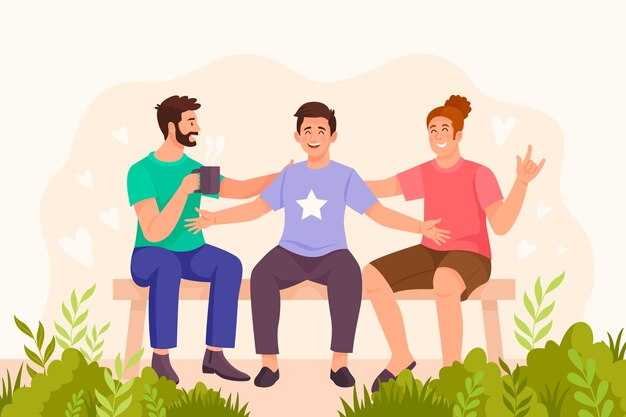
Czech  세 사람은 너무 많을까? 전문가들이 셋이서 우정을 나누는 것과 관련하여 말하는 내용">

Concrete recommendation: set a rotating calendar so every person spends equal paired time and one group slot each month. This simple rule stops imbalance before it can become a pattern: assign two paired meetups and one group meetup per four-week block, with time windows and agenda items recorded so availability doesnt skew outcomes. The main reasons for this approach are transparency, shared responsibility and predictable opportunities to reconnect.
Practical protocol (example): Week 1 – Leslie + Jaclyn (90 minutes, informal); Week 2 – Jaclyn + Bradford (60 minutes, focused catch-up); Week 3 – Bradford + Zindagi (90 minutes, activity); Week 4 – trio meeting (30 minutes, check-in). Use a shared doc to note topics and emotional flags. If someone starts replying less or appears emotionally withdrawn, call a one-on-one – that something is a signal, not a verdict. Naming patterns quickly prevents small slights from turning toxic.
Checklist to use every month: 1) who felt included, who didnt; 2) any repeated absences around the same day/time; 3) whether decisions were made without input; 4) whether expectations became implicit rather than stated. Best practices: rotate hosts, document decisions, and agree on a simple conflict script so conversations arent about blame. Remember to treat behaviour as data: if a member consistently feels excluded, adjust the calendar rather than assuming the dynamic isnt fixable. Small fixes now keep threes workable and the trio resilient over time.
Practical takeaways for evaluating, maintaining, and ritualizing triadic friendships
Run a four-week quantitative audit: log who initiates plans, who follows up, minutes spent together, and emotional-labor points (scale 1–5). Calculate each person’s total and the group mean; if someone (for example, mikes) lands more than 20 points below the mean, schedule redistributed tasks or dedicated one-on-one time from the others to rebalance load.
Be committed to two micro-rituals: a weekly 30-minute open chat and a monthly stories night where each person tells a five- to ten-minute update. Rotate hosting so kate and mikes host alternately; keeping the day and time fixed raises attendance and reduces friction, especially in weeks when work gets complex.
Use a 4-step repair protocol for conflicts: pause 48 hours, each person tells one concrete example of what went wrong, the group agrees a single repair action, and a three-day check-in verifies whether the fix becomes stable. Make sure ends and next steps are recorded so no one secretly assumes silence equals resolution.
Track subjective value with simple metrics: count ‘good’ chats and inside jokes per month and aim for at least six quality interactions. If intrinsic reward is low relative to effort, reshape roles, cut back frequency, or agree a planned wind-down so those needs still matter and the relationship stops becoming draining.
Experts show formal rules and visible tracking improve perceived fairness by roughly 15–25% in small samples; if the group is worth preserving, place a shared file with rotation dates, last decisions and who made them. Small changes – a mikes-made playlist, a running list of jokes, or fixed check-ins – make a measurable difference and help both members feel better about how everything ends or continues.
Spotting trio-compatibility: signs a three-way friendship can thrive
Run a 6-week trial: schedule one shared activity per week, log who initiates, rate post-meet mood 1–5, and note who compromises; if initiation distribution stays within roughly 40/30/30, average mood ≥4, and no one reports feeling left out more than twice, keep investing.
leading psychologist michelle sepah points at three measurable signals: balanced initiation, repaired conflict, and shared emotional labor. Track every meet for who offers support; a healthy group resolves the majority of disagreements within 72 hours and spreads consoling actions across all friends rather than funneling them onto one person.
Duos form naturally; separate one-on-one time is normal and not a threat if the wider connections still get regular attention. Practical threshold: if a pair dominates more than 30% of social moments and the third person is left out during planning times, adjust by rotating hosts or alternating activities.
Keep a decisionseven log for the last seven plans: mark who chose the activity, who deferred, and who vetoed. A stable pattern shows at least 60% joint decisions or a clear rotation; if one name appears as decider in >50% of entries, rebalance decision-making by assigning turns.
Emotional cues matter: each person should feel safe to be themselves, express upset, and receive validation within two meetings. Signs it feels easy rather than forced include shared inside joke recognition across others, matching energy levels during low-stress moments, and same expectations about punctuality and costs.
Use quick metrics at transitions: count how many times someone is the last left to be invited, how often one person carries logistics, and how frequently someone reaches out first. If those counts are roughly even and connections survive external pressures (job, school, relationships), the group usually sustains long-term dynamics.
Distributing attention fairly: concrete methods to prevent neglect
Implement a fixed rotation of 40-minute one-on-one meetings so each member of the triad has a minimum of two dedicated slots per week; record attendance and swap any missed slot within 72 hours.
Use a visible calendar (shared app or wall chart) with color codes: green = confirmed, yellow = tentative, red = missed; include a 10-minute break between slots to reset emotional bandwidth and avoid overlap when plans run late.
Apply a timed-speaking rule during mixed gatherings: set a 15-minute block where each person has uninterrupted time to speak about what matters to them; a simple phone timer prevents dominance and makes balance measurable.
Adopt the decisionseven protocol: rotate decision power for seven small choices (dinner, movie, route, playlist, venue, activity, post-event plan) so each person is the final decider for exactly one item per cycle; log outcomes to spot patterns that seem biased.
When conflict appears, run a 20-minute check-in focused only on connection metrics: perceived fairness (scale 1–5), recent inclusions (count of joint activities last 4 weeks), and unmet needs (yes/no). Document results and set one intentional action to address the highest-scoring gap.
Assign clear roles for group plans to prevent accidental exclusion: planner, messenger, and moderator. Rotate roles weekly so both social coordination and logistical labor are shared; this reduces invisible emotional load that often leads to neglect.
Make pairing easy and transparent: publish a three-week sample schedule and mark who was included or missed; this prevents vague impressions that “someone is left out” by showing exact counts for those close to the group.
Handle unavoidable absences with a three-step fallback: notify, offer an alternative time, and nominate a short solo check-in within 48 hours; dont accept “it just happened” as the only response–treat absences as data, not excuses.
| Week | Pair A–B | Pair A–C | Pair B–C |
|---|---|---|---|
| 1 | Mon 19:00 | Wed 19:00 | Fri 19:00 |
| 2 | Tue 19:00 | Thu 19:00 | Sat 11:00 |
| 3 | Wed 18:00 | Fri 18:00 | Sun 14:00 |
Use names to normalize accountability: e.g., mikes, sabrina, sepah rotate through planning and moderator duties; log each person’s number of one-on-ones monthly so decisions about extra attention are based on counts, not impressions.
Treat imbalance as expected, not personal failure: small neglect is inevitable in any close grouping, though consistent patterns require intervention; if one person scores below a threshold on the monthly log, schedule two focused check-ins the next month.
When making choices about joint time, weigh social value and practical constraints: choose initiatives that yield high connection per hour (shared projects, skills practice) rather than low-yield activities; this keeps the group balanced and maximizes closeness.
If an emotional divide seemed to form, use a short mediation checklist: specific incident, felt impact (one-sentence each), desired adjustment; keep outcomes written and included in the shared calendar so follow-through takes place and will be evaluated next rotation.
Ritual ideas that fit three calendars: weekly, monthly, and special-occasion plans

Book a standing weekly 60‑minute slot – Tuesday 7:00–8:00pm is a workable default – with a rotating host and a fixed agenda: 5–10 minute early check for logistics, 30 minutes of a shared activity (walk, short cook-along, or jointly watching a 20‑minute video), 15 minutes for scheduling and quick emotional check. This plan reduces falling out of sync, puts a clear time commitment on calendars, and makes it easy to spot conflicts two weeks ahead. Example: Bradford group uses a white calendar color for these slots so theyre visually distinct; host rotation prevents imbalanced workload and avoids toxic patterns where one person does everything.
Set one monthly “deep” session of 3 hours with a published contents checklist (snacks, agenda, budget split, transport plan). Assign one person to book venue, one to plan an activity, one to handle shared costs; rotate these roles by number so no one is always planning. A strong rule: RSVP closes five days early and cancellation under 48 hours requires a proposed make-up date – this check cuts no-shows and reduces friction. Practical additions: a shared Google doc with budgets, a simple map, and a single photo folder for memories; example packing list includes a small white cloth for picnics, cutlery, and a first-aid wipe.
For special-occasion plans (birthdays, life milestones), cap guest expectations: decide whether the event is for the group only or includes outside people, set a spend cap, and choose gifts or activities ahead of time. If someone is likely to feel sidelined, call a 20‑minute prep call to adjust the plan; this avoids imbalanced emotional labor and keeps the dynamic strong rather than strained. When conflicts cluster around the same weekend, prioritize events by impact (health, career milestones, major anniversaries) and use a simple poll to decide; in Bradford’s case, alternating who gets priority cut clashes by half. If someone proposes an add-on that feels toxic or exclusionary, check with the other two before approving – trying to preserve shared norms prevents the group from falling into patterns that push people away.
Managing conflicts and setting boundaries within a trio: quick-action steps
Hold a 15-minute weekly check-in with a visible timer: each of the people gets 4 minutes to state one boundary and one request; record actions in a shared contents document.
When conflict rises, pause; agree a 24-hour cool-off so no chat about the issue until everyone can speak without interruption, which lets tension drop quickly.
Use a neutral script: I felt X when Y; I need Z – this helps people express feeling without blame and forces them to communicate specifics.
If someone accuses another with you dont respect me, ask them to name one observable act theyve seen; reframing accusations into actions reduces escalation.
Label dynamics: threes configurations often create two-on-one pressure; within minutes that third member can feel discounted, so call it out early and address it well before patterns harden.
laurie tugnait and psychology based research show perceived investment predicts ongoing participation; create rotating roles to boost investment and make participating feel meaningful.
Dont treat a member like a discounted advertisement for plans; rotate invitations and task ownership so no one feels used or falling out of the group.
If a boundary isnt honored, impose a short consequence agreed by all – muted chat rights, brief withdrawal from a plan, or a mediator – and document the result so theyve clarity.
For deadlocks that are difficult, set a rotating tie-breaker or invite an impartial third party; this is better than letting resentment fester.
Keep a one-page log in shared contents with dates and outcomes, review connections and roles quarterly, and act quickly when someone has felt sidelined so repair is possible entirely rather than late.
Kickoff plan: a 30-day starter routine to try with your trio
Begin Day 1: hold a 60-minute check-in where each person states one boundary and one small shared goal; record the three results and agree to a simple accountability method (calendar invite or group message).
- Week 1 – Norms and fast wins (Days 1–7)
- Day 1: meeting (see above). Ask everyone to express one thing they need to feel safe.
- Day 2: 30-minute walk; name two activities that felt good in prior friendships.
- Day 3: assign a 10-minute daily check-in for the week (text or voice) so no one feels left out.
- Day 4: pick a shared interest for a low-effort project (playlist, photo album).
- Day 5: practice a micro-decision: choose dinner by democratic vote to observe decision dynamics.
- Day 6: short retrospective – list three points that worked and one to change.
- Day 7: casual group meal; celebrate being bonded after a week of experiments.
- Week 2 – Conflict rehearsal and boundaries (Days 8–14)
- Day 8: role-play a minor conflict scenario; each person practices saying “I felt X” instead of accusing.
- Day 9: each lists triggers and a preferred pause signal for conflicts so leaving can be respectful.
- Day 10: agree on a “no escalation” rule: if a disagreement rises, take a 24-hour pause and reconvene.
- Day 11: try a short shared task with rotating lead to expose decision imbalance.
- Day 12: name one thing someone does that creates friction and one that creates trust.
- Day 13: small service swap (help move a box, run an errand) to build reciprocity.
- Day 14: evaluate whether conflicts felt manageable; adjust the pause rule if needed.
- Week 3 – Deepening and disclosure (Days 15–21)
- Day 15: each shares a low-risk personal anecdote they secretly enjoy telling; permission required, no pressure.
- Day 16: designate one evening as “interest night” where each teaches the others a hobby for 20 minutes.
- Day 17: small financial experiment: pool $30 for a shared treat to test transparency.
- Day 18: answer one structured question per person about future availability (work, vacation, big events).
- Day 19: practice gratitude aloud: each names what made them feel close that week.
- Day 20: identify one habit to stop (phone use during meals, repeated lateness) and agree consequences.
- Day 21: check-in on who felt most supported and why; list two actionable changes.
- Week 4 – Consolidation and planning ahead (Days 22–30)
- Day 22: plan a mini-vacation day or full weekend within three months; assign planning roles.
- Day 23: test a signal for “need alone time” and one for “need company” so someone can leave without offense.
- Day 24: create a simple decision matrix for future group choices (who decides what).
- Day 25: practice problem-solving on a past friction point and list measurable next steps.
- Day 26: check resource balance: who gives most time, who gives most money, who gives most emotional labor.
- Day 27: set a monthly micro-routine (1.5-hour check-in) to keep the bond intact instead of ad hoc contact.
- Day 28: each writes one question they want the group to revisit at month 3; share aloud.
- Day 29: final shared activity chosen by a different member than on Day 1.
- Day 30: 30-minute closure: list three differences noticed since Day 1, one thing that seemed impossible but became easy, and a pledge for the next 90 days.
Operational rules: dont assume equal availability; create clear micro-decisions (who books restaurants, who picks movies); rotate leadership every major plan. If someone frequently declines, ask a direct question about interest rather than guessing.
Practical metrics to track weekly: number of check-ins completed, number of unresolved conflicts, one-sentence emotional rating from each person (good/neutral/strained), and one concrete plan (vacation date or shared purchase). Use a shared note for transparency so each is able to see progress.
Why this works: psychologist atkinson affirms that short, repeatable rituals reduce anxiety around group dynamics; most groups that tracked simple metrics felt more bonded and were better at preventing small conflicts from escalating. The difference between a friendship that seemed impossible to manage and one that felt close often came down to clear norms and small predictable commitments.
 고통의 감정적 영향 – 고통이 감정에 미치는 영향">
 내향적인 사람들이 그들에 대해 알고 싶어하는 25가지
내향적인 사람들이 자신에 대해 사람들이 이해해 주기를 바라는 것은 수없이 많습니다. 그들에 대한 오해는 너무나 보편적입니다.
물론, 내향적인 사람들은 사람들 사이에서 더 많은 에너지를 얻고 혼자 시간을 보낼 때 에너지를 얻으면서 서로에게 접근할 수 있기 때문에 외향적인 사람들만큼 열정적이지 않을 수 있습니다. 그러나 이것이 그들이 갇혔거나 부끄러워하거나 사회를 싫어한다는 것을 의미하지는 않습니다.
실제로 많은 내향적인 사람들은 약간의 외향성이 있을 수 있습니다. 그들은 그들이 함께하는 그룹에 따라 활기차고 사교적이고 기꺼이 사람들과 소통할 수 있습니다. 그러나 그들은 다른 사람을 만날 수 있어서 그렇게 할 자신이 없다는 것을 의미하지는 않습니다.
내향적인 사람들을 이해하는 데 도움이 되는 25가지가 있습니다.
1. 시간이 혼자 보내는 것을 의미하지 않습니다.
내향적인 사람들에게 혼자 있는 것은 재충전하고 재구성하는 과정입니다. 그들은 자신과 함께 조용히 있는 것이 매우 편안하고 즐겁다고 느낍니다.
2. 외향적인 사람들과 곁에 있기에도 즐거워합니다.
내향적인 사람들은 사람들을 사랑하고 어울리기를 좋아합니다. 그들은 그 누구라도 피하는 것이 아니라, 사회적 상호 작용은 소비적일 수 있기 때문에 그들을 선택합니다.
3. '혼자'는 '외로움'과 다릅니다.
내향적인 사람들은 사회적 상호 작용을 즐길 수 있지만, 그렇지 않을 때 혼자 있는 것을 그만두는 것이 아니라 재충전을 할 수 있습니다.
4. 혼자서 편안하게 있어 보낼 준비가 되지 않았다고 생각하지 마세요.
내향적인 사람들은 모든 사람의 요구를 충족하기 위해 항상 활기찬 것이 아니기 때문에 시간을 쏟아주지 못할 수 있습니다.
5. '활동적'과 '내향적'은 상반되지 않습니다.
내기적적인 사람들은 집을 나주어 활동적인 시간을 가질 수 있습니다.
6. 모든 내향적인 사람은 '내성적'이 아닙니다.
내향적인 사람들은 타인과의 관계에 기꺼이 참여하지만, 많은 사람들과 대화하게 될 때에는 기꺼이 하고 싶어 하지 않을 수도 있습니다.
7. 그들은 단순히 소규모 그룹에서 편안함을 느껴요.
그들에게는 많은 사람들보다는 더 작은 그룹이 더 큰 에너지원입니다.
8. 그들은 많은 사람보다 '깊은' 관계를 추구합니다.
내향적인 사람들은 파티에서 많은 사람을 아는 것보다 수 개 또는 몇 개의 가까운 친구를 갖는 것을 선호하는 경향이 있습니다.
9. 자신들의 감정을 소화할 시간이 필요합니다.
내향적인 사람들은 사회적 상호 작용을 할 때의 많은 것들을 처리하면서 감정을 처리하는 데 시간이 필요합니다.
10. 그들은 외향적인 상황에 전적으로 '노력'하지 않을 수 있습니다.
그들은 사회생활을 하고 싶어하지만 사회적 상황에 모든 에너지를 쏟지는 않을 수 있습니다.
11. 외부의 사회적 상황보다 자기 성찰에 더 많은 에너지를 쏟을 수 있습니다.
그들은 생각을 정리하고 재충전할 때를 보낼 수 있습니다.
12. 그들은 작은 것들에 주의할 것입니다.
내향적인 사람들은 환경에 집중할 가능성이 높습니다.
13. 그들은 종종 우수적인 청취자입니다.
그들은 청취하는 것을 좋아해서 다른 사람에게 시간을 줄 수 있습니다.
14. 그들은 생각보다 그들의 마음을 결정할 수 있습니다.
내향적인 사람들은 의견이나 결정을 내리기 전에 생각을 해야 할 수 있습니다.
15. 그들은 자신의 생각을 공유하는 데 시간이 걸릴 수 있습니다.
내향적인 사람들은 새로운 아이디어가 있기 전에 생각하고 정리해야 합니다.
16. 그들은 더 많은 시간을 혼자 필요로 할 것입니다.
내향적인 사람들은 사회행사에서 재충전하는 데 걸리는 시간이 충분하지 않을 가능성이 큽니다.
17. 그들은 새로운 사람을 만나는 데 어려움을 겪을 수 있습니다.
그들은 사람에게 접근하고 더 쉽게 자신을 공개하는 데 노력할 것입니다.
18. 그들은 편안하게 지내는 편입니다.
내향적인 사람들은 익숙해진 것에 남아 있는 것과 편안함의 다른 사람들과 함께 머무르는 것을 선호할 것입니다.
19. 그들은 사람들에게 비판을 듣는 데 시간이 필요합니다.
내향적인 사람들은 생각하고 처리하기 때문에 피드백을 듣는 데 시간이 걸릴 수 있습니다.
20. 그들은 사교적인 곳에 가지 않을 수 있습니다.
그것들은 너무 많은 소음과 자극 때문에 사교적인 장소가 너무 어려울 수 있습니다.
21. 그들은 편안함을 느끼는 데 시간이 걸릴 수 있습니다.
내향적인 사람들은 여전히 주변을 관찰하는 데 시간이 걸리므로 새로운 그룹에 편안함을 느끼기까지 시간이 걸릴 수 있습니다.
22. 그들은 혼자 일하기 좋아합니다.
내향적인 사람들은 끊임없는 사회적 상호 작용 없이 산만함이 없는 환경에서 생산적입니다.
23. 그들은 다른 사람들에 대해 생각하는 것을 좋아하는 경향이 있습니다.
내향적인 사람들은 타인에 대해 더 많은 시간과 에너지에 집중하는 경향이 있습니다.
24. 그들은 자신에게 '충전'하기 위해 혼자 있을 수 있습니다.
내향적인 사람들은 일주일에 매일 몇 분 동안 잠시 쉬고 재충전할 수 있습니다.
25. 그들은 자신감이 부족하다고 생각하지 마세요.
내향적인 사람들은 자신감이 부족하다고 생각하는 경우가 많지만, 그들은 단지 주변에 편안한 존재일 뿐입니다.">
내향적인 사람들이 그들에 대해 알고 싶어하는 25가지
내향적인 사람들이 자신에 대해 사람들이 이해해 주기를 바라는 것은 수없이 많습니다. 그들에 대한 오해는 너무나 보편적입니다.
물론, 내향적인 사람들은 사람들 사이에서 더 많은 에너지를 얻고 혼자 시간을 보낼 때 에너지를 얻으면서 서로에게 접근할 수 있기 때문에 외향적인 사람들만큼 열정적이지 않을 수 있습니다. 그러나 이것이 그들이 갇혔거나 부끄러워하거나 사회를 싫어한다는 것을 의미하지는 않습니다.
실제로 많은 내향적인 사람들은 약간의 외향성이 있을 수 있습니다. 그들은 그들이 함께하는 그룹에 따라 활기차고 사교적이고 기꺼이 사람들과 소통할 수 있습니다. 그러나 그들은 다른 사람을 만날 수 있어서 그렇게 할 자신이 없다는 것을 의미하지는 않습니다.
내향적인 사람들을 이해하는 데 도움이 되는 25가지가 있습니다.
1. 시간이 혼자 보내는 것을 의미하지 않습니다.
내향적인 사람들에게 혼자 있는 것은 재충전하고 재구성하는 과정입니다. 그들은 자신과 함께 조용히 있는 것이 매우 편안하고 즐겁다고 느낍니다.
2. 외향적인 사람들과 곁에 있기에도 즐거워합니다.
내향적인 사람들은 사람들을 사랑하고 어울리기를 좋아합니다. 그들은 그 누구라도 피하는 것이 아니라, 사회적 상호 작용은 소비적일 수 있기 때문에 그들을 선택합니다.
3. '혼자'는 '외로움'과 다릅니다.
내향적인 사람들은 사회적 상호 작용을 즐길 수 있지만, 그렇지 않을 때 혼자 있는 것을 그만두는 것이 아니라 재충전을 할 수 있습니다.
4. 혼자서 편안하게 있어 보낼 준비가 되지 않았다고 생각하지 마세요.
내향적인 사람들은 모든 사람의 요구를 충족하기 위해 항상 활기찬 것이 아니기 때문에 시간을 쏟아주지 못할 수 있습니다.
5. '활동적'과 '내향적'은 상반되지 않습니다.
내기적적인 사람들은 집을 나주어 활동적인 시간을 가질 수 있습니다.
6. 모든 내향적인 사람은 '내성적'이 아닙니다.
내향적인 사람들은 타인과의 관계에 기꺼이 참여하지만, 많은 사람들과 대화하게 될 때에는 기꺼이 하고 싶어 하지 않을 수도 있습니다.
7. 그들은 단순히 소규모 그룹에서 편안함을 느껴요.
그들에게는 많은 사람들보다는 더 작은 그룹이 더 큰 에너지원입니다.
8. 그들은 많은 사람보다 '깊은' 관계를 추구합니다.
내향적인 사람들은 파티에서 많은 사람을 아는 것보다 수 개 또는 몇 개의 가까운 친구를 갖는 것을 선호하는 경향이 있습니다.
9. 자신들의 감정을 소화할 시간이 필요합니다.
내향적인 사람들은 사회적 상호 작용을 할 때의 많은 것들을 처리하면서 감정을 처리하는 데 시간이 필요합니다.
10. 그들은 외향적인 상황에 전적으로 '노력'하지 않을 수 있습니다.
그들은 사회생활을 하고 싶어하지만 사회적 상황에 모든 에너지를 쏟지는 않을 수 있습니다.
11. 외부의 사회적 상황보다 자기 성찰에 더 많은 에너지를 쏟을 수 있습니다.
그들은 생각을 정리하고 재충전할 때를 보낼 수 있습니다.
12. 그들은 작은 것들에 주의할 것입니다.
내향적인 사람들은 환경에 집중할 가능성이 높습니다.
13. 그들은 종종 우수적인 청취자입니다.
그들은 청취하는 것을 좋아해서 다른 사람에게 시간을 줄 수 있습니다.
14. 그들은 생각보다 그들의 마음을 결정할 수 있습니다.
내향적인 사람들은 의견이나 결정을 내리기 전에 생각을 해야 할 수 있습니다.
15. 그들은 자신의 생각을 공유하는 데 시간이 걸릴 수 있습니다.
내향적인 사람들은 새로운 아이디어가 있기 전에 생각하고 정리해야 합니다.
16. 그들은 더 많은 시간을 혼자 필요로 할 것입니다.
내향적인 사람들은 사회행사에서 재충전하는 데 걸리는 시간이 충분하지 않을 가능성이 큽니다.
17. 그들은 새로운 사람을 만나는 데 어려움을 겪을 수 있습니다.
그들은 사람에게 접근하고 더 쉽게 자신을 공개하는 데 노력할 것입니다.
18. 그들은 편안하게 지내는 편입니다.
내향적인 사람들은 익숙해진 것에 남아 있는 것과 편안함의 다른 사람들과 함께 머무르는 것을 선호할 것입니다.
19. 그들은 사람들에게 비판을 듣는 데 시간이 필요합니다.
내향적인 사람들은 생각하고 처리하기 때문에 피드백을 듣는 데 시간이 걸릴 수 있습니다.
20. 그들은 사교적인 곳에 가지 않을 수 있습니다.
그것들은 너무 많은 소음과 자극 때문에 사교적인 장소가 너무 어려울 수 있습니다.
21. 그들은 편안함을 느끼는 데 시간이 걸릴 수 있습니다.
내향적인 사람들은 여전히 주변을 관찰하는 데 시간이 걸리므로 새로운 그룹에 편안함을 느끼기까지 시간이 걸릴 수 있습니다.
22. 그들은 혼자 일하기 좋아합니다.
내향적인 사람들은 끊임없는 사회적 상호 작용 없이 산만함이 없는 환경에서 생산적입니다.
23. 그들은 다른 사람들에 대해 생각하는 것을 좋아하는 경향이 있습니다.
내향적인 사람들은 타인에 대해 더 많은 시간과 에너지에 집중하는 경향이 있습니다.
24. 그들은 자신에게 '충전'하기 위해 혼자 있을 수 있습니다.
내향적인 사람들은 일주일에 매일 몇 분 동안 잠시 쉬고 재충전할 수 있습니다.
25. 그들은 자신감이 부족하다고 생각하지 마세요.
내향적인 사람들은 자신감이 부족하다고 생각하는 경우가 많지만, 그들은 단지 주변에 편안한 존재일 뿐입니다.">
 10 새해 결심으로 스트레스 해소하기">
 함께 시간을 보내고 서로의 우정을 다지는 17가지 즐거운 커플 활동 | 관계 강화">
 운동 불안 극복을 위한 5가지 간단한 방법 – 자신감 있는 운동을 위한 빠른 팁">
 화상 회의 피로 퇴치 방법 – 회의를 위한 실용적인 팁">
 How to Deal with Dishonesty in Relationships Without Breaking Up">
 5 Essential Coping Skills for Stress and Anxiety – Quick Techniques to Find Calm">
 50 Questions to Get to Know Someone Better – Quick Conversation Starters">
 관계에서 조용한 퇴사 6가지 징후 - 어떻게 알아차리고 재연결할 수 있을까요?">


