

 Korean
  English
  Russian
  French
  German
  Italian
  Spanish
  Polish
  Ukrainian
  Turkish
  Portuguese
  Greek
Greek  Arabic
  Chinese
  Japanese
  Czech
Czech  바디 셰이밍 – 그것이 무엇인지, 왜 그런 행동을 하는지, 그리고 어떻게 멈출 수 있는지">

거절하다 다른 사람의 체중에 대해 언급하는 것을 중단하세요. 그럴 충동이 들면, 선택한 의상이나 상호 작용 시 관찰된 노력에 대한 정확한 칭찬으로 대체하세요. 간결한 표현을 유지하세요. 겉으로 드러나지 않는 특정 세부 사항을 언급하고, 관찰된 행동을 인용하며, 개인 경계를 명확히 존중하세요. 짧은 스크립트를 사용하세요. “발표가 잘 받아들여졌다는 것을 알아차렸어요” 또는 “그 재킷은 선택하신 색상과 잘 어울려요.”
측정 가능한 목표 설정: 매일 발생하는 발언 횟수를 세고, 14일 이내에 빈도를 절반으로 줄이는 것을 목표로 합니다. 유발 요인과 대체 표현을 간단히 기록합니다. 전형적인 발언을 기술, 기분, 또는 기여도에 초점을 맞춘 하루 세 가지 대안으로 바꿉니다; 매주 진행 상황을 검토합니다. 이러한 단계는 처음에는 힘들 수 있습니다. 대체 표현이 반사 신경보다 사용되는 응답이 될 때까지 반복합니다.
심리적 요인을 고려하십시오. 개인적인 경험에서 비롯된 투사, 선별된 피드에서 비롯된 사회적 비교, 미디어의 체중 규범에서 비롯된 압박 등이 있습니다. 행동이나 결과에 대한 사실적인 관찰을 공유하여 대화를 현실에 기반하십시오. 동기에 대한 추측은 피하십시오. 누군가가 건강이나 패션에 관심을 보일 때, 외모에 대한 의견보다는 루틴이나 선호도에 대한 궁금증으로 응답하십시오.
비판의 순간을 성장 기회로 전환하세요: 성찰을 초대하고, 다른 사람에 대해 이야기할 때 우리 자신에 대한 존중을 모델링하고, 보상하세요. 긍정성 그룹 설정 내에서. 실용적인 도구: 거울 근처에 눈에 띄는 알림, 책임감을 위한 버디 시스템, 선을 넘었을 때 신속한 사과. 시간이 지나면서 이러한 작은 변화는 가족, 직장, 사교 모임 내의 문화에 명확한 영향을 미칩니다. 개인 기록의 데이터는 유지할 가치가 있는 패턴을 드러냅니다.
신체 조롱 이해, 대응, 및 감소를 위한 실용적인 계획
중립적인 스크립트를 즉시 10~15단어로 사용하십시오. 저는 다른 사람의 옷차림이나 체중에 대해 언급하지 않습니다. 그러지 말아 주세요. 그 문장이 차분하게 들릴 때까지 연습하세요. neutral 그리고 마음챙김. 만약의 말이 당신이나 다른 사람에게 불편함을 준다면 upset, 말하세요: "그 발언은 상처가 되었어." 목소리를 유지하세요 여전히 측정되었고; 짧은 스크립트는 에스컬레이션을 줄이고 의견에서 가치를 제거합니다.
빠른 지도 인식 및 이유: 외모, 가정된 건강 상태 또는 사회적 신호에 대한 의견을 기록하십시오. 연구에 따르면 낙인은 스트레스와 의료 서비스 회피와 관련이 있으므로, 인지 확인을 수행하십시오: 화자에게 의도를 묻는 질문을 한 개 던지고, 그들의 답변을 기록한 다음 응답을 결정하십시오. 반복 사항을 기록하십시오: 누가 언제 어떤 말을 했으며 농담이었는지 진지한지 여부.
제 원의 범위를 벗어날 때는 명확한 경계를 설정하십시오. 정중하지만 단호하게 “그만두세요.”라고 말하세요. 의견이 계속되면 에스컬레이션으로 전환하세요: 장소를 떠나 사건을 기록하고 감독자 또는 관리자에게 알리세요. 공개 행사에서는 중립적인 정책을 소리 내어 알리세요: 의상이나 신체에 대한 의견은 금지되며, 위반 사항은 비행으로 간주됩니다. 일시적인 구두 경계와 기록 후에만 인사부 또는 플랫폼 지원팀에 에스컬레이션하세요.
타겟 개입을 통해 유병률 감소: 팀 훈련은 다이어트 문화를 도전하는 예를 포함해야 합니다. 그 이유를 설명하십시오. 다이어트 보편적인 해결책으로 실패하고, 왜 그러한 의견들이 있을까요? 잃는 체중 또는 의류 사이즈 연료 비만 낙인, 그리고 왜 공정성이 모든 사람이 다음을 필요로 하는지를 말하는가 처리됨 존중을 바탕으로 합니다. 정책 언어에는 금지된 발언과 불만 처리 절차가 포함되어야 하며, 지역 사회를 참여시켜야 합니다. 옹호자들 규정 초안 작성 시 견인 확보를 위해 노력합니다. 더 큰 패턴과 원인을 파악하기 위해 사고를 추적합니다.
회복탄성을 키우기 위한 매일의 실천과 자료: schedule three short 운동 주당: 역할극 대본, 지각 확인 훈련, 짧은 호흡 휴식. 다음과 같은 도구 사용 wysa 사고 후 5분 간의 인지적 재구성. 공유된 사고 유지 publication or log in with the latest 요약하자면 누구든지 추세를 파악할 수 있습니다. 빈번한 내용을 보여주는 익명화된 인용구를 포함하세요. comments 그리고 사람들이 당황스럽다 others. 검토 후, 대상이 가장 취약했던 순간을 파악하고, 우발적 목격자에 대한 안내와 보고 절차를 포함하는 맞춤형 교육을 제작합니다.
구체적인 사례 파악: 신체 비하로 간주될 수 있는 미디어 메시지, 또래의 발언, 자기 대화
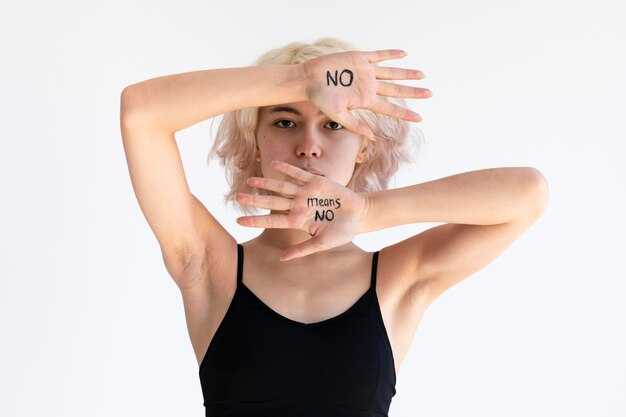
권장 사항: 비판적이거나 자의식을 자극하는 의견이나 이미지를 접했을 때 우선 세 번 숨을 고르고, 의견 유형(비교, 모욕, 원치 않는 조언)을 분류한 다음, 웰빙을 보호하기 위해 구체적인 대응 스크립트나 마음챙김 연습을 선택하십시오.
미디어 예시 – 극단적인 마름 또는 보정된 피부 질감과 같은 단일 “이상적인” 품질을 홍보하는 광고는 건강하지 않은 행동의 위험을 실제로 증가시킵니다. 예: 모델의 허리 사이즈를 비교하는 헤드라인이 포함된 잡지 표지. 대응: 반복적으로 비교를 포함하는 계정을 언팔로우하고, 광고 차단기를 설치하고, 고위험 노출 시에는 5분간의 자비 명상 또는 접지 운동으로 스크롤을 대체하십시오.
Peer remarks – direct lines such as “you should wear X to hide that” or “someone told me you look worse after weight change” describe personal attacks that affect emotions and feelings immediately. Concrete ways to respond: a calm script (“I don’t need advice on what to wear”), a boundary (“please don’t comment on my shape”), or a factual reframing (“my choices are mine; your view doesnt reflect my health data”).
Self-talk examples – internal phrases like “I’m so ugly” or “I would be better if I looked like X” include blanket comparisons that make you more self-conscious. Practice: write three evidence-based counters each morning (health metrics, activity levels, mood trends) and keep them visible; at night, journal one small achievement to find reality-based balance between feelings and facts.
| Source | Concrete example | Why harmful | Right response / exercise |
|---|---|---|---|
| Advertising | Before-after ads promising “instant transformation” with edited images | Promotes unrealistic comparisons and lowers perceived quality of self | Limit exposure, read label claims, do 2-minute mindful breathing before using social apps |
| 소셜 미디어 게시물 | Caption: “Only fit people can wear this” with model photos | Excludes many bodies and fuels self-conscious thinking | Unfollow, report exclusionary content, practice loving-kindness phrases aloud |
| Peer remark | “You’d look better if you lost weight” said at gatherings | Shifts focus from health to appearance; increases negative emotions | Use a short boundary: “Please don’t comment on my size”; if repeated, limit contact |
| Friend joke | “Haha, at least your stomach is funny” during photos | Normalizes teasing that hurts; normalizing makes impact worse over times | Call it out once, explain how it affects feelings, offer alternative humor |
| Self-talk | “I’m a failure because I can’t fit into those jeans” | Creates all-or-nothing thinking and increases risk for disordered eating | Counter with three facts, do 5-minute grounding exercise, schedule a movement you enjoy |
Practical checklist: 1) find three trusted sources that describe realistic diversity; 2) practice one mindful breathing exercise each morning; 3) prepare two short boundary phrases to use right away when someone comments; 4) track times when media affects mood and adjust choices to reduce exposure.
Data-driven note: research shows repeated exposure to narrow ideals raises negative feelings and self-conscious behavior; treating remarks as external issues affecting mood rather than internal failings helps preserve long-term well-being.
Self-assessment: a quick 5-item checklist to spot your own body-shaming habits

Pause 10 seconds before commenting on someone’s looks; actually count occurrences over one week to measure frequency, then turn the impulse into a neutral observation or a question about their experiences.
1. Language audit – List phrases you use that are critical or self-conscious about them, includes examples such as food-shame remarks, grooming critiques, gendered comments; mark which lines cause the most distress.
2. Internal trigger mapping – Note thoughts that turn into external comments, track situations having personal insecurities or past experiences that amplify bias, record if medical history or a mental-health disorder plays a role, trust professional referral when needed.
3. Social feed scan – Track advertising across platforms that narrows acceptable looks; remove or mute sources which increase self-conscious feelings, replace exposure with diverse examples.
4. Replacement plan – Set concrete replacements for critical remarks: neutral descriptions, praise for skills or grooming choices, invitations to discuss feelings rather than judge appearance; avoid food-shame lines, avoid rating them by looks, record attempts.
5. Measurement and follow-up – Set three measurable goals, log incidents per month to measure improvement, turn to trusted peers for honest feedback, seek medical or mental-health support if distress persists.
From body image to substance use: how poor body image can contribute to drinking or drug use
Recommendation: routinely screen for appearance-related distress during substance-use assessment using AUDIT-C for alcohol, CRAFFT for adolescents, and a single-item question: “Do you use alcohol or drugs to change your weight, size, or to numb feelings?” Document frequency, motives, and context; offer a brief motivational intervention same day or a warm handoff to specialty care.
Mechanisms are measurable: exposure to cultural ideals and perfection norms produces shame and self-criticism, leading people to constantly compare their appearance to media images. That social pressure makes some feel unkind toward their own image, become emotionally dysregulated, and turn to substances to feel slimmer, to control weight, or to blunt negative affect. The impact includes higher rates of depression, anxiety, disordered eating, and substance misuse; left untreated, many patients become sicker with comorbid conditions.
Data summary: population surveys report that adolescents and young adults who express dissatisfaction with their size were approximately 1.4–1.8 times more likely to report hazardous drinking or illicit drug use; clinical cohorts found 30–45% cited weight control or mood regulation among the primary reasons they used substances. Treatment samples in which appearance concerns were not addressed were more likely to relapse at 6–12 month follow-up compared with samples where those aspects were targeted.
Concrete interventions clinicians can implement: 1) Include brief appearance-focused screening questions regularly at triage; 2) Use motivational interviewing linking substance patterns to appearance goals and to overall well-being; 3) Offer CBT modules that reframe unhelpful beliefs, reduce self-criticizing thoughts, and target perfection-driven checking and comparison; 4) Coordinate care with dietitians, psychiatrists, and other professionals for medical stabilization; 5) Engage patient advocates and family supports for safety planning. While speaking with patients, avoid criticizing weight or size, dont use unkind language, and prioritize their stated needs.
Service design recommendations: schools, primary care, and community programs should teach media-literacy about societal norms, measure the role of peer pressure, and design interventions that reduce focusing on appearance alone by strengthening functional goals. Train staff to find local referral options, collect baseline and follow-up assessment metrics (substance frequency, mood scores, appearance-related distress), and evaluate impact on recovery and overall well-being; patients commonly report relief when their motives were validated rather than punished.
Action steps to stop shaming: cognitive reframing, setting boundaries, and reducing exposure to triggering inputs
Reframe one automatic critical thought within 60 seconds: note the exact words you are just thinking, label the emotion you are feeling, then replace the criticism with a specific, kinder alternative you can repeat aloud.
-
Cognitive reframing – a 4‑step script:
- Write the automatic thought, for example “They’re losing control” or “They’ve become lazy.”
- List objective facts below the thought; include latest information from credible sources such as doctors, peer‑reviewed studies, guidelines.
- Generate a lesser judgmental statement, e.g. “I perceive stress, not moral failure.”
- Practice that statement twice daily for two weeks to shift habitual thinking patterns linked to fat-shaming or food-shame.
-
Concrete verbal scripts to stop criticizing:
- When tempted to say a weight‑based comment, use: “I don’t have necessary information about their health; I’ll refrain.”
- When someone asks for unsolicited views on how people dress or look, respond: “I respect their choices; I won’t offer opinions on bodies.”
- When hearing peer remarks that trigger food-shame, say: “That comment causes harm; please don’t repeat it here.”
-
대화를 위한 경계 설정 전략:
- 명확한 규칙을 정합니다: 가족 식사 중에는 체중에 대한 언급 금지; 규칙을 한 번 알리고, 위반 시에는 잠시 휴식 시간을 갖습니다.
- 화제 전환.
- 직장 내 회의에서 동료의 결점으로 보이는 부분에 대한 언급으로부터 동료를 보호하는 서면 규범을 제시하고, 그 근거를 요약한 1페이지 분량의 문서를 배포합니다.
-
유발 요인 노출 줄이기:
- 부정적인 생각을 키우는 게시물을 올리는 계정은 언팔로우하고, 기능적 움직임, 옷 맵시, 또는 정신 건강 팁에 집중하는 피드로 대체하세요.
- 수동 스크롤을 세션당 10분으로 제한하고, 반복적인 비교 행동을 방지하기 위해 타이머를 사용하십시오.
- 몸매 비하, 음식 비하, 다이어트 문화와 관련된 키워드를 음소거하고, 의지력에 의존하기보다는 플랫폼 도구를 사용하여 피드를 선별하세요.
-
전문가의 도움이 필요할 때:
- 섭식 장애 징후를 보이는 사람들을 의사, 치료사, 등록 영양사와 같은 자격증을 갖춘 전문가에게 연결해 주세요.
- 심각한 고통을 느낄 경우, 위기 개입을 담당하는 지역 서비스에 연락하고, 참고 자료 목록을 잘 보이는 곳에 두십시오.
- 의학적 의견을 제시하기 전에 훈련된 임상의와 상담하도록 장려하십시오. 그렇게 하는 것이 선의에서 비롯되었지만 부정확한 견해로 인한 피해를 줄입니다.
-
변화 감지 방안:
- 간단한 로그에 부정적인 생각의 빈도를 기록하고, 각 항목을 유발 요인, 사용된 대체 문구, 결과 감정으로 표시합니다.
- 6주 후 비판적 에피소드 횟수를 비교하고, 주당 감소율을 기록하고, 영향이 적은 전략을 조정합니다.
- 작은 승리를 축하하세요. 댓글 하나 줄이기, 더 친절한 내부 스크립트 작성, 공개적인 망신을 피하게 해준 한 사람 등, 이러한 작은 조각들이 중요합니다.
모든 사회적 환경에서 이러한 방식을 채택하여 해를 줄이고, 다르게 인식되는 사람들을 보호하며, 신체적 또는 정신적으로 건강에 영향을 받을 수 있는 사람들을 지원하고, 다양한 신체에 대한 정상적인 인식을 증진하며, 자신의 행동에 책임을 지고, 잔인하기보다는 친절하게 말하며, 최신 정보를 배우고, 필요할 때 전문가와 상담하십시오.
지원 전략: 친구 및 가족과 대화하기, 전문가의 도움을 구하기, 더 건강한 일상 만들기
이번 주에 믿을 수 있는 친구와 30분 동안 일대일 대화를 예약하고, 특정한 말로 시작하세요: “해결책을 제시하지 않고 5분 동안 들어주길 바라. 내 기분을 설명하고 싶어.” 친구에게 해줄 수 있는 구체적인 행동 (문장 하나를 되돌려 말하기, 매주 확인하기) 하나를 요청하고, 무시하는 듯한 태도를 보이면 경계를 설정하세요. 듣는 사람을 위해 짧은 예시를 사용하세요: 문장 하나를 따라 말하기, 감정 인정하기, 외모를 비교하지 않기, 요청하지 않는 한 조언을 하지 않기. 상처를 주는 말이 언급되면, 그 말을 지적하고 존중을 요청하세요.
기능적 문제가 6주 이상 지속되는 경우(수면 감소, 직장 내 영향, 폭식 등), 자격증을 갖춘 임상 전문가와 상담하십시오. 주당 50분 CBT 또는 ACT 세션을 위한 정신 건강 치료사, 개별화된 계획을 위한 등록 영양사, 검사실 검사 및 동반 질환 검사를 위한 의료 임상의입니다. 대사 징후가 있는 과체중의 경우 공복 혈당, 지질 검사 및 TSH를 받으십시오. 이러한 검사는 치료가 필요한 부분을 보여주는 기본적인 의료 검사입니다. 임상의가 어떤 자격증을 보유하고 있는지(LCSW, PhD, RD, MD) 확인하고, 장기적인 조언을 따르기 전에 주 위원회 또는 저명한 저자의 증거 기반 출판물을 통해 확인하십시오. 직장에서의 발언이 경력에 영향을 미친 경우, 사건을 기록하고 인사부에 편의 제공을 요청하십시오. 일반적으로 기밀 유지 조치가 존재합니다.
측정 가능한 일상 목표 설정: 매주 중간 강도 운동 150분 또는 고강도 운동 75분, 근력 운동 2회; 매주 4일, 채소 5회 섭취; 매일 밤 7-9시간 수면; 매주 집에서 요리한 저녁 식사 3회 계획. 스트레스 조절을 심화하려면, 매일 느린 호흡 5분과 매주 점진적 근육 이완 훈련 2회를 추가하십시오. 수치심은 종종 광고와 제한적인 남성성 규범으로 인해 발생하며, 이는 활동 선택을 제한하고 회피를 증가시킨다는 점을 인지하십시오. 포용성 정책을 가진 커뮤니티 프로그램과 중립적인 언어를 사용하는 트레이너를 선택하여 이에 대응하십시오. 10분 추가 걷기 또는 세트당 근력 운동 1세트와 같이 작고 꾸준한 노력을 통해 극단적인 제한 없이도 체력 지표와 기분을 긍정적으로 변화시킬 수 있습니다.
지원을 제공하거나 요청할 때, 직접적인 질문을 사용하세요: “지난주에 무엇이 도움이 되었나요?” 그리고 “이번 달에 어떤 구체적인 단계를 시도해 볼 수 있나요?” 약속 사항을 기록하고, 주간 결과를 측정하며, 수치심을 악화시키는 요소(소셜 피드, 유해한 광고)를 제거하세요. 안전한 자료를 읽으려면, 투명한 방법론과 적절한 출처를 인용한 임상 전문가가 저술한 자료를 선호하세요. 그들의 프로토콜을 적용하기 전에 저자와 출판물의 자격을 확인하세요.
 11가지 당신이 과도한 성취자일지도 모른다는 신호 – 당신은 어떠신가요?">
 ADHD 증상, 어린 소녀의 경우 – 포괄적인 목록 및 조기 징후">
 공주님 대우 대 Bare Minimum 논쟁 – 틱톡이 아직 사용자의 기대에 대해 이해하지 못하는 것들">
 거절과 버려짐에 대한 두려움을 극복하는 방법 – 팟캐스트 에피소드 293">
 관계에서 감정적 짐의 징후 5가지 – 치유 방법">
 두려움 회피형 유발 요인 – 왜 나는 친밀함과 거리 모두에 의해 유발감을 느끼는 걸까?">
 공감이란 무엇일까요? 정의, 예시, 그리고 그 영향">
 사람들이 당신을 함부로 대하도록 내버려 두는 7가지 이유 (그리고 경계를 설정하는 방법)">
 불안을 가진 사람과 데이트하기 – 무엇을 기대하고 어떻게 지지할까">
 관계에 안주하고 있다는 10가지 신호 – 진정한 사랑을 찾는 방법">


