

 Korean
  English
  Russian
  French
  German
  Italian
  Spanish
  Polish
  Ukrainian
  Turkish
  Portuguese
  Greek
Greek  Arabic
  Chinese
  Japanese
  Czech
Czech  ADHD 증상, 어린 소녀의 경우 – 포괄적인 목록 및 조기 징후">

Use targeted measures: short validated checklists detect predominantly inattentive presentations that frequently display internalized behaviours rather than hyperactivity; prevalence estimates from population research report referral rates higher for hyperactive profiles, with under-referral and undertreatment common in those assigned female at birth. Establish baseline scores, schedule follow-up every 3–6 months to track progress, record sleep patterns, note frequency of school breaks used, document how instructions are followed; this yields objective contents for clinical review.
When looking for functional impact, prioritise observable markers: difficulty sustaining tasks, frequent forgetfulness, trouble following multi-step instructions, slow task completion despite adequate comprehension, avoidance of sustained effort during verbally presented work, frequent daydreaming, motor restlessness that is subtle rather than overtly active. Teachers should display concise examples on class rubrics; parents should log episodes at home for one week, noting sleep duration and quality, timed breaks, appetite changes, response to redirection, plus any sensory triggers.
Management steps: implement predictable routines, structured breaks every 20–30 minutes, explicit stepwise instructions, visual organisers to relieve working-memory load, targeted sleep hygiene to improve consolidation, access to school-based accommodations where available. According to recent research, early identification across the lifespan improves academic outcomes; offer referrals to specialists when standardised scores reach clinical thresholds or when functional impairment is clear. Ensure gender-sensitive assessment protocols, include caregiver reports verbally and in writing, monitor for higher co-occurrence of anxiety or mood features, provide resources to improve access to services.
Practical tips for practitioners: create a prioritised action list for intervention; measure baseline performance, apply short interventions for 6–8 weeks, review progress with objective metrics, adjust strategies based on response. Emphasise clear instructions, visual aids, scheduled active breaks, opportunities for supervised movement, plus brief skills coaching to relieve task avoidance. Maintain documentation to support referrals, research contributions, insurance requests, and long-term planning across the developmental lifespan.
Practical indicators to spot early, across settings
Refer for a structured assessment when attention lapses, impulsive motion and abrupt changes in emotions occur in two or more settings for longer than six months and interfere with school performance or family routines.
- Home – measurable indicators:
- Loses personal items daily, or gets distracted within the first 5–10 minutes of homework in multiple instances per week.
- Homework incomplete 3+ times per week over a month while chores are held back by the same pattern.
- Appearance frequently disorganized (clothes, backpack) on the last school day of each week.
- Sudden shifts in emotions after small triggers; track frequency and intensity for a 2‑week window.
- Device use: screen time spikes before tasks; logging minutes per day helps identify patterns.
- School – teacher-observed markers:
- Predominantly inattentive presentation: misses instructions or skips steps on worksheets in ≥30% of observed lessons.
- Hyperactive/impulsive presentation: stands or leaves seat multiple times per lesson, interrupts or starts talking over peers in several instances daily.
- Rates of incomplete classwork higher than classmates for the last month; document number of missed items per assignment.
- Request teacher logs for 2–4 weeks to create objective counts rather than anecdote.
- Social settings and peer groups:
- Shyness that alternates with clinginess or sudden outbursts during group play; note whether withdrawal is persistent or situation-specific.
- Has trouble waiting turns in games: record number of rule violations per session as data for referral.
- Appearance of restlessness during structured activities led by members of the group; compare to peers of same age.
- Clinical and developmental flags:
- Onset before teen years and persistence across settings increases likelihood that assessment will yield a formal diagnosis.
- Screen concurrently for reading or processing difficulties such as dyslexia; comorbid types of learning difference change management priorities.
- Motion tremors or motor planning delays should prompt occupational therapy referral.
Practical monitoring steps you should implement:
- Keep a 2‑week window diary: log time, setting, trigger, behaviour, who was present, device exposure, and outcome.
- Use standardized parent and teacher rating scales; compare scores to classroom averages and local normative rates.
- Share concrete data with primary care or a neurodevelopmental specialist ahead of the appointment to speed evaluation and avoid guesswork.
- If three or more functional domains are impaired (home, school, social), request a multidisciplinary assessment for diagnosis and management planning.
Immediate management recommendations while awaiting assessment:
- Structure tasks into 10–15 minute chunks; use visual timers held in plain sight and reduce concurrent device stimuli.
- Increase adult support during transitions (arrival, homework start); give one-step verbal prompts rather than long instructions.
- Raise awareness among family members and teachers about concrete triggers and calming strategies so them can respond consistently.
- Medication may be considered only after specialist review; behavioural interventions and environmental adjustments should be tried first unless urgent impairment is present.
- Encourage the child to describe herself and her emotions in simple terms to build self-awareness and help clinicians interpret reported behaviours.
For instance, a child who gets out of her seat multiple times per lesson, talks over peers several times a day, shows sudden mood change when a device is removed, and has declining homework rates over the last three months should be referred promptly; document these occurrences to support timely management.
Attention challenges at home, school, and during routines
Start with one concrete change: implement three predictable transition points each day, using a 5–10 minute visual timer, a 2–3 step card per transition, immediate feedback after completion; this structure is highly recommended to reduce task avoidance.
For school settings teachers must shorten assignments, break contents into smaller, numbered parts, seat the student where fewer distractions occur, schedule 5-minute check-ins every 15 minutes to reduce being distracted; provide a written prompt when starting each task.
At home create a single-location setup for needed items to cut decision time, use a laminated checklist for morning routines, permit one short physical break between activities, keep chores to three essential steps so working memory has less load.
Track emotions via simple daily logs: record time, trigger, observable behaviour, duration; share that log with a doctor, school staff, psychiatry consultant or another professional so patterns become visible over a 6–12 month year period.
Use smaller, sensory-rich breaks when physical restlessness appears; scheduled movement every 20–30 minutes reduces escalation that makes tasks feel harder; introduce a tangible calming object only when focus is required.
When progress stalls request targeted advice from an expert in child behaviour; know which strategies are part of classroom plans, which fall to caregivers at home; having clear roles reduces conflict, keeps life predictable.
| Setting | Observable issues | 즉각적인 조치 | Who to consult |
|---|---|---|---|
| Home | Slow starts, frequent interruptions, lost items | Single tray for essentials, 3-step checklist, visual timer | Primary caregiver, family doctor, behavioural coach |
| School | Short attention span, task avoidance, easily distracted | Break contents into smaller parts, frequent brief check-ins, preferential seating | Teachers, school counsellor, psychiatry professional if needed |
| Routines | Transition resistance, sensory overwhelm, task abandonment | Predictable sequence cards, physical cue before transition, 2-minute prep warnings | OT for sensory input, behaviour expert, family doctor |
Emotional regulation and mood shifts in daily life
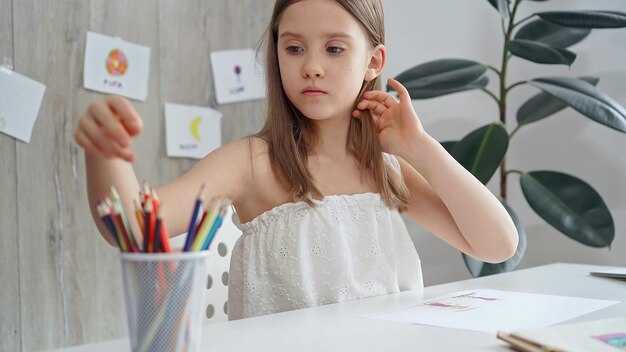
Implement a three-step calming routine immediately: name the feeling, perform 60 seconds of paced breathing, choose one small action to change the moment.
- Set a visible timer on a device five minutes before a class transition; this cue helps finish last-minute homework, reduces careless rushing.
- Teach emotion labels so the child can recognise triggers; moods will differ in intensity, some episodes need a short break, others require teacher intervention.
- Create a short written plan for social situations: list personal interests, safe distraction options, contact members who can step in when difficulties occur.
- Break tasks into timed segments that last under 15 minutes; higher finish rates make ones more likely to feel able to tackle the next part of work.
- Avoid labels such as “stupid” when correcting errors; use descriptive feedback, model repair steps, praise specific effort to prevent shame cycles.
- Provide concrete management tools at home and in class: visual schedules, sensory breaks, a quiet corner, device-free wind-down periods.
- Train teachers and carers to use calm scripts; peers may misinterpret effort as careless, structured feedback reduces misreading of behaviour.
- Role-play the last five minutes before any transition; predictable routines lower overwhelm, increase likelihood of smooth movement between activities.
- Track frequency, length, triggers and symptoms of prolonged low mood; record recent device use, sleep patterns, homework load, share data with professionals for guidance across the lifespan.
- Create a single expectation sheet when tasks differ between school members; teachers sign it, carers sign it, the child signs it to reduce confusion at handoffs.
- Match reinforcements to interests; use some intrinsic rewards, some tangible incentives, which stabilises motivation across settings.
- Expect setbacks; practise short reparative scripts so ones re-engage quickly after a mistake, preserving confidence to finish tasks without fear of judgement.
Social dynamics: friendship concerns and peer interactions
Select one or two classmates for structured social practice sessions, scheduled twice weekly for 20–30 minutes; use role-play, turn-taking drills, simple conflict scripts, measurable goals tracked over 6-12 years where appropriate.
Identify observable behaviors that signal difficulty: apparent exclusion by peers, frequent misreads of social cues, sudden withdrawal during group tasks. If suspected problems persist for more than 3 months, involve a school counselor or pediatrician; maintain a log of incidents, times, participants, context to aid referral decisions.
Note types of peer interaction differences: impulsive interruptions, excessive reassurance seeking, silent retreat after perceived criticism. Many female students display subtler signs compared with males; a single female may hyperfocus on one friend while appearing distracted during class activities, which makes broader social integration harder.
Management options include social skills training, teacher-mediated seating plans, short coaching sessions before unstructured time; medication decisions belong to medical specialists following behavioral data plus parent report. Hormonal shifts, especially rising estrogen during puberty, can alter emotion regulation, leading to increased sensitivity among some females; monitor weekly mood charts for 8–12 weeks when changes are suspected.
Practical steps for adults: watch structured play, give immediate specific praise to the child who makes an effort, assign rotating responsibilities to promote reciprocity, teach simple scripts for conflict resolution, teach how to ask peers for turns. Credit small gains; missing early intervention causes peer rejection to accumulate, which can make school functioning suffer more over time.
Create an individualized plan: select measurable targets, identify two adults responsible for implementation, schedule monthly review meetings, document progress in plain language for parents plus teachers. Use data to guide decisions about further supports, group therapy referrals, medication trials or classroom accommodations.
Organization, planning, and time management patterns
Use a 3-part planning strategy: a 10-minute morning plan that sets clear expectations, 25–45 minute focused blocks with a single priority, and a 10-minute evening review to log achievements and problems.
Set levels of demand for tasks (low, medium, high) and label activities by interest so they match character and present motivation; match difficult tasks to higher-support blocks and reserve low-demand slots for routine skills practice.
Implement concrete tools: visual timers, a color-coded checklist, a single weekly paper calendar, and a 2-item “next-step” list pinned where people can look at them; these reduce mental load and lower risks of starting multiple tasks simultaneously.
Address behavioral patterns by scheduling movement breaks every 30–45 minutes, offering protein-rich snacks that stabilize eating and hormone fluctuations, and tracking sleep to support functioning during daytime demands.
Use brief coaching phrases that improve task initiation: name the step, set a 5-minute start window, and offer one immediate reward; say directions verbally and show the written cue for sensitive responders.
Teach time-estimation skills by comparing predicted versus actual durations for five routine tasks; record levels of accuracy and adjust future planning until estimates are within ±20%.
When social expectations cause friction, compare how non-adhd peers structure tasks and adapt positive parts of their routines without copying everything; focus on habits that suit individual interests rather than forcing conformity.
Track patterns on video or short notes and review weekly; if daily problems are higher than two per day, introduce micro-strategies (2–5 minute resets) to limit escalation and reduce longer-term risks.
To improve motivation and modeling, watch brief how-to clips on youtube that demonstrate timed routines, role-play tasks verbally with a caregiver, and practice until the new routine feels habitual rather than transactional.
Monitor sensitivity to stimuli and consider medical factors: persistent concentration drops with appetite change or mood swings warrant evaluation of hormone status and overall functioning by a clinician rather than guessing causes.
Keep interventions measurable: record baseline task completion rates, set a target to improve by 20–30% over four weeks, and adjust supports based on data instead of anecdote.
Clear red flags that warrant professional evaluation
Refer for specialist assessment when three or more red flags are identified across home, school, clinical settings.
Academic decline: Rapid drop in grades within one semester; discrepancy between verbal ability and numerical performance often signals a math-specific learning difficulty; frequent failing on timed tests despite seeming intelligent in conversation; standardised testing shows marked scatter; this pattern makes teachers question resource allocation.
Attention profile: Persistent inattention visible as zoning or dreamy episodes during lessons; classroom presentation is often perceived as passive rather than disruptive; episodes can go unnoticed until academic consequences happen.
Emotional reactivity: Sudden mood change after minor setbacks; child showed intense frustration that peers described with surprise; self-report may state feeling verywell while objective performance declines.
Late recognition: Difficulties that tend to emerge during adolescent years were often present earlier but remained unnoticed; adults commonly misattribute problems to laziness or maturity; keep in mind parents may have experienced similar patterns when young.
Assessment essentials: Full neuropsychological battery covering attention, executive function, processing speed; academic achievement measures probing reading, spelling, numerical reasoning to detect dyscalculia; sensory screening; structured teacher reports; collateral history from adults familiar with the child across settings; clinicians experienced with developmental presentations should interpret testing results.
즉각적인 조치: Arrange referral to a neurodevelopment clinic within four to eight weeks; collect schoolwork about the past year; request teacher frequency counts of inattention episodes; document when difficulties first showed; supply prior testing so clinicians can understand trajectory and determine intervention priorities.
 고통의 감정적 영향 – 고통이 감정에 미치는 영향">
 내향적인 사람들이 그들에 대해 알고 싶어하는 25가지
내향적인 사람들이 자신에 대해 사람들이 이해해 주기를 바라는 것은 수없이 많습니다. 그들에 대한 오해는 너무나 보편적입니다.
물론, 내향적인 사람들은 사람들 사이에서 더 많은 에너지를 얻고 혼자 시간을 보낼 때 에너지를 얻으면서 서로에게 접근할 수 있기 때문에 외향적인 사람들만큼 열정적이지 않을 수 있습니다. 그러나 이것이 그들이 갇혔거나 부끄러워하거나 사회를 싫어한다는 것을 의미하지는 않습니다.
실제로 많은 내향적인 사람들은 약간의 외향성이 있을 수 있습니다. 그들은 그들이 함께하는 그룹에 따라 활기차고 사교적이고 기꺼이 사람들과 소통할 수 있습니다. 그러나 그들은 다른 사람을 만날 수 있어서 그렇게 할 자신이 없다는 것을 의미하지는 않습니다.
내향적인 사람들을 이해하는 데 도움이 되는 25가지가 있습니다.
1. 시간이 혼자 보내는 것을 의미하지 않습니다.
내향적인 사람들에게 혼자 있는 것은 재충전하고 재구성하는 과정입니다. 그들은 자신과 함께 조용히 있는 것이 매우 편안하고 즐겁다고 느낍니다.
2. 외향적인 사람들과 곁에 있기에도 즐거워합니다.
내향적인 사람들은 사람들을 사랑하고 어울리기를 좋아합니다. 그들은 그 누구라도 피하는 것이 아니라, 사회적 상호 작용은 소비적일 수 있기 때문에 그들을 선택합니다.
3. '혼자'는 '외로움'과 다릅니다.
내향적인 사람들은 사회적 상호 작용을 즐길 수 있지만, 그렇지 않을 때 혼자 있는 것을 그만두는 것이 아니라 재충전을 할 수 있습니다.
4. 혼자서 편안하게 있어 보낼 준비가 되지 않았다고 생각하지 마세요.
내향적인 사람들은 모든 사람의 요구를 충족하기 위해 항상 활기찬 것이 아니기 때문에 시간을 쏟아주지 못할 수 있습니다.
5. '활동적'과 '내향적'은 상반되지 않습니다.
내기적적인 사람들은 집을 나주어 활동적인 시간을 가질 수 있습니다.
6. 모든 내향적인 사람은 '내성적'이 아닙니다.
내향적인 사람들은 타인과의 관계에 기꺼이 참여하지만, 많은 사람들과 대화하게 될 때에는 기꺼이 하고 싶어 하지 않을 수도 있습니다.
7. 그들은 단순히 소규모 그룹에서 편안함을 느껴요.
그들에게는 많은 사람들보다는 더 작은 그룹이 더 큰 에너지원입니다.
8. 그들은 많은 사람보다 '깊은' 관계를 추구합니다.
내향적인 사람들은 파티에서 많은 사람을 아는 것보다 수 개 또는 몇 개의 가까운 친구를 갖는 것을 선호하는 경향이 있습니다.
9. 자신들의 감정을 소화할 시간이 필요합니다.
내향적인 사람들은 사회적 상호 작용을 할 때의 많은 것들을 처리하면서 감정을 처리하는 데 시간이 필요합니다.
10. 그들은 외향적인 상황에 전적으로 '노력'하지 않을 수 있습니다.
그들은 사회생활을 하고 싶어하지만 사회적 상황에 모든 에너지를 쏟지는 않을 수 있습니다.
11. 외부의 사회적 상황보다 자기 성찰에 더 많은 에너지를 쏟을 수 있습니다.
그들은 생각을 정리하고 재충전할 때를 보낼 수 있습니다.
12. 그들은 작은 것들에 주의할 것입니다.
내향적인 사람들은 환경에 집중할 가능성이 높습니다.
13. 그들은 종종 우수적인 청취자입니다.
그들은 청취하는 것을 좋아해서 다른 사람에게 시간을 줄 수 있습니다.
14. 그들은 생각보다 그들의 마음을 결정할 수 있습니다.
내향적인 사람들은 의견이나 결정을 내리기 전에 생각을 해야 할 수 있습니다.
15. 그들은 자신의 생각을 공유하는 데 시간이 걸릴 수 있습니다.
내향적인 사람들은 새로운 아이디어가 있기 전에 생각하고 정리해야 합니다.
16. 그들은 더 많은 시간을 혼자 필요로 할 것입니다.
내향적인 사람들은 사회행사에서 재충전하는 데 걸리는 시간이 충분하지 않을 가능성이 큽니다.
17. 그들은 새로운 사람을 만나는 데 어려움을 겪을 수 있습니다.
그들은 사람에게 접근하고 더 쉽게 자신을 공개하는 데 노력할 것입니다.
18. 그들은 편안하게 지내는 편입니다.
내향적인 사람들은 익숙해진 것에 남아 있는 것과 편안함의 다른 사람들과 함께 머무르는 것을 선호할 것입니다.
19. 그들은 사람들에게 비판을 듣는 데 시간이 필요합니다.
내향적인 사람들은 생각하고 처리하기 때문에 피드백을 듣는 데 시간이 걸릴 수 있습니다.
20. 그들은 사교적인 곳에 가지 않을 수 있습니다.
그것들은 너무 많은 소음과 자극 때문에 사교적인 장소가 너무 어려울 수 있습니다.
21. 그들은 편안함을 느끼는 데 시간이 걸릴 수 있습니다.
내향적인 사람들은 여전히 주변을 관찰하는 데 시간이 걸리므로 새로운 그룹에 편안함을 느끼기까지 시간이 걸릴 수 있습니다.
22. 그들은 혼자 일하기 좋아합니다.
내향적인 사람들은 끊임없는 사회적 상호 작용 없이 산만함이 없는 환경에서 생산적입니다.
23. 그들은 다른 사람들에 대해 생각하는 것을 좋아하는 경향이 있습니다.
내향적인 사람들은 타인에 대해 더 많은 시간과 에너지에 집중하는 경향이 있습니다.
24. 그들은 자신에게 '충전'하기 위해 혼자 있을 수 있습니다.
내향적인 사람들은 일주일에 매일 몇 분 동안 잠시 쉬고 재충전할 수 있습니다.
25. 그들은 자신감이 부족하다고 생각하지 마세요.
내향적인 사람들은 자신감이 부족하다고 생각하는 경우가 많지만, 그들은 단지 주변에 편안한 존재일 뿐입니다.">
내향적인 사람들이 그들에 대해 알고 싶어하는 25가지
내향적인 사람들이 자신에 대해 사람들이 이해해 주기를 바라는 것은 수없이 많습니다. 그들에 대한 오해는 너무나 보편적입니다.
물론, 내향적인 사람들은 사람들 사이에서 더 많은 에너지를 얻고 혼자 시간을 보낼 때 에너지를 얻으면서 서로에게 접근할 수 있기 때문에 외향적인 사람들만큼 열정적이지 않을 수 있습니다. 그러나 이것이 그들이 갇혔거나 부끄러워하거나 사회를 싫어한다는 것을 의미하지는 않습니다.
실제로 많은 내향적인 사람들은 약간의 외향성이 있을 수 있습니다. 그들은 그들이 함께하는 그룹에 따라 활기차고 사교적이고 기꺼이 사람들과 소통할 수 있습니다. 그러나 그들은 다른 사람을 만날 수 있어서 그렇게 할 자신이 없다는 것을 의미하지는 않습니다.
내향적인 사람들을 이해하는 데 도움이 되는 25가지가 있습니다.
1. 시간이 혼자 보내는 것을 의미하지 않습니다.
내향적인 사람들에게 혼자 있는 것은 재충전하고 재구성하는 과정입니다. 그들은 자신과 함께 조용히 있는 것이 매우 편안하고 즐겁다고 느낍니다.
2. 외향적인 사람들과 곁에 있기에도 즐거워합니다.
내향적인 사람들은 사람들을 사랑하고 어울리기를 좋아합니다. 그들은 그 누구라도 피하는 것이 아니라, 사회적 상호 작용은 소비적일 수 있기 때문에 그들을 선택합니다.
3. '혼자'는 '외로움'과 다릅니다.
내향적인 사람들은 사회적 상호 작용을 즐길 수 있지만, 그렇지 않을 때 혼자 있는 것을 그만두는 것이 아니라 재충전을 할 수 있습니다.
4. 혼자서 편안하게 있어 보낼 준비가 되지 않았다고 생각하지 마세요.
내향적인 사람들은 모든 사람의 요구를 충족하기 위해 항상 활기찬 것이 아니기 때문에 시간을 쏟아주지 못할 수 있습니다.
5. '활동적'과 '내향적'은 상반되지 않습니다.
내기적적인 사람들은 집을 나주어 활동적인 시간을 가질 수 있습니다.
6. 모든 내향적인 사람은 '내성적'이 아닙니다.
내향적인 사람들은 타인과의 관계에 기꺼이 참여하지만, 많은 사람들과 대화하게 될 때에는 기꺼이 하고 싶어 하지 않을 수도 있습니다.
7. 그들은 단순히 소규모 그룹에서 편안함을 느껴요.
그들에게는 많은 사람들보다는 더 작은 그룹이 더 큰 에너지원입니다.
8. 그들은 많은 사람보다 '깊은' 관계를 추구합니다.
내향적인 사람들은 파티에서 많은 사람을 아는 것보다 수 개 또는 몇 개의 가까운 친구를 갖는 것을 선호하는 경향이 있습니다.
9. 자신들의 감정을 소화할 시간이 필요합니다.
내향적인 사람들은 사회적 상호 작용을 할 때의 많은 것들을 처리하면서 감정을 처리하는 데 시간이 필요합니다.
10. 그들은 외향적인 상황에 전적으로 '노력'하지 않을 수 있습니다.
그들은 사회생활을 하고 싶어하지만 사회적 상황에 모든 에너지를 쏟지는 않을 수 있습니다.
11. 외부의 사회적 상황보다 자기 성찰에 더 많은 에너지를 쏟을 수 있습니다.
그들은 생각을 정리하고 재충전할 때를 보낼 수 있습니다.
12. 그들은 작은 것들에 주의할 것입니다.
내향적인 사람들은 환경에 집중할 가능성이 높습니다.
13. 그들은 종종 우수적인 청취자입니다.
그들은 청취하는 것을 좋아해서 다른 사람에게 시간을 줄 수 있습니다.
14. 그들은 생각보다 그들의 마음을 결정할 수 있습니다.
내향적인 사람들은 의견이나 결정을 내리기 전에 생각을 해야 할 수 있습니다.
15. 그들은 자신의 생각을 공유하는 데 시간이 걸릴 수 있습니다.
내향적인 사람들은 새로운 아이디어가 있기 전에 생각하고 정리해야 합니다.
16. 그들은 더 많은 시간을 혼자 필요로 할 것입니다.
내향적인 사람들은 사회행사에서 재충전하는 데 걸리는 시간이 충분하지 않을 가능성이 큽니다.
17. 그들은 새로운 사람을 만나는 데 어려움을 겪을 수 있습니다.
그들은 사람에게 접근하고 더 쉽게 자신을 공개하는 데 노력할 것입니다.
18. 그들은 편안하게 지내는 편입니다.
내향적인 사람들은 익숙해진 것에 남아 있는 것과 편안함의 다른 사람들과 함께 머무르는 것을 선호할 것입니다.
19. 그들은 사람들에게 비판을 듣는 데 시간이 필요합니다.
내향적인 사람들은 생각하고 처리하기 때문에 피드백을 듣는 데 시간이 걸릴 수 있습니다.
20. 그들은 사교적인 곳에 가지 않을 수 있습니다.
그것들은 너무 많은 소음과 자극 때문에 사교적인 장소가 너무 어려울 수 있습니다.
21. 그들은 편안함을 느끼는 데 시간이 걸릴 수 있습니다.
내향적인 사람들은 여전히 주변을 관찰하는 데 시간이 걸리므로 새로운 그룹에 편안함을 느끼기까지 시간이 걸릴 수 있습니다.
22. 그들은 혼자 일하기 좋아합니다.
내향적인 사람들은 끊임없는 사회적 상호 작용 없이 산만함이 없는 환경에서 생산적입니다.
23. 그들은 다른 사람들에 대해 생각하는 것을 좋아하는 경향이 있습니다.
내향적인 사람들은 타인에 대해 더 많은 시간과 에너지에 집중하는 경향이 있습니다.
24. 그들은 자신에게 '충전'하기 위해 혼자 있을 수 있습니다.
내향적인 사람들은 일주일에 매일 몇 분 동안 잠시 쉬고 재충전할 수 있습니다.
25. 그들은 자신감이 부족하다고 생각하지 마세요.
내향적인 사람들은 자신감이 부족하다고 생각하는 경우가 많지만, 그들은 단지 주변에 편안한 존재일 뿐입니다.">
 10 새해 결심으로 스트레스 해소하기">
 함께 시간을 보내고 서로의 우정을 다지는 17가지 즐거운 커플 활동 | 관계 강화">
 운동 불안 극복을 위한 5가지 간단한 방법 – 자신감 있는 운동을 위한 빠른 팁">
 화상 회의 피로 퇴치 방법 – 회의를 위한 실용적인 팁">
 How to Deal with Dishonesty in Relationships Without Breaking Up">
 5 Essential Coping Skills for Stress and Anxiety – Quick Techniques to Find Calm">
 50 Questions to Get to Know Someone Better – Quick Conversation Starters">
 관계에서 조용한 퇴사 6가지 징후 - 어떻게 알아차리고 재연결할 수 있을까요?">


