

 Korean
  English
  Russian
  French
  German
  Italian
  Spanish
  Polish
  Ukrainian
  Turkish
  Portuguese
  Greek
Greek  Arabic
  Chinese
  Japanese
  Czech
Czech 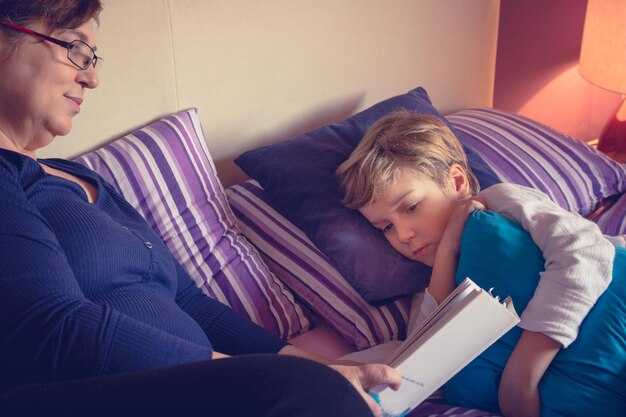 심리학자들에 따르면 자녀에게 너무 엄격하게 대하고 있다는 9가지 징후">

Keep routines predictable: set a daily basis for meals, sleep and transitions so a child can practice self-regulation. When a boundary is crossed, dont escalate with multiple punishments – apply a single, proportionate consequence and then offer explicit help to repair the behavior. Predictability trains regulation: repeated, arbitrary changes leave children stuck and less able to use their natural coping 감각.
If a child is overwhelmed or constantly reactive, check for sensory triggers before attributing willful defiance. Loud noises, bright lights or rough textures create a tactile overload that can make a young person scream or shut down; letting them use a quiet corner, weighted blanket or brief movement break reduces meltdown frequency. Note specific struggles (bedtime resistance, transitions, mealtime) and build 2–3 simple tools to use with each – a soft object, a 3‑minute breathing exercise, a short walk.
Balance consequences with teaching: a single corrective step plus practice beats relentless push for compliance. A parenting 책 exercise many caregivers find useful is a 3-step script – label emotion, offer a limit, show an alternative – repeated until the child learns the pattern. When a child feels being blamed they get stuck between shame and avoidance; keep language descriptive, set small goals, and stay aware of whether you are pushing skill development or simply enforcing order.
Over-punishment that backfires and erodes cooperation
Replace repeated punitive responses with a brief consequence plus an immediate repair: a time-limited pause matched to age (about one minute per year), a short restitution task, then 2–5 minutes of reconnecting interaction.
How harsh punishments undo cooperation

- When discipline escalates, the child misinterprets corrective intent as rejection; this elicits shutdown, aggression or avoidance rather than learning.
- Frequent, disproportionate punishments start a pattern where childs stress regulation weakens and compliance becomes conditional on fear, not understanding.
- Parents who punish often are likely to see greater resistance over time because the child learns to avoid getting caught instead of changing behavior.
- Common scenarios: morning tantrums and throwing toys – punishment alone reduces immediate behavior but dont teach the skills needed for next episode.
Practical protocol to swap punishment for repair
- First: label the feeling briefly (“I see you’re angry”) to help regulation before rules are enforced.
- Apply a short consequence proportional to the act (one minute per year of age) so they understand the link between action and outcome.
- Give a concrete restitution – pick up items, apologize, fix the broken part – make repair actionable and bounded in time.
- Use tactile grounding (a calm hand on shoulder, a weighted blanket in the room) while they settle; tactile cues speed down-regulation for many children.
- After calm, spend 2–5 minutes interacting positively to restore connection; this greater relational benefit reduces repeat incidents.
- Track patterns in a simple notebook or app: note time of day (morning vs evening), triggers, what worked; review weekly to adjust approach.
Practical tips: give choices to preserve autonomy, script short phrases you can use repeatedly so you dont escalate, and read one parenting book with practical scripts to practice language and timing. These steps make consequences instructive rather than punitive and increase the chance they understand expectations and cooperate.
Discounting your child’s emotions or perspective
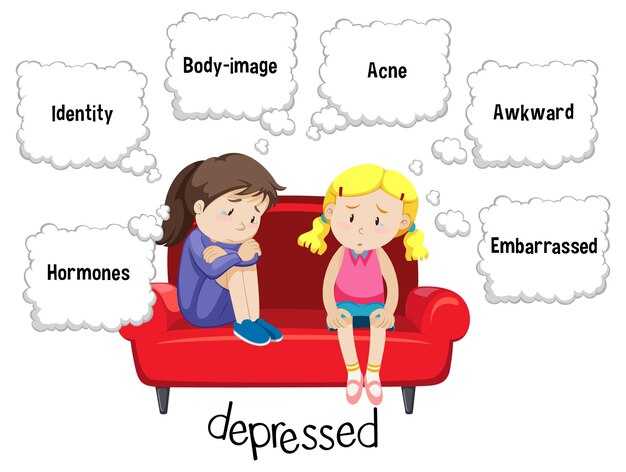
Validate a child’s emotion immediately: name the feeling, mirror the content, and offer a brief calming gesture before addressing behavior.
Concrete phrases to use
When interacting, try short reflective lines that acknowledge the experience: “I hear that you’re frustrated,” “That sounds upsetting,” or “You seem disappointed.” A script that uses “I” and labels emotion lets them feel known and reduces an automatic fight or controlling response. Use the following examples as templates – they work across ages and problems:
– “You look angry; tell me what happened and I’ll listen for two minutes.” (sets a time limit)
– “It makes sense you’re upset after that experience; once you finish, we can decide next steps.”
– “I know this is hard; instead of punishing, let’s pick one consequence together.”
How to set limits without discounting
Only after validation introduce consequences. A practical sequence: acknowledge (30–90 seconds), problem-solve (2–5 minutes), set decision. Given high emotions, this order benefits regulation and lowers escalation. If a child is experiencing very high-intensity reactions or repeated shutdowns, consider consulting a professional within a two-week window. Trying reflective listening first reduces need for stricter discipline and decreases overly punitive interactions.
Practical tips: try giving two small choices for decisions about consequences; a child who is heard accepts limits faster. If a child uses anger to control outcomes, know that consistent, calm limits plus empathy break the cycle. Also observe for warning signs of persistent mood changes. Friends, teachers, or clinicians can report patterns you might not see when only interacting at home.
Measure progress: track number of conflicts that end calmly per week – a high ratio of calm resolutions signals improvement. If they remain defensive after repeated validation, think about adjusting strategies and consider professional assessment. Instead of arguing or lecturing, simply validate, then offer options; this helps them learn problem-solving without feeling discounted.
Setting unrealistically high expectations for behavior, grades, or chores
Reduce high expectations to one measurable target per domain and build flexibility: choose an age-appropriate level, assign a clear time budget for practice, and plan for recovery when an emotional shift or illness reduces capacity.
Track progress for a set period (for example, four weeks) and only raise demands when a child meets targets consistently; recurring missed goals will upset family dynamics, so dont default to punishment – use corrective conversation instead.
Examples
Chores: require completion of a single task three times a week rather than perfect execution daily. Grades: agree on a realistic improvement percent and schedule short, focused study blocks. Behavior: replace a push for perfection with two specific rules and small rewards; offer helping sessions twice weekly when setbacks occur. Parents would notice faster gains when small wins accumulate.
Communication and red flags
Keep communication explicit and solicit the child’s input weekly; when interacting, watch body cues (sleep, appetite, tension) and stay aware if the child felt overwhelmed or keeps saying theyre tired. Dont employ shaming language like “lazy” or “not enough” – that undermines motivation.
Find a professional if recurring emotional or behavioral changes start or if home strategies dont help. youre likely to see improvement when parents lower the demand level, replace constant push with structured support, and let the child make small choices that build autonomy.
Inconsistent rules and consequences that create confusion
Set 3–5 non-negotiable rules with a one-page consequence matrix and review it every morning for 2 minutes with the child; this immediate ritual reduces ambiguity and testing.
실용적인 단계
1) Write the rule, clear examples of allowed and disallowed behavior, what the consequence will mean, and one concrete recovery action the child can take to earn things back.
2) Label consequences by high and low stakes: low for routine choices, high for safety or trust decisions; apply low consequences quickly so the child can learn without escalation.
3) Announce changes at least 48 hours before they take effect and give the child one choice within the new framework so the change feels collaborative rather than punitive.
4) Use a neutral reset word (e.g., ochal) to pause heated moments; wait 30 seconds, then resume calm communication between caregiver and child focused strictly on the rule.
5) Keep a simple daily log for two weeks, then review patterns to identify if the child misinterprets rules because of mixed messages from other adults; mark repeat incidents and who enforced the consequence.
6) Debrief nightly: ask the child to restate the rule in their own words to confirm understanding; repeat until they can explain the consequence without prompts.
7) If inconsistency has been high and behaviors become entrenched, consult a professional for a written behavior plan that helps align enforcement across the household.
Examples and alignment
Sample rules: “Devices off at 8:30pm – consequence: 30 minutes earlier bedtime; recovery: 10 extra minutes reading the following evening.” Another: “Hands off during homework – consequence: work moved to quiet room for 15 minutes; recovery: choose a small reward later.” Use these examples as templates and adapt to age and context.
Most parents believe flexibility is kinder, but small, transparent changes make room for autonomy while preventing chaos. If youre unsure where to start, make yourself a 30‑minute weekly alignment meeting with co-caregivers to agree who enforces rules, how rewards are given, and how decisions about routines (morning, after-school, bedtime) are made; this reduces conflict and is helping the child make consistent choices from morning through bedtime.
Constant comparisons that undermine self-worth and motivation
Replace constant comparisons with concrete, individualized goals: set three measurable weekly targets (practice minutes, problem sets completed, reflection entries) and track improvement on a visible chart so progress is judged against past performance, not peers.
When tempted to mention a friend or classmate, ask one question: will this comparison produce an actionable step that can help skill development? If not, avoid it – comparisons often have unintended effects, lowering persistence and leaving the child feeling upset rather than motivated.
Create a healthy connection between effort and outcome by teaching a simple self-evaluation rubric before sharing results publicly. Example rubric: effort (1–5), strategy (1–5), reflection note (one sentence). Use the rubric consistently so children can see changes within themselves without external ranking.
Use short scripted communication for parents and caregivers: “I noticed strong effort on X; how are you feeling about it?” Label emotions aloud to normalize them. Good dialogue reduces shame when experiencing setbacks and clarifies decisions about when to push and when to step back.
Limit exposure to comparison triggers: remove leaderboards from the room where practice happens, set social media time caps, and avoid announcing rankings in front of peers. Some children need private coaching; observe enough sessions to learn which response fits each child.
| Do | 하지 마세요 |
|---|---|
| Give specific feedback tied to a skill and next step. | Ask “Why can’t you be like X?” or compare grades publicly. |
| Praise strategies and effort; teach one corrective technique weekly. | Constantly rank children against classmates or friends. |
| Pause before critique: check emotions and connection first. | Use comparisons as a controlling lever to force behavior changes. |
| Model self-reflection: say what you would change yourself. | Blame character or intelligence when a child is experiencing difficulty. |
Given typical attention spans, keep feedback sessions under 10 minutes and use a one-to-one ratio of positive note to corrective suggestion. Remind yourself to separate identity from performance so progress becomes the metric of worth, not relative position among peers.
 고통의 감정적 영향 – 고통이 감정에 미치는 영향">
 내향적인 사람들이 그들에 대해 알고 싶어하는 25가지
내향적인 사람들이 자신에 대해 사람들이 이해해 주기를 바라는 것은 수없이 많습니다. 그들에 대한 오해는 너무나 보편적입니다.
물론, 내향적인 사람들은 사람들 사이에서 더 많은 에너지를 얻고 혼자 시간을 보낼 때 에너지를 얻으면서 서로에게 접근할 수 있기 때문에 외향적인 사람들만큼 열정적이지 않을 수 있습니다. 그러나 이것이 그들이 갇혔거나 부끄러워하거나 사회를 싫어한다는 것을 의미하지는 않습니다.
실제로 많은 내향적인 사람들은 약간의 외향성이 있을 수 있습니다. 그들은 그들이 함께하는 그룹에 따라 활기차고 사교적이고 기꺼이 사람들과 소통할 수 있습니다. 그러나 그들은 다른 사람을 만날 수 있어서 그렇게 할 자신이 없다는 것을 의미하지는 않습니다.
내향적인 사람들을 이해하는 데 도움이 되는 25가지가 있습니다.
1. 시간이 혼자 보내는 것을 의미하지 않습니다.
내향적인 사람들에게 혼자 있는 것은 재충전하고 재구성하는 과정입니다. 그들은 자신과 함께 조용히 있는 것이 매우 편안하고 즐겁다고 느낍니다.
2. 외향적인 사람들과 곁에 있기에도 즐거워합니다.
내향적인 사람들은 사람들을 사랑하고 어울리기를 좋아합니다. 그들은 그 누구라도 피하는 것이 아니라, 사회적 상호 작용은 소비적일 수 있기 때문에 그들을 선택합니다.
3. '혼자'는 '외로움'과 다릅니다.
내향적인 사람들은 사회적 상호 작용을 즐길 수 있지만, 그렇지 않을 때 혼자 있는 것을 그만두는 것이 아니라 재충전을 할 수 있습니다.
4. 혼자서 편안하게 있어 보낼 준비가 되지 않았다고 생각하지 마세요.
내향적인 사람들은 모든 사람의 요구를 충족하기 위해 항상 활기찬 것이 아니기 때문에 시간을 쏟아주지 못할 수 있습니다.
5. '활동적'과 '내향적'은 상반되지 않습니다.
내기적적인 사람들은 집을 나주어 활동적인 시간을 가질 수 있습니다.
6. 모든 내향적인 사람은 '내성적'이 아닙니다.
내향적인 사람들은 타인과의 관계에 기꺼이 참여하지만, 많은 사람들과 대화하게 될 때에는 기꺼이 하고 싶어 하지 않을 수도 있습니다.
7. 그들은 단순히 소규모 그룹에서 편안함을 느껴요.
그들에게는 많은 사람들보다는 더 작은 그룹이 더 큰 에너지원입니다.
8. 그들은 많은 사람보다 '깊은' 관계를 추구합니다.
내향적인 사람들은 파티에서 많은 사람을 아는 것보다 수 개 또는 몇 개의 가까운 친구를 갖는 것을 선호하는 경향이 있습니다.
9. 자신들의 감정을 소화할 시간이 필요합니다.
내향적인 사람들은 사회적 상호 작용을 할 때의 많은 것들을 처리하면서 감정을 처리하는 데 시간이 필요합니다.
10. 그들은 외향적인 상황에 전적으로 '노력'하지 않을 수 있습니다.
그들은 사회생활을 하고 싶어하지만 사회적 상황에 모든 에너지를 쏟지는 않을 수 있습니다.
11. 외부의 사회적 상황보다 자기 성찰에 더 많은 에너지를 쏟을 수 있습니다.
그들은 생각을 정리하고 재충전할 때를 보낼 수 있습니다.
12. 그들은 작은 것들에 주의할 것입니다.
내향적인 사람들은 환경에 집중할 가능성이 높습니다.
13. 그들은 종종 우수적인 청취자입니다.
그들은 청취하는 것을 좋아해서 다른 사람에게 시간을 줄 수 있습니다.
14. 그들은 생각보다 그들의 마음을 결정할 수 있습니다.
내향적인 사람들은 의견이나 결정을 내리기 전에 생각을 해야 할 수 있습니다.
15. 그들은 자신의 생각을 공유하는 데 시간이 걸릴 수 있습니다.
내향적인 사람들은 새로운 아이디어가 있기 전에 생각하고 정리해야 합니다.
16. 그들은 더 많은 시간을 혼자 필요로 할 것입니다.
내향적인 사람들은 사회행사에서 재충전하는 데 걸리는 시간이 충분하지 않을 가능성이 큽니다.
17. 그들은 새로운 사람을 만나는 데 어려움을 겪을 수 있습니다.
그들은 사람에게 접근하고 더 쉽게 자신을 공개하는 데 노력할 것입니다.
18. 그들은 편안하게 지내는 편입니다.
내향적인 사람들은 익숙해진 것에 남아 있는 것과 편안함의 다른 사람들과 함께 머무르는 것을 선호할 것입니다.
19. 그들은 사람들에게 비판을 듣는 데 시간이 필요합니다.
내향적인 사람들은 생각하고 처리하기 때문에 피드백을 듣는 데 시간이 걸릴 수 있습니다.
20. 그들은 사교적인 곳에 가지 않을 수 있습니다.
그것들은 너무 많은 소음과 자극 때문에 사교적인 장소가 너무 어려울 수 있습니다.
21. 그들은 편안함을 느끼는 데 시간이 걸릴 수 있습니다.
내향적인 사람들은 여전히 주변을 관찰하는 데 시간이 걸리므로 새로운 그룹에 편안함을 느끼기까지 시간이 걸릴 수 있습니다.
22. 그들은 혼자 일하기 좋아합니다.
내향적인 사람들은 끊임없는 사회적 상호 작용 없이 산만함이 없는 환경에서 생산적입니다.
23. 그들은 다른 사람들에 대해 생각하는 것을 좋아하는 경향이 있습니다.
내향적인 사람들은 타인에 대해 더 많은 시간과 에너지에 집중하는 경향이 있습니다.
24. 그들은 자신에게 '충전'하기 위해 혼자 있을 수 있습니다.
내향적인 사람들은 일주일에 매일 몇 분 동안 잠시 쉬고 재충전할 수 있습니다.
25. 그들은 자신감이 부족하다고 생각하지 마세요.
내향적인 사람들은 자신감이 부족하다고 생각하는 경우가 많지만, 그들은 단지 주변에 편안한 존재일 뿐입니다.">
내향적인 사람들이 그들에 대해 알고 싶어하는 25가지
내향적인 사람들이 자신에 대해 사람들이 이해해 주기를 바라는 것은 수없이 많습니다. 그들에 대한 오해는 너무나 보편적입니다.
물론, 내향적인 사람들은 사람들 사이에서 더 많은 에너지를 얻고 혼자 시간을 보낼 때 에너지를 얻으면서 서로에게 접근할 수 있기 때문에 외향적인 사람들만큼 열정적이지 않을 수 있습니다. 그러나 이것이 그들이 갇혔거나 부끄러워하거나 사회를 싫어한다는 것을 의미하지는 않습니다.
실제로 많은 내향적인 사람들은 약간의 외향성이 있을 수 있습니다. 그들은 그들이 함께하는 그룹에 따라 활기차고 사교적이고 기꺼이 사람들과 소통할 수 있습니다. 그러나 그들은 다른 사람을 만날 수 있어서 그렇게 할 자신이 없다는 것을 의미하지는 않습니다.
내향적인 사람들을 이해하는 데 도움이 되는 25가지가 있습니다.
1. 시간이 혼자 보내는 것을 의미하지 않습니다.
내향적인 사람들에게 혼자 있는 것은 재충전하고 재구성하는 과정입니다. 그들은 자신과 함께 조용히 있는 것이 매우 편안하고 즐겁다고 느낍니다.
2. 외향적인 사람들과 곁에 있기에도 즐거워합니다.
내향적인 사람들은 사람들을 사랑하고 어울리기를 좋아합니다. 그들은 그 누구라도 피하는 것이 아니라, 사회적 상호 작용은 소비적일 수 있기 때문에 그들을 선택합니다.
3. '혼자'는 '외로움'과 다릅니다.
내향적인 사람들은 사회적 상호 작용을 즐길 수 있지만, 그렇지 않을 때 혼자 있는 것을 그만두는 것이 아니라 재충전을 할 수 있습니다.
4. 혼자서 편안하게 있어 보낼 준비가 되지 않았다고 생각하지 마세요.
내향적인 사람들은 모든 사람의 요구를 충족하기 위해 항상 활기찬 것이 아니기 때문에 시간을 쏟아주지 못할 수 있습니다.
5. '활동적'과 '내향적'은 상반되지 않습니다.
내기적적인 사람들은 집을 나주어 활동적인 시간을 가질 수 있습니다.
6. 모든 내향적인 사람은 '내성적'이 아닙니다.
내향적인 사람들은 타인과의 관계에 기꺼이 참여하지만, 많은 사람들과 대화하게 될 때에는 기꺼이 하고 싶어 하지 않을 수도 있습니다.
7. 그들은 단순히 소규모 그룹에서 편안함을 느껴요.
그들에게는 많은 사람들보다는 더 작은 그룹이 더 큰 에너지원입니다.
8. 그들은 많은 사람보다 '깊은' 관계를 추구합니다.
내향적인 사람들은 파티에서 많은 사람을 아는 것보다 수 개 또는 몇 개의 가까운 친구를 갖는 것을 선호하는 경향이 있습니다.
9. 자신들의 감정을 소화할 시간이 필요합니다.
내향적인 사람들은 사회적 상호 작용을 할 때의 많은 것들을 처리하면서 감정을 처리하는 데 시간이 필요합니다.
10. 그들은 외향적인 상황에 전적으로 '노력'하지 않을 수 있습니다.
그들은 사회생활을 하고 싶어하지만 사회적 상황에 모든 에너지를 쏟지는 않을 수 있습니다.
11. 외부의 사회적 상황보다 자기 성찰에 더 많은 에너지를 쏟을 수 있습니다.
그들은 생각을 정리하고 재충전할 때를 보낼 수 있습니다.
12. 그들은 작은 것들에 주의할 것입니다.
내향적인 사람들은 환경에 집중할 가능성이 높습니다.
13. 그들은 종종 우수적인 청취자입니다.
그들은 청취하는 것을 좋아해서 다른 사람에게 시간을 줄 수 있습니다.
14. 그들은 생각보다 그들의 마음을 결정할 수 있습니다.
내향적인 사람들은 의견이나 결정을 내리기 전에 생각을 해야 할 수 있습니다.
15. 그들은 자신의 생각을 공유하는 데 시간이 걸릴 수 있습니다.
내향적인 사람들은 새로운 아이디어가 있기 전에 생각하고 정리해야 합니다.
16. 그들은 더 많은 시간을 혼자 필요로 할 것입니다.
내향적인 사람들은 사회행사에서 재충전하는 데 걸리는 시간이 충분하지 않을 가능성이 큽니다.
17. 그들은 새로운 사람을 만나는 데 어려움을 겪을 수 있습니다.
그들은 사람에게 접근하고 더 쉽게 자신을 공개하는 데 노력할 것입니다.
18. 그들은 편안하게 지내는 편입니다.
내향적인 사람들은 익숙해진 것에 남아 있는 것과 편안함의 다른 사람들과 함께 머무르는 것을 선호할 것입니다.
19. 그들은 사람들에게 비판을 듣는 데 시간이 필요합니다.
내향적인 사람들은 생각하고 처리하기 때문에 피드백을 듣는 데 시간이 걸릴 수 있습니다.
20. 그들은 사교적인 곳에 가지 않을 수 있습니다.
그것들은 너무 많은 소음과 자극 때문에 사교적인 장소가 너무 어려울 수 있습니다.
21. 그들은 편안함을 느끼는 데 시간이 걸릴 수 있습니다.
내향적인 사람들은 여전히 주변을 관찰하는 데 시간이 걸리므로 새로운 그룹에 편안함을 느끼기까지 시간이 걸릴 수 있습니다.
22. 그들은 혼자 일하기 좋아합니다.
내향적인 사람들은 끊임없는 사회적 상호 작용 없이 산만함이 없는 환경에서 생산적입니다.
23. 그들은 다른 사람들에 대해 생각하는 것을 좋아하는 경향이 있습니다.
내향적인 사람들은 타인에 대해 더 많은 시간과 에너지에 집중하는 경향이 있습니다.
24. 그들은 자신에게 '충전'하기 위해 혼자 있을 수 있습니다.
내향적인 사람들은 일주일에 매일 몇 분 동안 잠시 쉬고 재충전할 수 있습니다.
25. 그들은 자신감이 부족하다고 생각하지 마세요.
내향적인 사람들은 자신감이 부족하다고 생각하는 경우가 많지만, 그들은 단지 주변에 편안한 존재일 뿐입니다.">
 10 새해 결심으로 스트레스 해소하기">
 함께 시간을 보내고 서로의 우정을 다지는 17가지 즐거운 커플 활동 | 관계 강화">
 운동 불안 극복을 위한 5가지 간단한 방법 – 자신감 있는 운동을 위한 빠른 팁">
 화상 회의 피로 퇴치 방법 – 회의를 위한 실용적인 팁">
 How to Deal with Dishonesty in Relationships Without Breaking Up">
 5 Essential Coping Skills for Stress and Anxiety – Quick Techniques to Find Calm">
 50 Questions to Get to Know Someone Better – Quick Conversation Starters">
 관계에서 조용한 퇴사 6가지 징후 - 어떻게 알아차리고 재연결할 수 있을까요?">


