

 Korean
  English
  Russian
  French
  German
  Italian
  Spanish
  Polish
  Ukrainian
  Turkish
  Portuguese
  Greek
Greek  Arabic
  Chinese
  Japanese
  Czech
Czech  9가지 피로 해소 입증된 팁 – 에너지 및 집중력 향상">

Stop caffeine after 2 PM. If you are experiencing a mid-afternoon drain, replace coffee with water or low-caffeine tea; studies show evening caffeine reduces slow-wave sleep and makes people constantly tired the next day. Aim for a consistent cut-off and observe whether naps (10–20 minutes) or a brisk 10-minute walk restores alertness faster than another cup.
Set a fixed sleep window and keep the room cool (18–20°C) and dark; proper circadian alignment yields 7–9 hours of restorative sleep for most adults. If you were getting under 6 hours regularly, shift your bedtime by 15–30 minutes every 3 nights until you get enough sleep. Use a short alarm-free wind-down of 20–30 minutes with no screens to help the body transition to sleep.
Optimize meals for steady output: start with ~30 g protein at breakfast, combine slow-release carbs (oats, sweet potato) and healthy fats (olive oil, nuts) to avoid sugar crashes. Pack quick options–Greek yogurt + berries, hard-boiled eggs, or a nut butter toast–so those moments of hunger don’t pull you down. Include iron-rich foods and B12 sources; low ferritin or B12 often reduces available energy.
Move every 60–90 minutes: a 5–10 minute walk or mobility set counters the afternoon slump and improves circulation and cognition. Short, targeted sessions (10–15 minutes HIIT or bodyweight circuits available on apps like fiton) increase alertness more reliably than prolonged sitting. Hydration targets: ~30–35 ml per kg body weight daily; small deficits contribute to perceived drain.
Use behavioral checks and targeted breathing: 4×4 box breathing for 3–5 minutes lowers perceived effort and helps you stay present during demanding tasks. If emotionally down or frequently distracted, schedule two brief self check-ins daily to log sleep, mood and performance metrics – consistent tracking reveals patterns and different triggers.
Rule out medical causes: persistent tiredness that doesn’t respond to lifestyle changes warrants tests for thyroid function, CBC (for anemia), vitamin D and markers of chronic inflammation; screen for sleep apnea if you snore or wake gasping. Mentioning chronic fatigue syndrome to your clinician is appropriate when symptoms were severe for 6 months or more and impair daily function.
Adopt concrete work rhythms: block tasks into 45–90 minute sessions with 5–10 minute microbreaks, prioritize single-task execution and use ambient light exposure first thing in the morning to shift circadian phase. Small protocol changes–timed light, fixed meals, movement breaks–produce measurable gains within 7–14 days.
When assessing progress, ask: does this change improve my sleep quality, reduce afternoon drain, and let my body recover overnight? If not, escalate to a clinician and consider targeted interventions (iron repletion, CBT for insomnia, or tailored exercise plans) rather than adding stimulants that mask underlying causes.
Practical Guide to Reclaim Daily Energy and Sharp Focus
Nap 20 minutes between 13:00 and 15:00 in a dark, cool room; set an alarm, recline slightly and limit to 20 minutes to gain a measurable alertness boost without deep-sleep inertia.
Drink 250–350 ml of water within 30 minutes of waking, then sip ~150–200 ml every hour during the day; acidic or sugary drinks spike blood sugar and then crash stamina – choose water or low-sugar options. Caffeine: 100–200 mg (one strong cup) before a mid-morning task, but avoid taking caffeine after 14:00 because its half-life (typically ~5 hours) gets behind your night sleep quality.
Use movement microbreaks: stand and stretch for 2 minutes every 30 minutes; perform a brisk 10-minute walk before an important meeting or class – this intervention lifts concentration for up to ~90 minutes. For school or office blocks, schedule one 15-minute break every 2.5–3 hours to reset posture and circulation.
Make breakfasts and lunches protein-forward: 25–40 g protein at breakfast and 20–30 g at lunch stabilizes glucose and reduces mid-afternoon slump. Avoid large high-glycemic meals that make the mind slow; follow the simple rule: half your plate vegetables, one quarter complex carbs, one quarter protein for sustained output.
When mentally taxed, apply 3 cycles of box breathing (4-4-4-4 seconds) or 60 seconds of mindful attention on the breath; these methods reduce perceived effort and recover concentration faster than scrolling. Keep a small, quiet room or corner for 5-minute resets during intense blocks – the quality of interruption matters more than its length.
Time light exposure through the morning: 10–20 minutes near a window or under bright artificial light improves circadian alignment and daytime alertness. If you ever struggle with late sleep onset, move bright-light sessions earlier and reduce evening screen time to improve sleep condition and next-day stamina.
Limit sugary snacks and concentrated sweet drinks to occasional treats; replace them with a 12–15 g protein snack or a handful of nuts to prevent energy fluctuations. If you get afraid of strict rules, adopt one simple constraint: no simple-carb snacks during the afternoon work block.
An expert said consistency beats extremes: aim for 7–9 hours nightly, fixed sleep and wake times, and at least three days per week of moderate aerobic activity. The following takeaway: small, repeatable changes – hydration, timed caffeine, short naps, movement breaks, and protein stability – produce different but cumulative gains in alertness and concentration. For source details, see источник studies and practical protocols behind these steps.
7 Mini Outdoor Breaks: Schedule Short Recharges for Clarity
Schedule seven 5–12 minute outdoor breaks spaced about every 60–90 minutes: wake (5 min), mid-morning (8–10 min), pre-lunch (10–12 min), post-lunch (8 min), mid-afternoon (5–8 min), pre-commute (10 min), evening reset (5 min); put hard boundaries in your calendar so they were not canceled.
Use each break with a specific micro-protocol: 5–10 minutes brisk walk (≈400–800 steps) to raise alertness; 3-minute journaling outdoors (one line: current priority) to clear the head; 2–5 minutes of mindful breathing (4–4–8 pattern) to drop heart rate; a 6–8 minute guided routine via fiton for mobility and posture; expose face to sunlight for 5–12 minutes and turn lights off in your workspace briefly to maximize contrast–this means brief photic input that keeps circadian signals strong. These actions were shown to improve clarity and reduce subjective sleepiness within a single session.
Account for medical context: check iron/ferritin if you suspect persistent low capacity–iron deficiency and obesity alter baseline stamina and may blunt benefit; get condition changes or medications reviewed so the protocol is safe. If you’re having mobility problems or live in a dense urban area, simulate outdoor exposure at a balcony or window; staying inside a dark office while relying on caffeine is less effective than short, real sunlight and movement.
Make measurement simple: rate clarity 1–10 before and after each break, track steps and one-line journaling entries for two weeks. If scores do not improve, adjust timing or intensity; small changes (extra 3–5 minutes of walking or swapping sitting stretches for a fiton sequence) often become routine and keep benefits stable. Ensure managers respect break boundaries, because consistent practice keeps gains, and a repeatable schedule becomes habitual and visible in daily experience.
Hydration, Smart Snacks, and Caffeine Timing for Steady Energy
Drink 300–400 ml of water on waking and 200 ml every 60–90 minutes; aim for 2.0–3.0 L/day (women ≈2.0–2.5 L, men ≈2.5–3.0 L) and sip so kidneys process fluids properly – low urine frequency or dark color means you need more. Dehydration will drain concentration and physical output; a simple realignment of your schedule (timed bottles or phone reminders) often stops late-afternoon slumps.
Choose snacks of 150–250 kcal between meals that combine 8–12 g protein, 3–5 g fiber and 6–10 g unsaturated fat (examples: 150 g Greek yogurt + 10 g walnuts; apple + 2 tbsp almond butter; 40 g hummus + raw veg). Magnesium-rich choices (pumpkin seeds, spinach, 100–200 mg supplemental magnesium glycinate at night) help sleep quality and reduce afternoon dips. Track intake and subjective alertness with brief journaling for 7–10 days to identify which snack patterns lead to measurable gains.
Keep daily caffeine under 300 mg for most adults; for task-related lift take 50–150 mg 30–60 minutes before the planned effort. Because caffeine half-life averages 3–7 hours, avoid intake after ~14:00 if your bedtime is near 23:00 (or set a cutoff at 8 hours before sleep). If you have sleep issues, arrhythmia, pregnancy or medication interactions, consult a clinician – individual metabolism makes responses likely to vary.
Operationalize changes by pairing actions with existing routine: drink 200 ml of water immediately after bathroom breaks, place a snack next to your laptop before meetings, and schedule caffeine around your most demanding block. An editor married and living with a partner reported that moving a marked 1 L bottle to their desk and making a 3-week realignment of meal and drink timing feels like a real win and helps sustain performance; small changes like that are often the path to success. If new patterns lead to headaches, jitteriness or sleep loss, pause and consult – those signals point to improper dosing or timing rather than failure.
Fast Movement and Breathwork to Reset Focus Quickly
Do a 90‑second reset now: 60 seconds of dynamic movement, immediately followed by 30–90 seconds of paced breathing.
-
Movement (60 seconds): choose one sequence and perform at moderate-to-high intensity.
- Option A – Cardio burst: 30 s high-knee march or jog in place + 30 s jumping jacks.
- Option B – Strength flow: 10 squat-to-stand + 10 reverse lunges (alternating) + 20 arm circles (10 forward/10 back).
- Option C – Mobility + activation: 30 s hip hinges + 30 s scapular push-ups.
Certain large-muscle movements (squats, lunges, marching) increase blood flow and raise arousal within 30–60 s; pick what fits your clothing and workspace.
-
Breathwork (choose one; begin immediately after movement).
- Quick box: 4 s inhale – 4 s hold – 4 s exhale – 4 s hold, repeat 6 cycles (~96 s). Targets rapid parasympathetic engagement.
- Coherence mini: 4 s inhale – 6 s exhale, repeat for 60–180 s (4–6 breaths per minute). Use when you need steadier pacing.
- Nose-only reset: five slow nasal inhales/exhales at ~5–6 breaths/min for 60 s – discreet and effective if you’re busy or in a meeting.
-
Timing rules and frequency:
- Use this reset every 45–90 minutes of concentrated work or whenever you notice a 20–30% drop in task speed or accuracy.
- If someone asked why you stepped away, say “two minutes for a reset” – keeps interruptions brief and predictable.
- When transitioning between complex tasks, perform one full cycle to reduce cognitive switching cost.
-
Hydration and small nutrition adjustments:
- Drink 150–250 ml of water quietly with the reset; theres evidence that mild dehydration impairs cognition – a sip helps. Rule: aim for 200 ml if you’ve been sedentary >90 minutes.
- If low blood sugar caused by poor nutrient timing is suspected, find a 15–20 g quick carb (fruit, toast) or 10–15 g protein snack after the reset to stabilize performance.
-
Practical constraints and workplace etiquette:
- If you’re busy and can’t move openly, do the nose-only reset or 60 s of seated leg pumps under the desk.
- Quietly perform breathing when others are nearby; movement can be done at a desk or in a corridor to avoid disruption.
-
피해야 할 것:
- 리셋 직전에 각성제에 의존하지 마세요. 카페인이나 설탕은 하락의 원인을 가리고 진정한 회복을 방해할 수 있습니다.
- 자세 불량이나 장시간 앉아 있는 것이 원인이라면 움직임을 거르지 마십시오. 서 있는 자세는 호흡 운동만으로는 얻을 수 없는 산소 공급을 증가시킵니다.
추가 참고: 게다가, 짧은 운동과 속도 조절 호흡을 병행하면 많은 사람들에게서 90-180초 이내에 심박 변이도와 경계심에 실질적이고 측정 가능한 변화가 일어납니다. 장시간 업무 시, 이러한 리셋을 짧은 산책과 영양가 높은 간식과 번갈아 가며 섭취하여 모든 휴식이 일시적인 해결책이 아닌 지속적인 건강에 기여하도록 하십시오. 다른 사람들은 8시간 동안 5번의 리셋을 하는 것이 한 번의 긴 휴식보다 효과적이라고 보고합니다. 오늘 시험해 볼 프로토콜을 찾고 있다면 60:90(운동:호흡)으로 타이머를 설정하고 필요에 가장 적합한 것을 찾기 위해 전후 인지적 명료도를 기록하십시오.
수면 위생 및 짧은 낮잠으로 회복 속도 높이기

매일 밤 7~9시간의 고정된 수면 시간을 목표로 하고, 수면 부족이 약 60분을 초과할 경우 13:00~15:00 사이에 10~20분 낮잠을 계획하여 깊은 잠으로 인한 무기력증 없이 정신을 회복하십시오.
침실 온도 16–19°C 유지, 암막 커튼 또는 멜라토닌 억제를 줄이려면 조도 10 lux 미만, 주변 소음 35dB 미만으로 유지하고 취침 전 60~90분 동안 화면을 보지 마십시오. 카페인 반감기 ≈5시간; 취침 예정 시간 6시간 이내에는 카페인 섭취를 피하십시오. 취침 3시간 이내에는 술을 피하십시오. 렘수면과 서파수면이 단편화됩니다.
목표에 따른 낮잠 선택: 10–20분은 최대 약 3시간 동안 빠른 각성 및 인지 속도 향상; 30–60분은 15–45분 동안 수면 관성 위험 증가; 90분은 완전한 REM+서파 주기 1회를 포함하며 절차 기억에 도움을 주지만 늦게 잘 경우 야간 수면 방해 가능. 교대 근무의 경우 야간 근무 전 90분 낮잠을 자고 시간이 부족하면 근무 전 20–30분 짧은 낮잠 활용.
| 수면 시간 | 주요 효과 | 최고의 창 | Notes |
|---|---|---|---|
| 10–20분 | 빠른 기민성, 향상된 반응 시간 | 13:00–15:00 | 최소한의 수면 관성; 200mg 카페인과 함께 섭취하여 (카페인 낮잠) 추가적인 각성 효과를 얻을 수 있음 |
| 30–60분 | 기억 공고화의 관성 위험 | 이른 오후 | 기상 후 20~45분 동안 회복 시간 허용 |
| 90 min | 전체 수면 주기 - 렘수면 및 서파 수면의 이점 | 주간 스케줄이 허락하는 경우 | 학습 작업에는 더 적합함; 지양 취침 4시간 전 |
식단 및 미량 영양소: 마그네슘이 풍부하고 트립토판이 함유된 식품(잎채소, 견과류, 유제품, 칠면조, 계란, 지방이 많은 생선)으로 영양 밀도가 높은 저녁 식사를 우선하십시오. 취침 2~3시간 이내에 고당분 또는 고지방 식사를 섭취하면 야간에 자주 깨게 됩니다. 보충제 출처를 추적할 때는 “источник” 라벨을 사용하십시오. 멜라토닌(일반적인 단기 복용량은 취침 30~60분 전 0.5~3mg) 또는 기타 수면 보조제를 시작하기 전에 의료 지침을 참조하십시오.
행동 중재: 수면/기상 일정을 고정하여 생체 리듬 단계를 고정합니다. 잠들기 전 10분간 마음 챙김 또는 호흡 운동을 통해 수면 전 각성 수준을 낮추고 불안감을 유발하는 잡념을 줄입니다. 잠자리에 들기 60~120분 전에는 격렬한 운동을 피하고, 그보다 이전에 가벼운 활동을 하면 수면 연속성이 향상됩니다.
도움이 필요한 경우: 지속적인 주간 졸음, 숨 막힘과 함께 큰 코골이, 무호흡 증상, 3개월 이상 지속되는 심한 불면증, 또는 수면을 방해하는 하지 불안 증상이 있는 경우, 의학적 평가를 받으십시오. 폐쇄성 수면 무호흡증, 주기성 사지 운동 장애, 우울증 및 불안과 같은 질환은 만성적인 수면 부족과 주간 기능 저하를 유발하는 경우가 많습니다.
실행을 위한 실용적인 체크리스트: 일관된 스케줄 설정, 일일 성과 요구를 위해 낮잠 ≤20분 유지, 침실 온도 및 조명 조절, 취침 6시간 전 카페인 섭취 중단, 영양가 높은 저녁 식단 선택, 간단한 마음챙김 연습, 지속적인 증상에 대해서는 임상의와 상담. 수면 연구 뉴스와 편집자가 요약한 다수의 무작위 시험에서는 이러한 행동 단계가 주관적인 회복과 객관적인 성과 지표를 향상시키는 것으로 보고되었습니다.
빛 노출, 화면 관리, 모멘텀 유지를 위한 구조화된 작업
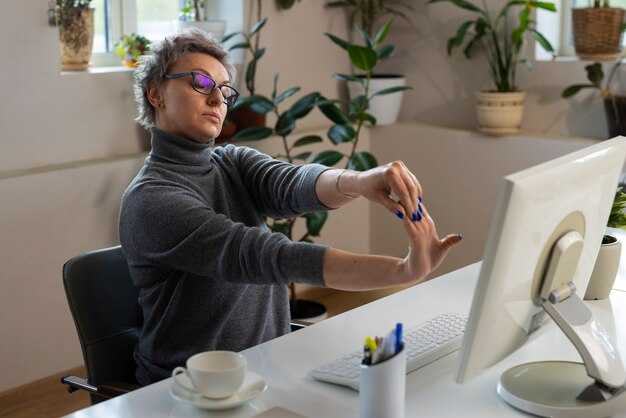
기상 후 60분 이내에 20–30분간 밝은 햇빛을 쬐십시오. 야외 노출이 불가능하다면 10,000룩스 광선 치료기로 20분 동안 쬐어 생체 리듬을 조절하고 처음 4–6시간 동안의 각성도를 높이십시오.
연속적인 화면 사용 시간을 50~60분으로 제한하고, 5~10분간 화면에서 벗어나는 휴식 시간을 계획하십시오. 취침 예정 시간 30~60분 전부터 블루라이트 감소 기능을 활성화하고 일몰 후 디스플레이 색온도를 따뜻하게 설정하십시오. 밝은 실내 조명보다 모니터 밝기가 더 밝지 않도록 줄이고, 화면을 눈높이보다 20~30도 낮게 배치하며 눈의 피로를 악화시키는 눈부심을 줄이기 위해 무광 필터를 사용하십시오.
집중력을 요하는 업무는 75–90분 집중 블록으로 나누고, 그 후에는 인지적 스테미나 회복을 위해 활발한 움직임(계단 오르내리기, 5–10분 걷기)이 포함된 15–20분 활동적인 휴식을 취하십시오. 짧은 집중력이 필요한 작업의 경우 25/5 주기를 3–4회 반복한 후 더 긴 휴식을 취하십시오. 시간만으로 판단하지 말고 각 블록의 측정 가능한 결과물(예: 500단어, 5가지 의사 결정 항목)을 정의하여 성공 여부를 추적하십시오.
혹시 오후에 업무 능률이 떨어지거나 감정적으로 지치는 느낌이 든다면 일상적인 관리 업무를 그 시간대로 옮기고 정신적으로 부담이 큰 작업은 오전에 하세요. 시간, 작업 유형, 주관적인 정신적 부담, 기분을 기록하는 간단한 주간 기록을 유지하여 높은 생산성을 예측하는 요인을 파악하고, 집중력이 떨어지는 순간에 빛 노출 및 미세한 움직임을 포함하세요. 화면에 지나치게 민감한 특정 사람들의 경우 잠자리에 들기 30~60분 전에는 디스플레이를 피하고, 더 완전한 회복 경험을 위해 잠들기 전 활동에는 희미한 붉은색 조명을 사용하세요.
개인 계획을 세울 때는 일정에 맞는 주기를 선택하여 꾸준한 추진력을 얻으십시오. 항상 근무일마다 최소 1회의 완전한 회복 시간(저자극 20~40분)을 확보하고, 동일한 시간대에 더 많은 작업을 쌓기보다는 반복적인 문제(수면 시간, 늦은 시간대의 카페인 섭취)를 해결하십시오.
 How to Calm Your First Date Nerves and Stay Cool, Confident, and Charming">
 명언 찾기 – 영감을 주는 명언을 발견하고, 저장하고, 공유하세요.">
 보이지 않기를 원하시나요? 개인 정보 보호 및 온라인 익명성에 대한 실용적인 가이드">
 성(性)은 감정적 욕구인가? 욕망과 애착 탐구">
 거절에 대처하는 방법 – 회복탄력성을 높이기 위한 실용적인 단계">
 How Friendship Changes Across Your 20s, 30s, 40s, and Beyond">
 Can an Empath and Narcissist Be in a Relationship? Boundaries and Dynamics">
 12 Signs of Emotional Infidelity – How to Spot Cheating in Your Relationship">
 Don’t Believe Everything You Think Expanded Edition – Key Takeaways">
 How to Overcome Social Anxiety – 8 Practical Exercises">


