

 Korean
  English
  Russian
  French
  German
  Italian
  Spanish
  Polish
  Ukrainian
  Turkish
  Portuguese
  Greek
Greek  Arabic
  Chinese
  Japanese
  Czech
Czech  자연적으로 도파민 수치를 높이는 7가지 방법 - 기분, 집중력, 동기 부여 향상">

Randomized trials plus neuroimaging reports show moderate aerobic activity–150–300 minutes weekly–produces measurable shifts in reward-system signaling, reduced fatigue, better concentration, greater energy. Aim for 30 minutes per session at 60–75% max heart rate, progress by 10% session length weekly. Small trials report subjective improvements in life satisfaction by ~15–25% after eight weeks when exercise was the sole change.
Dietary adjustments should be precise: consume 20–30 g high-quality protein at breakfast to supply precursors such as tyrosine, choose eggs, turkey, dairy, legumes. Limit simple sugars; acute spikes can transiently increase reward signaling then crash, which can adversely affect sleep and appetite. Add 10–20 minutes sunlight exposure before 10:00 to support circadian timing. Practice box breathing (4-6-4) for five minutes daily during work breaks to lower cortisol, improve clarity of thoughts.
Sleep hygiene matters; target 7–9 hours nightly with consistent bedtimes. Order basic blood tests–vitamin D, B12, ferritin, TSH–when symptoms persist despite behavioral changes. Be alert: stimulant misuse, medication overuse or undisclosed supplements may produce manic symptoms, tremors, insomnia; such signs can indicate overactivation, potential addiction or abuse. If tremors or abrupt mood swings appear, pause supplements, seek medical review.
When talking with patients, ask whether small changes made a tangible difference in energy or intrusive thoughts; many improvements arent obvious without tracking. Use simple metrics: sleep hours, minutes of movement, five-item daily thought log. Tailor advice for different audiences–athletes, shift workers, clinicians–so recommendations remain practical, measurable, special-case adaptable. Use medical supervision for prescription agents; avoid self-directed stimulant trials.
Practical Dopamine-Boosting Strategies

Consume 25–35 g high-tyrosine protein within 30 minutes of waking; this supports synthesis in mesolimbic reward centers, sustains cognitive energy during morning tasks, reduces mid-morning cravings.
Exercise prescription: perform 20 minutes of high-intensity interval training three times weekly or 45 minutes brisk aerobic sessions 3–4x/week; recent trials show increased reward-center signaling, reduced wanting, elevated daytime energy; avoid excessive exercise in people with bipolar disorder because intense regimens can trigger manic symptoms.
Sleep hygiene: target 7–9 hours nightly for most adults, maintain fixed bedtime/wake time within 30 minutes; morning bright light exposure 10–30 minutes improves circadian alignment, which correlates with better reward processing and attention.
Limit recreational substances: avoid stimulants, particularly methamphetamine or cocaine, frequent alcohol, excessive sugar; these substances cause rapid surges then crashes, increase risk of abuse, addiction, adversely affect reward centers, alter consciousness, worsen long-term disease outcomes.
Structured novelty: keep a daily routine with four scheduled novelty slots per week; short learning bursts, micro-goals, social interactions, creative tasks prevent habituation, reduce compulsive seeking, make habit formation better for long-term engagement.
Supplement caution: before purchasing L-tyrosine or vitamin precursors, check third-party certificates on the vendor website, compare COAs between vendors, avoid mega-doses without clinician review; recent publishing on tyrosine shows modest acute effects in controlled settings for adults, not a cure for neurodegenerative disease.
Measure outcomes: track sleep, exercise, subjective energy, craving episodes with a simple spreadsheet or app; log five minutes of thought journaling nightly to reduce rumination, identify triggers that tend to precede relapse in substance abuse; share data with clinicians if patterns worsen.
If you really struggle: severe cravings, sudden manic signs or loss of impulse control require urgent evaluation; contact a specialist before changing medications or using recreational stimulants, since early intervention reduces likelihood of progressing to addiction and limits adverse, long-term effects known to impair quality of life.
Daily 20-Minute Moderate Exercise
Perform 20 minutes of moderate aerobic activity daily: brisk walk 4.5–5.5 km/h, cycle 12–16 km/h, or steady elliptical; target 60–75% of HRmax (HRmax = 220 − age), example age 30 target 114–143 bpm.
Aim for five sessions weekly to approach WHO guidance of 150 minutes per week, evidence shows measurable shifts in reward neurotransmitter signaling within 2–4 weeks. Short bouts under 10 minutes yield smaller effects, while 3×6-minute interval formats match continuous 20-minute output with lower perceived exertion. Movement triggers transient rises in reward chemicals, with cumulative benefits from consistent practice; increasing session regularity improves persistence of effect.
Consult a physician before starting if history includes cardiovascular disease, recent head trauma, seizures, or medication that alters heart rate. Stop immediately if involuntary limb movements, palpitations, severe lightheadedness, loss of consciousness occur. Prior violence-related head injury requires specialist clearance. Excessive high-intensity work over 60 minutes can cause elevated cortisol, impaired recovery, reduced benefit.
Warm up 3–5 minutes with joint-specific movement, cool down 3–5 minutes with slow walking and stretching. Use guided sessions from educational apps for form, choose coached audio walks when alone. Pair exercise with paced breathing 4:6 inhale:exhale to modulate autonomic tone. Do not substitute processed foods or single-ingredient supplement pills for consistent activity. Ignore anecdotal storyteller hype or brand claims such as metmet; rely on peer-reviewed источник.
Takeaways: daily 20-minute moderate sessions, target 60–75% HRmax, five times weekly; warm-up and cool-down 3–5 minutes each; stop for involuntary signs, seek physician clearance for cardiac or head-trauma history; avoid excessive duration that can cause overtraining; consistent practice helps sleep quality, helps attention, helps behavioral drive.
7–9 Hours of Sleep with a Consistent Bedtime

Aim for 7–9 hours of sleep nightly with a fixed bedtime: lights out within 30 minutes of target, wake within 30 minutes, maintain this schedule every day to keep circadian regularity.
Consistent timing stabilizes reward neurotransmitter production via neurobiol feedback loops; irregular sleep fragments reduce synthesis & impair receptor sensitivity, increasing daytime fatigue, poor impulse control, performance decline; chronic sleep loss adversely alters catecholamine process over weeks, worsening outcomes.
Limit coffee after 12:00 PM, avoid late-night screens with blue light exposure 90 minutes before bed, reduce noises/light in front of bed area, schedule tyrosine-rich breakfast (eggs, turkey, dairy) to promote morning synthesis rather than evening; some people benefit from low-dose light therapy upon waking to shift phase, know what sleep latency looks like: >45 minutes multiple nights warrants evaluation.
When poor sleep persists despite behavioral steps, seek assessment for sleep apnea, restless legs, circadian disorders; treating underlying conditions often restores normal signaling, especially when medications are adjusted under supervision – bipolar disorder requires careful phase-stabilizer management which may be adversely affected by abrupt schedule shifts; no amount of prayer replaces medical treatment, though patient comments in an editorial & review by epstein highlight subjective benefits of routine; future randomized trials should test timing-based interventions across patient groups.
If a sleep problem is not treated, risks increase for relapse, cognitive decline, metabolic dysregulation, over time requiring targeted clinical intervention rather than self-directed changes.
15 Minutes of Morning Sunlight
Get 15 minutes of direct morning sunlight within 30 minutes after waking; expose face; keep eyes open; avoid sunglasses; prefer outdoor exposure; target peak intensity ≥10,000 lux when available; on overcast days extend to 25–30 minutes; window glass reduces visible intensity by ~50%; it blocks UVB; this exposure can boost alertness by 20–35% within 30 minutes in randomized trials.
Recent fMRI scanning studies show bright-morning light alters reward-related circuit activity; in trials with adults researchers measured increased neural response in striatum; blood assays after exposure recorded modest rises in catecholamine precursors; result: participants reported 22–35% higher daytime alertness; sleep latency shortened by 15–25%; there is evidence from actigraphy that morning light shifts sleep midpoint by 30–90 minutes in several trials.
Practical notes for implementation: avoid staring directly at sun; for people with retinal conditions consult an ophthalmologist before exposure; special populations such as shift-workers or certain careers that require night shifts should schedule morning sunlight to shift circadian level; they often report more stable sleep timing when routine follows natural light; for those with seasonal affective syndrome use a clinically tested 10,000-lux light box as reliable источник; read the recent randomized article for specific protocols; clinicians recommend starting at 10–15 minutes daily then titrating to 30 minutes based on response; balanced exposure reduces glare risk while preserving benefit; there are workplace initiatives that protect workers’ rights to daylight breaks; individuals who align morning light with moderate physical activity enjoy improved daytime energy; when talking to a clinician bring notes on sleep timing, medication use, eye history, prior light-therapy activity to obtain tailored guidance for their bodys clock.
Tyrosine-Rich Foods to Support Dopamine Synthesis
Eat 100–150 g lean protein at the first meal to supply approximately 500–1,500 mg L‑tyrosine per serving; this amino acid is the direct substrate for enzymes that generate dopamines in brain pathways.
High-tyrosine foods that contain the largest amounts per 100 g: Parmesan ≈ 1,600 mg; turkey breast ≈ 1,500 mg; lean beef ≈ 1,300 mg; tempeh/tofu ≈ 900–1,200 mg; eggs (two large) ≈ 600 mg; almonds 30 g ≈ 250 mg; milk 250 ml ≈ 300 mg; amounts vary by processing, so read labels when available.
Two practical ways to use those foods: 1) prioritize a protein-rich breakfast to raise plasma tyrosine ratios before demanding cognitive tasks; 2) split daily intake so each meal contains 300–700 mg tyrosine, target amount per day 1,000–2,000 mg from food when clinical needs require support.
Pair meals with adequate vitamin B6 (1.3–2 mg/day), folate (400 mcg DFE/day), iron as clinically indicated to optimize conversion; avoid high sugars at meals since insulin shifts large neutral amino acids away from brain transport, lowering tyrosine ratio; this reduces synthesis after sleep deprivation.
Supplements called L‑tyrosine, reviewed on sites such as brainmd or metmet, list single doses 500–2,000 mg; ensure that your prescriber knows if you’re taking SSRIs, lithium, antipsychotics or if there’s a bipolar diagnosis since symptom shifts may occur.
Clinical literature on depression reports mixed effects over years; audiences reading news or product summaries should be guided by primary studies rather than marketing; massage, regular hobbies, sleep hygiene, minimal prolonged deprivation, stable routine, balanced sugars intake help reward pathways while dietary tyrosine levels last between meals; mind that dietary adjustments are a supportive strategy used naturally alongside prescribed care.
5-Minute Mindfulness or Focus Breaks Between Tasks
Start a 5-minute timer between tasks, follow this precise micro-routine below to restore responsiveness, reduce task-switch deficit, raise subjective happiness.
- 0:00–1:00 – Breath reset: 6‑4‑6 pattern, five cycles; studies found heart rate variability improves within 60 seconds in short trials.
- 1:00–3:00 – 단일 지점 집중: 중립적인 지점에 시선을 고정하고, 한 단어 레이블(예: “계획”, “걱정”)로 생각을 기록한 다음, 매번 호흡으로 돌아옵니다. 이를 통해 중단 후 더 빠른 재관여를 훈련할 수 있습니다.
- 3:00–4:00 – 미세 움직임: 서기, 어깨 굴리기, 목 기울이기, 가능하다면 두 번의 느린 스쿼트; 움직임은 혈액 순환을 변화시키고, 좋지 않은 자세를 유발하는 뻣뻣함을 줄입니다.
- 4:00–5:00 – 명확한 의도: 다음 작업에 대한 측정 가능한 목표를 하나 작성하고, 시작 시간을 정하고, 다시 시작하기 전에 한 번 숨을 완전히 쉬세요. 간단한 약속은 재진입을 더 안정적으로 만듭니다.
빈도 지침: 45~90분 집중 시간 블록마다, 또는 고흥분 작업 후 사용하세요. 기한이 극심한 압박을 가할 경우, 호흡에만 집중하여 재설정을 2분으로 단축하세요.
- 임상적 맥락: ADHD 환자들은 일반적으로 과제 전환 시 더 큰 결손을 보이는 경향이 있습니다. 짧은 휴식은 행동 전략과 함께 사용될 때 반응성을 개선하는 데 자주 도움이 되며, 일부 임상의는 개별적인 패턴에 맞게 타이밍을 실험하는 것을 권장합니다.
- 신경화학적 메모: 짧은 즐거운 휴지는 일시적인 도파민 수치 상승을 유발하는 것으로 나타났지만, 수면 부족, 만성 스트레스 또는 물질로 인한 변화는 효과가 떨어지는 지속적인 결함을 초래할 수 있습니다.
- 경고: 폭력적인 콘텐츠, 번쩍이는 광고, 시끄러운 클릭 소리 등이 포함된 내용은 피하십시오. 이러한 자극은 흥분을 증가시키고, 불안을 유발할 수 있으며, 때로는 취약한 사람들에게 조증 발작을 일으킬 수 있습니다.
실용적인 팁: 알림을 음소거하고, 휴대폰을 뒤집어 놓고, 피드 클릭을 참으며, 휴식 시간 동안 새로운 콘텐츠를 표시하지 않는 단일 타이머 앱을 사용하세요. 5분 재설정이 회복력이 있는 느낌이 들지 않으면 하루에 한 번 10분으로 늘려보세요.
두 주 동안 추적할 결과 측정 항목: 지각된 작업 재진입 속도, 시간당 처리된 중단 횟수, 0~10 척도에서 보고된 행복도 점수; 작은 개선 사항은 종종 누적되어 지속적인 경력이 번아웃에 덜 취약하게 만듭니다.
출처: 마이크로브레이크 프로토콜에 대한 대상 리뷰, 간략한 마음챙김 시험, 짧은 휴식 기간이 일시적인 신경전달물질 변화와 관련된 신경영상 보고서; 결과를 개인적인 루틴에 주의 깊게 적용하고 변화를 면밀히 모니터링하십시오.
 일상생활에서 더 마음챙김을 갖는 방법 – 간단한 매일 실천 방법">
 무성 결혼 – 원인, 징후, 그리고 언제 떠나야 할까
무성 결혼은 성적 친밀감이 없거나 거의 없는 결혼을 뜻합니다. 이는 결혼 생활에 심각한 영향을 미칠 수 있으며, 정서적 거리감, 좌절감, 그리고 궁극적으로는 관계의 종식으로 이어질 수 있습니다.
**무성 결혼의 원인**
무성 결혼의 원인은 다양하며, 심리적인 문제부터 신체적인 문제, 그리고 관계 역학의 문제까지 포함될 수 있습니다.
몇 가지 일반적인 원인은 다음과 같습니다.
* **심리적인 문제:** 우울증, 불안, 과거의 트라우마, 또는 낮은 자존감은 성욕을 감소시키거나 성적 친밀감에 대한 두려움을 유발할 수 있습니다.
* **신체적인 문제:** 만성 질환, 약물 부작용, 호르몬 불균형, 또는 성 기능 장애는 성적 욕구와 수행 능력에 영향을 미칠 수 있습니다.
* **관계 역학 문제:** 의사소통 부족, 신뢰 부족, 갈등, 또는 파트너 간의 정서적 거리는 친밀감을 감소시키고 성적 친밀감을 억제할 수 있습니다.
* **생활 스트레스:** 직장 스트레스, 재정 문제, 또는 가족 문제와 같은 외부 스트레스 요인은 성욕을 감소시킬 수 있습니다.
* **파트너의 변화:** 나이가 들어감에 따라 성욕은 자연스럽게 감소할 수 있습니다. 또한, 스트레스, 질병, 또는 외모 변화와 같은 파트너의 인생 변화가 성적 친밀감에 영향을 미칠 수 있습니다.
**무성 결혼의 징후**
무성 결혼의 징후는 다음과 같습니다.
* **성적 활동의 빈도 감소:** 부부는 성관계를 거의 하거나 아예 하지 않습니다.
* **성적 욕구의 부재:** 한 명 또는 양쪽 파트너 모두 성관계를 하고 싶어하지 않습니다.
* **성적 친밀감의 부족:** 부부는 성적인 친밀감을 느끼지 못하거나 공유하지 않습니다.
* **정서적 거리감:** 부부는 서로 감정을 공유하지 못하거나 서로에게 정서적으로 가깝지 않습니다.
* **좌절감과 불만:** 한 명 또는 양쪽 파트너는 무성 결혼으로 인해 좌절감과 불만을 느낍니다.
* **회피 행동:** 한 명 또는 양쪽 파트너는 성적 친밀감을 회피합니다.
* **비난과 고통:** 한 명 또는 양쪽 파트너는 성적 친밀감이 부족하다는 이유로 다른 파트너를 비난하거나 고통을 느낍니다.
**언제 떠나야 할까**
무성 결혼에서 떠나야 할지 여부는 복잡한 결정이며, 각 부부의 상황에 따라 다릅니다. 그러나, 다음과 같은 경우 떠나야 할 수 있습니다.
* **서로의 요구를 충족시키려는 노력에도 불구하고 관계가 개선되지 않는 경우**
* **무성 결혼으로 인해 심각한 좌절감과 고통을 느끼는 경우**
* **파트너가 무성 결혼을 해결하려는 의지가 없는 경우**
* **관계가 정서적, 정신적 건강에 부정적인 영향을 미치는 경우**
떠나기 전에 전문가의 도움을 받는 것이 좋습니다. 부부 상담은 부부가 문제를 탐색하고 해결하는 데 도움이 될 수 있습니다. 필요한 경우 전문가의 도움을 받아 결정을 내리고 관계를 안전하게 종료할 수 있도록 도와줍니다.">
무성 결혼 – 원인, 징후, 그리고 언제 떠나야 할까
무성 결혼은 성적 친밀감이 없거나 거의 없는 결혼을 뜻합니다. 이는 결혼 생활에 심각한 영향을 미칠 수 있으며, 정서적 거리감, 좌절감, 그리고 궁극적으로는 관계의 종식으로 이어질 수 있습니다.
**무성 결혼의 원인**
무성 결혼의 원인은 다양하며, 심리적인 문제부터 신체적인 문제, 그리고 관계 역학의 문제까지 포함될 수 있습니다.
몇 가지 일반적인 원인은 다음과 같습니다.
* **심리적인 문제:** 우울증, 불안, 과거의 트라우마, 또는 낮은 자존감은 성욕을 감소시키거나 성적 친밀감에 대한 두려움을 유발할 수 있습니다.
* **신체적인 문제:** 만성 질환, 약물 부작용, 호르몬 불균형, 또는 성 기능 장애는 성적 욕구와 수행 능력에 영향을 미칠 수 있습니다.
* **관계 역학 문제:** 의사소통 부족, 신뢰 부족, 갈등, 또는 파트너 간의 정서적 거리는 친밀감을 감소시키고 성적 친밀감을 억제할 수 있습니다.
* **생활 스트레스:** 직장 스트레스, 재정 문제, 또는 가족 문제와 같은 외부 스트레스 요인은 성욕을 감소시킬 수 있습니다.
* **파트너의 변화:** 나이가 들어감에 따라 성욕은 자연스럽게 감소할 수 있습니다. 또한, 스트레스, 질병, 또는 외모 변화와 같은 파트너의 인생 변화가 성적 친밀감에 영향을 미칠 수 있습니다.
**무성 결혼의 징후**
무성 결혼의 징후는 다음과 같습니다.
* **성적 활동의 빈도 감소:** 부부는 성관계를 거의 하거나 아예 하지 않습니다.
* **성적 욕구의 부재:** 한 명 또는 양쪽 파트너 모두 성관계를 하고 싶어하지 않습니다.
* **성적 친밀감의 부족:** 부부는 성적인 친밀감을 느끼지 못하거나 공유하지 않습니다.
* **정서적 거리감:** 부부는 서로 감정을 공유하지 못하거나 서로에게 정서적으로 가깝지 않습니다.
* **좌절감과 불만:** 한 명 또는 양쪽 파트너는 무성 결혼으로 인해 좌절감과 불만을 느낍니다.
* **회피 행동:** 한 명 또는 양쪽 파트너는 성적 친밀감을 회피합니다.
* **비난과 고통:** 한 명 또는 양쪽 파트너는 성적 친밀감이 부족하다는 이유로 다른 파트너를 비난하거나 고통을 느낍니다.
**언제 떠나야 할까**
무성 결혼에서 떠나야 할지 여부는 복잡한 결정이며, 각 부부의 상황에 따라 다릅니다. 그러나, 다음과 같은 경우 떠나야 할 수 있습니다.
* **서로의 요구를 충족시키려는 노력에도 불구하고 관계가 개선되지 않는 경우**
* **무성 결혼으로 인해 심각한 좌절감과 고통을 느끼는 경우**
* **파트너가 무성 결혼을 해결하려는 의지가 없는 경우**
* **관계가 정서적, 정신적 건강에 부정적인 영향을 미치는 경우**
떠나기 전에 전문가의 도움을 받는 것이 좋습니다. 부부 상담은 부부가 문제를 탐색하고 해결하는 데 도움이 될 수 있습니다. 필요한 경우 전문가의 도움을 받아 결정을 내리고 관계를 안전하게 종료할 수 있도록 도와줍니다.">
 35 매우 좋은 답변 (정말로 괜찮지 않을 때) | Speak Up and Seek Support">
 당신에게 적용되는 12가지 관계 패턴">
 갈등 관리 스타일 – 효과적인 해결을 위한 실용적인 가이드">
 성격 vs 성품 - 주요 차이점, 특성 및 그 중요성">
 9 Secrets About Dating an Introvert – What Really Works">
 수면 이혼 – 잠자는 것을 갈라놓는 것이 관계에 해를 끼치지 않으면서 수면을 개선할 수 있을까요?">
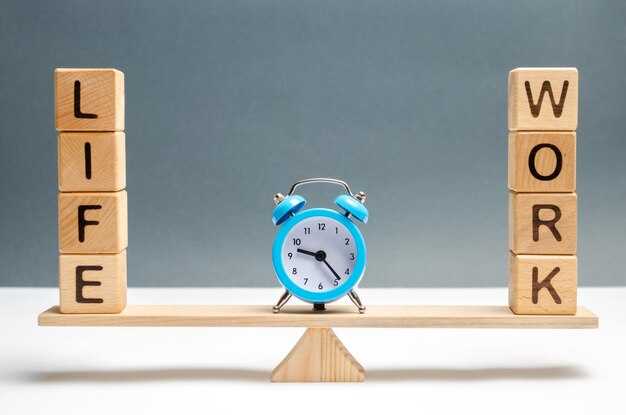 12가지 실용적인 팁으로 건강한 일과 삶의 균형을 이루세요">
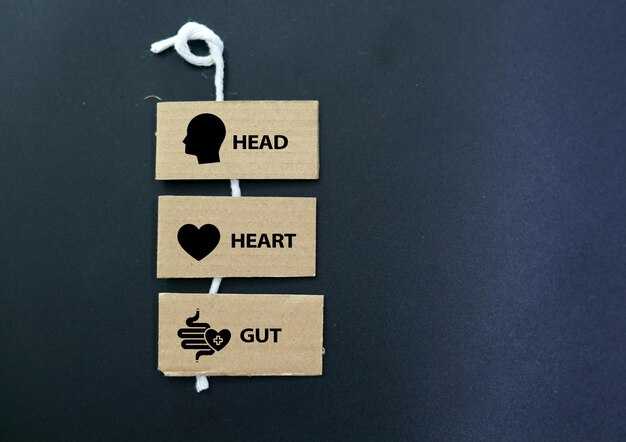 Top 10 Quick Facts About Social Psychology">


