

 Korean
  English
  Russian
  French
  German
  Italian
  Spanish
  Polish
  Ukrainian
  Turkish
  Portuguese
  Greek
Greek  Arabic
  Chinese
  Japanese
  Czech
Czech  부모님을 인간적으로 교감하기 위한 60가지 질문">

Catalog three specific favorite memories the guardians choose to revisit; include exact dates, street or venue names, the roles of others present, and an emotional rating from 1–10. Note what keeps each recollection alive – a recipe, a photograph, or a song frequently shows why a particular moment matters – then assign one concrete follow-up (scan, transcription, or short audio clip) to preserve that item.
Block four 30-minute sessions per month: two tailored to career trajectories and vocational milestones, two focused on wellness routines and daily habits. Reserve one exception per quarter for an extended oral history (45–60 minutes) when a major point occurs (retirement, relocation, health transition). Publish a brief agenda in advance so both contributors arrive prepared.
Organize prompts into clear categories: early-career decisions, romantic turning points, parenting roles, cultural moments, leisure favorites, and latent skills people havent mentioned before. For each category provide a single, time-bound prompt plus one follow-up requesting names, dates, and any physical evidence; that approach makes answers verifiable and easy to carry into family archives.
Apply compact processes: carry a small notebook or a single voice app, record only one session per day to reduce fatigue, and label entries by decade. If memory doesnt match documentary records, record both versions and schedule a second session rather than interrupting the storyteller; an exception exists for urgent legal or medical facts. Record verbatim when possible and tag surnames (for example, Moreno) to speed later research. These micro-practices improve intergenerational exchange and increase the likelihood of sustained, meaningful connecting.
Start the conversation: 10 gentle prompts to open up with your parents
Pick three prompts and schedule a 20‑minute session; bring 6–10 printed photos labeled by decade, sit side‑by‑side, keep a single notebook page for notes, and if the talk gets long, pause and send a brief recap so follow‑ups are easier to plan.
How to handle heavy moments
If resentment or anger appears, name it and pause; saying “I notice anger” lets emotion land rather than escalate. Give room to describe how feelings grown over years and where they come from; if someone says “I hate that period,” mirror that language and offer a break. Invite comment about the wider world beyond the household to add context. It takes multiple short sessions to process difficult memory fully; keep one page of notes so it’s easier to find what to revisit.
Ten gentle prompts
1. Describe an early memory that still makes you smile – what was your favorite smell or song from that time?
2. Who was anyone who taught practical wisdom that still carries into lives now?
3. Tell me about a long day that became a turning point – what takes credit for the change?
4. Look through these photos and pick one that capture a moment beyond routine; describe who’s doing what and why it matters.
5. Name topics most people avoid in family talks that you wish had been explored early – what would’ve made subsequent times easier?
6. If resentment or anger ever grew between family members, describe how it started and what still carries that weight today.
7. Has anyone ever sent a letter or note that changed how theyve seen family ties; what did that page of memory include?
8. Find a small object or photo that holds a lesson; describe how it helps carry values and what it reveals about self.
9. If a name like Nigel or Moreno appears on a page of the family album, what does that person say about the place you were born and the era you grew through?
10. Sometimes times feel ordinary but turn out rich – describe a long stretch when you felt fully alive: where were you, doing what, who was anyone who mattered?
Memory prompts: 12 questions to uncover childhood moments
Start with a timed 30–45 minute session: doors closed, phone off, consent to record, note the date and the name of the memory you want to explore, and listen without interruption.
1. Street and house name you first remember – list three sensory details (smell, sound, texture) and the approximate age that memory spans.
2. A celebration or season that lasted months: describe the rituals, who organized them, what made the day different, and what objects youd still keep.
3. A teacher, neighbor or sibling who played the biggest role in early choices – specify the behavior they modelled and the lesson that stuck more than the lesson itself.
4. A single moment someone said they were proud of you – what did they say, how it feels now, and one follow-up you’ll thank them for later.
5. A challenging move or family argument: who packed, who held the door, what was the hardest thing you hate remembering, and what eased the transition.
6. One food, song or toy that always transports you back – name it, describe the first time, and the object you could touch to trigger that memory.
7. A momdad routine (morning, bedtime, holiday rehearsal): who led it, how rituals started, and which detail still shapes how you organize days.
8. First and last day of school in a single year: what changed between those months, who you ran to, and the unexpected thing you learned.
9. Earliest responsibility (chores, allowance, job): what role you were given, how it compared than play, and the skill that mattered most later.
10. A loss (pet, teacher, grandparent): how the family marked it, a keepsake youd rescue if the house burned, and the smallest ritual that mattered.
11. A fight that reset a relationship: what triggered it, how repair happened next, and one boundary you still honor because of it.
12. A recurring dream or childhood fear that enriches perception now – describe the image, who appears in it, how it feels and one way it shaped choices.
After each prompt: reflect back a one-sentence summary, note источник (photo, letter, date), write the month or age, and ask if they need a pause; make quick timestamps if recording. Use a simple website or printed sheet to track answers so every memory is searchable through themes. Thats the practical way to preserve things that matter – youll notice small details connecting across stories, and youll build a deeper family archive that enriches future conversations.
Values and beliefs: 15 questions to understand their guiding principles
Schedule a 30-minute sit-down; bring a printed sheet of 15 prompts, one memory that impacted you, a simple recording device and a quiet activity to keep the conversation close and focused.
프로토콜

Run three short sessions across different days, save the audio or typed contents to a secure website or local folder, label each entry with date and brief tags so youll be able to track which values improved, changed or held steady.
1. Describe a defining moment that impacted a core belief about honesty or fairness.
2. Which parenting rule or model did you choose to follow, and why did that influence household priorities?
3. Share a memory tied to grandparents that illustrates a value you still practice.
4. What responsibility did you carry from family history that shapes decisions you make today?
5. Name a hard experience that tested faith or principles and what you learned doing the recovery work.
6. Which academic experience changed your thinking, improved understanding, or shifted a belief?
7. What one thing do you refuse to compromise on, and why does it matter more than convenience?
8. Who influenced you most–grandparents, teachers, or others–and what example gives that answer weight?
9. When making a difficult choice, which guiding principle gives you direction and how does it show up in practice?
10. Have you ever faced a challenging moral trade-off, and what did you decide under pressure?
11. 어떤 의식이나 활동을 시작하여 평범한 날에도 가족의 가치를 유지하도록 돕습니까?
12. 아이들이 자신들만의 가정을 시작할 때 어떤 경계나 값을 선택하도록 하고 싶으신가요?
13. 어떤 가족 이야기나 역사적 사건이 회복력과 어려운 일을 해내는 것에 대한 관점을 제공합니까?
14. 만약 짧은 활동이나 시연을 통해 다른 사람들에게 하나의 가치를 가르칠 수 있다면, 무엇을 가르치고 싶으며 그 이유는 무엇입니까?
15. 미래 세대가 자신의 세계로 가져가기를 바라는 조언을 무엇이라고 전해줄 것이며, 어떻게 스스로 그것에 대해 되돌아봐야 할까요?
일상, 이야기, 그리고 연결: 루틴, 유머, 그리고 일상적인 순간들에 대한 8가지 질문
네 주간 동안 8번의 20분, 주제 중심 대화를 시작하세요. 일주일에 한 번 세션을 예약하고, 오래된 사진을 프롬프트로 사용하며, 답변을 녹음하고, 가벼운 잡담보다는 일상, 경력의 전환점, 가족 구성에 대한 구체적인 이야기를 목표로 하십시오.
프롬프트 1 – 경력 전환기에 가장 의미 있었던 평일 의식을 묘사하세요. 어떤 집안일, 어떤 아침 식사, 아이들이 어렸을 때 집에 누가 있었으며, 그 일정이 수십 년에 걸쳐 어떻게 바뀌었는지 설명하세요.
Prompt 2 – 오래된 사진을 볼 때마다 아직도 사람들이 웃음을 터뜨리는 유머러스한 순간에 대한 짧은 이야기를 들려주세요. 어떤 대사나 몸짓이 세대를 초월하고 그 기억이 왜 중요한지 설명해주세요.
Prompt 3 – 여전히 아픔을 주는 가장 큰 해결되지 않은 후회를 파악하세요: 무엇이 시도되었는지, 무엇이 회복될 수 없는지, 상황을 더욱 완전히 해결되게 만들 것이 무엇인지, 그리고 어떤 대화가 아직 건드리지 않았는지 설명하세요.
프롬프트 4 – 선택에 영향을 미친 핵심적인 개인적 신념을 묘사하세요. 돈보다 우선순위를 두었던 가치는 무엇이며, 어떤 신념이 직업 선택에 영향을 미쳤으며, 변화하는 신념이 일상생활과 웰빙에 어떤 영향을 미쳤는지 설명하세요.
프롬프트 5 – 유산 및 가정 디자인 개요: 자녀 및 다른 친척을 위해 어떤 전통을 원했는지, 한 세대를 넘어 이어지는 의례는 무엇이며, 어떤 구체적인 물건을 보관하거나 버려야 하는지 설명하십시오.
프롬프트 6 – 누군가를 성장시킨 전환점을 지목해 보세요. 당시에는 고통스러웠던 어떤 희생, 회고했을 때 싫어하게 된 접근 방식, 실제로 삶을 더 좋게 만든 어떤 전략, 그리고 그것이 이후의 경력 이동에 어떤 영향을 미쳤는지에 대해 설명해 주세요.
프롬프트 7 – 현재의 매일매일 규칙 각각에 대해, 삶을 덜 혼란스럽게 만드는 작은 선택을 설명하십시오. 문 앞에 놓아둔 신발, 사진을 위한 프로세스, 발부터 시작하는 루틴이 효과적인 이유, 그리고 바꾸고 싶지 않은 습관 중 하나입니다.
프롬프트 8 – 다 끝낸 후 앞으로의 몇 년을 의미 있게 만들 것이라고 생각하는지 물어보세요. 더 높은 목표, 온전히 살아보고 싶은 개인적인 물건 목록, 자녀들이 해결해 주기를 바라는 미해결 문제, 그리고 미래 세대가 가치를 살아갈 수 있도록 기억들이 어떻게 전달되기를 바라는지 등을 적어보세요.
육아 통찰력 및 삶의 교훈: 그들의 경험으로부터 배울 수 있는 15가지 질문
단일 주제에 맞춰 30분 주간 대화를 계획하세요. 이러한 디자인은 대화가 집중되고, 서면 기록을 보존하며, 세대를 거쳐 역사적 맥락과 정서적 치유를 돕는 안정적인 의식을 만듭니다.
- 어떤 초기 책임감이 다른 사람들보다 더 빨리 어른이 된 듯한 느낌을 주었으며, 왜 그 책임감이 나중에 선택에 영향을 미쳤는가?
- 재정적 어려움이 발생했을 때, 가정을 보호하기 위해 어떤 구체적인 조치를 취했으며, 그 선택들이 향후 계획을 어떻게 변화시켰습니까?
- 노력, 운, 또는 절충에 대해 지속적인 교훈을 가르쳐 준 첫 번째 업무 경험은 무엇이었습니까?
- 어떤 부모의 습관이나 규칙이 집안에 평온함을 가져다주고, 어떤 것이 사기를 꺾었을까요? 결과를 보여주는 예시를 들어 설명해주세요.
- 지역 사회, 종교 또는 학교는 옳고 그름에 대한 가치를 어떤 식으로 형성했으며, 그 영향이 여전히 의사 결정에 영향을 미치나요?
- 첫사랑이나 어색한 사춘기에 대한 재미있거나 놀라운 기억을 이야기하여 대처 전략을 드러내세요.
- 걱정될 때, 불안을 줄여주는 실용적인 루틴은 무엇인가? 스트레스가 치솟을 때마다 반복할 수 있는 단계 말이다?
- 어떤 관계의 실패가 가장 명확한 경계의 교훈을 가르쳐 주었고, 그 회복 과정에서 감정은 어떻게 다루어졌는가?
- 안정성을 제공하기 위해 어떤 절충안들이 받아들여졌으며 (경력 대 열정, 시간 대 돈) 그러한 절충안들이 반복될 것인가?
- 멘토 또는 상사가 방향을 바꾼 순간을 설명해 주세요. 어떤 구체적인 조언이 도움이 되었고 왜 그 조언이 와닿았나요?
- 어떤 가족 의례나 습관이 일상생활을 풍요롭게 하고 세대를 넘어 연결을 유지합니까?
- 어떤 양육 본능이 질병이나 상실 중에 가장 유용했고, 그 접근 방식은 오늘날 어떻게 치유를 제공합니까?
- 이주, 직업 변경 또는 이사 등의 경험은 정체성에 어떤 영향을 미쳤을까요? - 그리고 실제로 효과가 있었던 실용적인 적응 방식은 무엇이었을까요?
- 어떤 작은, 반복적인 습관이 멋진 제스처보다 관계를 더 좋게 유지했으며, 지금 어떻게 그것을 받아들일 수 있을까요?
- 손주들을 위한 가치관 지침서가 있다면 – 우선순위를 보여주는 다섯 가지 핵심 내용으로 무엇이 담길까요?
이 프롬프트를 효과적으로 사용하는 방법
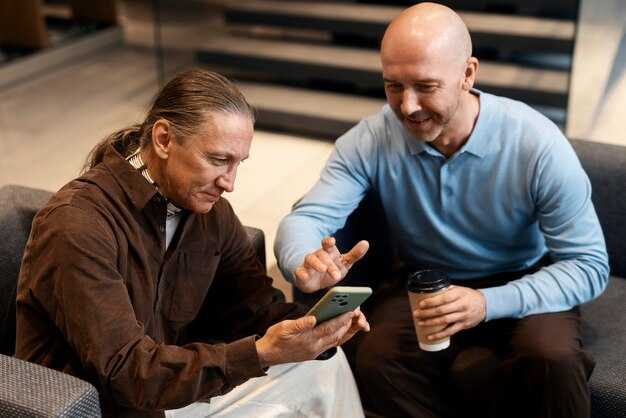
- 각 세션을 한 번의 프롬프트와 30~45분으로 제한하고, 가족의 기억을 보존하기 위해 서면으로 답변을 기록하십시오.
- 적극적인 경청으로 시작하세요: 80% 경청, 20% 명확화 – 이는 감정을 안전하게 지키고 개방적인 분위기를 조성합니다.
- 다섯 분 후속 조치 사용: 더 나은 일상 선택 또는 간호 설계에 도움이 될 수 있는 세 가지 구체적인 행동을 기록하세요.
- 이야기를 기록하는 사람을 교대로 하여 세대 간 기록 보관소를 구축합니다. 각 항목에는 날짜, 위치, 그리고 누가 참석했는지에 대한 기록이 포함되어야 합니다.
- 기록하기 전에 동의를 우선시하십시오. 허가 없이는 메모를 비공개로 유지하고 치유에 집중하며 노출에 집중하지 마십시오.
- 맞춤형 프롬프트는 신뢰를 높입니다. 실용적인 사용법, 도덕적 결정, 재미있는 일화를 섞어 더 완전한 그림을 얻으세요.
 8가지 짜증날 때 할 일 – 진정할 수 있는 빠른 팁">
 절망감이 들 때 희망을 키우는 방법 – 낙관심을 재건하기 위한 실용적인 단계">
 35가지 매일 긍정 확언 - 어떤 일을 겪고 있든, 고양되고, 치유되고, 앞으로 나아가세요">
 41가지 질문: 데이트를 한 단계 끌어올릴 궁극의 가이드">
 성격을 변화시키는 데 3개월 – 개인적인 실험">
 체중 감량의 감정적 롤러코스터 – 지속 가능한 여정을 위한 대처 전략">
 99 Meaningful and Memorable Compliments – Boost Confidence">
 음식과 뇌 – 더 나은 인지 능력과 뇌 건강을 위한 영양">
 33 Top Mental Health Tips Reddit Users Swear By – Practical Advice for Everyday Well-Being">
 공감적 경청 – 더 나은 관계를 위한 당신의 비밀 슈퍼파워">


