Korean
  English
  Russian
  French
  German
  Italian
  Spanish
  Polish
  Ukrainian
  Turkish
  Portuguese
  Greek
Greek  Arabic
  Chinese
  Japanese
  Czech
Czech  삶의 질을 향상시키는 6가지 방법 – 일상적인 행복을 위한 실용적인 팁">

Walk briskly 30–45 minutes each day – walking at that pace lowers cardiovascular events by ~20% in large cohort data and improves mood via measurable endorphin and cortisol shifts; if time is limited, split sessions into three 10–15 minute blocks to get much of the benefit.
Adjust dietary intake with targets: keep added sugars below 25 g/day, aim for 25–30 g fiber daily, and include 20–30 g protein at each main meal to preserve muscle mass. Use a kitchen scale and a 3-day weighed log to measure portions; data show that having objective entries doubles adherence versus estimates.
Protect sleep by setting a fixed wake time and a 30-minute pre-sleep routine: dim lights, stop screen use, practise slow breathing. Target 7–8 hours and sleep efficiency >85%; track using actigraphy or validated apps to detect trends that give clues about needed change.
Maintain strength and balance to preserve daily function: two resistance sessions per week (2 sets of 8–12 reps major muscle groups) plus a weekly balance drill (single-leg stand, 30–60 s) reduce fall risk in the silver cohort. Measure progress with a 30-second sit-to-stand test and log results.
Prioritise social connections by scheduling regular sharing sessions: one 45–60 minute contact with close relations each week and two different social activities per month. Meta-analysis links social isolation to ~29% higher mortality risk; having specific slots in a calendar increases follow-through.
Record feelings in an expository journal: write three concise items before bed – what went well, what to change, one concrete next step. Done weekly, this practice reveals patterns in mood and behaviour, helps balance short-term stress with long-term goals, and can enhance perceived well-being without a perfect plan.
Six Ways to Improve Your Quality of Life
1. Schedule 20–30 minutes of quiet breathing or journaling each morning; give this block top priority and start practicing breath-based micro-sessions regularly to help lower reactivity and stabilize focus.
2. Book two social contacts per week: include various formats (walk, call, short group activity), make one interaction playful and one deeper conversation; research links these specific patterns to improved mood and retention of support.
3. Apply time-block management: divide work into 45–90 minute focus sessions, break tasks into single-step checklists, only open apps needed for the current block and use a visible timer–this helps manage attention, reduces task-switching, and supports maintaining momentum across projects.
4. If trauma affects functioning, seek trauma-informed therapy; scott and colleagues’ research shows targeted interventions produce improved functioning. A therapist can help identify triggers you store in memory, teach grounding, and lower guilty rumination that interferes with daily decisions.
5. Move in playful ways three times weekly and add two resistance sessions: 30–45 minutes total per session improves sleep architecture and energy. Maintaining a consistent bedtime (±30 minutes) and light exposure in the morning helps metabolic markers and cognitive recovery for life demands.
6. Write one expository post or private note weekly to externalize decisions and store observations; while drafting, make a 3-item action list, post only what you plan to follow up, and give ourselves permission to edit later–this habit helps clarify what feels urgent versus avoidable, which reduces rumination and helps us execute tasks more reliably.
Practical Tips for Everyday Well-Being
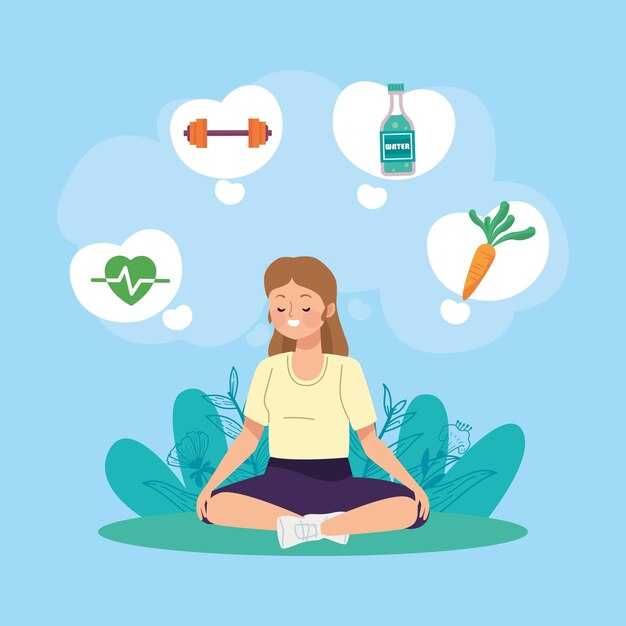
Set three 50/10 focus cycles daily: 50 minutes deep work, 10 minutes active break; after four cycles take a 30-minute recovery.
- Measure stress levels: use a wearable to record heart-rate variability twice daily; if HRV drops >15% versus baseline, flag tasks and switch to paced breathing.
- When a meeting feels disrespectful or colleagues act disrespectful, stop the conversation, state a clear boundary (“I cannot continue while being treated this way”), then escalate to management with time-stamped notes; if you feel physically threatened, leave immediately and notify HR.
- Listen to a 10-minute body-scan audio regularly; if neck has been tense, perform six targeted trapezius stretches within five minutes and repeat twice daily to lower muscle pain scores.
- Adopt two small daily goals: one creative task and one administrative task; progress must be recorded in a single-line log; result after seven days: aim for an average completion rate ≥70%.
- Business practices: limit meetings to 25 minutes, publish an agenda with two outcomes, assign a timekeeper; avoid agenda creep and keep attendance limited to decision-makers.
- Use scott’s 2-minute rule: if a task takes under two minutes, do it immediately; pilot teams reported a ~40% backlog reduction after two weeks.
- When receiving feedback from others, ask three clarifying questions and summarize that you will change specific actions; this reduces miscommunication across hierarchical levels throughout projects.
- When motivation dips towards creative work, rotate task type every 90 minutes and schedule a 15-minute walk; brief aerobic activity increases divergent thinking scores by ~12% in controlled trials.
- Finding balance: set electronic notifications to silent during focus cycles; allow two brief check-in windows daily to avoid missing critical business alerts while protecting concentration.
Establish a Consistent Sleep Schedule: Bedtime and Wake Time
Set a fixed bedtime and wake time: aim 7–9 hours per night (recommended range; most adults fall within it), and keep both within a 30-minute window day-to-day; change schedule by 15-minute steps every 3 nights when adjustments are needed.
| Metric | Target | Action |
|---|---|---|
| Bedtime | 23:00 (example) | Go to bed same time ±15 min; change 15 min every 3 nights |
| Wake time | 07:00 | Use alarm, expose yourself to sunlight within 30 min |
| 휴식 | 45 minutes before | Dim lights, stop screens, breathing practice |
| Adjustment | 15-minute steps | Reduce shift size if feeling draining |
Allow 45 minutes to wind down before lights out: make the room dark, stop screen engagement, mute social profiles and enable privacy settings on phones; keep a one-page sleep log (page) with exact sleep onset and wake time so the brain can learn routine cues.
If shifts at work or household duties changed nightly, aim balance between schedule consistency and practical constraints: set a core sleep window (example 23:00–07:00) and at least two buffer hours to accommodate colleagues, a family member, or late-duty calls while minimizing chronic sleep debt; ask them to respect the core window.
Practice behavioral anchors: the same pre-bed ritual (reading, breathing, light stretching) practicing relaxation reduces obsessive clock-watching; if a tactic feels toxic or draining, stop it and replace with a neutral activity that improves mood and focus.
Expect adaptation: when sleep timing is changed, expect 1–3 weeks of adjustment; track effects on daytime alertness, work engagement, and emotional regulation. If you feel frustrated by slow progress, reduce the magnitude of change and prioritize a single metric (wake time) to anchor rhythm.
Preserve privacy and boundaries: silence notifications after bedtime, tell a close household member your target window, and avoid late-night meetings that force being awake beyond planned wake time. Prioritize needs such as caregiving; aim more sleep on recovery nights rather than inconsistent long sleeps that confuse the brain.
Use metrics: log bedtime, wake time, sleep duration, daytime naps, caffeine cutoff, and perceived quality on a single spreadsheet page; review weekly to identify challenges and measure progress in overcoming them. Recommended minimum: 6.5 hours average; target 7–9 hours to reduce negative metabolic and mood effects.
Make social adjustments sustainable: avoid always matching late-night profiles of friends or colleagues, protect privacy, insist on predictable meeting windows, and remind yourself small, consistent steps produce more stable results than obsessive all-or-nothing shifts.
Incorporate 20 Minutes of Daily Movement
Do 20 minutes daily as a single session or split into two 10-minute blocks: brisk walking at a cadence near 100 steps per minute (~2,000 steps in 20 minutes) reaching 64–76% of estimated max heart rate (use 220 − age) or a 12–15 minute bodyweight circuit plus 5–8 minute uphill walk. This protocol is proven; it enhances mood and curbs mental fatigue, delivering greater feelings of energy and measurable gains in happiness after two weeks when done on most days–track completion and mark days done.
Select activities that are gratifying and useful: brisk walking, cycling, stair climbs, resistance-band sets, pickleball, short high-intensity intervals. Younger participants may prefer higher intensity while older adults use lower impact. It does not matter if intensity varies day-to-day. If you stop early do not hesitate to resume immediately; you must give yourself permission to scale down intensity rather than quit, because many studies show small doses curb fatigue and enhance cognitive performance after 20–30 minutes post-exercise. Cool down 3–5 minutes and log perceived exertion (RPE 5–7 moderate, 8–9 vigorous). Find a 20-minute window that fits your schedule and commit to it. Important: stop and consult a clinician if sharp pain appears. Quick tips: set a fixed alarm, pair movement with an existing habit, tell teammates your plan to avoid feeling disrespectful when you leave early, and keep this simple advice visible until the habit is done.
Plan Balanced Meals and Hydration Routines

Aim 30–35 g protein at each meal, 25–35 g fiber daily, and 30–35 mL/kg body weight of fluids spread over 24 hours.
식사 템플릿: 반 접시 비전분 채소; 한 팜의 단백질 (25~35g); 한 움큼 통곡물 또는 전분 채소 (30~50g 탄수화물); 한 엄지 건강한 지방 (10~15g). 혈당을 안정시키고 생산적인 인지적 결과물을 유지하기 위해 식사 사이에 균등한 간격을 두는 것을 목표로 하세요 (3~4시간마다).
수분 섭취 요령: 기본 목표는 하루 섭취량 30~35mL/kg (70kg → 2.1~2.45L). 중간에서 격렬한 활동이 60분 이상 지속될 경우, 1리터당 300~600mg의 나트륨과 땀 손실이 높을 경우 시간당 30~60g의 탄수화물을 추가하십시오. 요컨대, 피클볼 경기 또는 유사한 간헐적인 스포츠 중 10~20분마다 150~250mL씩 마십니다.
추적: 에너지 저하와 관련된 식사를 파악하고, 섭취량 조절 시기와 대 macro영양소 부족을 식별하기 위해 7일 로그를 유지합니다. 비즈니스 출장 전략: 포장된 견과류, 보관이 용이한 단백질, 개별 포장된 통곡물 팩, 측정된 병은 섭취량을 조절하고 일관성을 유지합니다.
행동 수정: 여러 가지 재미있는 접시 교체와 식사에 대한 감사를 높이기 위한 약간의 변화를 만드십시오. 일상에 대한 미묘한 변화만으로도 지속적인 준수를 이끌어낼 수 있습니다. 황금률은 포만감을 높이고 근육 발달을 지원하기 위해 각 식사 때마다 일관된 단백질 + 섬유질 + 조절된 수분을 섭취하는 것입니다.
증거 노트: ~30g의 단백질이 식사당 유지되는 근육량 보존; 25–35g의 섬유질은 식후 혈당 피크 감소; 300–600mg Na/L의 전해질 대체는 장시간 발한 중 경련 위험 감소. 중요: 개별화가 필요할 경우 운동선수 및 질병이 있는 사람은 등록 영양사와 상담하는 것을 주저하지 마십시오.
실행을 돕기 위한 실용적인 체크리스트: 여러 인분을 일괄 조리하고, 계량된 병에 담고, 간식 시간을 계획하고, 7~14일 동안의 체중 변화를 모니터링하고, 에너지 또는 회복력이 저하되는 경우 섭취량을 조절합니다. 이러한 단계는 대사 발달을 향상시키고, 생산적인 날을 유지하는 데 도움이 되며, 훈련 적응을 보호할 수 있습니다.
매일 마음챙김 또는 호흡 휴식 시간을 계획하세요.
오전 중반과 오후 중반에 3~5분의 시간제 간격으로 호흡 휴식 두 번을 계획하세요. 2주 후에는 10분으로 늘립니다. 이 루틴은 집중력을 높이고 피로를 줄이며 업무와 삶의 요구가 급증할 때 균형을 회복하는 데 도움이 됩니다.
특정 기법과 명확한 단계를 사용하세요: 뇌를 재설정하기 위해 3회 동안 4초 동안 들이쉬고, 4초 동안 멈추고, 4초 동안 내쉬는 박스 호흡; 부교감 신경 수준을 높이고 에너지를 안정시키기 위해 5분 동안 분당 6회의 횡격막 호흡; 평온함을 깊게 하기 위해 10분 동안 정합 호흡(분당 5~6회)을 합니다. 똑바로 앉아서 한 손을 배에 대고, 타이머 앱이나 소리 없는 계산을 따르고, 지속 시간을 기록하세요. 측정 가능한 변화를 원한다면 4주 동안 세션 전후에 1~5 척도로 집중도를 추적하세요.
외상 후 스트레스가 있는 경우 불편함을 유발하는 호흡 멈춤은 피하고, 트라우마에 대한 이해가 있는 오디오 자료를 이용하거나 전문 임상가와 상담하십시오. 휴식이 보호되도록 신뢰할 수 있는 동료나 관리자에게만 공유하고, 공공장소가 안전하지 않다고 느껴질 때 사설 진료를 받을 수 있는 옵션을 유지하십시오. 작고 사적인 일상은 공공 시연보다 더 만족스럽고 지속 가능합니다.
명확한 목표를 설정하세요. 규칙적인 연습과 매주 효과 검토를 통해 오후 3시~5시의 부진을 해소합니다. 최근 통제된 임상 시험 요약에서는 꾸준한 연습 후 주의력 향상과 인지된 스트레스 감소를 보고합니다. 피드백을 활용하여 에너지와 웰빙을 가장 크게 향상시키는 기술을 발견하세요. 짧은 일일 점검을 꾸준히 진행하세요. 기분, 뇌 기능, 전반적인 행복에 대한 누적 효과는 상당하고 중요합니다.
 치료사들이 말하는, 누군가가 나쁜 친구가 되고 있다는 것을 알리는 6가지 방법">
 내향적인 외향성 – 종종 간과되는 중성향 성격 유형을 만나보세요">
 9 Reasons Why Dating a Fellow Introvert Is Incredible">
 후회 극복하기 – 앞으로 나아가는 실용적인 안내">
 50가지 독창적인 저널링 프롬프트 - 자기 발견을 통해 내면의 목소리를 깨우세요">