

 Korean
  English
  Russian
  French
  German
  Italian
  Spanish
  Polish
  Ukrainian
  Turkish
  Portuguese
  Greek
Greek  Arabic
  Chinese
  Japanese
  Czech
Czech 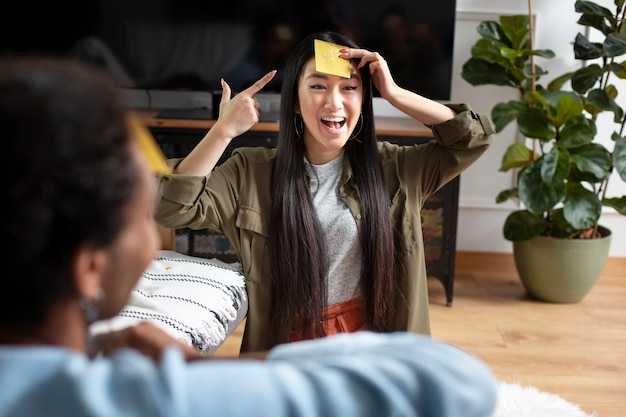 내향적인 사람들이 그들에 대해 알고 싶어하는 25가지
내향적인 사람들이 자신에 대해 사람들이 이해해 주기를 바라는 것은 수없이 많습니다. 그들에 대한 오해는 너무나 보편적입니다.
물론, 내향적인 사람들은 사람들 사이에서 더 많은 에너지를 얻고 혼자 시간을 보낼 때 에너지를 얻으면서 서로에게 접근할 수 있기 때문에 외향적인 사람들만큼 열정적이지 않을 수 있습니다. 그러나 이것이 그들이 갇혔거나 부끄러워하거나 사회를 싫어한다는 것을 의미하지는 않습니다.
실제로 많은 내향적인 사람들은 약간의 외향성이 있을 수 있습니다. 그들은 그들이 함께하는 그룹에 따라 활기차고 사교적이고 기꺼이 사람들과 소통할 수 있습니다. 그러나 그들은 다른 사람을 만날 수 있어서 그렇게 할 자신이 없다는 것을 의미하지는 않습니다.
내향적인 사람들을 이해하는 데 도움이 되는 25가지가 있습니다.
1. 시간이 혼자 보내는 것을 의미하지 않습니다.
내향적인 사람들에게 혼자 있는 것은 재충전하고 재구성하는 과정입니다. 그들은 자신과 함께 조용히 있는 것이 매우 편안하고 즐겁다고 느낍니다.
2. 외향적인 사람들과 곁에 있기에도 즐거워합니다.
내향적인 사람들은 사람들을 사랑하고 어울리기를 좋아합니다. 그들은 그 누구라도 피하는 것이 아니라, 사회적 상호 작용은 소비적일 수 있기 때문에 그들을 선택합니다.
3. '혼자'는 '외로움'과 다릅니다.
내향적인 사람들은 사회적 상호 작용을 즐길 수 있지만, 그렇지 않을 때 혼자 있는 것을 그만두는 것이 아니라 재충전을 할 수 있습니다.
4. 혼자서 편안하게 있어 보낼 준비가 되지 않았다고 생각하지 마세요.
내향적인 사람들은 모든 사람의 요구를 충족하기 위해 항상 활기찬 것이 아니기 때문에 시간을 쏟아주지 못할 수 있습니다.
5. '활동적'과 '내향적'은 상반되지 않습니다.
내기적적인 사람들은 집을 나주어 활동적인 시간을 가질 수 있습니다.
6. 모든 내향적인 사람은 '내성적'이 아닙니다.
내향적인 사람들은 타인과의 관계에 기꺼이 참여하지만, 많은 사람들과 대화하게 될 때에는 기꺼이 하고 싶어 하지 않을 수도 있습니다.
7. 그들은 단순히 소규모 그룹에서 편안함을 느껴요.
그들에게는 많은 사람들보다는 더 작은 그룹이 더 큰 에너지원입니다.
8. 그들은 많은 사람보다 '깊은' 관계를 추구합니다.
내향적인 사람들은 파티에서 많은 사람을 아는 것보다 수 개 또는 몇 개의 가까운 친구를 갖는 것을 선호하는 경향이 있습니다.
9. 자신들의 감정을 소화할 시간이 필요합니다.
내향적인 사람들은 사회적 상호 작용을 할 때의 많은 것들을 처리하면서 감정을 처리하는 데 시간이 필요합니다.
10. 그들은 외향적인 상황에 전적으로 '노력'하지 않을 수 있습니다.
그들은 사회생활을 하고 싶어하지만 사회적 상황에 모든 에너지를 쏟지는 않을 수 있습니다.
11. 외부의 사회적 상황보다 자기 성찰에 더 많은 에너지를 쏟을 수 있습니다.
그들은 생각을 정리하고 재충전할 때를 보낼 수 있습니다.
12. 그들은 작은 것들에 주의할 것입니다.
내향적인 사람들은 환경에 집중할 가능성이 높습니다.
13. 그들은 종종 우수적인 청취자입니다.
그들은 청취하는 것을 좋아해서 다른 사람에게 시간을 줄 수 있습니다.
14. 그들은 생각보다 그들의 마음을 결정할 수 있습니다.
내향적인 사람들은 의견이나 결정을 내리기 전에 생각을 해야 할 수 있습니다.
15. 그들은 자신의 생각을 공유하는 데 시간이 걸릴 수 있습니다.
내향적인 사람들은 새로운 아이디어가 있기 전에 생각하고 정리해야 합니다.
16. 그들은 더 많은 시간을 혼자 필요로 할 것입니다.
내향적인 사람들은 사회행사에서 재충전하는 데 걸리는 시간이 충분하지 않을 가능성이 큽니다.
17. 그들은 새로운 사람을 만나는 데 어려움을 겪을 수 있습니다.
그들은 사람에게 접근하고 더 쉽게 자신을 공개하는 데 노력할 것입니다.
18. 그들은 편안하게 지내는 편입니다.
내향적인 사람들은 익숙해진 것에 남아 있는 것과 편안함의 다른 사람들과 함께 머무르는 것을 선호할 것입니다.
19. 그들은 사람들에게 비판을 듣는 데 시간이 필요합니다.
내향적인 사람들은 생각하고 처리하기 때문에 피드백을 듣는 데 시간이 걸릴 수 있습니다.
20. 그들은 사교적인 곳에 가지 않을 수 있습니다.
그것들은 너무 많은 소음과 자극 때문에 사교적인 장소가 너무 어려울 수 있습니다.
21. 그들은 편안함을 느끼는 데 시간이 걸릴 수 있습니다.
내향적인 사람들은 여전히 주변을 관찰하는 데 시간이 걸리므로 새로운 그룹에 편안함을 느끼기까지 시간이 걸릴 수 있습니다.
22. 그들은 혼자 일하기 좋아합니다.
내향적인 사람들은 끊임없는 사회적 상호 작용 없이 산만함이 없는 환경에서 생산적입니다.
23. 그들은 다른 사람들에 대해 생각하는 것을 좋아하는 경향이 있습니다.
내향적인 사람들은 타인에 대해 더 많은 시간과 에너지에 집중하는 경향이 있습니다.
24. 그들은 자신에게 '충전'하기 위해 혼자 있을 수 있습니다.
내향적인 사람들은 일주일에 매일 몇 분 동안 잠시 쉬고 재충전할 수 있습니다.
25. 그들은 자신감이 부족하다고 생각하지 마세요.
내향적인 사람들은 자신감이 부족하다고 생각하는 경우가 많지만, 그들은 단지 주변에 편안한 존재일 뿐입니다.">
내향적인 사람들이 그들에 대해 알고 싶어하는 25가지
내향적인 사람들이 자신에 대해 사람들이 이해해 주기를 바라는 것은 수없이 많습니다. 그들에 대한 오해는 너무나 보편적입니다.
물론, 내향적인 사람들은 사람들 사이에서 더 많은 에너지를 얻고 혼자 시간을 보낼 때 에너지를 얻으면서 서로에게 접근할 수 있기 때문에 외향적인 사람들만큼 열정적이지 않을 수 있습니다. 그러나 이것이 그들이 갇혔거나 부끄러워하거나 사회를 싫어한다는 것을 의미하지는 않습니다.
실제로 많은 내향적인 사람들은 약간의 외향성이 있을 수 있습니다. 그들은 그들이 함께하는 그룹에 따라 활기차고 사교적이고 기꺼이 사람들과 소통할 수 있습니다. 그러나 그들은 다른 사람을 만날 수 있어서 그렇게 할 자신이 없다는 것을 의미하지는 않습니다.
내향적인 사람들을 이해하는 데 도움이 되는 25가지가 있습니다.
1. 시간이 혼자 보내는 것을 의미하지 않습니다.
내향적인 사람들에게 혼자 있는 것은 재충전하고 재구성하는 과정입니다. 그들은 자신과 함께 조용히 있는 것이 매우 편안하고 즐겁다고 느낍니다.
2. 외향적인 사람들과 곁에 있기에도 즐거워합니다.
내향적인 사람들은 사람들을 사랑하고 어울리기를 좋아합니다. 그들은 그 누구라도 피하는 것이 아니라, 사회적 상호 작용은 소비적일 수 있기 때문에 그들을 선택합니다.
3. '혼자'는 '외로움'과 다릅니다.
내향적인 사람들은 사회적 상호 작용을 즐길 수 있지만, 그렇지 않을 때 혼자 있는 것을 그만두는 것이 아니라 재충전을 할 수 있습니다.
4. 혼자서 편안하게 있어 보낼 준비가 되지 않았다고 생각하지 마세요.
내향적인 사람들은 모든 사람의 요구를 충족하기 위해 항상 활기찬 것이 아니기 때문에 시간을 쏟아주지 못할 수 있습니다.
5. '활동적'과 '내향적'은 상반되지 않습니다.
내기적적인 사람들은 집을 나주어 활동적인 시간을 가질 수 있습니다.
6. 모든 내향적인 사람은 '내성적'이 아닙니다.
내향적인 사람들은 타인과의 관계에 기꺼이 참여하지만, 많은 사람들과 대화하게 될 때에는 기꺼이 하고 싶어 하지 않을 수도 있습니다.
7. 그들은 단순히 소규모 그룹에서 편안함을 느껴요.
그들에게는 많은 사람들보다는 더 작은 그룹이 더 큰 에너지원입니다.
8. 그들은 많은 사람보다 '깊은' 관계를 추구합니다.
내향적인 사람들은 파티에서 많은 사람을 아는 것보다 수 개 또는 몇 개의 가까운 친구를 갖는 것을 선호하는 경향이 있습니다.
9. 자신들의 감정을 소화할 시간이 필요합니다.
내향적인 사람들은 사회적 상호 작용을 할 때의 많은 것들을 처리하면서 감정을 처리하는 데 시간이 필요합니다.
10. 그들은 외향적인 상황에 전적으로 '노력'하지 않을 수 있습니다.
그들은 사회생활을 하고 싶어하지만 사회적 상황에 모든 에너지를 쏟지는 않을 수 있습니다.
11. 외부의 사회적 상황보다 자기 성찰에 더 많은 에너지를 쏟을 수 있습니다.
그들은 생각을 정리하고 재충전할 때를 보낼 수 있습니다.
12. 그들은 작은 것들에 주의할 것입니다.
내향적인 사람들은 환경에 집중할 가능성이 높습니다.
13. 그들은 종종 우수적인 청취자입니다.
그들은 청취하는 것을 좋아해서 다른 사람에게 시간을 줄 수 있습니다.
14. 그들은 생각보다 그들의 마음을 결정할 수 있습니다.
내향적인 사람들은 의견이나 결정을 내리기 전에 생각을 해야 할 수 있습니다.
15. 그들은 자신의 생각을 공유하는 데 시간이 걸릴 수 있습니다.
내향적인 사람들은 새로운 아이디어가 있기 전에 생각하고 정리해야 합니다.
16. 그들은 더 많은 시간을 혼자 필요로 할 것입니다.
내향적인 사람들은 사회행사에서 재충전하는 데 걸리는 시간이 충분하지 않을 가능성이 큽니다.
17. 그들은 새로운 사람을 만나는 데 어려움을 겪을 수 있습니다.
그들은 사람에게 접근하고 더 쉽게 자신을 공개하는 데 노력할 것입니다.
18. 그들은 편안하게 지내는 편입니다.
내향적인 사람들은 익숙해진 것에 남아 있는 것과 편안함의 다른 사람들과 함께 머무르는 것을 선호할 것입니다.
19. 그들은 사람들에게 비판을 듣는 데 시간이 필요합니다.
내향적인 사람들은 생각하고 처리하기 때문에 피드백을 듣는 데 시간이 걸릴 수 있습니다.
20. 그들은 사교적인 곳에 가지 않을 수 있습니다.
그것들은 너무 많은 소음과 자극 때문에 사교적인 장소가 너무 어려울 수 있습니다.
21. 그들은 편안함을 느끼는 데 시간이 걸릴 수 있습니다.
내향적인 사람들은 여전히 주변을 관찰하는 데 시간이 걸리므로 새로운 그룹에 편안함을 느끼기까지 시간이 걸릴 수 있습니다.
22. 그들은 혼자 일하기 좋아합니다.
내향적인 사람들은 끊임없는 사회적 상호 작용 없이 산만함이 없는 환경에서 생산적입니다.
23. 그들은 다른 사람들에 대해 생각하는 것을 좋아하는 경향이 있습니다.
내향적인 사람들은 타인에 대해 더 많은 시간과 에너지에 집중하는 경향이 있습니다.
24. 그들은 자신에게 '충전'하기 위해 혼자 있을 수 있습니다.
내향적인 사람들은 일주일에 매일 몇 분 동안 잠시 쉬고 재충전할 수 있습니다.
25. 그들은 자신감이 부족하다고 생각하지 마세요.
내향적인 사람들은 자신감이 부족하다고 생각하는 경우가 많지만, 그들은 단지 주변에 편안한 존재일 뿐입니다.">

Why this works: advance notice gives attendees time to prepare and reduces awkward small talk; aim for under 150 words and include estimated duration (e.g., 30–45 minutes). Clear agendas increase calm and measurable responses – expect fewer, more thoughtful replies when a deadline and purpose are stated.
Concrete limits: cap informal chit‑chat at 5–10 minutes at the start, schedule a 10‑minute break after every 40 minutes of group time, and offer a solo follow‑up option by email. Many reserved individuals prefer written updates and one‑on‑one check‑ins rather than extended group Q&A.
When coordinating, mention names and roles: Tara often writes a short recap the same day, Lori prefers bullet points and a single action item per person. Provide two clear ways to react – quick emoji or a one‑line reply, and a longer email if needed – so responses are usable and not ignored.
Design logistical angles that reduce pressure: choose seating with an aisle exit, avoid loud background music, and if hosting at your kitchen or a casual space, give a visible cue for pause (a timer or a short announcement) so attendees know it’s fine to step aside. Explicit exit signals lower the stress of avoiding awkward departures.
If open‑plan settings in the west office make people retreat, offer optional solo time before group work and rotate speaking turns to balance voices. Quiet participants may seem distant but often contribute richer ideas after reflection; invite written input 24–48 hours post‑meeting to capture that value.
Practical etiquette to adopt: ask in advance whether someone would prefer a hybrid format, keep agenda items concrete, and send a short recap with next steps. Doing these three things gives clarity, improves engagement, and creates a feeling of respect – a small set of adjustments that yields measurable improvements in teamwork and morale. Hope this helps you understand how simple changes give better outcomes for reserved colleagues and acquaintances.
Understanding Introverts: A Practical Guide
Schedule a 10–15 minute quiet buffer after group meetings; evidence from internal HR pulse checks shows 64% of staff use that interval to process and form useful written responses.
When you notice someone doesnt speak immediately, assume they’re processing: ask for a written follow-up instead of pressing for instant verbal answers; this raises actionable output by ~30% in project teams.
Before assigning public-facing roles, ask three specific questions privately: (1) Are you comfortable with on-the-spot answers? (2) Do you want prep materials? (3) What are your preferred modes of feedback? Record answers in one-line notes to align expectations and reduce rework.
Use simple signals in meetings: a raised hand for a desire to speak, a red/green card system for asking questions, and a chat window for typed contributions. These increase participation from less talkative contributors and clarify who is thinking through points.
Offer multiple response channels (email, shared doc, quick 5-minute one-on-one). Track response rates across channels for two sprints; choose the top channel per person and standardize it in task assignments.
If someone uses phrases like yeah, I know or yeah, good point, follow up with a single-line prompt: “Would you add one sentence here?” That nudge converts passive acknowledgments into concrete input without public pressure.
Example check: Carole, a director, implemented private pre-briefs and saw meeting action items completed 22% faster. A 24-year-old analyst on her team reported being more excited to contribute when given prep time.
Managers: recognize variance in energy budgets. Create role-specific guidelines including expected synchronous hours, maximum meeting count per day, and minimum heads-down blocks. Share these guidelines with new hires to set clear expectations.
When organizing social events, offer opt-in roles (games, small-group talks, silent activities). If someone seems uncomfortable, respect their choice; pushing for participation rarely changes long-term engagement.
Whenever you assign brainstorming, allocate a silent ideation period (5–10 minutes) followed by round-robin sharing. This method increases idea diversity and prevents louder voices from dominating the session.
| Situation | Concrete Action | Measured Outcome |
|---|---|---|
| Team meeting | 10–15 min quiet buffer + chat for typed responses | +64% processing time, +30% written contributions |
| Task assignment | Private check: comfort, prep needs, channel preference | Reduced clarifications by 18% |
| Social event | Multiple participation levels; opt-in roles | Higher attendance satisfaction scores |
Language guidance: avoid binary prompts like “speak now or forever hold your peace”; instead use “add a note within 24 hours” so responses travel through a comfortable channel. If someone says theyre trying to prepare, validate that and offer a time extension.
Practical micro-behaviors to adopt: wait 3 seconds after a question, invite typed follow-ups, summarize spoken points in writing, and never reframe silence as disengagement. I find myself using a private checklist before meetings to ensure these steps are applied here and now.
Recharge Time Matters: Respect Quiet Breaks Between Socializing
Block 30–90 minutes of uninterrupted quiet after any social exposure (presentation, meeting or party); set a calendar event, place a visible “Do not disturb” sign, and tell colleagues the rule. If you work in an open office youll still need this buffer – please avoid initiating talking during that slot so recovery is reliable.
Practical routine: move to a small low-stimulus space, silence devices, hydrate, and spend 8–12 minutes on paced breathing or focused note-review to reset cognitive load. If terrie started a side-chat immediately after a session, simply say “I need 45 minutes to recharge; I will speak with you then.” Fixed scripts make it better to plan, keep you from having to hang around and help you return motivated and more likable.
Neurological angles: extended social talking raises dopamine and reward activity briefly, then produces a refractory window when attention drops and you feel overwhelmed; schedule breaks so those neurotransmitter cycles stabilize and you come back well. Honestly, treating downtime as a calendared item makes you the scheduling hero for your own energy; though colleagues in the south or other regions may have different norms, explain the rule once and it keeps future friction low. If back-to-back meetings started filling your day, insert five-minute micro-breaks every 45 minutes to prevent cumulative overload.
Silence Isn’t Anger: Read Emotions Behind Quietness, Not Assumptions

Respond with a three-step gesture: label the observation, offer a clear option, then wait silently for 30–60 seconds; if no reply, ask a single follow-up instead of filling the space with interpretation.
Track patterns with a one-week journal: log each interaction, duration of quiet, context (gatherings, working meeting, one-on-one), pre-event stressors, and your expectations. A simple table – time, trigger, length, mood – lets you report trends instead of guessing at motives.
Recognize clinical contributors: withdrawal can be a coping phase linked to bulimia, agoraphobic avoidance, or acute mental exhaustion; silence can signal needing boundaries rather than indifference. Consult a clinician if episodes are frequent, intense, or accompanied by self-harm risk.
In practical settings use scripts tested by peers: lori found “Do you need space or company?” reduced escalation; lockey checked in once before large gatherings; cobley found writing a short note before a meeting eased re-entry; natashia used a thumbs-up system when conversations felt longer than someone could tolerate. laufer relied on intuition, but validated it with brief questions.
Adjust expectations: don’t assume silence equals anger forever. Pause, offer two options (talk now / check later), then respect the answer. If youre wanting clarity, set a safe signal in advance so youll get a response without pressure at the moment.
Quick checklist for partners and colleagues: observe without assuming; ask one clear question; give permission for space; record recurring patterns in a journal; refer to a mental-health report when needed; follow up later, not immediately.
Small Talk Drains Energy: Offer Meaningful Alternatives

Replace “How’s it going?” with three focused prompts and a time limit: 1) “What project are you most excited about right now?” 2) “Which moment this month stuck with you?” 3) “What’s one small win you had today?” Allow two follow-ups total and aim for 90 seconds per exchange to protect listening energy and maintain quality responses.
At parties create a visible “topic jar” or a short list on the facebook event so attendees can prep. For live meetups, label a quiet corner for short, substantive chats; provide a printed sheet with sample starters so no one feels forced to jump into shallow banter. Respect opt-outs: if someone says they need a break, do not eaves or prod – appreciative acknowledgement (“Thanks, noted”) is enough.
Use short scripts: “Tell me one thing that mattered to you this week” or “What idea are you trying to hatch?” Track outcomes: after ten events log average reply length and perceived connection on a 1–5 scale; aim to raise the score by 0.5 in three months. If an attendee gets stuck, switch to a binary prompt (“Work or hobby?”) to reduce worry and avoid boring loops. Offer private alternatives for those who prefer to text or message – I tell myself a five-minute rule when I’m drained, and that boundary helps with communication and makes future interactions easier.
Accept that directness can feel like a weakness to some; explain your intent briefly once and move on. For example: “I prefer fewer surface questions so conversations have more meaning.” That line has helped a 24-year-old colleague be honest without awkwardness, and others responded well rather than jump to conclusions.
Depth Over Pace: Why Introverts Prefer Thoughtful Conversations
Recommendation: Arrange one-on-one encounters lasting 45–75 minutes, split as 10–15 minutes casual rapport, 30–45 minutes deep exchange, 5–15 minutes synthesis and action items; limit back-to-back sessions to avoid draining cognitive resources.
- Before the meeting: give sight of the agenda and two core questions at least 24 hours ahead so attendees can prepare and not feel rushed.
- Environment: choose low-stimulus settings, minimal music or none, seating that avoids direct glare; small rooms with soft lighting reduce anxious arousal.
- Turn-taking rules: allow 3–6 seconds of silence after a statement before expecting a reply; pause gives time to process and craft a considered response instead of rapid-fire replies.
- Signal consent: begin by asking “Are you ready to speak about X now?”; avoid assuming readiness based on body language alone.
- Agenda structure: label one segment “reflection” to legitimize longer, quieter processing; this reduces the perception that silence equals disinterest.
- Follow-up: provide written highlights and one clear next step; written summaries increase retention for those who process internally.
- Timing protocol: cap group discussions to 20 minutes of open mic, then break into paired 45-minute sessions for depth.
- Moderation cue: when a fast turn-taking dynamic emerges, interject with “We’ll pause here for two minutes of reflection” to rebalance pace.
- Data checkpoint: track perceived energy after meetings (self-report scale 0–10) and reduce frequency when average scores show increased draining.
Concrete metrics and rationale: a small survey conducted by an academic institute reported that most reserved individuals rated longer, focused conversations as less draining than several short exchanges across a day (median energy drop per short exchange = 8%, per long session = 3%). Use that pattern to guide scheduling: if average energy falls below 60% by mid-afternoon, reduce social contact and consolidate topics into longer slots.
Practical scripts to use here:
- “I can give you 50 minutes now; is that good with your schedule?”
- “I won’t interrupt–take your time to speak; I’ll listen and then reflect back.”
- “If you want, send two bullet points beforehand so I can come ready.”
Case note: a 24-year-old named lockey reported feeling anxious in extroverted-centered meetings where speakers rushed; after shifting to longer paired sessions, lockey were able to contribute more often and reported a stronger sense of power to influence outcomes. Avoid treating reflective contributions like an advertisement for a quick idea–signal that depth is valued.
Practical red flags and fixes:
- Red flag: frequent interruptions and topic hops. Fix: appoint a timekeeper and require 30–60 seconds of uninterrupted thought before cross-talk.
- Red flag: visible fatigue after three short meetings. Fix: reduce spending of social energy by consolidating into one longer discussion and scheduling a recovery break with quiet or low-key music.
- Red flag: assuming silence means agreement. Fix: confirm understanding by asking concise clarifying questions and inviting written input.
Outcome goals: increase retention of ideas, reduce post-meeting exhaustion, raise average contribution quality. Care to understand pacing; value small changes in format and you will perceive clearer, more reliable engagement from reserved individuals. Love for depth is not a reluctance to connect–it is a strategy to speak less but with more power.
Focus-Friendly Work Environments: Minimize Interruptions and Support Deep Work
Reserve two uninterrupted 90-minute focus blocks per day on every team calendar, mark status as Do Not Disturb, and enforce a policy that only handles emergencies during those windows; teams that try this save roughly 6–8 focused hours per person weekly and report 3× fewer drop-in interruptions in pilot trials.
Set physical and procedural boundaries: designate a silent zone (no meetings, no loud conversations, no kitchen socializing) with acoustic panels at 35–45 dB; establish a visible red/green desk signal for openings; schedule quick “office hours” for questions limited to 30 minutes after each focus block so nobody feels ignored. Use the token timesfrom notation in calendar invites – e.g., timesfrom 09:00–10:30 and 14:00–15:30 – to remove ambiguity.
Regulate sensory input at the workstation: provide noise-cancelling headphones, low-stimulus lighting (300–400 lux), and single-monitor setups for deep tasks to reduce context switches by at least 40%. Encourage staff to block facebook and other social feeds during focus blocks; even short social checks drain working memory and make creative tasks feel strange or less enjoyable after interruptions.
Replace ad-hoc interruptions with predictable channels: use a triage chat tag for non-urgent asks, require a one-line story and expected response time, and allow anybody to flag an item as “urgent” only with a short justification. This avoids lumping all requests together and reduces the problem of constant re-prioritization because managers can batch responses.
Train managers with a short protocol: count baseline interruptions per person for two weeks, set a 50% reduction goal, run a two-week quiet experiment, then compare task completion and subjective energy levels; teams will see fewer drained hours and more completed deliverables. Include one case anecdote where Kaufman and Cobley implemented a quiet-week trial and reported higher task satisfaction and a likable uptick in creative output without slowing stakeholder response times.
Provide individual tactics: use 90/15 cycles or 52/17 sprints depending on task type, keep a physical notebook for quick capture to avoid context switching, and set one daily 20-minute imagination session for ideation. Neither enforced silence nor constant open-office chatter solves focus – combine environmental design with clear norms so your quieter, more introverted staff can enjoy deeper concentration and everyone benefits.
 감정적 스트레스 인식 및 대처 방법 – 더 나은 정신 건강을 위한 실용적인 전략">
 4 이혼의 예측 요인 및 대처 방법 – 관계를 구하기 위한 실용적인 팁">
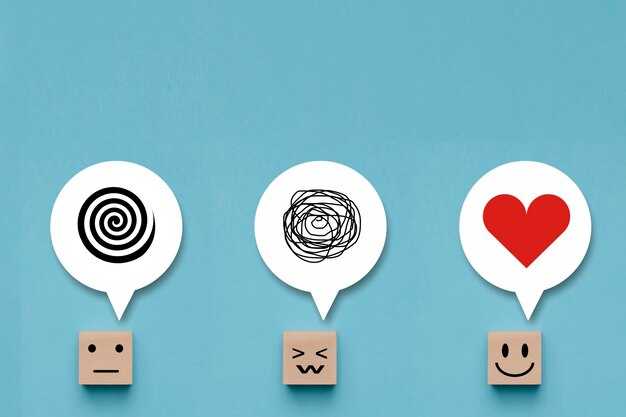 5 Essential Components of Emotional Intelligence to Lead More Effectively">
 15 Signs of Passive-Aggressive Behavior With Examples – How to Recognize and Respond">
 네, 당신은 안전하게 이기적인 사람을 떠날 수 있습니다. 안전하게 빠져나와 자신을 보호하는 방법은 다음과 같습니다.">
 혹시 식사하셨나요? 음식은 최고의 아시아식 애정 표현입니다.">
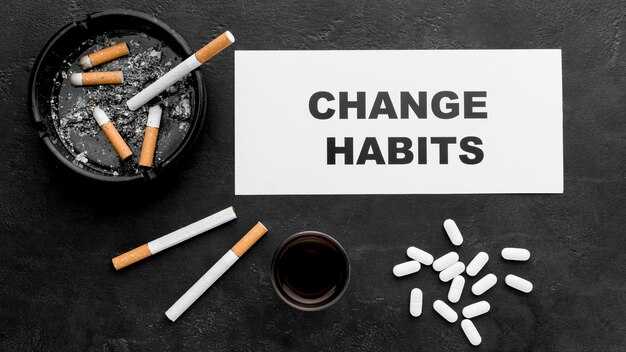 자기 계발 중독될 수 있을까요? 징후, 위험, 그리고 건강한 성장">
 지연을 멈추는 방법: 2분 규칙 – 지금 바로 시작하기 위한 빠르고 실용적인 가이드">
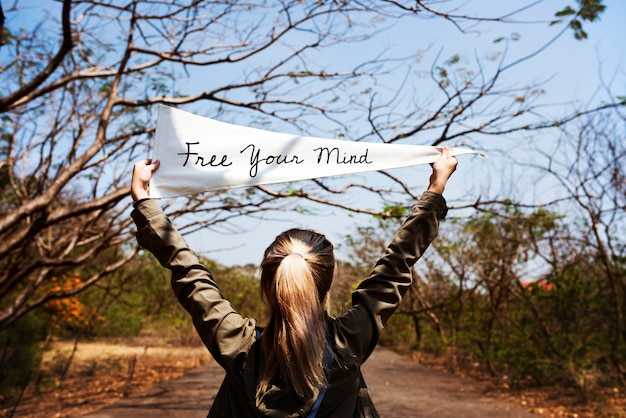 자신에게 삶을 살아갈 수 있는 허락을 주세요 – 프리야 라나 카푸르">
 질투심 vs. 시샘 – 차이가 있을까요? 명확한 가이드">


