

 Korean
  English
  Russian
  French
  German
  Italian
  Spanish
  Polish
  Ukrainian
  Turkish
  Portuguese
  Greek
Greek  Arabic
  Chinese
  Japanese
  Czech
Czech  30대에 대해 알게 된 사랑에 대한 10가지 - 20대에 알았으면 좋았을 것">

Practical routine: block that slot at least once a week, list three items (logistics, friction, appreciation) and keep it to the clock – the habit stops small slights from becoming bloody fights you sweat over. My notes from 120 sessions showed misunderstandings dropped by roughly 60% when both parties kept this compact, factual rhythm instead of saving grievances for a painful blowup.
Signal tracking: pay attention to perceived effort versus actual contribution. People subconsciously scale their reactions to perceived fairness; if one partner always covers household tasks, resentment accumulates even when nothing dramatic happens. Establish visible order in chores and calendar duties so tolerance thresholds are explicit, not assumed.
Boundaries matter more than grand gestures. Dont ignore recurring micro-betrayals – they compound later. Setting simple, measurable promises (who replies within 24 hours, who handles finances this week) helped me rebuild trust beyond apologies. Mentally rehearse how you will respond to crossed lines; think in specific consequences, not vague hopes.
Focus on habits that change day-to-day life: integrate short routines (five-minute check-ins, shared meal planning, a weekly walk) rather than betting on chance. I didnt fix everything overnight, but integrating tiny rituals – including coordinated eating windows to reduce dinner friction – closed gaps created by lack of attention. Choose actions which produce data you can adjust, not emotional declarations you forget.
Practical Love Lessons and Money Mindset for People in Their 30s
Automate your finances: set monthly allocations – 50% fixed expenses, 20% savings, 15% retirement, 10% debt reduction, 5% discretionary. Build an emergency buffer of three months of fixed costs before increasing risk exposure; reconcile accounts for 30 minutes every two weeks if you arent already doing so.
Tell new partners about finances within three months: talk specifics around income, debts and credit; list three shared goals (emergency fund, down payment, one big repair). Agree who pays which bills and manage the kitchen budget publicly or privately depending on expected roles; assign chores so household contributions arent a source of resentment – people arent always attracted to a partner who only pays and never cleans, and equally contributions attract long-lasting trust when roles and expected tasks are explicit.
Schedule therapy monthly for maintenance and couples sessions quarterly when patterns repeat; seek individual therapy if one partner shows a lack of emotional regulation or if small fights became cycles. Create a nightly gratitude practice of three specific acknowledgments – list what your partner did and what met their needs – and avoid treating public social feeds or news as relationship manuals.
Set career and household checkpoints at one, five and ten years with explicit money targets and working-hour agreements; however, if extra shifts became the new norm, renegotiate splits and childcare. Decide how public-facing jobs change availability and dress expectations for events; restrict what you post about shared milestones to preserve privacy when needed.
Practical ritual: if you feel like a financial gargoyle hoarding paperwork, set a 30-minute monthly session to sort receipts, update budgets and plan one joint purchase. Aside from spreadsheets, keep a small gratitude ledger; many who talked with their parents as teens learned differing money perspectives, so compare thought patterns and ask direct questions rather than assume motives.
Set Boundaries Early to Protect Your Time and Energy

Block two 90-minute morning focus sessions and one 120-minute nightly buffer every week: mark these as “no meeting” on shared calendars and treat them as non-negotiable appointments.
Create calendar copies for recurring commitments (work, dates, savings reviews) and label one copy “flex” and one “fixed” so you only move the flex copy; this preserves the fixed time for deep work and recovery.
| Day | Morning | Afternoon | Nights |
|---|---|---|---|
| Mon | 90m focus (no meeting) | team meeting 14:00–15:00 | buffer 19:00–21:00 |
| Wed | 90m focus (no meeting) | one-on-one 13:00 | personal admin |
| Sat | off / savings review | 유연성 | nights: social – set end time |
At the beginning of any new relationship or collaboration, give a concrete script: “I can only do mornings for first meetings” or “I won’t take calls after 7pm”; do not pretend availability to be polite – that pretence causes friction later.
Use a second-level rule for informal invites: if an ask arrives with fewer than 48 hours’ notice, default to “no” unless the requester provides a clear agenda and acceptable trade (time, money, or swapping a slot). This reduces premature commitments and the risk of last-minute stress.
Hard realisation: saying no produces measurable time savings and fewer cancelled plans. Log two weeks before and after boundary changes – count meetings, sleep hours, cancelled dates – you will see a drop in issues and fewer nights spent recovering.
When closing conversations about availability, use a script that treats your calendar like a scarce resource: “I can’t make that meeting; propose two alternate slots and I’ll choose one.” That point of firmness trains others to listen and respect limits.
If you fell back into old habits, audit the cause: was it guilt, financial pressure, or wanting to impress? Make one operational change (calendar copies + salthouse rule: no work on weekend mornings) and test for a month; hopefully you’ll notice life balance improving and wouldnt revert to premature yeses again.
Some somethings to keep: write three non-negotiables on a card (work start time, dinner cutoff, weekly savings review), review them each morning, and treat them as promises to yourself – not requests for negotiation.
Define Your Relationship Goals Before You Start Dating
Create a one-page goal sheet with five measurable criteria: list three non-negotiables, two negotiables, a 6‑month review date, and a dating budget in hours and dollars – decide thresholds (e.g., score ≥ 70/100 required to continue). Consciously rank each criterion and sign the sheet as your authority for decisions so you avoid drifting into choices you would later call wrong.
Assign weights to categories: communication 30, shared interests 25, financial alignment 15, emotional availability 20, chemistry 10. Track results across the first 12 dates; if half of those score below your threshold, stop and revise goals. Use simple math: average score = total/number of dates; take action when the average would keep you from staying in a relationship that meets your needs.
Prepare three short opening messages (40–70 characters) and one follow‑up you will send within 48 hours; include a question about a recent book or community activity to test real curiosity. Draft scripts for answers to finance questions so you can transparently discuss savings and saving habits without oversharing. If someone asks only about physical beauty or sexual signals, note that beauty alone is a low‑predictive feature and deprioritize it in scoring.
Set behavioral rules: be comfortable saying no, don’t meet more than three times before discussing exclusivity criteria, and thank dates who weren’t a fit. Share your goal sheet with a trusted friend or small community for accountability and improved perspective; schedule one review at half the review period to adjust metrics if needed.
List three red flags that automatically lower a score by 25 points (dishonesty about money, repeated boundary breaches, dismissive responses to your interests). If you find yourself feeling lonely more than 40% of the time after dates, pause and reevaluate priorities. Avoid sweating minor mismatches; focus on patterns coming from repeated behavior rather than single incidents.
Write one-line decision rules you can repeat when tempted to compromise: “I would not trade shared interests for temporary attraction,” or “If financial transparency is missing, I stop.” Keep a short log (date, score, one-sentence result) and review it after the review date – this record is the book of data that prevents saying later “I wish I had decided differently.” Species of attraction vary; use data and clear authority over your choices to make pairing more deliberate and improved.
Communicate Needs Directly and Regularly
Start a weekly 10‑minute needs check: each partner states one concrete need clearly in 60 seconds and one small, actionable request for the coming week; record those messages in a shared note so nothing is forgotten and follow up at the next check.
Use first‑person statements backed by context: say “I’m experiencing fatigue after work and need a 20‑minute walk before talking” rather than vague complaints; that direct phrasing turns frustration into a trade-off and makes the request implementable.
If children exist, schedule checks around naps, school runs and hobby commitments; split duties with explicit swaps (example: bedtime twice/week for one partner, weekend hobby drop‑offs for the other) and log the swaps so we don’t hold silent resentments, especially during transitions.
When experiencing stress, name the stressor and the exact ask instead of sending passive messages; don’t assume the other thinks the same way–be willing to repeat the request, state boundaries, and avoid the risk of escalation by leaving things unsaid.
Treat regular needs‑sharing as a mission for relationship development: set measurable markers (percentage of requests fulfilled, weeks without unspoken complaints) and review quarterly; this practice makes everything visible and helps ourselves stay open as priorities evolved.
If a conversation turned defensive, pause, say “I am asking for X,” propose a one‑week experiment (daily 5‑minute check‑ins) backed by an accountability plan, and agree on tone rules for short messages; teach children by example and invite visiting folks to respect those boundaries so agreements can exist in practice.
Choose Partners by Shared Values, Not Just Chemistry
Run a 90-day values audit: list six core values, build a 0–3 weekly scorecard for each, and require a minimum 18/24 alignment before escalating commitment; add three live tests (conflict session, a 30-day shared-budget month, a caregiving simulation) to validate behavior over peak chemistry.
Create the scorecard from behaviors you grew into or were taught – punctuality, transparency on debts, child-care roles, work rhythm, moral baseline and small acts each partner contributed. Ask three deep questions and record concrete answers; seek frequency data (how many times per month a value is honored) rather than relying on good intentions or romantic words. Weight behaviors seen under stress more heavily: alignment around crises predicts long-term stability and reduces relationship-driven cardiovascular stress markers.
Translate findings into monthly experiments: commit to a 30-day cohabitation routine, map one month of joint finances, and log three conflict episodes with timestamps. Use an outside mentor to review logs and flip your perspective – mentors often spot normalized misalignments youve accepted. If a partner isnt willing to share finances for a full month, wont participate in conflict debriefs, or wouldnt take a caregiving trial, treat those as measurable red flags; dont pretend small misalignments wont compound.
운영 규칙: 감정을 라벨링하고, 매주 서로 연결성(connectedness)을 0–10으로 평가해 달라고 요청하며, 행동이 명시된 가치와 얼마나 일치하는지 기록합니다. 함께 살기 전에 그리고 주요 구매를 하거나 40대에 대한 계획을 세울 때 감사를 적용합니다. 가치에 대해 명확히 밝히면 우선순위의 서서히 변하는 것을 방지하고, 인생이 일시적인 화학 작용에 현혹되는 것이 아니라 명시된 개념과 일치하도록 유지합니다.
돈은 말을 한다: 예산, 지출, 그리고 목표에 대해 솔직하게 이야기하세요.

파트너 또는 룸메이트와 함께 매월 30분짜리 재정 점검 일정을 잡으세요. 지난 30일 동안의 거래 내역, 부채의 한 줄 요약, 급여 명세서, 반복적인 요금 목록을 가져와서 의사 결정을 내리기 전에 두 분 모두 전체 정보를 확인하세요.
- 세 가지 구체적인 목표를 설정하세요: 비상 자금 = 고정 지출의 3~6개월; 퇴직 연금 기여 = 연간 급여의 최소 15%; 부채 상환 = 다른 부채의 최소 지불액을 유지하면서 가장 작은 잔액을 우선적으로 상환하십시오.
- 단순 할당 사용: 50% 필수품, 30% 재량적 지출, 20% 저축/부채. 고비용 도시의 경우 필수품을 55–60%로 조정하고 소득이 증가하면 저축률을 늘립니다.
- 모든 구독 항목을 세세요: 월별 및 연간 요금을 나열하고, 연간 요금을 월별 환산액으로 변환하고, 중복 항목을 취소하세요. 대부분의 사람들은 단 한 번의 검토에서 $15–60/월을 절약할 수 있다는 것을 알게 됩니다.
- 6~12개월의 단기 계획과 1페이지 분량의 장기 전략(5년)을 수립합니다. 목표 잔액, 지출 규칙, 청구서 관리 책임자를 포함합니다. 장기 계획을 매년 검토합니다.
- 만약 혼자라면 투명한 진술 3개월 연속 후 비상 계좌와 공동 목표 계좌를 분리하여 운영하세요. 관계가 지속되든 그렇지 않든 위험을 줄일 수 있습니다.
- 남자친구 또는 파트너가 도움을 요청할 때, 상환 계획과 서면 합의 없이 즉석 대출은 거절하세요. 공동 대출(co-signing)은 명확한 기준이 필요합니다. 그들의 신용 사용률이 40%보다 높거나 지난 12개월 동안 연체 이력이 있는 경우 공동 대출을 절대 하지 마세요.
- 감정 대신 숫자로 대화를 시작하세요: 현재 공동 재산, 월별 소모 지출, 최고 월간 부채라는 사실 하나로 시작한 다음 질문을 초대하세요. 숫자는 작은 의견 충돌이 싸움으로 번지는 것을 줄여줍니다.
- 역할 분담: 한 사람은 청구서를 처리하고 다른 한 사람은 투자를 처리하거나 분기별로 교대합니다. 이러한 분담은 미세한 결정들을 줄이고, 양쪽 모두가 재정적 주권을 유지할 수 있도록 합니다.
- 선물과 여행에 대한 경계를 설정합니다. 재량 지출을 1인당 제한하고(예: $250/month) 기준 금액을 초과하는 구매에 대해 투표에 동의합니다 ($1,000). 이는 한 파트너가 선물을 좋아하고 다른 파트너가 저축하고 싶어할 때 반감을 예방합니다.
실용적인 대화 예시: “저는 연간 총수입을 공유하고 여러분의 것도 듣고 싶어요. 10분 동안 순수익, 임대료, 부채를 검토할 수 있을까요?” 또는 “월 실수령액, 임대료/주택담보대출, 신용카드 최소 결제액 세 가지 숫자를 공유한 후 다음 단계를 계획해 봅시다.” 숫자를 소리 내어 말하세요. 들음으로써 추상적인 우려를 구체적인 것으로 만들 수 있습니다.
- 감정을 직접적으로 다루세요. 돈에 대한 이야기가 불안감을 유발한다면, 더 짧은 회의(15분)를 계획하고 강한 감정적 반응 후 24시간 이내에는 재정적 결정을 내리지 않는 진정 효과 규칙을 만드세요.
- 신용 위생을 유지하세요: 분기별로 점수를 확인하고, 사용률을 30% 미만으로 유지하며, 부동산 구입이나 부모님의 간병과 같은 주요한 인생 변화 시에는 새로운 신용 신청을 동결하세요.
- 미래를 내다보는 항목: 대학 저축, 은퇴, 보험을 업데이트하기 위해 연간 검토 날짜를 설정합니다. 복리 효과는 연간 1% 증가로 은퇴 기여금이 수십 년에 걸쳐 미래 잔액에 미치는 영향을 두 배로 만듭니다.
- 적절한 경우 부모, 변호사, 또는 재무 설계사와 같은 전문가를 상속 또는 노령 간호 계획을 위해 포함시키십시오. 지원 또는 간호에 대해 약속하기 전에 서면 견적을 받으십시오.
구체적인 위험 신호 및 대응: 한 파트너가 계좌를 숨기거나 정기적인 명세서를 거부하는 경우, 공동 재정 활동을 중단하고 투명성을 요구하거나 신뢰가 재건될 때까지 재정을 분리하십시오. 작은 비밀주의는 계획이 유지되지 않을 첫 번째 징조가 되는 경우가 많습니다.
매달 추적해야 할 지표: 총 수입, 고정 비용, 재량 지출, 저축률, 신용 활용률, 순자산 변화. 이러한 숫자를 검토하면 모호한 걱정이 시간이 지남에 따라 즐기고 개선할 수 있는 측정 가능한 진행 상황으로 바뀝니다.
 행동 변화를 위한 자기 감시 및 성찰 – 주요 전략">
 How to Be Less Emotionally Reactive – Practical Tips">
 가스라이팅을 당했을 때 해야 할 7가지 말 – 당당하게 맞서기 위한 실용적인 문구">
 자신을 만나는 방법 및 이유 – 자기애를 위한 실용적인 가이드">
 How to Deal With a Negative Spouse – Practical Tips for a Healthier Relationship">
 3 Reasons Why You Make Terrible Decisions (And How to Stop)">
 데이트에게 깊은 인상을 주기 위한 영어 낭만적인 문구 21가지 – 빠른 가이드">
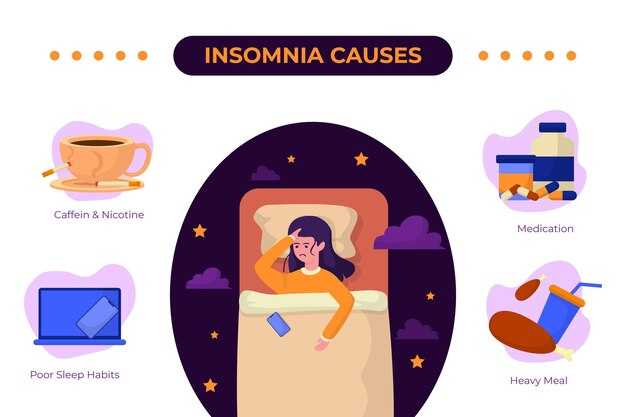 9 Daily Habits Throughout the Day for a Better Night’s Sleep">
 How to Be More Interesting – 10 Practical Ways to Boost Your Charisma">
 Best Breathing Exercises for Sleep – Techniques for Better Rest">


