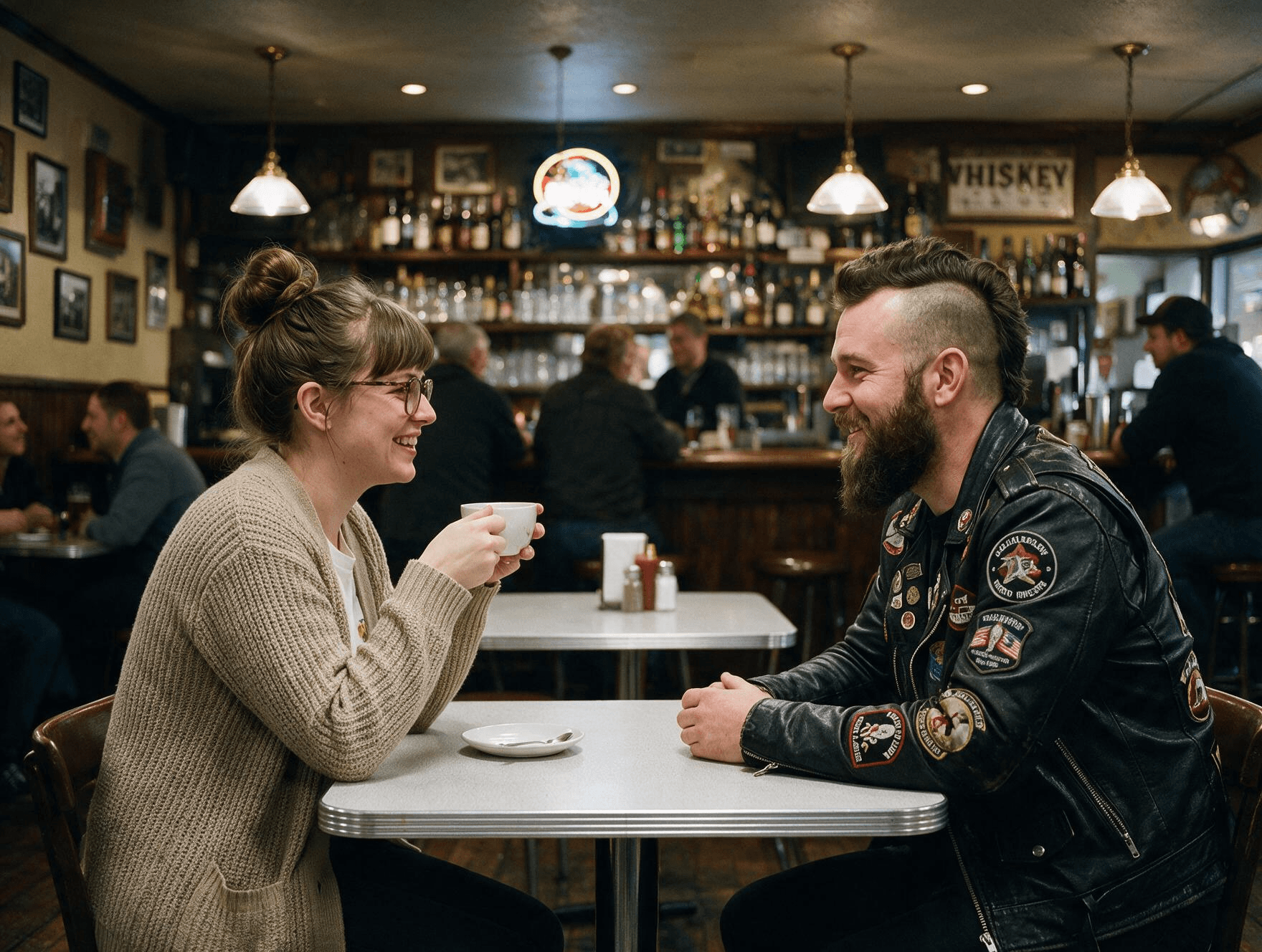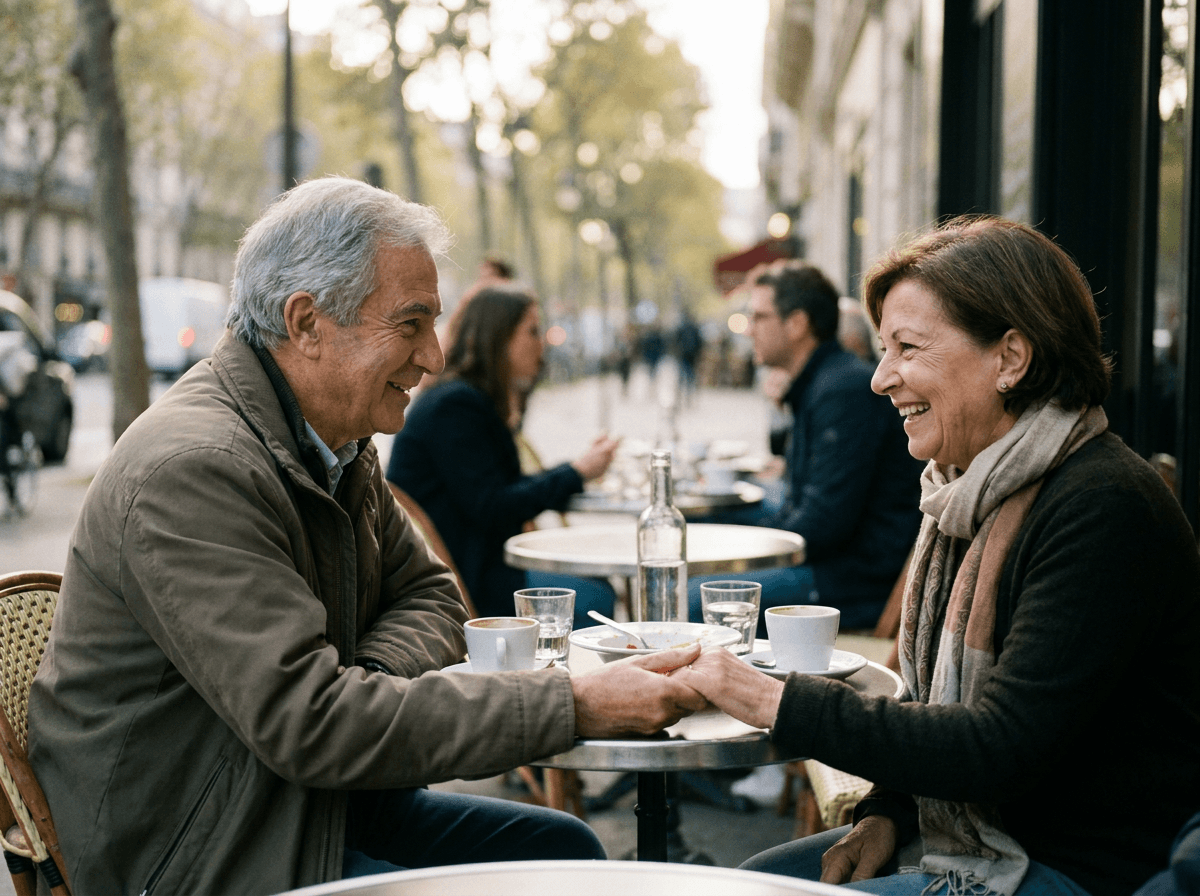
There is a version of the narrative about dating after 50 that focuses on what is lost. The opportunities that narrowed. The pool that shrunk. The complications of children, ex-partners, settled habits, and a life already substantially built. That narrative is not entirely wrong. Starting over in the second half of life does carry complications that younger dating does not. But it is only half the picture — and arguably the less interesting half. The upsides of late-life romance are real, specific, and considerably less discussed than the challenges. Understanding what they are, and why they tend to surprise the people who discover them, offers a more accurate and more useful picture of what dating again after 50 actually involves.
The Self-Knowledge That Comes With Time
One of the most significant upsides of late-life romance is the self-knowledge that decades of lived experience produce. People dating again after 50 tend to know themselves in ways that people in their twenties genuinely do not. That self-knowledge changes the dating experience in specific and significant ways.
By later life, most people have a reasonably clear picture of what they actually need in a relationship. What they can genuinely offer. What dynamics tend to produce difficulty for them. They have been through enough. Enough relationships, enough experiences, enough periods of reflection — to have developed a working understanding of their own patterns. They know, with much more certainty than younger daters, which qualities in a partner matter to them and which they can flexibly accommodate.
This self-knowledge makes the process of assessing compatibility considerably more efficient. The person who knows themselves well is less likely to invest sustained time in a connection that cannot deliver what they actually need. They identify the mismatch earlier and more clearly. They are also less likely to perform a version of themselves for a potential partner. The self-knowledge that comes with age tends to produce a more settled relationship with who they are.
The Clarity About What Matters
Related to self-knowledge but distinct from it is the clarity about what matters that tends to develop in later life. People dating again after 50 typically have a much clearer sense of their actual priorities. That clarity tends to make the dating process both more focused and more honest.
In earlier life, dating often involves a complex mixture of genuine desire and social performance. What the person actually wants and what they think they should want. What feels genuinely attractive and what fits the version of attractiveness their social world reinforces. These can be genuinely difficult to disentangle. By later life, much of this complexity tends to have resolved. The person starting over after 50 has usually developed a clearer, less socially mediated relationship with what they find genuinely compelling in another person.
This clarity also tends to produce a different approach to early conversations. Mature daters are less likely to avoid important topics in the early stages of a potential relationship. They have learned, through experience, what the cost of deferring those conversations tends to be. They raise questions about values, about what each person is looking for, about the basic orientation of both people — earlier and more directly than their younger counterparts.
The Emotional Resources of Lived Experience
Late-life romance benefits from something that younger relationships often lack: the emotional resources that come from having navigated significant difficulty. People who have loved, lost, grieved, and continued tend to bring a specific quality of emotional resilience and perspective to new relationships. This quality is genuinely different from what younger people, however capable, can typically offer.
This resilience shows up in specific ways. The person who experienced significant loss tends to have a more accurate and less idealized relationship with what relationships are actually like. Not the sustained high of early romance. The ordinary texture of genuine partnership — with its inevitable difficulties and disappointments. They have a lower likelihood of being destabilized by the ordinary challenges of a developing relationship. They encountered greater challenges and survived them.
The perspective that comes from later life also tends to produce a specific quality of appreciation for what is good in a relationship rather than focusing primarily on what is not ideal. The person dating again after 50 has usually developed a more nuanced relationship with the concept of the perfect partner. They tend to value what is genuinely present rather than measuring against an idealized standard that no actual person can meet.
The Freedom That Later Life Can Offer
One of the less-discussed pros of late-life romance is the specific freedom that later life can provide. By after 50, many people have moved through the life stages that earlier dating occurred within — the establishment of careers, the raising of children, the building of a domestic life from scratch. The relationship they seek in later life does not need to bear the same weight of life construction that earlier relationships often carry.
This tends to make dating again after 50 considerably lighter and more genuinely pleasurable than earlier dating often was. Both people may already have stable lives, established friendships, financial independence, and a clear sense of who they are and what they want. A new relationship can be sought for what it genuinely provides — companionship, intimacy, joy, genuine connection — rather than as part of a broader project of life-building that either person needs the relationship to fulfill.
There is also a specific freedom that can come from the reduced social pressure that later life dating tends to involve. The timeline pressure that younger people often experience — the need to find the right person at the right time in order to have children, to establish the life structure that social norms expect — tends to be considerably less present in dating after 50. The person starting over in later life can approach the process at their own pace, for their own reasons, on their own terms.
The Specific Challenges That Are Also Real
Late-life romance is not without its genuine complications, and a complete picture requires acknowledging them.
The most commonly discussed challenge involves the complexity of established lives — the adult children, the ex-partners, the deeply entrenched habits and preferences that decades of independent life produce. Two people over 50 who come together are not building a shared life from scratch. They are negotiating the integration of two substantially built lives. Each brings its existing commitments, relationships, and patterns. That negotiation requires a different approach than younger couples face.
The practical realities of health and time also enter the picture in ways they typically do not for younger couples. Dating again in later life means dating people who may already manage health challenges. Whose life circumstances may be more constrained by physical reality. Who have a shorter horizon over which a shared life extends. These are real considerations. Mature daters tend to approach them more honestly than younger people approach their own constraints — but that honesty does not make the considerations disappear.
Conclusion
Starting over after 50 is not the diminished version of romantic life that the cultural narrative sometimes suggests. It is a different version — with its own specific challenges and its own specific and genuinely surprising upsides.
The self-knowledge, the clarity about what matters, the emotional resources of lived experience, and the specific freedom that later life can provide tend to make late-life romance considerably richer and more honest than its earlier counterparts. Not despite the complications that starting over brings. Often, in part, because of what those complications required each person to learn.
The person who finds genuine connection in later life tends to bring more of themselves to it. And more of oneself — with fewer illusions and clearer priorities — turns out to be one of the more valuable things that love can have access to.