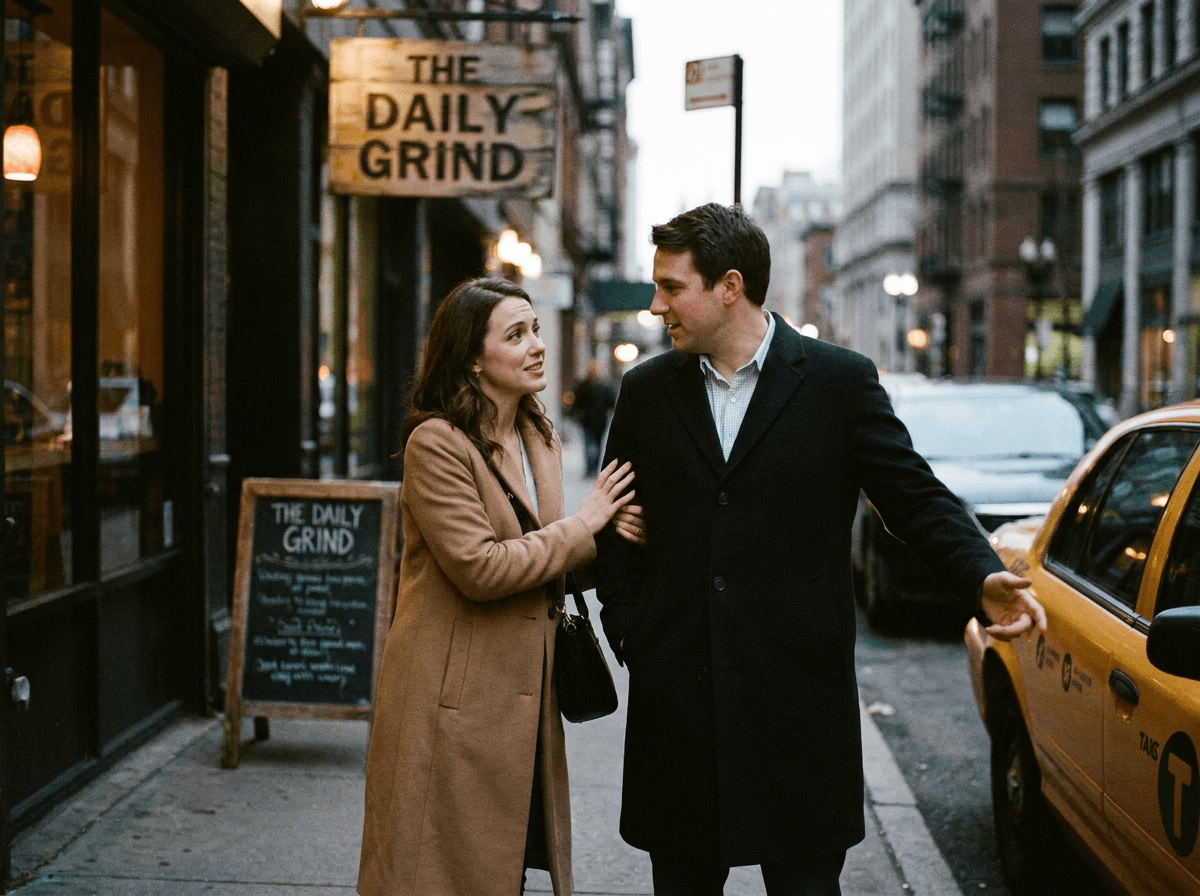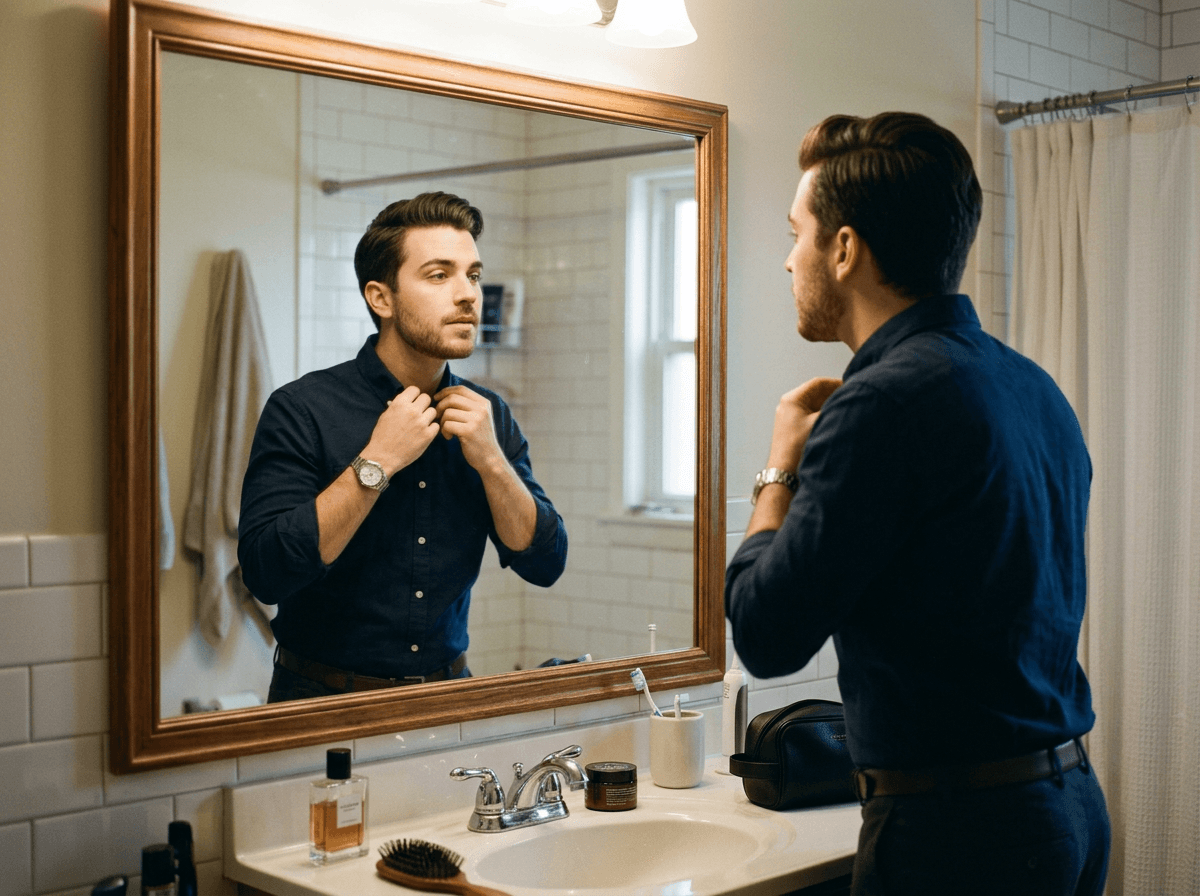
The pressure to perform in modern dating has become a defining emotional challenge for many people navigating relationships today. From first messages on dating apps to early in-person meetings, individuals often feel they must present a flawless version of themselves.
This pressure to perform in modern dating is not just about appearance or social skills. It reflects deeper psychological patterns shaped by expectations, competition, and fear of rejection. Many people feel they must constantly perform well to be accepted or desired.
Over time, this mindset can create stress, self-doubt, and emotional exhaustion. Understanding the pressure to perform in modern dating helps explain why so many people feel overwhelmed by even simple dating interactions.
This article explores why the pressure to perform in modern dating exists, how psychology plays a role, and what individuals can do to build more authentic connections.
Pressure to Perform in Modern Dating: What It Really Means
The pressure to perform in modern dating refers to the feeling that one must always appear attractive, interesting, and socially perfect. It is a constant awareness of being evaluated.
Many people feel they must maintain a “perfect picture” of themselves during interactions. This includes how they speak, look, and respond. Any mistake can feel like failure.
This pressure to perform in modern dating often begins before any real connection forms. Online profiles, curated photos, and short bios encourage a performance-based mindset.
Instead of focusing on genuine interaction, individuals may focus on managing impressions. This creates emotional strain and reduces authenticity.
Why Pressure to Perform Is So Common in Modern Dating
The pressure to perform in modern dating is widespread due to how dating has changed. Digital platforms encourage fast judgments and constant comparison.
People are often exposed to many potential partners at once. This creates subtle competition, even if it is not openly acknowledged.
Psychology suggests that humans naturally seek approval. In dating environments, this becomes amplified. Individuals feel they must “win” attention through performance.
Expectations also play a role. Many people feel they must meet invisible standards of attractiveness, confidence, and emotional intelligence.
As a result, pressure to perform in modern dating becomes a shared experience across different age groups and backgrounds.
The Psychology Behind Pressure to Perform
Psychology helps explain why the pressure to perform in modern dating feels so intense. At its core, it is linked to fear of rejection.
When people believe they are being evaluated, they naturally try to control how they are perceived. This creates performance-based behavior.
Negative thoughts also play a role. Many individuals assume that one mistake will lead to rejection. This increases anxiety and overthinking.
Self-doubt further strengthens the cycle. People question their worth and try to compensate through performance rather than authenticity.
In some cases, performance becomes automatic. Individuals begin to act in ways they think are expected, rather than expressing their real personality.
How Pressure to Perform in Modern Dating Affects Behavior
The pressure to perform in modern dating influences how people act in early interactions. Many individuals become overly cautious or overly polished.
Instead of natural conversation, interactions may feel rehearsed. This reduces spontaneity and emotional connection.
Some people may also overcompensate by trying to appear more confident or successful than they feel. This creates emotional distance.
Performance-based behavior can also lead to burnout. Constantly managing impressions is mentally exhausting.
Over time, individuals may feel disconnected from their own identity in dating situations.
Emotional Consequences of Pressure to Perform in Modern Dating
The pressure to perform in modern dating often leads to emotional stress. People may feel anxious before dates or interactions.
This anxiety is usually linked to fear of failure. The idea of not being “enough” can feel overwhelming.
Self-doubt becomes more common. Individuals may replay conversations and question their behavior after interactions.
In some cases, people begin to avoid dating altogether. The emotional cost of performance feels too high.
This avoidance can reduce opportunities for connection and increase loneliness.
Pressure to Perform in Modern Dating and the Role of Social Media
Social media intensifies the pressure to perform in modern dating. Platforms encourage curated versions of life and relationships.
People compare themselves to idealized images of others. This reinforces the idea that they must also present a perfect picture.
Dating apps contribute to this dynamic. Profiles often highlight the best possible version of a person, not their full reality.
This creates unrealistic expectations in dating interactions. Individuals feel they must match or exceed these curated images.
As a result, performance becomes a default mode of interaction.
How Pressure to Perform in Modern Dating Impacts Relationships
The pressure to perform in modern dating can affect how relationships begin and develop. Early interactions may lack authenticity.
When both individuals are performing, genuine connection becomes harder to establish. Conversations may feel surface-level.
Over time, this can affect relationship satisfaction. Partners may realize they connected with an image rather than a real person.
Performance also limits vulnerability. Without vulnerability, deeper emotional connection is difficult to build.
In some cases, relationships formed under high performance pressure struggle to develop long-term stability.
Breaking Free from Pressure to Perform in Modern Dating
Reducing the pressure to perform in modern dating requires awareness and intentional change. The first step is recognizing when performance is happening.
Individuals can begin by focusing on presence instead of perfection. This means engaging in conversations without trying to control every impression.
Accepting imperfection is also important. Small mistakes do not define worth or compatibility.
Building self-awareness helps reduce reliance on external validation. When people understand their own value, performance becomes less necessary.
Over time, this shift allows for more natural and relaxed interactions.
Building Authentic Connection in Modern Dating
Authenticity is the key to overcoming the pressure to perform in modern dating. Real connection forms when people show their true selves.
This includes expressing genuine thoughts, emotions, and interests. It also means allowing space for imperfection.
When individuals stop trying to perform well, conversations often become more meaningful.
Authentic interaction reduces anxiety and increases emotional comfort.
Instead of focusing on performance, individuals can focus on connection.
Practical Ways to Reduce the Pressure
There are several practical steps to reduce the pressure to perform in modern dating.
First, slow down interactions. Taking time reduces impulsive performance behavior.
Second, limit comparison. Avoid comparing yourself to curated images or profiles.
Third, focus on curiosity rather than evaluation. This shifts attention away from performance and toward genuine interest.
Finally, practice self-compassion. Remind yourself that dating is a process, not a test.
These steps help reduce emotional pressure and encourage healthier dating experiences.
Conclusion
The pressure to perform in modern dating is a widespread and complex experience shaped by psychology, expectations, and digital culture. It affects how people present themselves, how they connect, and how they experience relationships.
While performance may feel necessary, it often creates stress, self-doubt, and emotional distance. Over time, it can prevent genuine connection from forming.
By understanding the pressure to perform in modern dating, individuals can begin to shift away from perfection and toward authenticity.
Ultimately, meaningful relationships are not built on performance. They are built on honesty, presence, and the courage to be real.