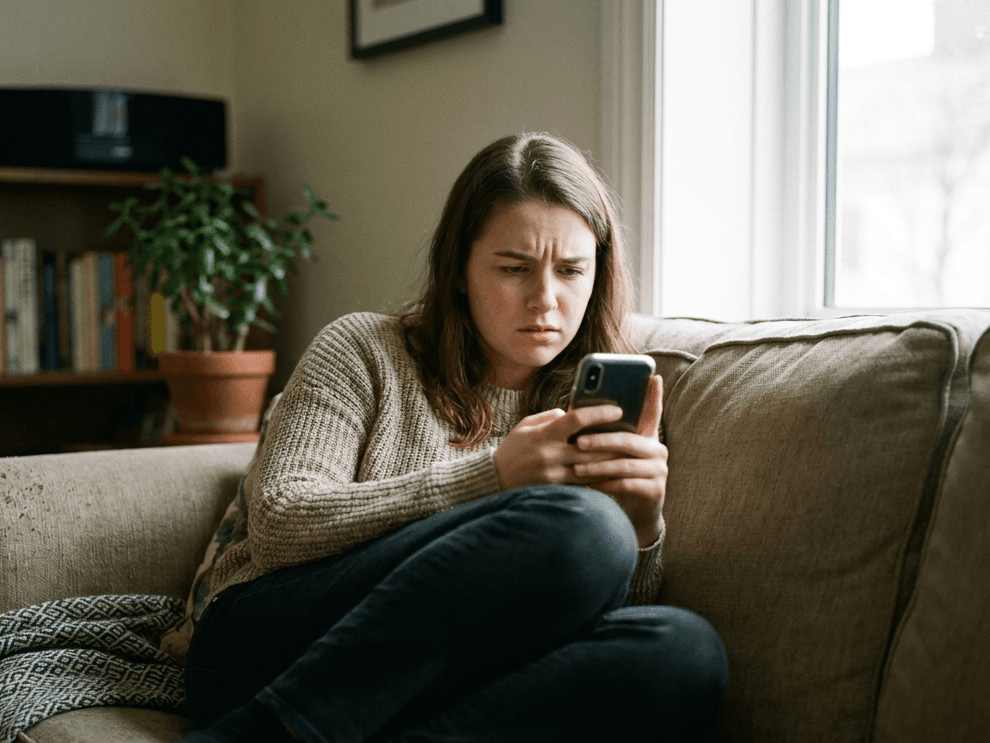
You have barely sat down. The menus have not arrived. And already, your date has checked their phone twice. It feels like a small thing. It is not. How someone handles their phone during a date reveals a surprising amount about their emotional availability, their values, and the level of respect they bring to other people. Learning to read these signals clearly — without overreacting to them — is one of the more useful skills in modern dating.
The Phone as a Window Into Someone's Priorities
A phone is not just a device. It is a window into how someone manages attention, handles discomfort, and weighs competing demands on their time. In a date setting, where two people are voluntarily spending time together to build a connection, phone behavior becomes particularly revealing.
Someone who places their phone face-down on the table and leaves it there is making a statement. They are saying, without words, that this interaction matters more than whatever else might be happening online. That gesture communicates respect — for your time, for the conversation, and for the potential between you.
Someone who keeps their phone face-up, glancing at every notification, communicates something different. It does not necessarily signal disinterest. But it does suggest that the pull of the digital world competes with the pull of the person in front of them. For many people, that habit is unconscious. Understanding it as a signal, rather than a verdict, is the more accurate and fair interpretation.
What Constant Phone Checking Actually Signals
Frequent phone checking during a date rarely means someone is simply busy. Most people, when they genuinely want to be somewhere, find a way to be present. Compulsive phone use tends to signal one of a few things — and distinguishing between them matters.
Anxiety is one common driver. Some people reach for their phone during social situations the way others reach for a drink — as a self-soothing mechanism. For these people, phone use is less about disinterest and more about discomfort with silence, vulnerability, or the unfamiliar intensity of a first meeting.
Habit is another factor. Phones are designed to be addictive. The pull of notifications, social media updates, and incoming messages is genuinely hard to resist for many people — not because they lack respect for the person in front of them, but because the habit runs deep. This is worth distinguishing from intentional dismissiveness.
Genuine disengagement is the third possibility. When phone checking increases as a date progresses — rather than tapering off as comfort builds — it tends to reflect a waning interest rather than pre-existing anxiety. Watching the arc of phone use over the course of a date often tells you more than any single instance.
The Respect Signal: How Phone Boundaries Reflect Character
Respect in dating is expressed through dozens of small behaviors. Phone etiquette is one of the clearest. The decision to put a phone away — or not — during shared time reflects how someone values the presence of the people they are with.
People who set clear phone boundaries in social settings tend to bring that same intentionality to their relationships more broadly. They show up on time, follow through on what they say and make the people around them feel seen. None of these qualities are guaranteed by a single date's phone behavior — but the correlation is meaningful enough to pay attention to.
The reverse also holds. Someone who takes calls without apology, scrolls during pauses in conversation, or narrates their phone activity rather than engaging with you is demonstrating a pattern. Whether that pattern is self-awareness or a lack of it matters less than the effect it creates — and the effect is a weakened bond before one has had the chance to properly form.
When Phone Use Is Genuinely Acceptable
Not all phone use during a date signals disrespect or disinterest. Context matters, and applying a rigid standard misses important nuance.
Someone who mentions at the start of a date that they are waiting on an urgent call — a family situation, a work deadline — and then keeps their phone nearby accordingly is being considerate, not rude. The acknowledgment itself is a form of respect. It invites the other person into the context rather than leaving them to interpret the behavior alone.
Shared phone use is different too. Showing someone a photo, looking something up together, or navigating to the next location are all collaborative uses of a phone that can actually strengthen connection rather than interrupt it. The distinction is whether the phone brings two people together or pulls one person away.
The telling question is not whether a phone appears during a date. It is whether its use is conscious and considerate — or reflexive and self-absorbed. That distinction separates a small habit from a meaningful character signal.
What Your Own Phone Behavior Communicates
This conversation works in both directions. What someone else's phone behavior tells you about them is only half the picture. What your own phone behavior communicates to them is equally worth examining.
Most people underestimate how visible their phone habits are. A date who watches you check your phone repeatedly receives a message whether you intend to send one or not. That message is about where they rank in your attention — and people are remarkably good at reading that signal, even when they say nothing about it.
Putting your phone away at the start of a date is one of the simplest ways to signal genuine interest. It costs nothing. It requires no special skill. And it communicates, clearly and immediately, that the person in front of you has your full attention. In an age of constant digital distraction, that kind of presence is increasingly rare — and increasingly valued.
Choosing to be fully present also changes the quality of the conversation. When neither person is half-attending to a screen, the exchange deepens faster. Eye contact holds longer. Silences feel comfortable rather than awkward. The conditions for real connection become available in a way that divided attention simply does not allow.
Conclusion
Someone's relationship with their phone on a date is not a trivial detail. It is a behavioral signal that reflects their capacity for presence, their level of respect for other people's time, and their awareness of how their habits land with those around them.
Reading that signal clearly — without catastrophizing a single glance or excusing a pattern of disengagement — requires the same judgment that good dating always demands. Pay attention to the arc, not just the moment. Notice whether phone behavior reflects anxiety, habit, or genuine disinterest. And hold yourself to the same standard you apply to others. Presence, offered freely and consistently, remains one of the most powerful things two people can give each other.