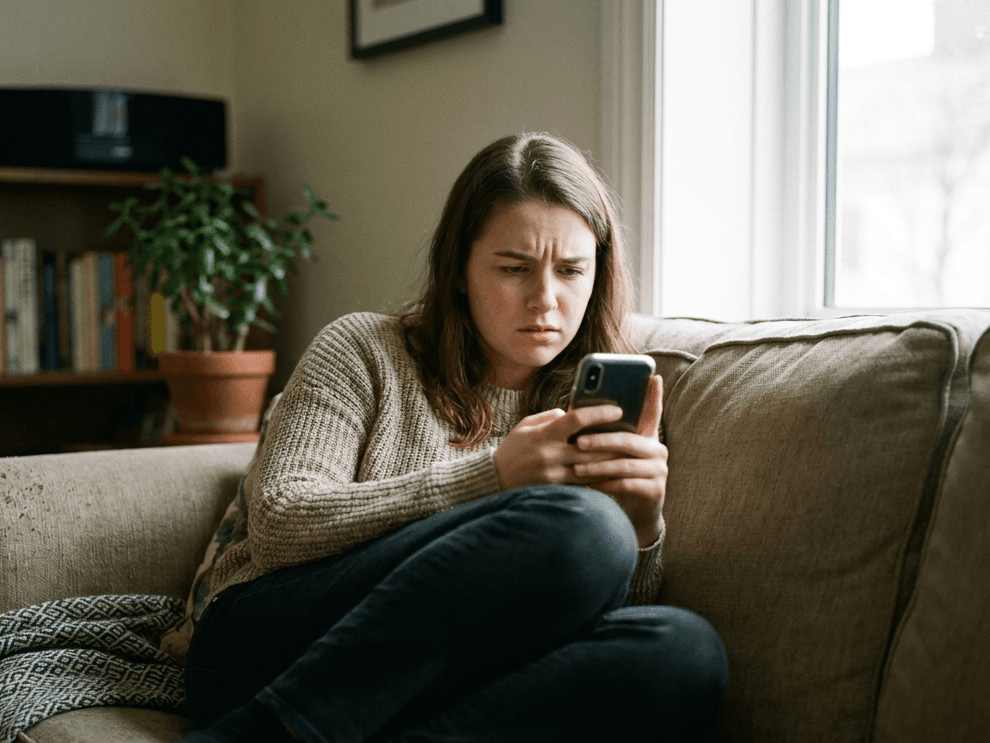
There is a story that many people tell about their romantic life. They have tried, they have hoped, they have invested genuinely in people who were not right for them. And it simply has not worked out. They have been unlucky in love. The phrase is useful because it removes the question of cause. Luck is random, external, and beyond personal control. If the problem is luck, there is nothing to examine.
But when the same endings keep happening — the same kind of person, the same kind of dynamic, the same kind of heartbreak — luck becomes less and less convincing. What looks like bad luck in love is often a pattern. And patterns, unlike luck, have causes that are worth understanding.
What "Unlucky in Love" Is Often Protecting
The belief that one is unlucky in love is rarely a neutral factual claim. It is usually a protective narrative. One that shields a person from a more uncomfortable question: what role, if any, am I playing in how my relationships unfold?
This is not about guilt. The point of examining the pattern is not to assign blame — especially not self-blame, which tends to produce shame rather than insight. The point is to understand that romantic outcomes are not simply things that happen to people. They are also produced, in part, by the choices people make and the partners they select. By the way they behave in relationships. And by the unconscious beliefs they bring about what they deserve and what love looks like.
If those beliefs and behaviors remain unexamined, they tend to reproduce the same outcomes. Different people, same dynamic. Different circumstances, same ending. Never by design — but consistently by pattern.
The Most Common Patterns Behind "Bad Luck in Love"
Several recurring patterns consistently produce the experience of being unlucky in love. They are worth naming specifically, because naming them is the first step toward disrupting them.
The first is the consistent selection of emotionally unavailable partners. People who have learned that love is something you pursue and earn rather than something you receive tend to be drawn to unavailable people. The unavailable person — emotionally distant, commitment-averse, inconsistent — activates the familiar feeling of needing to work for love. When the relationship fails, it looks like bad luck. But the person was chosen, however unconsciously, precisely because they reproduced a familiar dynamic.
The second is premature investment in people before they have demonstrated sustained compatibility. Some people fall in love with potential rather than with demonstrated reality. They see who someone could be — or who they are in their best moments — and build genuine attachment to that version. When the fuller, more complicated reality eventually emerges, the gap between the imagined person and the actual one feels like betrayal. As it always does. It was not. It was premature investment in an incomplete picture.
The third is a pattern of exiting relationships before they deepen. Some people approach relationships with genuine interest and then find reasons to withdraw when real closeness begins to develop. Particularly those with avoidant attachment tendencies. The withdrawal protects against vulnerability. But it also ensures that no relationship gets the chance to become what it might have been. From the outside, this looks like a long string of connections that never quite worked out. From the inside, it looks like bad luck.
A fourth pattern involves the person's belief about what they deserve. Someone who carries a deep conviction that they are fundamentally not worth loving will often behave in ways that confirm that belief. Without any conscious intention. They may choose partners who treat them poorly because poor treatment feels familiar and appropriate. They may undervalue or overlook the people who treat them well because kindness does not match their internal model of love. They may sabotage relationships that are going well because their worthiness of good things does not yet feel real.
Why These Patterns Are Invisible From the Inside
The reason these patterns persist is not that the person lacks intelligence or care. It is that patterns, by definition, feel normal from within. They are the baseline against which everything is compared. The nervous system experiences the familiar as natural — not because it is good, but because it is known.
This is particularly true of patterns rooted in early relational experience. A person who grew up where love was conditional, volatile, or unavailable will orient, as an adult, toward dynamics that replicate that emotional texture. Not because they want to be unhappy. But because their nervous system has learned that this is what love feels like. The healthy, stable, consistently available person can seem flat or uninteresting. The unavailable, unpredictable person activates something that feels like passion or aliveness. Happiness, in those circumstances, does not feel like home.
The discomfort with examining the pattern is also understandable. It requires the person to look honestly at their own contributions — their choices, their behaviors, their beliefs — rather than at external factors. This can feel threatening to friendships and to the story someone has built about their life. People in their social circle may have absorbed the unlucky narrative too, which makes revising it feel socially complicated.
How to Begin Examining the Pattern
The examination begins not with dramatic self-recrimination but with curiosity. The useful questions are not "What is wrong with me?" but "What is the pattern?" — and "What is it serving?"
Look across your relationship history with genuine interest rather than judgment. What do the people you have been most drawn to have in common? What qualities consistently attracted you? What were the recurring points of failure? Where did the dynamic that ended the relationship first become visible? Were the signs present earlier than you recognized at the time?
A therapist familiar with attachment theory can help identify and disrupt these patterns in ways that self-examination alone rarely achieves. The pattern was built in relational context. It tends to shift most effectively in relational context. In a setting where a consistent, honest, attuned other person reflects back what they observe.
What Changes When You Recognize the Pattern
Recognizing that what felt like luck is actually a pattern does not immediately change anything. It does not undo past hurt. It does not make the next date automatically successful. But it fundamentally changes the frame.
Once the pattern is visible, the person can make different choices. They can notice when they are attracted to someone who reproduces a familiar but unhealthy dynamic. And choose to stay curious rather than simply following the pull. They can extend more genuine attention to the people who are consistently available and kind. Who may never have activated the old feeling of pursuit and uncertainty — but who offer something more worth having.
The recognition also changes the relationship with heartbreak. A painful ending, seen through the lens of pattern rather than luck, becomes information rather than verdict. It shows where the pattern was still operating. And that information, used honestly, can move the next relationship in a genuinely different direction.
Luck Is Not the Problem
The phrase "unlucky in love" is kind to the person who uses it. It protects them from a harder truth. That their experience of bad luck in love may be, in significant part, a product of patterns they have not yet examined.
Examining those patterns is not about self-punishment. It is about freedom. The freedom that comes from understanding that the romantic life you have is not simply a product of what has been assigned to you. It is, in part, a product of choices that can be made differently. That recognition, however uncomfortable it initially feels, is the beginning of actual change rather than continued waiting for the luck to turn.