French
  English
  Russian
  German
  Italian
  Spanish
  Polish
  Ukrainian
  Turkish
  Portuguese
  Greek
Greek  Arabic
  Korean
  Chinese
  Japanese
  Czech
Czech 

Effective communication in a relationship is the foundation of connection, trust, and long-term satisfaction. Couples who communicate effectively are better equipped to navigate conflicts, express emotions, and understand each other’s needs. Without strong communication, misunderstandings can accumulate, leading to frustration, resentment, and emotional distance.
Effective communication is more than simply talking. It involves active listening, expressing thoughts clearly, understanding nonverbal cues, and practicing empathy. Developing effective communication skills helps partners maintain emotional intimacy and strengthens the overall bond.
This article explores what effective communication in relationships looks like, the essential skills involved, and strategies to develop clear and meaningful dialogue with your partner.
What Does Effective Communication Look Like?
Effective communication in relationships combines clarity, active listening, empathy, and consistency. Couples who communicate effectively share thoughts, feelings, and needs openly while respecting each other’s perspective.
Clarity and Transparency
Clear communication ensures that both partners understand each other’s intentions and messages. It reduces misunderstandings and provides a foundation for resolving conflicts. Partners who practice clear communication avoid vague statements and express their needs directly.
For example, instead of saying, “You never help around the house,” a more effective approach would be, “I feel overwhelmed when household tasks pile up. Can we create a plan to share responsibilities?” This example highlights clarity and specificity, which are central to effective communication.
L'écoute active
L'écoute active is a core component of effective communication. It involves fully focusing on your partner, acknowledging their message, and responding thoughtfully. Rather than planning your reply while your partner speaks, active listening prioritizes understanding.
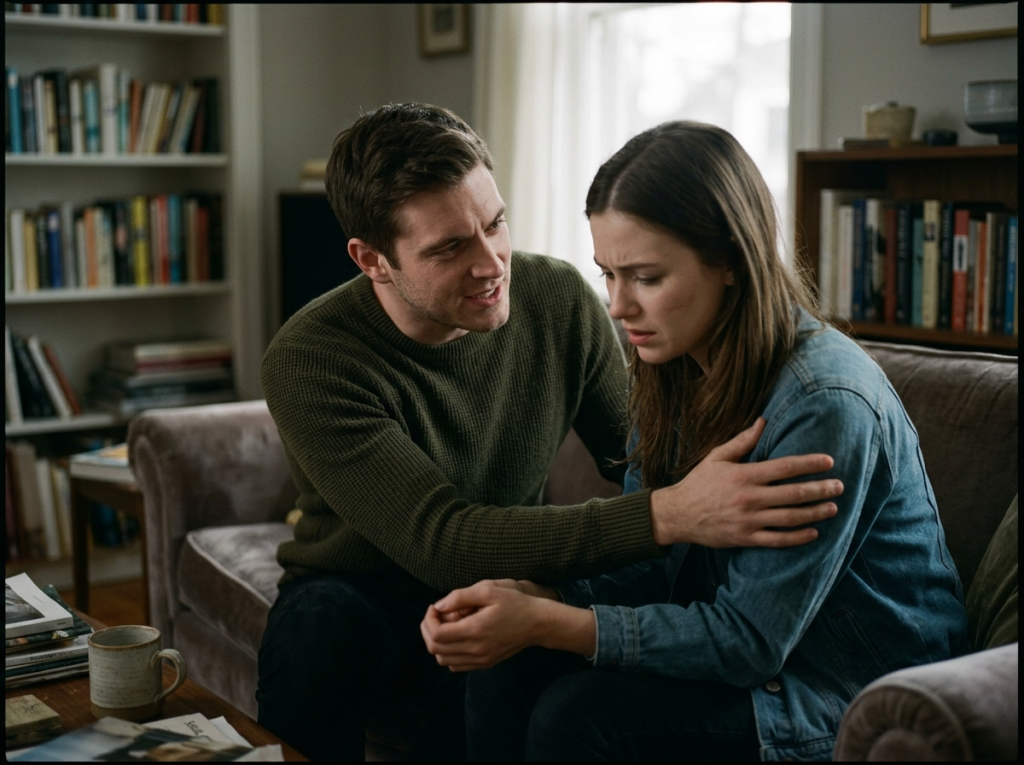
Techniques for active listening include paraphrasing, asking clarifying questions, and validating feelings. Phrases like “I hear that you’re frustrated about…” or “It sounds like you need…” demonstrate attentiveness and empathy.
Emotional Intelligence
Emotional intelligence enhances communication by helping partners manage their own emotions while responding to their partner’s feelings appropriately. Recognizing emotional cues and expressing empathy strengthens dialogue. Couples with high emotional intelligence tend to experience lower conflict levels and higher satisfaction.
Nonverbal Communication
Nonverbal communication, such as body language, tone, and facial expressions, often conveys more than words. Effective communication in relationships includes awareness of these cues. Maintaining eye contact, nodding, and using a calm tone supports understanding and emotional safety.
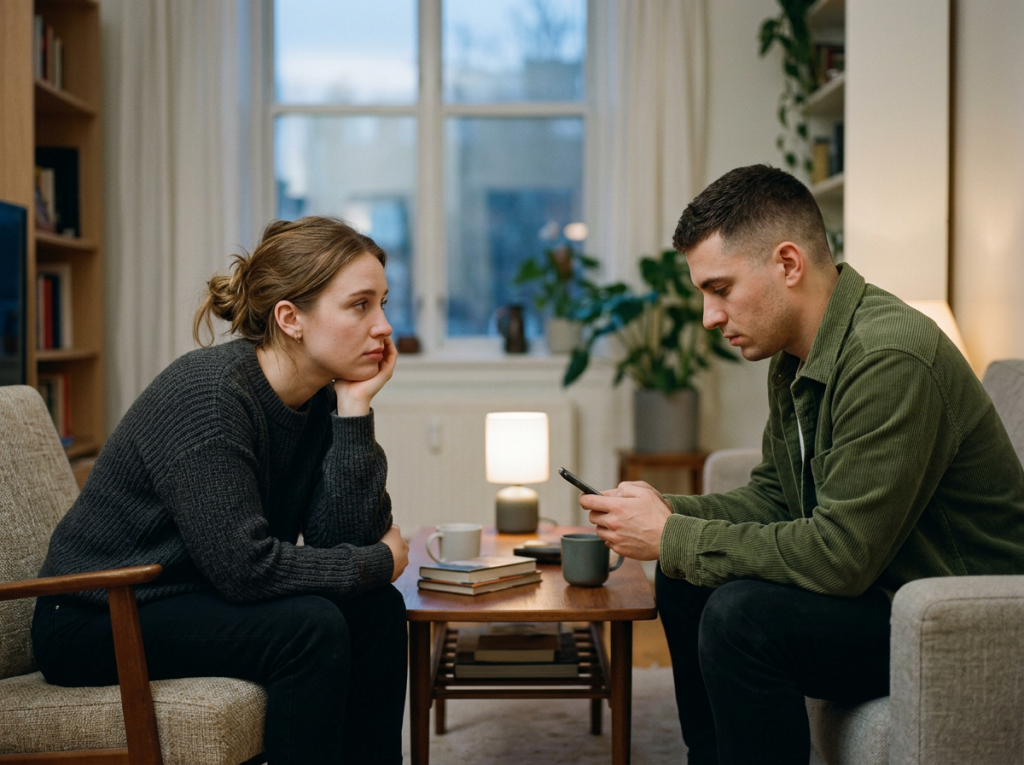
Nonverbal cues can also signal disengagement. Crossing arms, avoiding eye contact, or responding with minimal gestures may indicate that one partner is not fully engaged in the conversation. Awareness of these cues helps couples adjust their communication strategy in real time.
Essential Skills for Effective Communication
Developing effective communication in relationships requires mastering several essential skills. These skills help partners convey their needs, understand each other better, and resolve conflicts constructively.
Speaking Clearly and Honestly
Speaking clearly involves expressing thoughts and feelings openly without blame or criticism. Using “I” statements, rather than “You” statements, reduces defensiveness. For instance, saying, “I feel hurt when plans change unexpectedly,” is more effective than, “You never stick to plans."
Honesty fosters trust, which is critical for long-term relationship success. Sharing your emotions transparently creates a safe space for your partner to do the same.
Practicing Active Listening
Active listening, as mentioned earlier, ensures that your partner feels heard and validated. Listening involves giving your full attention, reflecting back what you hear, and avoiding interruptions.
For example, if your partner expresses frustration about work stress, summarizing their point before responding — “So you’re feeling overwhelmed with deadlines this week” — demonstrates active engagement.
Using Nonverbal Communication Effectively
Nonverbal communication can reinforce spoken messages. Positive body language, such as leaning slightly forward, maintaining eye contact, and using an encouraging tone, strengthens dialogue.
Conversely, negative nonverbal signals, like sighing or looking away, can undermine communication. Being mindful of these cues allows couples to convey respect and attentiveness consistently.
Providing Constructive Feedback
Feedback is an essential element of communication in relationships. Constructive feedback highlights specific behaviors and their impact, rather than attacking character.
For instance, saying, “When you interrupt me, I feel unheard,” focuses on a behavior rather than labeling the person negatively. Effective feedback encourages dialogue and problem-solving without escalating conflict.
Conflict Resolution Skills
Conflicts are natural in relationships, but how partners handle them determines overall relationship health. Effective communication equips couples with conflict resolution skills, including listening, compromise, and problem-solving.
Techniques such as taking a pause, reframing issues, and seeking mutual solutions can prevent conflicts from damaging the relationship. Couples who communicate effectively during disagreements often experience stronger emotional bonds.
Benefits of Effective Communication in Relationships
Effective communication offers numerous benefits that strengthen both individual well-being and relationship satisfaction.
Strengthened Emotional Connection
Couples who communicate effectively experience greater intimacy and trust. Open dialogue fosters understanding, empathy, and emotional closeness, which are crucial for long-term satisfaction.
Reduced Misunderstandings
Clear communication prevents misinterpretations and assumptions. By expressing thoughts and needs precisely, partners reduce unnecessary conflicts and frustration.
Enhanced Conflict Resolution
Relationships inevitably face challenges. Effective communication allows couples to address disagreements constructively, preventing escalation and fostering compromise.
Increased Relationship Satisfaction
When partners communicate effectively, they feel heard, respected, and valued. This contributes to higher overall satisfaction and emotional stability in the relationship.
Improved Mental Health
Effective communication also supports mental health. Being able to share emotions openly reduces stress, anxiety, and feelings of isolation within the relationship.
Strategies to Develop Effective Communication
Building effective communication skills requires practice, patience, and intentional effort. Couples can adopt several strategies to enhance dialogue and understanding.
Establish a Communication Routine
Regular check-ins encourage open dialogue. Scheduling time to discuss feelings, concerns, and plans ensures communication remains a priority.
Pratiquer l'empathie
Empathy allows partners to understand each other’s perspective. Listening with an open heart and avoiding judgment strengthens emotional bonds.
Utiliser des phrases en "je".
“I” statements reduce blame and defensiveness. They allow partners to express feelings without accusing, fostering productive conversations.
Minimize Distractions
Effective communication requires attention. Turning off devices, focusing on eye contact, and giving your partner full presence improves dialogue quality.
Observer les signaux non verbaux
Paying attention to body language, tone, and facial expressions enhances understanding. Nonverbal signals often reveal emotions that words cannot fully convey.
Demander l'avis d'un professionnel
Couples therapy or communication coaching can help partners develop strategies, practice skills, and navigate challenging conversations. A communication expert can guide couples toward lasting improvement.
Encourage Feedback and Reflection
Regularly reflect on conversations and solicit feedback. Discussing what works and what doesn’t improves communication strategies over time.
Examples of Effective Communication in Practice
Consider these practical examples of effective communication in relationships:
- Daily Check-ins: Partners ask each other about their day, actively listen, and respond empathetically.
- Résolution des conflits : Instead of arguing, partners identify the issue, express feelings using “I” statements, and propose solutions collaboratively.
- Nonverbal Awareness: Partners notice tension in posture or tone and address it before it escalates into a conflict.
- Shared Goals: Couples discuss long-term goals openly, clarifying expectations and ensuring alignment.
- Constructive Feedback: Partners provide feedback focused on behaviors, such as sharing household responsibilities, without criticism.
These examples demonstrate how communication skills, when applied consistently, strengthen relationships and prevent misunderstandings.
Common Barriers to Effective Communication
Several obstacles can undermine communication in relationships, including:
- Assumptions: Assuming your partner knows your feelings can lead to misunderstandings.
- Defensiveness: Reacting defensively prevents open dialogue.
- Distractions: Phones, work, or external stressors reduce attention and clarity.
- Emotional Reactivity: Strong emotions can make it hard to listen and respond calmly.
- Poor Listening Skills: Interrupting or failing to acknowledge the partner’s perspective hinders understanding.
Recognizing these barriers allows couples to actively work around them and improve dialogue.
Conclusion: Cultivating Effective Communication in Relationships
Effective communication in relationships is a skill that requires awareness, practice, and emotional intelligence. It encompasses active listening, clear expression, empathy, nonverbal awareness, and conflict resolution. Couples who communicate effectively build stronger emotional bonds, reduce misunderstandings, and enhance long-term satisfaction.
Developing effective communication involves consistent effort, reflection, and a commitment to understanding each other. By practicing empathy, using “I” statements, observing nonverbal cues, and maintaining clarity, couples can navigate conflicts, express emotions, and foster intimacy.
Investing in communication skills is an investment in the relationship itself. Couples who prioritize effective communication enjoy higher satisfaction, emotional connection, and mutual trust. Over time, these skills help partners navigate challenges, grow together, and cultivate a lasting, fulfilling relationship.